What Is the Difference Between Tuning and ECU Remapping
Understanding the difference between tuning and ECU remapping is essential for any car owner looking to boost performance. Tuning typically refers to physical changes like upgrading parts, while ECU remapping involves reprogramming your engine’s software. Both methods aim to improve car performance, but they work in very different ways. This guide breaks down each approach so you can make an informed choice.
When car enthusiasts talk about getting more out of their vehicles, two terms come up constantly: tuning and ECU remapping. These words often get used interchangeably, but they mean very different things. If you have ever wondered whether you should modify your engine hardware or just update its software, you are not alone. This question comes up in garages, online forums, and car meetups every single day.
The difference between tuning and ECU remapping matters because each approach delivers distinct results. Tuning usually means changing physical components like exhausts, air intakes, or turbo kits. ECU remapping, on the other hand, means rewriting the software that controls your engine. One changes what your car is made of, and the other changes how your car thinks. Understanding this distinction helps you choose the right path for your goals, budget, and vehicle type.
In this article, we will walk through everything you need to know. We will explain what each method involves, compare their benefits, and help you decide which option fits your car best. Whether you drive a diesel remapping candidate or a petrol tuning project, this guide has you covered.
Key Takeaways
- Tuning modifies hardware: It involves physical upgrades like exhaust systems, air filters, and turbo components to boost engine output.
- ECU remapping is software-based: It changes the engine control unit settings without replacing any physical parts.
- Both methods improve performance: But they offer different benefits in terms of cost, reversibility, and results.
- ECU remapping is reversible: You can restore factory settings anytime, unlike most hardware changes.
- Diesel and petrol engines respond differently: Each fuel type has unique tuning and remapping considerations.
- Professional installation matters: Poorly done tuning or remapping can void warranties and damage your engine.
- Fuel economy can improve: Both approaches can lead to better mileage when done correctly.
📑 Table of Contents
- Understanding ECU and Engine Tuning Basics
- What Exactly Is ECU Remapping?
- How Traditional Tuning Differs from Remapping
- Benefits of Each Approach
- Which Option Is Right for Your Vehicle?
- Common Mistakes and How to Avoid Them
- Expert Insights on Maximizing Results
- Key Takeaways
- Frequently Asked Questions
- Conclusion
Understanding ECU and Engine Tuning Basics
Before diving into the specifics, let us build a solid foundation. Your car’s engine control unit is essentially its brain. This small computer manages fuel injection, ignition timing, boost pressure, and many other functions. Factory settings are designed to meet a wide range of conditions, from extreme cold to high altitude driving. As a result, manufacturers often leave room for improvement.
Performance tuning is the broad term for any modification that enhances engine output. This can include both hardware changes and software updates. When most people say “tuning,” they picture physical upgrades. You might install a high-flow air filter, replace the exhaust system, or fit a larger turbo. These are all forms of aftermarket tuning that physically alter how air and fuel move through the engine.
Vehicle calibration is another term you will hear often. Calibration refers to the precise settings that control how your engine runs. When a technician adjusts these settings, whether through hardware or software, they are calibrating the engine. Both engine management system updates and physical part swaps fall under this umbrella.
What Hardware Changes Involve
Physical engine tuning typically starts with the intake and exhaust systems. A cold air intake pulls in cooler, denser air, which helps combustion. A cat-back exhaust system reduces back pressure, allowing gases to escape more freely. These changes work together to help the engine breathe better.
Other common hardware upgrades include:
- Turbocharger upgrades for increased horsepower gains
- Performance spark plugs for better ignition
- Fuel injectors with higher flow rates
- Intercooler upgrades to reduce intake air temperature
- ECU wiring harness modifications for advanced setups
Each of these parts works together to allow the engine to produce more power. However, hardware changes alone do not always unlock the full potential. This is where software comes into play.
What Exactly Is ECU Remapping?
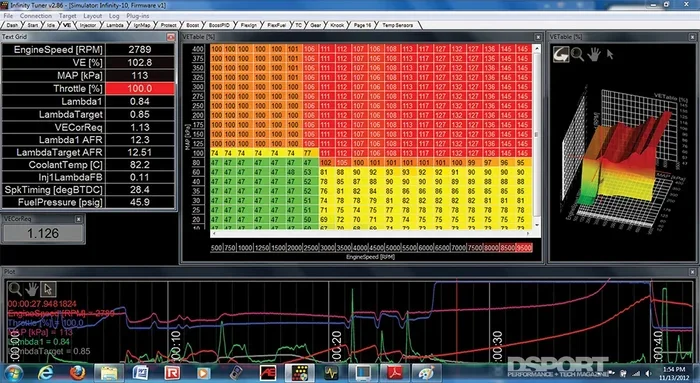
ECU remapping is the process of replacing the original software on your engine control unit with a new, customized version. Think of it as updating the instructions that tell your engine how to operate. A technician connects a laptop to your car’s diagnostic port and uploads a new ECU file. This file contains revised map changes that adjust parameters like fuel delivery, boost pressure, and ignition timing.
The process is sometimes called chip tuning, especially in older vehicles where the ECU file was stored on a physical chip. Modern cars store their software digitally, so the process is now done through the diagnostic port without removing any hardware. Despite the name, no physical chip is always involved anymore.
How Remapping Works in Practice
A professional starts by reading the original ECU file from your vehicle. They then modify specific parameters based on your goals. For example, they might increase fuel pressure, advance ignition timing, or raise boost levels. The new file is then written back to the engine control unit.
Dyno testing is a critical step in this process. A dynamometer measures your car’s actual power output before and after the remap. This ensures the changes are safe and effective. A good technician will never skip this step. It provides real data, not just guesses.
Custom tune files are tailored to your specific vehicle. They account for factors like engine condition, fuel quality, and even climate. A generic map change might offer modest gains, but a fully customized remap delivers the best results. This is why working with a reputable specialist matters so much.
Is ECU Remapping Reversible?
One of the biggest advantages of ECU remapping is that it is fully reversible. A technician can restore the original factory software at any time. This is a huge benefit if you plan to sell your car or if you are unsure about long-term changes. Unlike physical upgrades, a remap leaves no permanent trace on your vehicle.
However, some remaps write over the original file permanently. In these cases, a backup copy of the original software must be saved beforehand. Always confirm with your tuner that they keep a backup of your factory settings.
How Traditional Tuning Differs from Remapping
Now that we have covered the basics, let us compare the two approaches side by side. The difference between tuning and ECU remapping comes down to what is being changed and how those changes affect your car.
Physical vs. Software Changes
Tuning modifies the physical components of your engine. You are adding or replacing parts that affect airflow, fuel delivery, or exhaust flow. These changes are visible and tangible. You can point to a new exhaust or a bigger turbo and say, “That is what made the difference.”
ECU remapping changes only the software. No parts are removed or added. The modifications happen entirely within the engine management system. Your car looks the same on the outside, but its internal parameters have been optimized.
Cost Comparison
Cost is a major factor when choosing between these two approaches. Physical tuning parts can be expensive, especially when you factor in installation labor. A full turbo upgrade, for instance, can cost several thousand pounds. ECU remapping is generally much more affordable, often ranging from a few hundred to a couple of thousand pounds depending on the complexity.
Time and Complexity
Hardware tuning projects can take days or even weeks. Each part needs to be sourced, fitted, and tested. ECU remapping is typically completed in a single session, often within a few hours. This makes remapping a convenient option for car owners who want noticeable results without lengthy downtime.
Impact on Warranty and Insurance
Both approaches can affect your vehicle warranty, but in different ways. Physical modifications are usually visible during inspections, which can lead to immediate warranty claims being denied. ECU remapping is harder to detect in some cases, but reputable tuners will note it in your service records. Always check with your manufacturer and insurance provider before making any changes.
Benefits of Each Approach
Both tuning and ECU remapping offer compelling benefits. The right choice depends on your goals, budget, and how far you want to take your vehicle.
Benefits of ECU Remapping
ECU remapping delivers several advantages that make it popular among car owners:
- Quick installation: Most remaps are done in a single day
- Fully reversible: You can return to factory settings anytime
- Cost-effective: Generally cheaper than hardware upgrades
- Improved throttle response: The engine feels more responsive and eager
- Better fuel economy: Optimized maps can reduce fuel consumption
- No visible changes: Your car retains its original appearance
- Enhanced torque: Especially noticeable in diesel vehicles
Benefits of Traditional Tuning
Performance tuning through hardware upgrades offers its own set of advantages:
- Larger power gains: Physical upgrades can unlock significantly more horsepower
- Improved engine longevity: Better cooling and airflow reduce strain
- Unique sound and character: A new exhaust, for example, changes the driving experience
- Complementary results: Hardware and software work together for maximum output
- Resale value: Some upgrades can increase a car’s appeal to enthusiasts
Comparison Table
| Feature | Tuning (Hardware) | ECU Remapping (Software) |
|---|---|---|
| Method | Physical part upgrades | Software reprogramming |
| Cost Range | High to very high | Low to moderate |
| Installation Time | Days to weeks | Hours to one day |
| Reversibility | Difficult and costly | Fully reversible |
| Power Gains | Significant | Moderate to significant |
| Warranty Impact | Usually voided | May void if detected |
| Visible Changes | Yes | No |
| Best For | Serious performance builds | Everyday driver optimization |
Which Option Is Right for Your Vehicle?
Choosing between tuning and ECU remapping depends on several factors. Let us walk through the most important considerations.
Consider Your Goals
What do you want from your car? If you are looking for subtle improvements in car performance and fuel economy, ECU remapping is likely the best route. It is affordable, quick, and delivers noticeable results without altering your car’s appearance.
If you want maximum power and are building a dedicated performance machine, hardware tuning combined with a custom tune is the way to go. Many enthusiasts use both methods together for the best of both worlds.
Consider Your Vehicle Type
Diesel remapping is extremely popular because diesel engines respond well to boost pressure adjustments. A diesel ECU file modification can deliver impressive torque improvement without any physical changes. Popular diesel vehicles include the Ford Focus, VW Golf, and BMW 3 Series.
Petrol tuning often benefits from both hardware and software approaches. Petrol engines respond well to intake and exhaust upgrades, and a performance tuning remap can maximize the gains from these parts. Turbocharged petrol engines are particularly well-suited for combined approaches.
Consider Your Budget
Budget plays a big role in this decision. ECU remapping is the most accessible entry point for most car owners. You can achieve meaningful gains for a fraction of the cost of a full hardware build. If you have a larger budget and want to go all out, a combination of physical upgrades and a professional remap will deliver the best results.
Consider Long-Term Plans
Think about how long you plan to keep the car. If you intend to sell it soon, a reversible ECU remap is the safer choice. If you are keeping the car long-term and building it up, hardware tuning makes more sense.
Common Mistakes and How to Avoid Them
Many car owners make avoidable mistakes when pursuing engine tuning or remapping. Learning from these errors can save you time, money, and headaches.
Choosing the Cheapest Option
Bargain remaps and cheap tuning services often use generic files that are not tailored to your specific vehicle. These one-size-fits-all approaches can lead to poor performance, reduced reliability, and even engine damage. Always choose a specialist who offers a custom tune based on dyno testing and your vehicle’s actual condition.
Ignoring Maintenance After Tuning
A common misconception is that once you tune or remap your car, you never need to worry about maintenance again. The opposite is true. Tuned engines put more stress on components like brakes, clutch, and cooling systems. Regular servicing and quality fluids become even more important after any modification.
Skipping the Research
Not all tuners are created equal. Before handing over your keys, research the specialist thoroughly. Look for reviews, ask for references, and verify their certifications. A reputable tuner will be happy to show you their process and explain every map change they make.
Overlooking Insurance Implications
Some car owners forget to inform their insurance provider about ECU remapping or hardware changes. This can lead to claim rejections if something goes wrong. Always update your policy to reflect any modifications to your vehicle.
Expert Insights on Maximizing Results
Professional tuners and automotive engineers share a few insights that can help you get the most from your investment.
Start with remapping before adding hardware. A custom tune can reveal how much your engine can already handle. This information helps you choose the right hardware upgrades without wasting money on parts your engine cannot fully utilize.
Invest in quality fuel. After a remap or tune, using high-quality fuel ensures your engine runs as intended. Lower-grade fuel can negate the benefits of your modifications and potentially cause knock or detonation issues.
Monitor your temperatures. Both engine tuning and remapping increase thermal stress. Installing an aftermarket oil cooler or monitoring your coolant temperatures helps protect your engine over the long term.
Be patient with the break-in period. After a remap, give your engine a few hundred miles to adapt to the new parameters. Avoid aggressive driving during this period to allow all systems to settle.
Key Takeaways
- Tuning modifies hardware: It involves physical upgrades like exhaust systems, air filters, and turbo components to boost engine output.
- ECU remapping is software-based: It changes the engine control unit settings without replacing any physical parts.
- Both methods improve performance: But they offer different benefits in terms of cost, reversibility, and results.
- ECU remapping is reversible: You can restore factory settings anytime, unlike most hardware changes.
- Diesel and petrol engines respond differently: Each fuel type has unique tuning and remapping considerations.
- Professional installation matters: Poorly done tuning or remapping can void warranties and damage your engine.
- Fuel economy can improve: Both approaches can lead to better mileage when done correctly.
Frequently Asked Questions
Is ECU remapping safe for my engine?
Yes, when performed by a qualified professional using a custom tune, ECU remapping is safe. The key is to work with a reputable tuner who uses dyno testing to verify results and ensures all parameters stay within safe limits. Avoid generic or cheap remaps, as these can push your engine beyond its safe operating range.
Will ECU remapping void my car warranty?
This depends on your manufacturer and dealer policies. Some manufacturers can detect ECU file changes during diagnostics, which may lead to warranty claims being denied. Always check with your dealer before proceeding. Some tuners offer to keep your original file so you can revert to factory settings before any warranty service.
Can I tune and remap my car at the same time?
Absolutely. Many enthusiasts combine hardware tuning with ECU remapping for maximum results. This approach, sometimes called a full build, ensures that your software and hardware work in harmony. The software optimizes the physical upgrades, unlocking the full potential of each modification.
How much horsepower can I expect from a remap?
Gains vary depending on your vehicle, engine type, and the quality of the remap. On average, a well-executed remap can deliver 10 to 30 percent more power. Diesel remapping often produces the most noticeable torque improvement, while petrol tuning gains depend heavily on the existing engine configuration and any supporting hardware.
How often should I get my remap checked or updated?
A quality remap should last the lifetime of your vehicle without needing updates. However, if you make additional hardware changes or switch to a different fuel type, you may benefit from a revised map change. Regular check-ups with your tuner every 12 to 18 months can ensure your engine management system continues to operate at its best.
What is the difference between chip tuning and ECU remapping?
Chip tuning refers to the older method of physically removing and replacing a chip on the circuit board of the engine control unit. ECU remapping is the modern equivalent, done through the diagnostic port without removing any hardware. Both achieve the same goal of optimizing engine parameters, but remapping is faster, cleaner, and fully reversible.
Conclusion
The difference between tuning and ECU remapping comes down to hardware versus software. Tuning changes the physical parts of your engine to unlock more power and improve airflow. ECU remapping rewrites the software that controls how your engine operates, delivering optimized performance without replacing a single component.
Both approaches have their place in the world of automotive performance. Your choice should depend on your goals, budget, vehicle type, and long-term plans. If you want quick, affordable, and reversible improvements, ECU remapping is an excellent starting point. If you are building a serious performance machine, combining hardware tuning with a professional remap will give you the best results.
Whatever path you choose, always work with experienced professionals who prioritize safety and quality. A well-executed custom tune or remap can transform how your car drives, feels, and performs. Take your time, do your research, and enjoy the journey of getting more out of the vehicle you love.