Everything You Need to Know About Car Badges and Emblems
Car badges and emblems are more than just small metal or plastic pieces on your vehicle — they tell a story about your car’s identity, brand heritage, and personal style. This guide covers everything from the history and types of car badges and emblems to installation, maintenance, and customization tips.
Have you ever looked closely at the shiny emblem on someone’s hood and wondered what it really means? Car badges and emblems are more than just decorative pieces. They carry history, identity, and a whole lot of personality.
Every vehicle on the road has some form of badge or emblem. Whether it is a sleek chrome lion on the hood or a simple nameplate on the trunk, these small details say a lot about your car. They tell the world who made it, what model it is, and sometimes even which trim level you own.
But there is so much more to car badges and emblems than meets the eye. From their fascinating history to the different types available today, this guide breaks it all down. You will learn how to choose the right badge, install it properly, keep it looking great, and even customize your ride with unique emblems. Let us dive in.
Key Takeaways
- Car badges and emblems serve both decorative and functional purposes: they identify your vehicle’s brand, model, and trim level while adding a touch of personality.
- There are many types of badges: hood emblems, grille badges, trunk badges, side skirts, and wheel arch insignia each play a unique role in your car’s overall look.
- Placement matters: proper badge positioning enhances your vehicle’s aesthetic and ensures the emblem stays secure over time.
- Maintenance is simple: regular cleaning, waxing, and occasional replacement keeps your car badges and emblems looking fresh and polished.
- Custom and vintage badges offer endless personalization options: whether you drive a classic or a modern ride, the right emblem can transform your car’s appearance.
- Badge engineering is a real industry practice: automakers use it to market similar vehicles under different brand names, and enthusiasts often replicate or modify badges for unique builds.
📑 Table of Contents
- What Are Car Badges and Emblems?
- The History and Evolution of Car Badges and Emblems
- Types of Car Badges and Emblems
- How to Choose and Install the Right Badge
- Maintaining and Caring for Your Car Badges and Emblems
- Badge Engineering and Custom Car Badges and Emblems
- Common Mistakes to Avoid with Car Badges and Emblems
- The Future of Car Badges and Emblems
- Final Thoughts
What Are Car Badges and Emblems?
Defining Car Badges and Emblems
At their core, car badges and emblems are visual identifiers placed on vehicles. They can be made from chrome, stainless steel, plastic, resin, or even fabric. These small accessories serve a dual purpose. They identify the vehicle and enhance its visual appeal.
Think of them as the name tag and fashion statement of your car rolled into one. A badge might display the brand logo, like the famous Ford Blue Oval or the Mercedes-Benz three-pointed star. An emblem, on the other hand, often represents a specific model, trim, or special edition. Together, they create the visual identity of your vehicle.
These accessories come in all shapes and sizes. Some are large and bold, sitting proudly on the hood. Others are small and subtle, tucked into the tail light cluster or embedded in the grille. No matter the size, every vehicle badge and automotive emblem has a purpose.
Why Car Badges and Emblems Matter
You might think badges are just for looks, but they do more than make your car pretty. Here is why they matter:
- Brand recognition: Badges help people identify your car’s manufacturer and model at a glance.
- Trim identification: Badges like “Sport,” “Luxury,” or “Turbo” tell others about your vehicle’s features and capabilities.
- Resale value: A clean, intact set of car emblems can boost your vehicle’s curb appeal and resale price.
- Personal expression: Custom badges let you showcase your personality and style on the road.
- Historical significance: Vintage badges connect you to automotive heritage and the legacy of classic car brands.
Simply put, car badges and emblems are a small investment that delivers big returns in style, identity, and value.
The History and Evolution of Car Badges and Emblems
Early Automotive Badge Design
The story of car badges and emblems goes all the way back to the early 1900s. When cars first rolled off the assembly lines, manufacturers needed a way to tell their vehicles apart. Simple nameplates and metal plates became the first automotive badges.
In the 1920s and 1930s, brands like Rolls-Royce and Cadillac started using elaborate hood emblems. The Rolls-Royce Spirit of Ecstasy and Cadillac’s spear-like crest became iconic symbols of luxury and status. These early vehicle badges were often handcrafted from brass, nickel, or chrome.
After World War II, car culture exploded. Manufacturers realized that a strong emblem could build brand loyalty and excitement. The 1950s and 1960s brought bold, chrome-heavy designs. Think of the Chevrolet bowtie, the Ford Thunderbird logo, or the classic Jaguar leaper. These automotive badges became cultural symbols.
Modern Badge Trends
Today, the design of car badges and emblems has evolved significantly. Modern vehicles often use flat, minimalist designs. Many new cars, especially electric vehicles, use subtle LED-lit emblems instead of traditional chrome pieces.
Brands like Tesla and BMW have embraced sleek, badge-free designs in some models. They use subtle logos or even digital displays to show the brand name. Yet, classic car insignia still holds a special place in the hearts of enthusiasts. Vintage and retro-style badges are making a huge comeback in the custom car world.
The evolution of car emblems reflects bigger trends in automotive design. As cars become more high-tech, badges are adapting too. But the core purpose remains the same: identity and style.
Types of Car Badges and Emblems
Not all badges are created equal. Different vehicles use different types of car badges and emblems to serve various purposes. Let us break down the most common types you will encounter.
Hood and Grille Badges
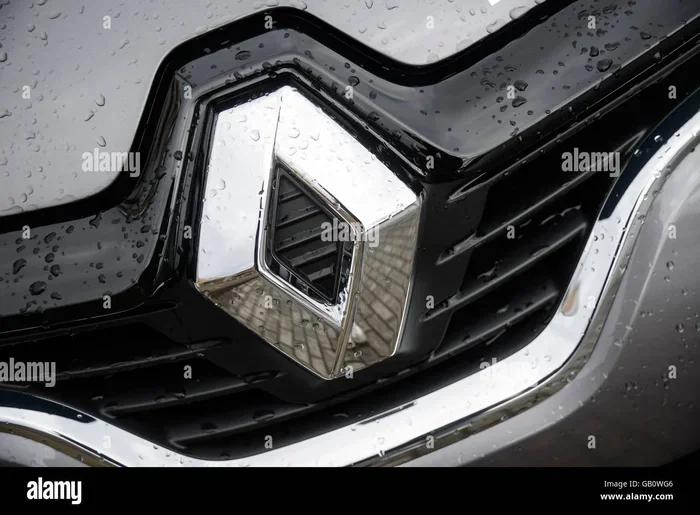
Hood emblems are probably the most recognizable type of vehicle badge. They sit right in the center of the hood and are often the first thing people notice. Think of the Chevrolet bowtie, the Mercedes-Benz star, or the Jeep seven-slot grille emblem.
Grille badges, on the other hand, are integrated into the front grille. They fill the spaces between the grille bars and display the brand name or logo. These grille badges are especially common on trucks and SUVs, where the bold front grille is a key design element.
Both hood and grille badges are usually made from chrome-plated metal or high-quality ABS plastic. They are designed to withstand road debris, weather, and UV exposure.
Trunk and Tail Badges
Trunk badges sit on the rear of the vehicle, usually on the trunk lid or tailgate. They often display the model name, such as “Camry,” “F-150,” or “3 Series.” These car nameplates are essential for identifying the specific model from behind.
Tail badges can also include technical details like engine size, fuel type, or drivetrain. For example, you might see badges like “TDI,” “Hybrid,” or “AWD” on the trunk or tailgate. These model badges help buyers and enthusiasts quickly understand what is under the hood.
Side Badges and Wheel Arch Emblems
Side badges are smaller emblems placed along the body of the car. You will often find them on the front fender, near the door, or along the side skirt. They may display the brand name, model designation, or special trim level.
Wheel arch emblems are another type of automotive badge. They sit near the rear wheel well and often indicate the vehicle’s size class or special edition. These car insignia add a subtle but polished touch to the sides of your vehicle.
D-pillar and Glass Badges
Some vehicles feature badges on the D-pillar (the rear roof support) or on the rear windshield. These car emblems are more discreet but still important for identification. Luxury brands like Lexus and Volvo often use D-pillar badges to showcase their brand name in an elegant, understated way.
How to Choose and Install the Right Badge
Choosing the Perfect Badge for Your Vehicle
Selecting the right car badges and emblems for your vehicle comes down to a few key factors. First, consider your car’s make and model. You want a badge that matches the original design and proportions of your vehicle.
Next, think about your personal style. Do you prefer a classic chrome look, a modern matte finish, or a custom design? The material and finish of your badge can completely change the feel of your car.
Here are some quick tips for choosing the right badge:
- Match the size: Measure the badge location before purchasing. A badge that is too big or too small will look off.
- Consider the material: Chrome looks classic and shiny. Stainless steel is durable and resistant to rust. ABS plastic is lightweight and affordable.
- Check compatibility: Make sure the badge fits your specific model year and trim level.
- Think about climate: If you live in a harsh climate, choose badges with strong adhesive or mounting hardware.
Whether you are restoring a classic or upgrading a modern ride, the right car insignia can make a world of difference.
Installation Tips for Car Badges and Emblems
Installing car badges and emblems is easier than most people think. With the right tools and a little patience, you can do it yourself in under 30 minutes.
Here is a simple step-by-step process:
- Clean the surface: Use rubbing alcohol or a mild degreaser to clean the area where the badge will go. Remove any old adhesive residue.
- Dry the surface completely: Any moisture will prevent the adhesive from bonding properly.
- Align the badge: Use masking tape to hold the badge in place while you check the alignment from different angles.
- Apply even pressure: Press the badge firmly onto the surface. Work from the center outward to avoid air bubbles.
- Let it cure: Wait at least 24 hours before washing your car or exposing the badge to water.
For badges that use screws or clips, make sure you have the right hardware. Many replacement kits come with all the necessary screws and mounting brackets. Always refer to your vehicle’s manual for the correct placement locations.
Maintaining and Caring for Your Car Badges and Emblems
Cleaning and Polishing Tips
Your car badges and emblems take a beating every day. They deal with road grime, bird droppings, UV rays, and harsh weather. Regular care keeps them looking their best.
Here is how to clean your badges the right way:
- Use a mild car wash soap: Avoid harsh chemicals that can strip the chrome finish or discolor plastic badges.
- Use a soft microfiber cloth: Harsh sponges can scratch the surface of your vehicle emblems.
- Dry thoroughly after washing: Water spots can dull the finish of chrome and metal badges.
- Apply a protectant: A quality wax or sealant adds a layer of protection against UV damage and oxidation.
For stubborn grime, a soft toothbrush dipped in a gentle cleaning solution works wonders. Just be gentle, especially around painted surfaces where the badge meets the body panel.
Replacing Worn Badges
Over time, even the best car badges and emblems will show wear. Chrome can peel, paint can fade, and adhesive can weaken. When this happens, it is time for a replacement.
Replacement badges are widely available online and at auto parts stores. You can find OEM (original equipment manufacturer) badges that match your vehicle exactly. Aftermarket options offer more variety and sometimes better quality than the original.
When replacing a badge, make sure to remove the old one completely. Any leftover adhesive can prevent the new badge from sticking properly. Use a plastic scraper or a dedicated adhesive remover to clean the surface thoroughly.
Pro tip: If you are restoring a classic car, seek out reproduction badges from specialty suppliers. Authentic vintage car emblems can be expensive, but quality reproductions look just as good at a fraction of the cost.
Badge Engineering and Custom Car Badges and Emblems
What Is Badge Engineering?
Badge engineering is a practice where automakers take a similar vehicle and sell it under different brand names with different badges. This has been happening in the industry for decades. A great example is the Toyota Camry and the Lexus ES. They share the same platform, but the car badges and emblems make them feel like entirely different cars.
Another classic example is the GM platform-sharing strategy. Vehicles like the Chevrolet Cavalier, Pontiac Sunfire, and Oldsmobile Alero were essentially the same car wearing different vehicle badges. This practice allowed manufacturers to sell the same product to different market segments.
Today, badge engineering continues with brands sharing platforms across their lineup. It is a smart business strategy, and it gives car enthusiasts plenty of options when it comes to customizing their rides.
Customizing Your Vehicle with Unique Badges
Custom car badges and emblems are hugely popular in the car community. Whether you are building a resto-mod, a street rod, or a modern performance machine, the right badge can tie the whole look together.
Here are some popular custom badge ideas:
- Vintage-style emblems: Reproduce classic badges from the 1950s and 1960s for a retro look.
- Custom nameplates: Add a personal touch with a custom name or slogan on your trunk or hood.
- Performance badges: Display horsepower figures, turbocharger badges, or track-inspired insignia.
- Electric vehicle badges: Modern EVs often feature unique, tech-inspired emblems that set them apart.
- Racing stripes with badges: Combine custom stripes with period-correct automotive badges for a classic motorsport look.
Custom badges are a fantastic way to make your vehicle truly unique. Just make sure any custom car emblems you add comply with local regulations. Some jurisdictions have rules about what can and cannot be displayed on a vehicle.
When it comes to custom car badges and emblems, the possibilities are nearly endless. From hand-painted nameplates to CNC-machined chrome pieces, you can find or create just about any badge your imagination can dream up.
Common Mistakes to Avoid with Car Badges and Emblems
Skipping Surface Preparation
The most common mistake people make when installing car badges and emblems is skipping surface preparation. If you do not clean the area properly, the badge will not stick. It will peel, rattle, or fall off entirely. Always take the time to clean and dry the surface before applying any badge.
Using the Wrong Adhesive
Not all adhesives are created equal. Using a generic glue or tape can lead to poor bonding and premature failure. Always use the adhesive that comes with the badge or purchase a high-quality automotive adhesive specifically designed for exterior use.
Ignoring Paint Protection
When removing old badges, you risk damaging the paint underneath. Use a heat gun or a plastic razor blade to gently loosen the adhesive. Apply a paint protection film or wax to the area before installing a new badge to prevent any damage.
Overlooking Badge Alignment
A crooked badge looks sloppy. Take your time to align your car emblems perfectly. Use a measuring tape or a template if needed. A well-aligned badge adds a professional, polished finish to your vehicle.
The Future of Car Badges and Emblems
The world of car badges and emblems is evolving rapidly. As vehicles become more electric and autonomous, badge design is changing too. We are seeing more digital displays, animated logos, and even interactive emblems that can change based on driving mode or battery status.
Electric vehicles from brands like Tesla, Rivian, and Lucid are leading the charge toward minimalist, tech-forward badge design. These vehicle badges often feature clean lines, subtle lighting, and a modern aesthetic that matches the futuristic nature of EV technology.
At the same time, there is a strong counter-movement among enthusiasts who love classic, chrome-heavy badges. The restoration and custom car markets continue to thrive, and demand for high-quality car insignia and vintage-style emblems remains strong.
One thing is certain: car badges and emblems are not going away. They are evolving, adapting, and finding new ways to express identity and style on the road. Whether you prefer a sleek modern look or a bold classic design, there has never been a better time to explore the world of automotive badges and emblems.
Final Thoughts
Car badges and emblems might seem like small details, but they carry enormous significance. They define your vehicle’s identity, connect you to automotive history, and allow you to express your personal style. From the iconic hood emblems of classic luxury cars to the minimalist digital logos of modern EVs, these accessories are a timeless part of automotive culture.
Whether you are restoring a vintage classic, maintaining your daily driver, or building a custom show car, the right set of car badges and emblems can transform your vehicle. Choose badges that reflect your personality, install them with care, and maintain them regularly. Your car deserves to look as good as it drives.
Now that you have all the knowledge you need, it is time to take action. Explore the wide world of car badges and emblems and find the perfect pieces for your ride. Your car is waiting to tell its story.
Frequently Asked Questions
What are car badges and emblems made of?
Car badges and emblems are typically made from chrome-plated metal, stainless steel, ABS plastic, resin, or even fabric. The material you choose depends on your budget, style preference, and how durable you need the badge to be. Chrome and stainless steel are the most popular choices for a classic, premium look.
Can I remove car badges without damaging my paint?
Yes, you can remove car badges and emblems without damaging your paint. Use a heat gun on a low setting to warm the adhesive, then gently pry the badge off with a plastic scraper. After removal, clean the area with rubbing alcohol and apply a paint protectant to restore the finish.
What is badge engineering in the automotive industry?
Badge engineering is when automakers sell essentially the same vehicle under different brand names, using different car badges and emblems to create a distinct identity. A well-known example is the Toyota Camry and the Lexus ES, which share the same platform but wear different badges to target different market segments.
How do I choose the right badge size for my vehicle?
Measure the original badge location carefully before purchasing a replacement or aftermarket badge. Use a soft tape measure and note both the height and width. Most online sellers provide exact dimensions for their car emblems, so you can compare them to your measurements to ensure a perfect fit.
Are custom car badges legal?
Custom car badges and emblems are generally legal as long as they do not mislead others about the vehicle’s identity or violate local regulations. Avoid using badges that impersonate a different manufacturer or model. Always check your local laws regarding vehicle modifications before installing custom car insignia.
How often should I replace my car badges and emblems?
There is no set schedule for replacing car badges and emblems. It depends on the quality of the badge, your driving conditions, and how well you maintain them. With proper care, most badges can last for many years. Replace them when you notice peeling, rust, fading, or loose adhesive.