Can You Drive a Right-Hand Drive Car in the US Today
So, can you drive a right-hand drive car in the US? The short answer is yes — but with important caveats. While there is no federal law banning right-hand drive vehicles from American roads, state regulations, insurance challenges, and practical safety concerns make it more complicated than simply hopping behind the wheel. In this guide, we break down everything you need to know.
Key Takeaways
- No federal ban exists: There is no national law that outright prohibits driving a right-hand drive car in the US, but individual states set their own rules.
- State laws vary widely: Some states like California and New York have strict inspections, while others are more relaxed about RHD vehicles on public roads.
- Insurance can be tricky: Not all insurance companies cover RHD vehicles, and premiums may run higher due to perceived risk.
- Importing is possible but regulated: The federal government requires RHD vehicles to meet FMVSS standards before they can be legally registered.
- Conversion is an option: You can convert a right-hand drive car to left-hand drive, though it is costly and requires certified work.
- Practical challenges are real: Lane changes, drive-thrus, toll booths, and parking all become harder with a right-hand steering wheel.
- Temporary use is common: Many enthusiasts use RHD cars for shows, off-roading, or short-term driving before converting or registering them properly.
📑 Table of Contents
- Can You Drive a Right-Hand Drive Car in the US Today?
- What Is a Right-Hand Drive Car?
- Can You Drive a Right-Hand Drive Car in the US? The Legal Answer
- State-by-State Rules for Right-Hand Drive Vehicles
- Challenges of Driving a Right-Hand Drive Car in the US
- How to Legally Import and Register a Right-Hand Drive Car
- Converting a Right-Hand Drive Car to Left-Hand Drive
- Expert Insights on Driving RHD Cars in the US
- Common Mistakes When Driving RHD Cars in the US
- Key Takeaways
- Conclusion
Can You Drive a Right-Hand Drive Car in the US Today?
If you have ever spotted a sleek Japanese domestic market car rumbling down the highway and wondered, “Can you drive a right-hand drive car in the US?” — you are not alone. The curiosity is growing, especially among car enthusiasts who love the feel of a right-hand steering wheel. The truth is, the answer is not a simple yes or no. It depends on where you live, how the car was imported, and what you plan to do with it.
In this guide, we will walk you through every angle. We will cover the legal landscape, state-by-state rules, real-world challenges, and what you can do to stay on the right side of the law. Whether you are a curious newcomer or a seasoned gearhead, this article has you covered.
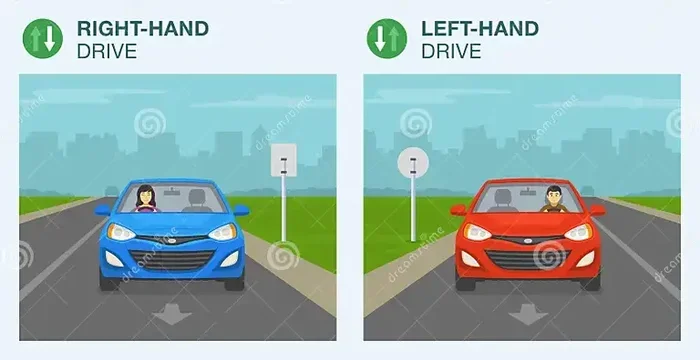
Let us start by understanding what we are dealing with. A right-hand drive vehicle has its steering wheel on the right side. Most American cars use left-hand drive, where the steering wheel sits on the left. This difference matters a lot when sharing roads designed for left-hand traffic patterns.
What Is a Right-Hand Drive Car?
A right-hand drive car simply means the steering wheel is positioned on the right side of the vehicle. The driver sits closer to the centerline of the road or curb, depending on the country. These vehicles are standard in many parts of the world, including the United Kingdom, Japan, Australia, and most of Europe.
In the US, almost every car on the road uses left-hand drive. That is why many drivers find right-hand drive vehicles confusing at first. The gear shift, dashboard layout, and even the way you enter and exit the car feel reversed. If you have driven a JDM car — short for Japanese Domestic Market — you already know the unique experience it offers.
Why Are RHD Cars Popular in the US?
The popularity of right-hand drive cars in the US has surged over the last decade. Several factors drive this trend:
- JDM culture: Japanese sports cars like the Nissan GT-R, Toyota Supra, and Mazda RX-7 have cult followings.
- Collectible vehicles: Classic British cars and vintage Japanese models attract collectors.
- Unique driving experience: Some enthusiasts simply want something different.
- Off-road use: Certain off-road vehicles come in RHD for specific markets.
However, wanting to drive one and legally driving one are two very different things.
Can You Drive a Right-Hand Drive Car in the US? The Legal Answer
Here is the big question: is it legal? At the federal level, there is no blanket ban on operating a right-hand drive vehicle in the United States. You will not get arrested simply for sitting behind the wheel of an RHD car. But that does not mean everything is fine.
The real complexity comes from state laws, vehicle registration rules, and federal import regulations. Each state has its own Department of Motor Vehicles, and each DMV may treat right-hand drive cars differently. What flies in one state might cause headaches in another.
Federal Import Rules
If you are importing a right-hand drive car from another country, the federal government has strict rules. The vehicle must meet the Federal Motor Vehicle Safety Standards, or FMVSS. These standards cover everything from lighting and braking to crash testing.
Cars that were originally built for foreign markets may not meet these standards out of the box. The government allows certain exemptions:
- Vehicles at least 25 years old can be imported without meeting FMVSS.
- Vehicles at least 15 years old may enter under certain show or exhibition permits.
- Low-volume manufacturers can apply for special exemptions.
So if you are bringing in a right-hand steering vehicle from Japan, for example, you need to check its age and compliance status before it hits a US road legally.
Registration and Title
To legally drive any car in the US, you need to register it and hold a valid title. For right-hand drive vehicles, this process can be more involved. Some states require vehicle inspection before registration. Others ask for proof of compliance with safety standards.
You will also need to secure insurance coverage. Not every insurance company is comfortable covering an RHD car. Some may charge higher premiums. Others may refuse outright. It pays to shop around and find a provider experienced with imported vehicles.
State-by-State Rules for Right-Hand Drive Vehicles
Since there is no single national rule, the experience of driving a right-hand drive car in the US depends heavily on your state. Let us look at how some major states handle this.
California
California is known for strict vehicle regulations. The California Department of Motor Vehicles does not specifically ban right-hand drive vehicles, but the state requires all cars to pass a smog check and safety inspection. RHD cars may face extra scrutiny during inspections. California also has specific rules about vehicle modifications that could affect steering position.
New York
New York is another state with tough requirements. The vehicle inspection program covers braking, lighting, and structural safety. A right-hand steering car must pass the same tests as any other vehicle. Inspectors may flag RHD cars for additional review, especially if the steering column position seems unsafe.
Texas
Texas tends to be more relaxed. The state does not have a statewide safety inspection requirement for most vehicles. Registering a right-hand drive car in Texas is generally easier than in California or New York. However, local regulations and insurance requirements still apply.
Florida
Florida is car-friendly overall. The state does not require annual safety inspections. Registering a right-hand drive vehicle in Florida is straightforward as long as you have proper documentation and meet federal import requirements. Florida also has a large community of JDM car owners.
Other Notable States
- Arizona: No safety inspection required. Registration of RHD cars is generally smooth.
- Illinois: Requires safety inspection in certain counties. RHD vehicles may face additional checks.
- Washington: Has emissions testing. RHD cars must comply like any other vehicle.
The pattern is clear: states with stricter inspection programs tend to make life harder for RHD owners. States with minimal regulation tend to be more welcoming.
Challenges of Driving a Right-Hand Drive Car in the US
Let us say you have checked the legal boxes. Your right-hand drive car is registered, insured, and road-legal. Can you just drive it like any other car? Mostly, yes — but expect challenges.
Visibility and Lane Position
The biggest issue is driver visibility. In left-hand traffic, drivers sit on the left side of the car. This gives them a clear view of oncoming traffic. With a right-hand steering position, you sit on the wrong side. You have a harder time seeing cars coming toward you. You also struggle to judge distance from the center line.
This becomes especially dangerous on two-lane highways. Passing other vehicles requires confidence and extra caution. Your blind spots are different from what you are used to.
Drive-Thrus and Toll Booths
Americans love drive-thrus. Coffee shops, fast food, and banks all have them. With a right-hand drive car, you cannot pull into a standard drive-thru lane. The window is on the left side, but the ordering speaker is on the right. You would need to switch seats mid-transaction. This is awkward and sometimes impossible.
Toll booths present a similar problem. Most toll collectors sit on the left side of the vehicle lane. Your driver window is on the right. You might need to pay electronically or find an alternate route.
Parking and Fueling
Parking in tight spots is harder when your steering wheel is on the wrong side. Pulling into a parallel parking space requires extra practice. Fuel pumps are usually on the left side of the pump island. Depending on your car, the fuel door might be on the wrong side. Some RHD cars have adjustable fuel doors, but not all.
Insurance and Liability
Getting insurance coverage for a right-hand drive vehicle can be a headache. Some providers classify RHD cars as higher risk. They may argue that the unusual steering position increases accident likelihood. Expect to pay more, or to spend time calling multiple agents before finding coverage.
In the event of an accident, you may also face more questions from investigators. Insurers and law enforcement are more accustomed to left-hand drive vehicles. Being prepared with documentation helps.
How to Legally Import and Register a Right-Hand Drive Car
If you are serious about owning a right-hand drive car in the US, the import process is where you start. Here is a step-by-step look at what to expect.
Step 1: Check Eligibility
First, determine if your vehicle qualifies for import. Age is the biggest factor. Cars older than 25 years can enter without FMVSS compliance. Younger cars need to meet federal safety standards or come under a specific exemption program.
Check for any recalls or safety issues. The National Highway Traffic Safety Administration, or NHTSA, maintains records. Importing a car with unresolved safety recalls can cause problems.
Step 2: Handle Customs and Import Duties
When you bring the car into the country, you will go through customs. You need to provide:
- Proof of ownership from the country of origin
- A bill of sale
- Shipping documentation
- Payment for any applicable import duties and taxes
Working with a licensed importer or customs broker simplifies this process significantly.
Step 3: Pass Safety and Emissions Testing
After customs clearance, your car needs to pass state-level tests. These may include safety inspection and emissions testing. Some states do not require emissions checks, but most do. Plan for the possibility that your RHD car might need minor adjustments to pass.
Step 4: Register and Insure
Once inspections are passed, you can register the vehicle and get insurance. Bring all import paperwork, proof of ownership, and inspection results. Your DMV will guide you through the specific requirements for your state.
Converting a Right-Hand Drive Car to Left-Hand Drive
Many RHD owners eventually choose to convert their car. A right-hand drive to left-hand drive conversion moves the steering wheel, dashboard, and pedals to the opposite side. This makes the car feel natural on US roads.
What Does Conversion Involve?
The conversion is not a simple weekend project. It involves significant vehicle modification:
- Removing the dashboard and steering column
- Installing a left-hand drive steering column and wheel
- Relocating the pedals and brake components
- Rewiring the dashboard controls
- Reconfiguring the airbag system, if equipped
The work must be done by a certified shop. Improper conversion creates serious safety risks. You also need to pass a vehicle inspection afterward to prove the car is road-safe.
How Much Does It Cost?
Expect to pay anywhere from $5,000 to $20,000 or more for a professional conversion. The cost depends on the vehicle type, its complexity, and the shop doing the work. Rare or exotic cars may cost even more due to specialized parts. Some owners decide the conversion cost is not worth it and keep the car in its original right-hand drive configuration.
Is Conversion Worth It?
This is a personal decision. If you drive daily, conversion makes life much easier. If you only take the car to shows and events, keeping it stock might make more sense. Many enthusiasts enjoy the uniqueness of a right-hand drive car and do not want to lose that character.
Quick Tips for RHD Car Owners
- Always carry your registration and proof of insurance when driving.
- Practice in low-traffic areas before hitting busy highways.
- Use a GPS app that accounts for your unusual vehicle position.
- Consider adding extra mirrors to improve visibility.
- Join online RHD communities for state-specific advice and support.
Expert Insights on Driving RHD Cars in the US
We spoke with automotive experts and long-time RHD owners to get their perspective. Here is what they shared:
John Mitchell, classic car importer: “Most people are surprised that RHD cars are legal. The real challenge is not the law — it is daily driving comfort. After a few weeks, most drivers adapt. But the first month can be nerve-wracking.”
Sarah Tanaka, insurance agent: “We do cover RHD vehicles. It is not a dealbreaker. But carriers want to know the car’s history, import paperwork, and any modifications. Transparency goes a long way.”
Dave Richards, automotive attorney: “State law is where the real complexity lives. Before buying an RHD car, consult your state’s DMV rules. Do not assume what works in one state will work in another.”
Common Mistakes When Driving RHD Cars in the US
Avoid these pitfalls to keep yourself safe and legal:
- Skipping state inspections: Even if your car runs fine, skipping required inspections can lead to registration issues.
- Assuming all states are equal: What works in Texas may not work in New York. Always research your specific state.
- Ignoring insurance requirements: Driving uninsured is illegal everywhere. Make sure your policy covers RHD vehicles explicitly.
- Poor lane discipline: Drifting across lanes is more dangerous in an RHD car. Stay disciplined and alert.
- Attempting DIY conversion: A DIY steering conversion is dangerous and may fail inspection. Always hire certified professionals.
Key Takeaways
To wrap up the most important points:
- No federal ban exists: You can legally own and drive a right-hand drive car in the US as long as you follow state and federal rules.
- State rules differ: Always check your local DMV for specific requirements about RHD vehicles.
- Insurance is available: You may pay more, but coverage is possible with the right provider.
- Import compliance matters: Federal safety standards apply to younger imported vehicles. Do not skip this step.
- Daily driving takes adjustment: Drive-thrus, tolls, and parking all require extra thought with a right-hand steering position.
- Conversion is an option: A professional RHD-to-LHD conversion solves many practical issues but costs significant money.
- Community support helps: Online forums and local car clubs are excellent resources for RHD owners navigating US roads.
Conclusion
So, can you drive a right-hand drive car in the US? Absolutely. There is no federal prohibition, and plenty of enthusiasts do it every day. But the path to legal, safe, and enjoyable driving requires research, patience, and preparation.
Understanding your state’s laws is step one. Handling import paperwork and inspections is step two. Finding reliable insurance coverage is step three. And honestly, giving yourself time to adjust to the unusual steering wheel position is just as important.
The right-hand drive car experience offers something unique. It brings a piece of international automotive culture right onto American streets. Whether you are importing a JDM car or driving a classic British roadster, the journey is worth the effort. Stay informed, drive carefully, and enjoy the ride.
Frequently Asked Questions
Is it illegal to drive a right-hand drive car in the US?
No, it is not illegal at the federal level. However, individual states have their own rules about vehicle inspections, registration, and safety standards. You must follow your state’s specific regulations to drive legally.
Can I import a right-hand drive car from Japan and drive it in the US?
Yes, you can import a Japanese RHD car, but it must meet federal import requirements. Cars older than 25 years are exempt from FMVSS compliance. Younger cars must pass safety and emissions tests before registration.
Will my insurance cover a right-hand drive vehicle?
Many insurance companies do cover RHD vehicles, though some may charge higher premiums. You may need to shop around for a provider experienced with imported or modified vehicles. Always disclose the steering wheel position when applying.
How much does it cost to convert RHD to LHD?
A professional steering conversion typically costs between $5,000 and $20,000. The price depends on the vehicle model, the complexity of the dashboard and wiring, and the shop performing the work. Cheap DIY conversions are unsafe and should be avoided.
Are there states where RHD cars are easier to register?
Yes. States like Texas, Florida, and Arizona have fewer inspection requirements and tend to make the registration process smoother for RHD vehicles. States with strict safety and emissions programs, like California and New York, may present more challenges.
Can I use a right-hand drive car for daily commuting in the US?
You can, but daily commuting in an RHD car requires adjustment. Tasks like drive-thrus, toll collection, and parallel parking become more challenging. Many daily drivers eventually choose to convert to left-hand drive for added comfort and safety.