Bumper Light for Car A Complete Guide to Replacement
A bumper light for car is a critical safety feature that many drivers overlook until it fails. This complete guide covers everything from identifying the right replacement part to installing it yourself. You will learn about different types of bumper lights, common signs of failure, step-by-step replacement instructions, and cost-saving tips. Whether you drive a sedan, SUV, or truck, this guide will help you keep your vehicle’s bumper lights in top shape.
A bumper light for car is one of those parts you rarely think about until it stops working. Maybe you noticed a flicker in your rearview mirror, or a police officer flashed you during a late-night drive. Whatever the reason, understanding your bumper light is more important than most drivers realize. These small but mighty lights play a huge role in keeping you safe on the road. They signal your turns, warn drivers behind you when you brake, and help others see your vehicle in dark or foggy conditions.
Replacing a bumper light for car does not have to be expensive or complicated. In fact, most drivers can handle the job themselves with just a few basic tools. This guide walks you through everything you need to know. We will cover the different types of bumper lights available, how to spot the warning signs of a failing light, and exactly how to replace it step by step. You will also learn about costs, maintenance tips, and common mistakes to avoid. By the end of this guide, you will feel confident tackling any bumper light replacement project on your vehicle.
Key Takeaways
- Quick Diagnosis Saves Money: Knowing the early signs of a failing bumper light helps you avoid costly repairs and keeps you road-legal.
- LED Bumper Lights Are the Best Upgrade: They last longer, use less power, and provide superior visibility compared to older halogen options.
- DIY Replacement Is Easier Than You Think: Most bumper light replacements take under 30 minutes and require only basic tools.
- Cost Varies Widely: Replacement costs range from $15 for a simple bulb to $200+ for a full assembly, depending on your vehicle and part choice.
- Regular Maintenance Extends Lifespan: Simple habits like cleaning and checking wiring can add years to your bumper light life.
- Always Match the Right Bulb Type: Using the wrong bulb can damage your bumper light housing and reduce visibility.
- Safety First: A working bumper light is not just legal requirement, it is a key safety feature for nighttime driving and bad weather.
📑 Table of Contents
What Is a Bumper Light for Car and Why It Matters
A bumper light for car refers to the lighting units mounted on or near the front and rear bumpers of your vehicle. These lights serve several important functions that go beyond just illuminating the road. They include your turn signals, reverse lights, fog lights, and driving lights that sit within the bumper area. Each of these lights has a specific job, and together they keep your vehicle visible and communicative to other drivers on the road.
How Bumper Lights Work
At its core, a bumper light is a simple system. Electricity flows from your car’s battery through a wiring harness to the light bulb or LED inside the bumper light housing. When you flip the turn signal switch or hit the brakes, a relay sends power to the appropriate light. The bulb or LED then illuminates, sending a visible signal to drivers in front of and behind you. Modern vehicles use more advanced systems with CAN bus wiring and sensors, but the basic principle remains the same. The bumper light assembly includes the housing, the bulb or LED module, a lens cover, and the wiring connector that plugs into your car’s electrical system.
Why Bumper Lights Are Essential for Safety
Your bumper light for car is a key part of your vehicle’s safety system. When your turn signal works, other drivers know your intentions. When your reverse light activates, people behind you know you are backing up. When your fog light cuts through the rain, you can see and be seen. Driving with a broken bumper light is dangerous and illegal in most places. Police officers regularly pull over vehicles with burned-out lights, and you could face a fine or a point on your license. More importantly, a non-functioning bumper light increases your risk of a rear-end collision or a side impact because other drivers cannot read your signals clearly.
Types of Bumper Lights Available for Cars
Not all bumper lights are created equal. The type you choose depends on your vehicle, your driving needs, and your budget. Understanding the different options available will help you make the best decision for your bumper light replacement project.
LED Bumper Lights
LED bumper lights are the most popular choice for modern car owners. They use light-emitting diodes instead of traditional filaments, which means they use less energy and last much longer. An LED bumper light for car can last 30,000 hours or more, compared to about 1,000 hours for a standard halogen bulb. LEDs also turn on instantly, which makes your turn signals more visible to other drivers. They produce a bright, clean white light that improves nighttime visibility significantly. Many car enthusiasts prefer LED bumper lights because they give the vehicle a modern, sleek look. The upfront cost is a bit higher, but the long-term savings on replacements and energy use make them a smart investment.
Halogen Bumper Lights
Halogen bumper lights have been the standard in the automotive industry for decades. They use a tungsten filament inside a halogen gas-filled bulb to produce light. Halogen lights are affordable and widely available at auto parts stores. They produce a warm yellowish light that works well for standard driving conditions. However, they are less energy-efficient than LEDs and have a shorter lifespan. If you drive an older vehicle or have a limited budget, a halogen bumper light bulb is a perfectly fine choice. Just be prepared to replace it more often than you would an LED option.
HID and Xenon Bumper Lights
HID (High-Intensity Discharge) and xenon bumper lights produce an extremely bright, blue-white light by creating an electric arc between two electrodes inside a gas-filled bulb. These lights are commonly found on luxury vehicles and high-end aftermarket driving light setups. They offer excellent visibility in dark and rural areas. However, they are more expensive, require a ballast for operation, and can be more complex to install. For most everyday drivers, LED or halogen bumper lights are the better choice for both performance and value.
OEM vs Aftermarket Bumper Lights
When shopping for a replacement bumper light for car, you will encounter two main categories: OEM (Original Equipment Manufacturer) and aftermarket parts. OEM lights are made by the same company that supplied your vehicle’s factory lights. They match the original design, fit, and finish perfectly. Aftermarket lights are made by third-party manufacturers and come in a wide range of styles and price points. Some aftermarket options offer upgraded features like better LEDs or improved housing design. The key is to buy from a reputable brand and verify the fit for your specific vehicle model and year.
Signs Your Bumper Light Needs Replacement
Spotting a failing bumper light for car early can save you from bigger problems down the road. Most warning signs are easy to notice if you take a moment to check your lights regularly. Here are the most common indicators that your bumper light needs attention.
Flickering or Dimming Lights
If your bumper light flickers when you turn the signal or dims when you hit the brakes, this is a clear sign of trouble. Flickering usually points to a loose wiring connection, a failing bulb, or a corroded connector. A dim light may mean the bulb is nearing the end of its life or that the voltage supply is weak. Do not ignore flickering lights. They will only get worse over time and can eventually lead to a complete failure of your bumper light assembly.
Cracks and Physical Damage
A cracked or damaged bumper light housing is more than a cosmetic issue. Water and moisture can seep into the housing through cracks, which causes corrosion on the bulb socket and internal wiring. Over time, this moisture damage can kill the entire light unit. If you notice any cracks, chips, or breaks in your bumper light cover, it is best to replace the unit as soon as possible. Even a small crack can lead to expensive electrical repairs if moisture gets inside.
Foggy or Yellowed Light Covers
Many car owners notice their bumper light lenses becoming foggy or yellowed over time. This happens due to UV exposure and oxidation. While a foggy cover does not always mean the light is dead, it significantly reduces the amount of light that reaches the road. If cleaning the lens does not restore clarity, it is time to replace the bumper light cover or the entire assembly. Clear lenses not only improve your visibility but also make your car look better and more polished.
One Light Brighter Than the Other
Have you ever noticed that one side of your car’s bumper light looks brighter than the other? This imbalance is a common sign that one side is wearing out. Uneven brightness can confuse other drivers about your intentions, especially when you are signaling a turn. If you see a difference in brightness between the left and right bumper light for car, inspect both sides and replace the dimmer one.
How to Replace a Bumper Light for Car Step by Step
Replacing a bumper light for car is one of the most manageable DIY automotive projects you can take on. You do not need to be a mechanic or have special tools. With the right guidance, most drivers can complete the job in 20 to 45 minutes. Here is a detailed walkthrough to help you through the process.
Tools You Will Need
Before you start, gather the following tools and materials:
- Replacement bumper light (make sure it matches your vehicle make, model, and year)
- Screwdriver set (Phillips and flathead)
- Socket wrench set
- Electrical contact cleaner spray
- Wire brush or sandpaper (for cleaning corroded connectors)
- Protective gloves
- Owner’s manual for your specific vehicle
Step-by-Step Replacement Process
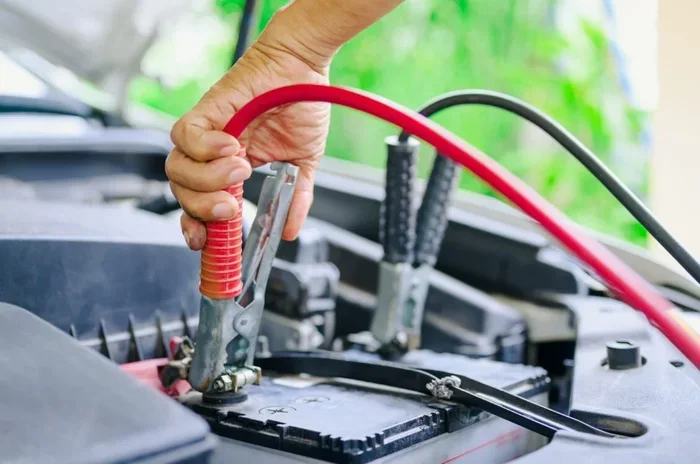
Step 1: Disconnect the Battery. Safety always comes first. Open your hood and disconnect the negative terminal of your car battery. This prevents any electrical shorts while you work on the bumper light wiring. Even though bumper light circuits carry low voltage, disconnecting the battery is a smart habit to build.
Step 2: Locate the Bumper Light Assembly. Open your car’s trunk or hood and look behind the bumper area where the light is mounted. You will see the bumper light housing held in place by screws or clips. Take a photo of the setup before you start so you can reference it later.
Step 3: Remove the Old Bumper Light. Unscrew or unclip the housing from the bumper. Carefully pull the assembly forward to access the back of the light. You will see the wiring connector plugged into the rear of the housing. Press the release tab and gently pull the connector free. Remove any mounting screws and take the old bumper light for car out.
Step 4: Prepare the New Bumper Light. Unbox your replacement bumper light assembly and check that it matches the old unit. If it comes with a new bulb, make sure the bulb type matches what your vehicle requires. Use electrical contact cleaner on the connector pins to ensure a clean connection.
Step 5: Install the New Bumper Light. Plug the wiring connector into the back of the new housing. Position the new unit in the bumper and secure it with the screws or clips you removed earlier. Make sure it sits flush and does not wiggle. Reconnect the battery and move to the next step.
Testing the New Bumper Light
Once the new bumper light for car is installed, turn the ignition on and test all the light functions. Turn the signal lever left and right and check that both the front and rear lights flash properly. Press the brake pedal and verify the tail and brake lights work. Put the car in reverse and confirm the backup lights illuminate. If everything works, you are done. If a light does not work, double-check the wiring connector and make sure the bulb is seated correctly in its socket.
Bumper Light Replacement Cost and Budget Tips
The cost of replacing a bumper light for car can vary quite a bit depending on several factors. Understanding what drives the price will help you make smart choices and avoid overpaying.
OEM vs Aftermarket Bumper Lights
OEM bumper light replacement parts typically cost between $50 and $200 per unit, depending on your vehicle. Aftermarket options range from $15 to $100 for the same type of part. The price difference comes down to materials, brand reputation, and build quality. For most drivers, a quality aftermarket LED bumper light offers the best value. You get reliable performance at a fraction of the OEM price. Just make sure the aftermarket part has good reviews and fits your vehicle correctly.
DIY Savings vs Professional Installation
If you take your car to a mechanic for bumper light replacement, you can expect to pay between $100 and $300 per light, including labor. The actual part cost is only a portion of that total. The rest covers the shop’s labor rate, which typically runs $75 to $150 per hour. Since a bumper light replacement takes less than an hour, the labor charge is often higher than the part itself. By doing it yourself, you can save $100 or more per light. The process is straightforward, and there are countless video tutorials available online to guide you through each step.
Budget-Friendly Tips
Here are some quick tips to save money on your bumper light for car replacement:
- Buy replacement bulbs separately if only the bulb has failed and the housing is still in good shape.
- Purchase parts online from reputable retailers rather than the dealership markup.
- Replace both sides at the same time if the lights are the same age, so you do not face the same job again in a few months.
- Look for combo deals that include bulbs, connectors, and clips at a discounted price.
- Check for recalls or technical service bulletins from your car manufacturer that may cover the cost of a free replacement.
Expert Maintenance Tips for Long-Lasting Bumper Lights
Replacing your bumper light for car is only half the battle. Proper maintenance keeps your lights working at their best for years to come. Follow these expert tips to get the most out of every bumper light on your vehicle.
Regular Cleaning Habits
Dirt, road grime, and bug splatter build up on your bumper lights over time and reduce their brightness. Make it a habit to clean your bumper light housing and lenses every time you wash your car. Use a mild automotive soap and a soft microfiber cloth. Avoid abrasive cleaners or rough sponges that can scratch the lens cover. For foggy or yellowed lenses, a headlight restoration kit works wonders and can restore up to 80 percent of light output. Clean bumper lights not only look better but also perform better on the road.
Wiring and Connector Care
The wiring behind your bumper light for car is exposed to road conditions, moisture, and temperature changes. Over time, connectors can corrode or loosen. Periodically inspect the wiring harness behind your bumper lights. Look for green or white corrosion on the connector pins and clean it with electrical contact cleaner. If you notice any frayed wires or damaged insulation, replace the harness before it causes a short circuit. A small investment in connector maintenance can prevent a costly electrical repair down the road.
Protect Your Bumper Lights from Damage
Bumper lights sit low on your vehicle and are vulnerable to damage from road debris, parking bumps, and minor collisions. Consider installing a bumper light guard or protective film to add an extra layer of defense. When parking, try to avoid tight spaces where your bumper lights are at risk of being scraped by other vehicles or walls. Taking these simple precautions can significantly extend the life of your bumper light assembly and save you from repeat replacements.
Upgrade When the Time Is Right
If your car still has old halogen bumper lights, consider upgrading to LEDs when the time comes for replacement. The improved visibility, energy efficiency, and longer lifespan make LEDs a worthwhile upgrade for any vehicle. LED bumper lights for car are now available for almost every make and model on the market. The installation process is the same as a standard replacement, so you can upgrade without any extra hassle.
Conclusion
Your bumper light for car is a small part that plays an enormous role in your daily driving safety. From signaling your turns to lighting your path in foggy conditions, these lights keep you visible and connected to every other driver on the road. Replacing a failing bumper light does not have to be expensive, complicated, or stressful. With the right knowledge, basic tools, and a little confidence, you can handle the job yourself in under an hour. Whether you choose an LED upgrade or a straightforward halogen replacement, the key is to act quickly when you notice the first signs of failure. Keep your bumper lights clean, check your wiring regularly, and never ignore a flickering or dim light. Your safety and the safety of everyone around you depends on it. Take charge of your vehicle’s maintenance today, and make sure every bumper light for car on your vehicle is working perfectly.
Frequently Asked Questions
How long does it take to replace a bumper light for car?
Most drivers can replace a bumper light for car in 20 to 45 minutes. The time depends on your vehicle model, how accessible the light is, and whether you are replacing just the bulb or the entire assembly. If you have done it before, it will be even faster.
Can I drive with a broken bumper light?
It is not recommended to drive with a broken bumper light. In most states and countries, driving with a non-functioning light is illegal and can result in a traffic ticket. More importantly, a broken bumper light reduces your visibility and makes your vehicle less safe for you and other drivers on the road.
What is the average cost of bumper light replacement?
The cost of a bumper light for car replacement ranges from $15 for a simple aftermarket bulb to $200 or more for a full LED assembly. If you visit a mechanic, labor costs will add $75 to $150 per light. DIY replacement saves you the labor fee entirely and is the most budget-friendly option.
Are LED bumper lights better than halogen?
Yes, LED bumper lights are generally better than halogen in almost every way. They use less power, last significantly longer, produce brighter and whiter light, and turn on instantly. The main downside is a slightly higher upfront cost, but the long-term savings and performance benefits make LEDs the superior choice for most drivers.
Can I replace a bumper light myself without any mechanical experience?
Absolutely. Replacing a bumper light for car is one of the easiest automotive repairs you can do at home. It requires no special mechanical skills, just basic tools like a screwdriver and socket wrench. If you can change a light bulb in your house, you can replace a car bumper light. There are many video tutorials available online to walk you through each step.
How do I know which bumper light bulb to buy for my car?
Check your vehicle’s owner manual for the exact bulb type and size. You can also look at the old bulb you are removing, as it will have a part number printed on it. Common types include H4, H7, H11, and 9005 for different bumper light applications. Make sure to match the bulb type to your specific bumper light housing for the best fit and performance.