Black Tinted Glass for Car Everything You Should Know
Black tinted glass for cars offers superior heat rejection, UV protection, and a sleek, premium look. This guide covers everything from legal limits and tint types to costs and installation tips. Whether you are a car enthusiast or a first-time buyer, you will find practical advice to make the best choice for your vehicle.
Key Takeaways
- Heat and Glare Reduction: Black tinted glass for cars blocks significant solar heat and reduces road glare for a safer, more comfortable drive.
- UV Protection: Quality tint films block up to 99% of harmful UV rays, protecting your skin and preserving your car interior.
- Legal Compliance Matters: Tint laws vary by state and country, so always check local regulations before tinting your windows.
- Multiple Tint Types: Dyed, carbon, ceramic, and metallic films each offer different levels of performance, appearance, and price.
- Cost Range: Professional installation typically costs between $100 and $400 per window, depending on film quality and vehicle type.
- Professional vs DIY: While DIY kits save money, professional installation ensures a bubble-free, long-lasting finish.
- Longevity: With proper care, quality black tint can last 5 to 10 years or more.
📑 Table of Contents
- Black Tinted Glass for Car: A Complete Guide You Need to Read
- What Is Black Tinted Glass for Cars?
- Benefits of Black Tinted Glass for Your Car
- Types of Black Tint Film Available
- Legal Tint Limits You Must Know
- How Much Does Black Tint for Cars Cost?
- How to Choose the Right Black Tint for Your Car
- Common Mistakes to Avoid When Tinting Your Car
- How Long Does Black Car Tint Last?
- Conclusion
Black Tinted Glass for Car: A Complete Guide You Need to Read
Black tinted glass for car windows has become one of the most popular upgrades for vehicle owners. Whether you want a sleek look or better protection from the sun, this type of tint delivers on both fronts. But there is a lot more to know than just picking the darkest shade available.
In this guide, we will walk you through everything you need to know about black tinted glass for cars. From understanding tint types and legal limits to estimating costs and finding the right installer, we have you covered. By the end, you will feel confident making the best decision for your vehicle.
The sun can do a lot of damage. It fades your dashboard, heats up your car interior, and even harms your skin during long drives. Black window tint helps fight all of these problems. It also gives your car a polished, premium appearance that turns heads on the road.
What Is Black Tinted Glass for Cars?
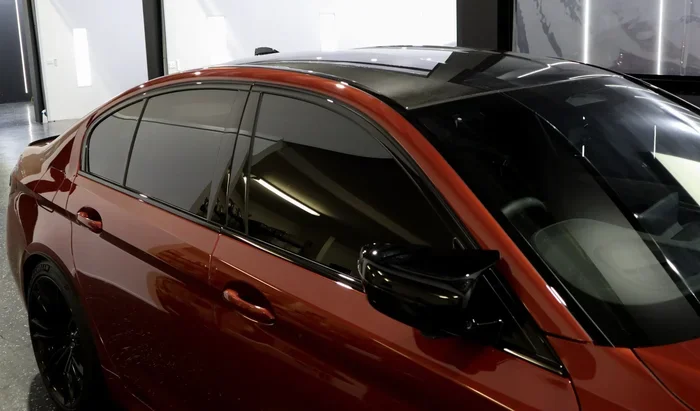
Black tinted glass for cars refers to window film or treated glass that has a dark, opaque appearance. This tint is applied to the side windows, rear windshield, or even the front windshield of a vehicle. The tint works by reducing the amount of light and heat that passes through your car windows.
Most tint films are made from multiple layers. These layers include an adhesive backing, a tint layer, and a protective coating. Together, they create a barrier between your car interior and the outside environment. The result is a darker, more private cabin that stays cooler and safer.
How Does Black Tint Work?
The science behind black tinted glass is simpler than you might think. The tint film contains dyes, metals, or ceramic particles that absorb and reflect sunlight. This process reduces the amount of solar energy entering your car. Less energy means less heat, less glare, and less UV exposure.
Different tint materials work in slightly different ways. For example, dyed film absorbs heat, while ceramic film reflects it. Both approaches are effective, but ceramic tends to perform better overall. We will explore these differences in more detail later in this guide.
Benefits of Black Tinted Glass for Your Car
There are many reasons car owners choose to install black tinted glass on their vehicles. Let us break down the biggest benefits you can expect.
Heat Rejection and Comfort
One of the top reasons people tint their car windows is to reduce heat. Black tint film can block a significant portion of solar energy. On a hot summer day, your car interior stays much cooler compared to untinted windows.
This means less reliance on your air conditioning system. Less AC use leads to better fuel efficiency over time. You also avoid that uncomfortable blast of scorching air when you first get into your car after parking.
UV Protection for Skin and Interior
Harmful UV rays are a real concern. Prolonged exposure can cause skin damage and even increase the risk of skin cancer. Quality black tinted glass for car windows blocks up to 99% of UV rays. This protects both you and your passengers during every drive.
Your car interior also benefits. UV rays fade leather seats, crack dashboards, and damage trim pieces over time. Tinting your windows slows down this aging process significantly. Your car interior stays looking newer for longer.
Glare Reduction for Safer Driving
Glare from the sun or headlights from other vehicles can be dangerous. It strains your eyes and reduces your ability to see the road clearly. Black tint film reduces glare substantially, making driving safer and more comfortable.
This is especially helpful during early morning or late afternoon drives when the sun sits low. It also helps at night when oncoming headlights can be blinding. Less glare means less eye fatigue and better focus on the road ahead.
Privacy and Security
Privacy is another major benefit of dark window tint. When your windows are tinted, people outside cannot easily see into your car. This protects your belongings from prying eyes and potential theft.
Many car owners also feel safer knowing that their windows are more shatter-resistant. Tint film holds glass pieces together in case of an accident or break-in. This added layer of protection gives peace of mind every time you drive.
Aesthetic Appeal
Let us not forget the look. Black tinted glass gives any car a sleek, stylish, and premium appearance. It is one of the most popular cosmetic upgrades for both new and used vehicles. Whether you drive a sedan, SUV, or truck, tinted windows instantly elevate the overall look.
Many car enthusiasts choose tint to complete the stock appearance of their vehicle. It adds a touch of sophistication without being overly flashy. The result is a car that looks polished and well-maintained.
Types of Black Tint Film Available
Not all tint films are the same. Understanding the different types helps you choose the right one for your needs and budget. Here are the most common options available for black tinted glass for cars.
Dyed Window Tint
Dyed tint is the most affordable option on the market. It uses a layer of dye to absorb heat and reduce light transmission. The appearance is a rich, dark black finish that looks great on any vehicle.
However, dyed tint has some downsides. It tends to fade over time, especially with prolonged sun exposure. The heat rejection is also lower compared to more advanced films. If you are on a tight budget, dyed tint is a decent starting point.
Carbon Window Tint
Carbon tint offers better performance than dyed film. It does not fade because it lacks dye. The matte black finish gives a modern, sophisticated look that many car owners prefer.
Carbon film also provides excellent heat rejection. It blocks a good amount of solar energy without interfering with electronic signals. This means your GPS, phone connectivity, and radio will work without any disruption.
Ceramic Window Tint
Ceramic tint is the premium choice. It uses nano-ceramic particles to deliver the highest level of heat rejection available. The black tint looks rich and deep without any metallic shine.
Ceramic film does not interfere with electronics either. It also offers superior UV protection and clarity. The downside is the higher cost. If you want the best performance and are willing to invest, ceramic tint is hard to beat.
Metallic Window Tint
Metallic tint contains tiny metal particles that reflect heat and light. It provides strong heat rejection and a mirror-like reflective appearance. The black shade looks very dark and dramatic.
The main concern with metallic tint is signal interference. It can disrupt GPS, cell phone, and radio signals. It is also slightly more reflective, which may draw attention. Some car owners love the look, while others prefer a more subtle finish.
Legal Tint Limits You Must Know
Before you tint your car windows, you need to understand the legal requirements. Window tint laws vary widely from one location to another. Ignoring these laws can lead to fines, failed inspections, or even having your tint removed.
Understanding VLT Percentages
Visible Light Transmission (VLT) is the measurement used to describe how much light a tint allows through. The lower the VLT percentage, the darker the tint. For example, a 5% VLT tint is very dark, while a 70% VLT tint is barely noticeable.
Most regions have specific VLT limits for different windows. The front side windows usually have stricter rules than the rear windows. The windshield also has its own set of regulations, often allowing only a thin strip at the top.
Common Legal Limits by Region
In the United States, tint laws differ from state to state. Some states allow very dark tints on rear windows, while others restrict them. In the European Union, the front side windows must typically allow at least 70% VLT.
In countries like the UAE and Saudi Arabia, darker tints are more common and legally accepted. Always check your local laws before purchasing or installing black tinted glass for car windows. When in doubt, consult a professional tint installer who knows the local regulations.
Medical Exemptions
Some regions allow medical exemptions for darker tint. People with certain skin conditions or light sensitivity may qualify for special permits. These exemptions usually require a doctor’s note and approval from local authorities.
If you think you might qualify, contact your local Department of Motor Vehicles or equivalent agency. They can provide the necessary forms and guidance. Medical exemptions give you more flexibility while staying within the law.
How Much Does Black Tint for Cars Cost?
The cost of tinting your car windows depends on several factors. Understanding these factors helps you set a realistic budget and avoid surprises. Here is a detailed look at what you can expect.
Factors That Affect Tint Cost
The type of tint film you choose is the biggest cost factor. Dyed film is the least expensive, while ceramic film costs significantly more. The size and number of your car windows also matter. Larger vehicles like SUVs and trucks cost more to tint than compact cars.
Your location plays a role too. Labor costs vary by region, and so does the availability of skilled installers. The reputation and experience of the installer also influence the price. A highly rated professional may charge more, but the quality of work is usually worth it.
Average Cost Breakdown
Here is a general cost breakdown for tinting different windows on a standard sedan:
- Front Side Windows: $50 to $100 per window
- Rear Side Windows: $40 to $80 per window
- Rear Windshield: $80 to $150
- Full Car Package: $200 to $500
Premium films like ceramic tint will cost more, sometimes $50 to $100 extra per window. However, the performance and durability justify the investment for many car owners. Think of it as a long-term upgrade that adds value to your vehicle.
DIY Tint Kits vs Professional Installation
DIY tint kits are available online and at auto parts stores. They cost much less than professional installation, often $20 to $50 per window. However, they require patience, skill, and the right tools to apply correctly.
Professional installation ensures a clean, bubble-free finish. Experienced installers also know how to handle curved windows and tricky edges. For most car owners, the extra cost of professional installation is well worth the peace of mind and superior results.
How to Choose the Right Black Tint for Your Car
Choosing the right tint involves balancing several factors. You need to consider your goals, budget, local laws, and personal preferences. Here is a step-by-step guide to help you decide.
Step 1: Define Your Priorities
Start by asking yourself what you want from your tint. Is it heat reduction, UV protection, privacy, or aesthetics? If heat rejection is your top priority, look for ceramic or carbon films. If privacy matters most, choose a darker shade with a lower VLT percentage.
Many car owners want a balance of all these factors. In that case, a high-quality carbon or ceramic tint is the best choice. It delivers strong performance across the board without breaking the bank.
Step 2: Check Local Laws
Always verify the legal tint limits in your area before making a purchase. Choose a tint shade that complies with regulations for your front side windows and windshield. You can tint rear windows darker in most regions, but front windows have stricter rules.
Keeping a copy of your tint receipt and a certification sticker can help during inspections. Some installers provide these documents automatically. Having them on hand saves you from potential legal issues down the road.
Step 3: Pick Your Tint Type
Based on your priorities and budget, select a tint type. Dyed film works well for basic privacy and a dark look on a tight budget. Carbon film offers better heat rejection and durability. Ceramic film delivers top-tier performance for those willing to invest more.
Consider the climate you live in too. If you experience very hot summers, investing in a higher-quality film pays off quickly through reduced AC usage and better comfort.
Step 4: Choose a Reputable Installer
Look for installers with strong reviews and proven experience. Ask to see examples of their previous work. A good installer uses high-quality materials, cleans the workspace thoroughly, and provides a warranty on their work.
Do not rush the decision. Take your time, compare options, and choose a provider you feel comfortable with. The quality of installation directly affects how long your tint lasts and how it looks over time.
Common Mistakes to Avoid When Tinting Your Car
Even with the best intentions, mistakes happen during the tinting process. Being aware of common pitfalls helps you avoid them and get the best results from your black tinted glass for car investment.
Choosing the Darkest Shade Without Checking Laws
The most common mistake is picking the darkest tint without checking local regulations. You may love the look, but if it is illegal, you will face fines and the hassle of removing it. Always choose a shade that meets legal requirements first.
Skipping Quality for a Lower Price
Cheap tint films may seem like a great deal at first. But they often fade, bubble, or peel within a year or two. Investing in a quality film from a reputable brand saves you money and frustration in the long run.
Ignoring the Warranty
Many quality tint films come with a manufacturer warranty. Some installers also offer a workmanship warranty. Ignoring these warranties means you may pay for replacements or repairs that could have been covered. Always ask about warranties before committing.
Not Caring for Your Tint Properly
Your tint needs some care to last. Avoid rolling down your windows for at least 48 hours after installation. Use a soft cloth and gentle cleaner to wipe the windows. Harsh chemicals and abrasive materials can damage the tint film over time.
How Long Does Black Car Tint Last?
The lifespan of your tint depends on the film quality, installation skill, and how well you maintain it. On average, black tinted glass for car windows lasts between 5 and 10 years with proper care.
Dyed films tend to last 3 to 5 years before showing signs of fading. Carbon films can last 5 to 7 years. Ceramic films are the most durable and can last 10 years or more. Investing in a premium film and professional installation gives you the longest-lasting results.
Signs that your tint needs replacement include bubbling, peeling, fading, or cracks. If you notice any of these issues, consult a professional to assess the damage and recommend the best solution.
Conclusion
Black tinted glass for cars is a smart investment that delivers real benefits. From heat rejection and UV protection to privacy and style, the advantages are clear. Whether you choose a budget-friendly dyed film or a premium ceramic option, you are making a choice that enhances your driving experience.
Remember to check your local tint laws, choose a quality film, and work with a reputable installer. Take care of your tint after installation, and it will look great for many years to come. With the right approach, your car will look better, feel more comfortable, and offer superior protection on every drive.
Now that you have all the information you need, it is time to take action. Research tint providers in your area, compare options, and schedule your installation. Your car and your comfort will thank you for it.
FAQs
Is black tinted glass for cars legal everywhere?
No, tint laws vary by location. Some areas allow very dark tints, while others have strict limits on how dark your windows can be. Always check your local regulations before tinting your car windows to avoid fines or penalties.
Can I tint my car windows myself?
Yes, DIY tint kits are available and cost much less than professional installation. However, they require patience and skill to apply correctly. Mistakes like bubbles, creases, or misalignment are common with DIY kits. For the best results, professional installation is recommended.
Does black tint block UV rays?
Yes, quality black tint film blocks up to 99% of harmful UV rays. This protects your skin and prevents your car interior from fading and cracking. Ceramic and carbon films offer the strongest UV protection among all tint types.
How long does it take to tint car windows?
A full car tint job typically takes 2 to 4 hours when done by a professional. The time depends on the number of windows, the type of vehicle, and the complexity of the installation. DIY projects may take longer, especially for beginners.
Will tint affect my phone or GPS signal?
Metallic and some dyed tints can interfere with electronic signals. Ceramic and carbon tints, however, do not block signals. If you rely heavily on GPS or phone connectivity, choose a non-metallic tint film for your car.
How much does it cost to tint a car with black film?
The cost ranges from $200 to $500 for a full car package with standard film. Premium films like ceramic tint can cost $400 to $800 or more. The final price depends on the film type, vehicle size, and your location.