BHP Full Form in Car What It Means and Why You Should Know
BHP stands for Brake Horsepower, and it is one of the most important car metrics you will encounter. Understanding the BHP full form in car helps you make sense of engine performance numbers when shopping for a vehicle. This guide breaks down everything you need to know about brake horsepower, from how it is measured to why it matters for your next car buying guide.
Have you ever looked at a car spec sheet and wondered what all those numbers really mean? One term that pops up everywhere is BHP. If you have ever asked yourself what the BHP full form in car actually stands for, you are not alone. Brake Horsepower is one of the most talked-about car metrics in the automotive world. It shapes how we understand engine performance and compare vehicles.
Whether you are a first-time buyer or a car enthusiast, knowing what BHP means can change the way you shop. It is not just a random number on a brochure. It tells you a lot about how a car will drive, accelerate, and feel on the road. In this article, we will break down the BHP full form in car in simple terms. You will learn how it is measured, why it matters, and how to use it when comparing different vehicles.
By the end, you will have a clear picture of brake horsepower and its role in car engine power. No jargon. No confusion. Just straight facts that help you make smarter decisions. Let us dive in.
Key Takeaways
- BHP stands for Brake Horsepower: It measures the engine power output at the crankshaft before losses from accessories.
- BHP differs from torque: BHP focuses on speed and work rate, while torque measures rotational force.
- Higher BHP means faster acceleration: But it is not the only factor that determines real-world performance.
- BHP varies by engine type: Petrol, diesel, and electric motors all produce different BHP figures.
- BHP-to-weight ratio matters most: A lighter car with moderate BHP can outperform a heavier car with more BHP.
- Always compare BHP under the same conditions: Different testing standards can produce different numbers for the same engine.
📑 Table of Contents
What Does the BHP Full Form in Car Mean?
The BHP full form in car is Brake Horsepower. This term has been used for over a century to describe how much power an engine can produce. But the name can be a little confusing. Why “brake”? That is a great question, and the answer goes back to how engines were tested long ago.
The Full Form Explained
Brake Horsepower refers to the power an engine produces before any losses from accessories like the alternator, water pump, or gearbox. Think of it as the raw power coming straight from the engine. When engineers measure BHP, they attach a device called a dynamometer to the engine’s crankshaft. This device applies a load, or a “brake,” to measure how much force the engine can handle.
The word “brake” in BHP does not mean slowing down. It comes from the braking mechanism used in the testing equipment. The engine works against this brake to produce measurable power. That is why the result is called brake horsepower. It is essentially the maximum power output the engine can generate on its own, before anything steals from it.
A Brief History of BHP
The concept of measuring engine power dates back to the 1700s. James Watt, the famous inventor, wanted to compare the output of steam engines to horses. He came up with the term “horsepower” to make the comparison easy to understand. Over time, engineers refined the measurement and introduced the “brake” method to get more accurate readings.
Today, BHP is still widely used across the globe. In the UK, Australia, and many other countries, it is the standard way to express horsepower rating. In the US, you will also see horsepower (HP) and kilowatts (kW) used alongside brake horsepower. Each metric has its own testing standard, but they all aim to answer the same question: how powerful is this engine? Another related term you may see is metric horsepower, which is slightly different from the imperial horsepower. Metric horsepower (often written as PS or cv) is based on a slightly different calculation but serves the same purpose.
Quick Tips: Remembering the Full Form
Here is a simple way to remember the BHP full form in car. Just think of it as the power your engine makes before anything steals from it. The “brake” part refers to the testing tool, not slowing the car down. Next time you see BHP on a spec sheet, you will know exactly what it means and why it matters.
How BHP Is Measured
Measuring BHP is not as simple as just looking at an engine. It requires specialized equipment and controlled conditions. Understanding the process helps you trust the numbers you see in vehicle specifications. The most common method involves a dyno test, which has become the industry standard for measuring engine performance.
The Role of the Dynamometer
A dyno test is the most common way to measure brake horsepower. A dynamometer, often called a “dyno,” connects directly to the engine’s output shaft. The device applies resistance and measures how much power the engine can produce at different RPM levels. During the test, the engine is run at full capacity while the dyno records force and rotational speed. From these readings, engineers calculate the power output in horsepower or kilowatts. This gives us the BHP full form in car number we see on spec sheets.
There are two main types of dynamometers used in the industry:
- Engine dyno: This measures power directly at the engine crankshaft. It gives the truest BHP reading because nothing is connected between the engine and the measuring device. This is the number most commonly listed in car engine power specifications.
- Chassis dyno: This measures power at the wheels. Because of drivetrain losses from the gearbox, axles, and differential, the number is usually lower than what an engine dyno would show. This is sometimes called “wheel horsepower.”
When you see BHP listed in vehicle specifications, it is almost always the engine dyno figure. This is the number closest to the raw power output of the engine itself, before any losses occur in the drivetrain.
BHP vs Torque
Torque is another key car metric that often gets confused with BHP. While they are related, they measure different things. Torque is the rotational force an engine produces. It is what you feel when you press the accelerator and the car surges forward. BHP, on the other hand, is about how quickly that work gets done. It combines torque with engine speed to give you a full picture of engine performance.
Here is a simple way to think about it:
- Torque = the strength of the push
- BHP = how fast that push happens
Both numbers matter for a complete picture. A truck might have high torque but moderate BHP. A sports car might have high BHP and strong torque too. When looking at performance figures, always check both numbers to get the full picture of how the engine will perform.
Common Mistakes People Make About BHP Numbers
One of the biggest mistakes buyers make is comparing BHP numbers without context. A car with 200 BHP is not always faster than one with 180 BHP. The BHP-to-weight ratio, transmission type, and aerodynamics all play a role. Always look at the full vehicle specifications before drawing conclusions based on BHP alone.
Another mistake is ignoring the testing standard. Different countries use different methods to measure brake horsepower. Some test at the crankshaft, others at the wheels. Some use the SAE standard, while others use DIN or ECE standards. These differences can lead to confusing numbers when comparing cars from different markets. Always check which standard was used when reviewing performance figures and doing any car comparison.
Why BHP Matters When Buying a Car
If you are shopping for a new car, BHP is one of the first numbers you will look at. And for good reason. It gives you a quick snapshot of how much car engine power you are getting. But there is more to it than just the number on paper. Understanding how BHP affects real driving will help you make a much better choice.
BHP and Acceleration
Acceleration capability is directly linked to brake horsepower. The more power an engine produces, the faster the car can go from 0 to 60 mph. This is why sports cars and performance vehicles often have very high BHP ratings. If quick acceleration matters to you, paying attention to BHP is essential.
However, acceleration also depends on the car’s weight. A lightweight car with 150 BHP can accelerate faster than a heavy SUV with 250 BHP. This is why the BHP-to-weight ratio is such a useful metric. It tells you how much power you have for every kilogram of weight, giving you a more accurate sense of real-world acceleration than BHP alone.
BHP and Top Speed
Top speed is another area where BHP plays a big role. Higher horsepower rating generally means a higher top speed. This is why supercars and hypercars have massive BHP numbers. They are designed to go very fast and sustain high speeds on highways and tracks.
But top speed is not just about raw power. Aerodynamics, gearing, and weight all contribute. A car with 300 BHP and excellent aerodynamics will reach a higher top speed than a car with 300 BHP but a boxy shape. When you are reading car comparison data, keep this in mind. The highest BHP number does not always mean the fastest car.
BHP and Real-World Driving Feel
In everyday driving, BHP affects how the car responds to your inputs. A higher BHP engine will generally feel more responsive and eager. It will pull harder at higher speeds and make overtaking on highways easier and more confident.
That said, engine displacement and torque delivery also shape the driving experience. A diesel engine might have lower BHP than a petrol engine but feel more lively in daily driving because of its strong low-end torque. Engine tuning and transmission tuning also play a huge role in how a car feels on the road. Two cars with the same BHP can feel completely different depending on how the engine is mapped and how the gearbox responds.
BHP Across Different Engine Types
Not all engines produce BHP the same way. The type of engine, its fuel source, and its design all influence the power output numbers you see. Let us look at how BHP differs across engine types so you can better understand what to expect.
Petrol vs Diesel BHP
Petrol and diesel engines are built differently, and this shows in their BHP figures. Petrol engines typically produce higher BHP at higher RPMs. They are designed for speed and responsiveness. Diesel engines, on the other hand, tend to produce more torque at lower RPMs and often have lower peak BHP.
This does not mean diesel engines are weak. Many diesel cars deliver excellent real-world performance because their torque comes on strong from low revs. When comparing vehicle specifications, always look at both BHP and torque to understand the full picture. A diesel sedan might have 150 BHP but feel stronger in everyday driving than a petrol engine making 180 BHP.
Electric Motors and BHP Equivalents
Electric vehicles (EVs) do not have traditional engines, but they still have power ratings. Many EV manufacturers list their output in kilowatts or convert it to BHP for easier comparison. An electric motor delivers power output instantly, which is why EVs often feel incredibly quick even with modest BHP numbers.
When looking at electric motor specs, the BHP full form in car concept still applies. It tells you how much work the motor can do. But because electric motors deliver torque from zero RPM, the driving experience is very different from a petrol or diesel car with the same BHP rating. The instant delivery of electric power means the car feels snappier and more responsive in real-world driving.
Small Engines with Big BHP
Modern engine tuning techniques have made it possible for small engines to produce impressive BHP numbers. Turbocharging and supercharging force more air into the engine, which allows it to burn more fuel and produce more power. This is why you will see tiny 1.0-litre engines in some cars producing over 100 BHP, while older naturally aspirated engines of the same size made far less.
On the other end of the spectrum, you have massive engines with huge displacement that naturally produce a lot of BHP. A big V8 engine might make 400+ BHP without any forced induction. Both approaches have their merits, and the best choice depends on your needs, budget, and preferences. When shopping, always consider the CC rating alongside BHP to understand the engine’s overall character.
Comparing BHP Across Popular Car Types
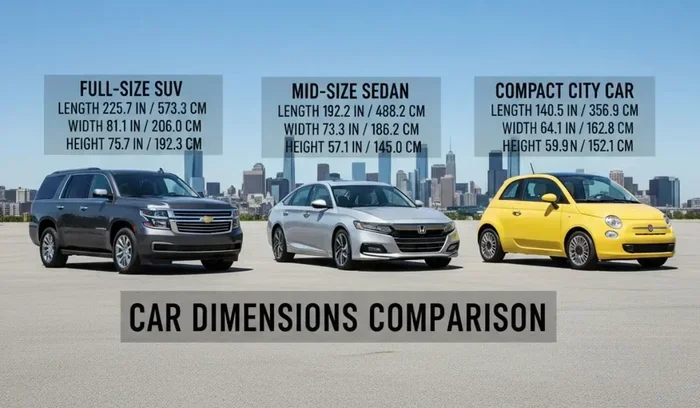
To give you a clearer picture, here is a simple comparison of typical BHP ranges across different car types:
| Car Type | Typical BHP Range | Best For |
|---|---|---|
| City Hatchback | 60 – 120 BHP | Fuel efficiency and easy parking |
| Family Sedan | 120 – 200 BHP | Comfortable daily driving and highway cruising |
| Sporty Coupe | 200 – 350 BHP | Performance and spirited driving |
| Sports Car | 350 – 550 BHP | High-speed driving and track use |
| Supercar | 550+ BHP | Maximum speed and extreme acceleration |
These ranges are approximate and can vary significantly based on the specific engine, tuning, and modifications. Always use the BHP full form in car as a starting point and then dig deeper into the full vehicle specifications before making any judgments.
How to Use BHP When Comparing Cars
Now that you understand what BHP means, let us talk about how to use it when comparing cars. Simply looking at the biggest number does not always lead to the best choice. Smart buyers look at the bigger picture.
The BHP-to-Weight Ratio
The BHP-to-weight ratio is one of the most useful tools for comparing car metrics. It tells you how much power each kilogram of the car has to work with. To calculate it, divide the BHP by the car’s weight in kilograms and multiply by 1000. The result gives you BHP per tonne, which is a much fairer way to compare cars of different sizes.
For example:
- Car A: 200 BHP, 1000 kg = 200 BHP per tonne
- Car B: 250 BHP, 1500 kg = 167 BHP per tonne
Even though Car B has more BHP, Car A will likely feel quicker and more agile because it has more power per kilogram. This is a crucial concept in any car comparison and something many buyers overlook. Always calculate or look up the BHP-to-weight ratio when comparing two cars side by side.
Other Metrics That Matter
BHP is important, but it is not the only metric that matters. When evaluating car engine power, consider these factors too:
- Torque curve: How does the engine deliver its force across the RPM range? A flat torque curve feels more usable in daily driving.
- Transmission type: A good gearbox can make a car feel faster even with the same BHP. Dual-clutch and CVT transmissions can optimize power delivery.
- Drivetrain: Front-wheel drive, rear-wheel drive, and all-wheel drive all affect how power reaches the road. AWD systems can put more of the BHP to the ground effectively.
- Aerodynamics: A sleeker car faces less air resistance, which helps at high speeds and during sustained acceleration.
- Tyre grip: All the BHP in the world does not help if the tyres cannot grip the road. Wider, stickier tyres make a big difference.
Think of BHP as one piece of a larger puzzle. The full vehicle specifications give you the complete picture of how a car will perform in real conditions.
Expert Insights: What Mechanics Look At
Experienced mechanics and automotive engineers rarely look at BHP in isolation. They examine the full engine performance profile. This includes the power band, which is the RPM range where the engine produces most of its power output. A broad power band means the engine is usable across more of its rev range, which translates to a better driving experience.
They also look at how the engine responds to throttle input. A well-tuned engine with moderate BHP can feel more engaging than a high-BHP engine that feels flat and lifeless. This is why test drives are so important. Numbers on paper only tell part of the story. The way a car responds to your right foot matters just as much as the BHP figure printed in the brochure.
When reading car buying guide reviews, pay attention to what the reviewer says about the driving experience. BHP numbers give you a starting point, but real-world feedback tells you what the car is actually like to live with every day. Trust your own test drive above all else.
Final Thoughts on BHP Full Form in Car
The BHP full form in car is Brake Horsepower, and understanding it gives you a real advantage when shopping for a vehicle. It tells you the raw engine performance potential of a vehicle before drivetrain losses. From acceleration capability to top speed, BHP plays a central role in how a car drives and feels.
But remember, BHP is just one piece of the puzzle. The BHP-to-weight ratio, torque delivery, and overall vehicle specifications all shape the real-world experience. Use BHP as a starting point for your car comparison, but dig deeper into the full picture before making a decision. A car with 180 BHP that is well-balanced and properly tuned will often outperform a car with 220 BHP that is poorly matched to its weight and drivetrain.
Next time you see brake horsepower on a spec sheet, you will know exactly what it means and how to use it. Armed with this knowledge, you will be a more confident and informed car buyer. And that is the real power of understanding the BHP full form in car. Keep learning, keep comparing, and happy driving.
Frequently Asked Questions
What does BHP stand for in a car?
BHP stands for Brake Horsepower. It measures the raw power an engine produces at the crankshaft before any losses from accessories or the drivetrain. This is one of the most common car metrics used in vehicle specifications around the world.
Is BHP the same as horsepower?
They are closely related but not exactly the same. BHP measures power at the engine crankshaft, while standard horsepower can be measured at different points. Brake horsepower is generally considered a more accurate representation of the engine’s true power output because it excludes parasitic losses from accessories.
Does higher BHP mean a faster car?
Higher BHP generally means better acceleration and higher potential top speed. However, the BHP-to-weight ratio, aerodynamics, and drivetrain also play major roles. A lighter car with less BHP can outperform a heavier car with more BHP in many real-world situations.
What is a good BHP for a daily driver?
For most daily drivers, a BHP range of 100 to 200 is more than enough. This provides a good balance of responsiveness and fuel efficiency. If you prefer spirited driving or frequently carry passengers, you might want to look at engines with 200 BHP or more as part of your car buying guide.
How is BHP different from torque?
BHP measures the rate at which work is done, combining torque with engine speed. Torque measures the rotational force the engine produces. While BHP affects top speed and acceleration at high RPMs, torque affects how strongly the car pulls from a standstill or at low speeds. Both are essential for understanding engine performance.
Can BHP be increased through engine tuning?
Yes, engine tuning can increase BHP by optimizing fuel delivery, ignition timing, and airflow. Turbocharging and supercharging are also popular methods. However, any modifications should be done carefully to maintain engine reliability and comply with local regulations and emissions standards.
=== CONCLUSION ===
The BHP full form in car is Brake Horsepower, and understanding it gives you a real advantage when shopping for a vehicle. From the dyno test process to the BHP-to-weight ratio, this guide has covered the essentials you need to know. BHP is not just a number on a brochure. It is a window into how a car will perform on the road, from the moment you press the accelerator to the top speed you can reach.
Use what you have learned here to make smarter comparisons, ask better questions, and ultimately find a car that matches your needs and driving style. The world of car engine power and engine performance becomes much clearer once you understand the basics of brake horsepower. Keep learning, keep comparing, and happy driving.