Does Toyota Operate in Africa and Why It Matters
Toyota has a strong and growing presence across Africa, operating in over 40 countries through manufacturing plants, assembly facilities, and a vast dealership network. The brand is a dominant force in the African automotive market, known for reliable pickup trucks, SUVs, and commercial vehicles. Toyota’s investment in Africa drives local employment, supports infrastructure, and makes vehicles more accessible to millions of African consumers.
Toyota is one of the biggest car brands in the world. And yes, Toyota operates in Africa in a big way. The company has built a massive presence across the continent over many decades. From pickup trucks to SUVs, Toyota vehicles are everywhere on African roads. But what exactly does Toyota do in Africa? And why does it matter so much?
This article covers everything you need to know about Toyota in Africa. We will look at where Toyota operates, what models they sell, how they support local economies, and what the future looks like. Whether you are a car buyer, a business owner, or just curious, this guide has you covered.
Key Takeaways
- Toyota operates in over 40 African countries through manufacturing, assembly, and distribution networks.
- The Toyota Hilux and Land Cruiser are among the most popular vehicles on the African continent.
- Toyota has assembly plants in South Africa, Kenya, and Nigeria, creating thousands of local jobs.
- Toyota’s presence boosts the African economy through local manufacturing and supplier partnerships.
- Affordable models and durable vehicles make Toyota a top choice for African consumers and businesses.
- Toyota invests in community development and sustainability across its African operations.
📑 Table of Contents
- The History of Toyota in Africa
- Toyota’s Manufacturing and Assembly in Africa
- Popular Toyota Models in Africa
- Why Toyota Matters for the African Economy
- Toyota’s Hybrid Technology in Africa
- Toyota’s Dealership and Service Network in Africa
- Challenges Toyota Faces in Africa
- The Future of Toyota in Africa
- Conclusion
The History of Toyota in Africa
Toyota’s journey in Africa started a long time ago. The brand first entered the African market in the mid-20th century. At that time, Africa needed tough, reliable vehicles. The roads were rough. The weather was harsh. Toyota saw an opportunity to fill that gap.
In the 1960s and 1970s, Toyota began exporting vehicles to African countries. The Toyota Land Cruiser became a favorite among explorers, aid workers, and government officials. It could handle any terrain. It rarely broke down. That reputation grew fast.
Early Expansion and Growth
By the 1980s, Toyota had expanded its reach across the continent. The company started setting up assembly plants in key markets. South Africa was one of the first major markets. Toyota built a strong manufacturing base there. Other countries followed suit over the years.
Today, Toyota operates in more than 40 African countries. The company has a network of dealerships, service centers, and parts suppliers. This wide reach makes Toyota one of the most accessible car brands in Africa.
Toyota’s Manufacturing and Assembly in Africa
Toyota does not just sell cars in Africa. The company also builds and assembles vehicles on the continent. This is a big deal. Local assembly means lower costs. It also creates jobs and supports the local economy.
South Africa: Toyota’s African Hub
South Africa is Toyota’s largest manufacturing base in Africa. The company operates a major plant in Durban. This plant produces several models for the South African market and for export to other African countries. Toyota South Africa is one of the top employers in the automotive sector.
The Durban plant makes vehicles like the Toyota Corolla and the Toyota Fortuner. These models are popular across the continent. South Africa also serves as a hub for Toyota’s distribution network in Southern Africa.
Assembly Plants in East and West Africa
Toyota has assembly operations in Kenya and Nigeria as well. In Kenya, Toyota works with local partners to assemble vehicles. This supports the East African market. In Nigeria, Toyota has a growing presence through assembly partnerships.
These assembly plants do more than just build cars. They create thousands of direct and indirect jobs. They also develop local supply chains. Small and medium businesses benefit from Toyota’s presence in these regions.
Popular Toyota Models in Africa
Toyota sells a wide range of vehicles in Africa. But some models stand out more than others. African buyers look for durability, affordability, and performance. Toyota delivers on all three fronts.
The Toyota Hilux: Africa’s Most Popular Pickup
The Toyota Hilux is the king of pickup trucks in Africa. It is used by farmers, construction companies, and families alike. The Hilux is tough. It handles rough roads and heavy loads with ease. It also has great fuel efficiency, which matters a lot in Africa.
Many African businesses rely on the Hilux for daily operations. It is a workhorse that earns its keep. The Hilux also holds its value well on the used car market. That makes it a smart investment for many buyers.
The Toyota Land Cruiser: Built for Africa
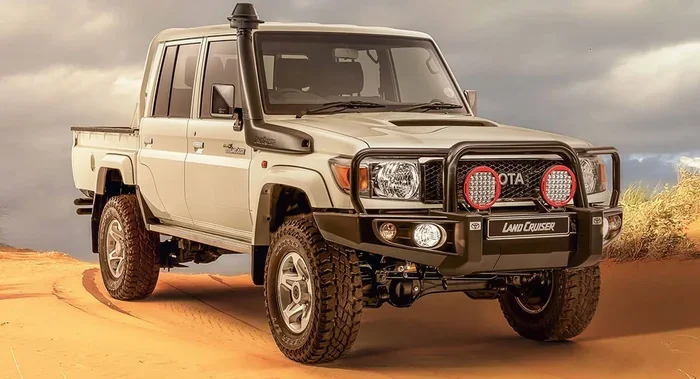
The Toyota Land Cruiser is another icon in Africa. It is the go-to vehicle for safaris, long-distance travel, and off-road adventures. The Land Cruiser is known for its reliability in extreme conditions. It handles heat, dust, and rough terrain like nothing else.
Governments and NGOs also use the Land Cruiser. It is a trusted vehicle in humanitarian and development work. The Land Cruiser may not be the cheapest Toyota model. But it is one of the most respected.
Other Popular Models
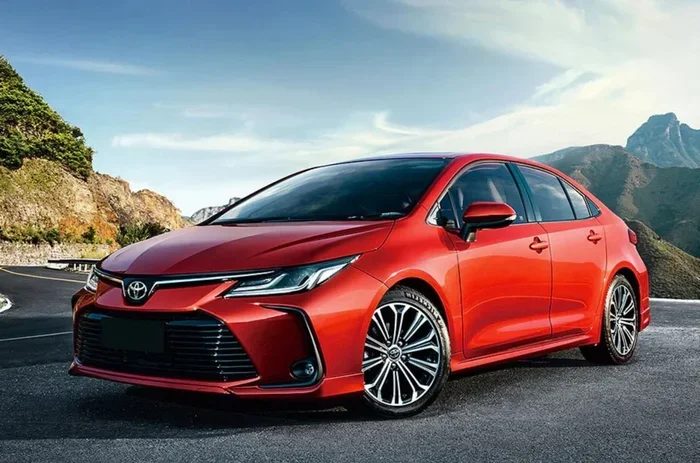
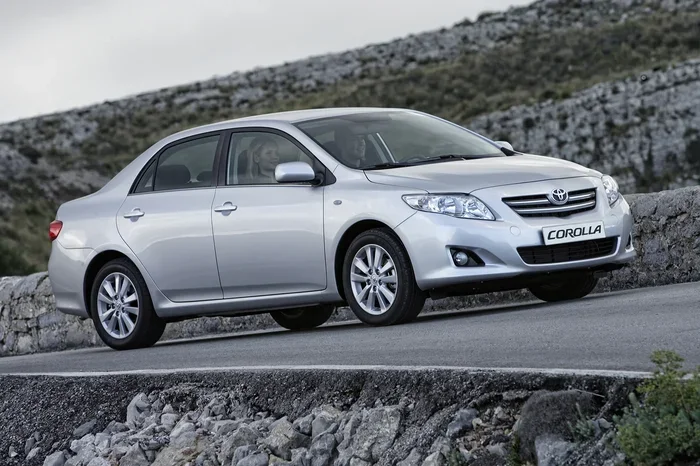
Toyota also sells several other models that do well in Africa. The Toyota Corolla is a popular choice for families and daily commuters. The Toyota RAV4 offers more space and comfort. The Toyota Yaris is an affordable option for budget-conscious buyers.
Toyota also offers 3-cylinder engine cars in some markets, which help with fuel economy. These smaller engines are great for city driving and fuel savings. If you are curious about Toyota’s engine options, you can explore what Toyota offers with 3-cylinder engines.
Why Toyota Matters for the African Economy
Toyota’s presence in Africa goes beyond just selling cars. The company plays a big role in the continent’s economy. Let us look at why Toyota matters so much.
Job Creation and Local Employment
Toyota employs thousands of people across Africa. These jobs are in manufacturing, sales, service, and distribution. The company also supports many indirect jobs through its supply chain and dealership network.
In South Africa alone, Toyota employs thousands of workers. These jobs support families and communities. The ripple effect of Toyota’s employment reaches far beyond the factory floor.
Supporting Local Suppliers and Businesses
Toyota works with many local suppliers across Africa. These suppliers provide parts, materials, and services. This helps small businesses grow and thrive. Toyota’s commitment to local sourcing strengthens the broader economy.
Many of Toyota’s suppliers are small and medium enterprises. By working with them, Toyota helps build a stronger industrial base in Africa. This is good for everyone.
Making Vehicles More Affordable
Local assembly and manufacturing help keep Toyota vehicles affordable. When cars are built closer to the market, shipping costs go down. Tariffs and import duties also decrease. This means African buyers get better prices.
Toyota also offers financing options in many African markets. This makes it easier for more people to buy a car. Affordable transportation changes lives. It gives people access to jobs, markets, and services.
Toyota’s Hybrid Technology in Africa
Toyota is a global leader in hybrid technology. But how does this fit into the African market? The short answer is: it is growing.
Toyota has introduced hybrid models in some African markets. The Toyota Prius and the Toyota Corolla Hybrid are available in select countries. Hybrid vehicles offer better fuel economy. They also produce fewer emissions. This is important for African cities dealing with air pollution.
If you are wondering how hybrid technology works in practice, Toyota’s hybrid systems recharge while driving. This means less time at the pump and lower running costs. For African drivers, fuel savings add up fast.
The Future of Hybrids in Africa
Toyota is investing in hybrid and electric vehicles for Africa. The company sees the potential for cleaner vehicles on the continent. However, challenges remain. Infrastructure for electric charging is still limited in many African countries.
Toyota is working to address these challenges. The company is exploring partnerships and investments in charging infrastructure. The goal is to make hybrid and electric vehicles accessible to more African consumers in the coming years.
Toyota’s Dealership and Service Network in Africa
One of the reasons Toyota is so successful in Africa is its service network. The company has dealerships and service centers across the continent. This makes it easy for owners to get help when they need it.
Toyota dealerships offer sales, service, and parts all in one place. This convenience is a big advantage. Customers can buy a vehicle, get it serviced, and find replacement parts without going far.
Parts Availability and After-Sales Support
Toyota parts are widely available in Africa. The company has invested in warehouse and distribution networks. This means genuine Toyota parts reach even remote areas. Reliable parts availability is crucial for keeping vehicles running.
Toyota also trains local technicians and mechanics. This builds skills and creates jobs. It also ensures that African Toyota owners get quality service no matter where they live.
Challenges Toyota Faces in Africa
Toyota’s journey in Africa is not without challenges. The company faces several hurdles that are unique to the African market.
Infrastructure and Road Conditions
Many African roads are in poor condition. Potholes, unpaved roads, and extreme weather take a toll on vehicles. Toyota designs its vehicles to handle these conditions. But the challenge of maintaining vehicles on rough roads is real.
Toyota addresses this through rugged vehicle designs and strong after-sales support. The company understands that African buyers need vehicles built to last.
Economic and Currency Challenges
Africa is a diverse continent with many different economies. Some countries face currency fluctuations and economic instability. This can affect car sales and pricing. Toyota adapts its strategies to each market.
The company offers flexible financing options and local pricing strategies. This helps Toyota stay competitive even in challenging economic environments.
Competition from Other Brands
Toyota faces competition from other global and local car brands in Africa. Brands like Nissan, Volkswagen, and Hyundai are also popular. Local brands are also gaining ground in some markets.
Toyota stays ahead through quality, reliability, and brand trust. The company’s reputation for durability gives it a strong edge. African buyers know that a Toyota will keep running.
The Future of Toyota in Africa
Toyota’s future in Africa looks bright. The company continues to invest in the continent. New models, new technologies, and new partnerships are on the horizon.
Toyota is committed to sustainable growth in Africa. The company is exploring electric and hybrid vehicles for African markets. It is also expanding its local manufacturing and assembly operations.
As Africa’s population grows and economies develop, demand for vehicles will increase. Toyota is well positioned to meet this demand. The brand’s strong reputation and deep roots in Africa give it a clear advantage.
Key Trends to Watch
- Growth in hybrid and electric vehicle sales in African markets.
- Expansion of Toyota’s assembly operations to more African countries.
- Increased investment in local supplier networks across the continent.
- Development of digital sales and service platforms for African customers.
- Focus on affordable mobility solutions for growing urban populations.
Toyota’s commitment to Africa is clear. The company is not just selling cars. It is building a future for the continent. That is why Toyota’s presence in Africa matters.
Conclusion
So, does Toyota operate in Africa? Absolutely. Toyota has a deep and lasting presence across the African continent. The company manufactures, assembles, and sells vehicles in more than 40 African countries. Toyota’s most popular models like the Hilux and Land Cruiser are built for African roads and conditions.
Toyota’s impact goes beyond just vehicles. The company creates jobs, supports local businesses, and makes transportation more affordable. Toyota’s investment in Africa helps drive economic growth and development. As the continent continues to grow, Toyota will be there.
If you are considering a Toyota vehicle, or just curious about the brand’s role in Africa, the story is clear. Toyota is a trusted partner in Africa’s journey forward. The company’s commitment to quality, reliability, and local development makes it a standout player on the continent.
Frequently Asked Questions
Does Toyota have manufacturing plants in Africa?
Yes, Toyota has manufacturing and assembly plants in several African countries. The main plant is in Durban, South Africa. Toyota also has assembly operations in Kenya and Nigeria. These plants produce vehicles for local markets and for export to other African countries.
What is the most popular Toyota vehicle in Africa?
The Toyota Hilux is the most popular Toyota vehicle in Africa. It is a rugged pickup truck that handles rough roads and heavy work. The Toyota Land Cruiser is also extremely popular, especially for off-road and safari use. Both models are known for their durability and reliability.
Does Toyota sell hybrid vehicles in Africa?
Yes, Toyota sells hybrid vehicles in select African markets. Models like the Toyota Corolla Hybrid and Toyota Prius are available in some countries. Hybrid sales are growing as more African consumers look for fuel-efficient options. Toyota is also investing in expanding its hybrid and electric lineup for Africa.
How does Toyota support the African economy?
Toyota supports the African economy in many ways. The company creates thousands of direct and indirect jobs. It also works with local suppliers and small businesses. Toyota’s assembly plants help keep vehicle prices affordable. The company also invests in community development programs across Africa.
Are Toyota vehicles affordable in Africa?
Toyota vehicles are generally considered affordable in Africa, especially compared to imported brands. Local assembly helps reduce costs. Toyota also offers financing options in many markets. The used car market for Toyota vehicles is strong, making them accessible to a wide range of buyers.
What does the future look like for Toyota in Africa?
Toyota’s future in Africa looks very promising. The company is expanding its manufacturing and assembly operations. It is also investing in hybrid and electric vehicle technology. Toyota remains committed to serving African consumers with reliable, affordable, and sustainable vehicles for years to come.