A Car Is Moving Along a Straight Road Explained Simply
When a car is moving along a straight road, several forces work together to keep it in motion. This guide breaks down the physics, mechanics, and safety tips behind straight-line driving in plain language. You will learn how speed, friction, and engine power affect your ride every single day.
Have you ever thought about what really happens when a car is moving along a straight road? It might seem like a simple thing. You turn the key, press the gas, and go. But there is a lot more going on than most people realize.
Every time you drive on a long, straight highway, physics is at work. Forces are pushing and pulling on your vehicle. Your engine is burning fuel. Your tires are gripping the pavement. And the air around you is pushing back. Understanding all of this helps you become a better, safer driver.
In this article, we will break everything down. We will explain the forces at play, how speed works, and why straight-line driving matters for safety. Whether you are a new driver or just curious, this guide has something for you. Let us dive in and make sense of it all.
Key Takeaways
- Newton’s First Law explains why a car stays in motion: an object in motion stays in motion unless acted upon by an external force.
- Multiple forces act on a car at all times: engine force, friction, air resistance, and gravity all play a role.
- Uniform motion on a straight road means constant velocity: no acceleration or deceleration is happening.
- Braking distance increases with speed: understanding this helps you drive safer on straight highways.
- Tire grip and road conditions matter greatly: wet or icy roads change how a car behaves on a straight path.
- Engine power and transmission work together: they determine how smoothly a car moves along a straight road.
- Straight-line driving has unique safety considerations: staying alert and maintaining lane discipline is essential.
📑 Table of Contents
- What Happens When a Car Is Moving Along a Straight Road?
- Forces Acting on a Vehicle During Straight-Line Driving
- Speed, Velocity, and Acceleration on a Straight Road
- Safety Considerations for Straight-Line Driving
- How the Engine and Transmission Work Together
- Common Mistakes Drivers Make on Straight Roads
- Key Takeaways
- Conclusion
What Happens When a Car Is Moving Along a Straight Road?
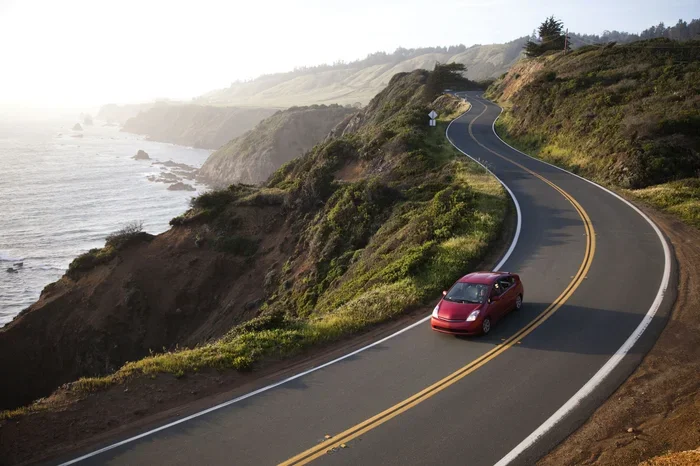
When a car is moving along a straight road, it is following a very specific path. The direction does not change. The car moves forward in a single line. This type of motion is called linear motion or rectilinear motion in physics.
Linear motion is one of the simplest forms of movement. It is the foundation of how we understand vehicles on roads. When you cruise on a highway with no turns, your car is a perfect example of this kind of motion.
The Basic Physics of Straight-Line Motion
Sir Isaac Newton gave us the laws that explain this motion. His first law of motion is also called the law of inertia. It states that an object in motion stays in motion unless something stops it. This means your car will keep moving forward on a straight road unless a force acts on it.
What are those forces? There are several to consider:
- Engine force: This is what pushes the car forward. The engine creates power that travels through the wheels.
- Friction: Tire friction with the road surface helps the car move. But it also slows the car down over time.
- Air resistance: Also called drag. The air pushes against the front of the car as it moves.
- Gravity: On a flat straight road, gravity pulls the car straight down. It does not slow the car forward much.
- Braking force: When you hit the brakes, friction between the brake pads and wheels slows the car down.
All of these forces work together at every moment. When they balance out, the car moves at a constant speed. When they do not balance, the car speeds up or slows down.
Uniform Motion vs. Non-Uniform Motion
There are two types of straight-line motion to understand. Uniform motion means the car moves at a steady speed. The distance covered in each second is the same. Think of cruise control on a highway. That is uniform motion.
Non-uniform motion means the speed is changing. You are either accelerating or decelerating. When you press the gas pedal, the car speeds up. When you lift your foot or hit the brake, it slows down. Both are forms of non-uniform motion on a straight road.
The difference matters a lot for safety. Sudden changes in speed on a straight road can cause accidents. Smooth driving keeps everyone safe.
Forces Acting on a Vehicle During Straight-Line Driving
Understanding the forces on your car helps you understand how it works. When a car is moving along a straight road, the main forces are easy to identify. Let us look at each one in detail.
Engine Power and Traction
The engine is the heart of your car. It burns fuel to create energy. That energy turns the wheels. The turning force is called torque. More torque means more pulling power.
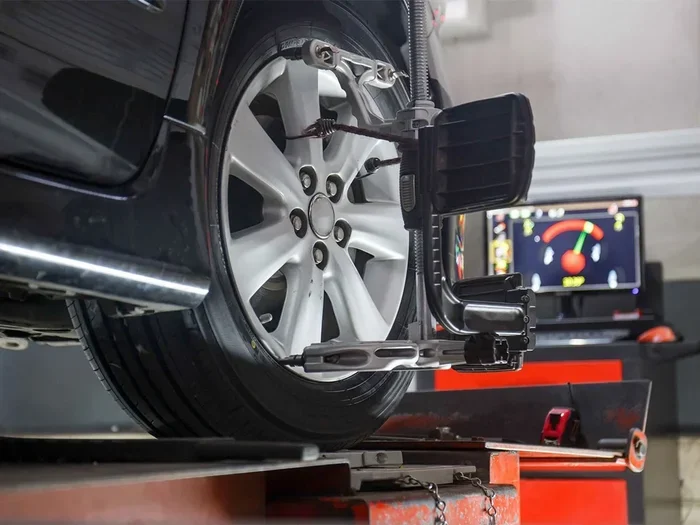
Traction is the grip between the tires and the road. Without good traction, the wheels spin but the car does not move forward well. This is why tire condition matters so much. Worn tires reduce traction and make straight-line driving less safe.
Here are some tips to maintain good traction:
- Check your tire pressure every month.
- Replace tires when the tread wears down.
- Choose tires rated for your driving conditions.
- Rotate tires regularly for even wear.
Air Resistance and Drag
Air pushes against your car as it moves. The faster you go, the stronger this push becomes. At low speeds, air resistance is small. At highway speeds, it becomes a major force.
Car designers work hard to reduce drag. They shape the body to let air flow smoothly. A sleek car uses less fuel at high speeds than a boxy one. This is why modern cars look the way they do.
When a car is moving along a straight road at high speed, drag can reduce fuel efficiency by a lot. Driving at 70 mph uses significantly more fuel than driving at 55 mph. This is due to the exponential increase in air resistance with speed.
Friction: Friend and Foe
Friction is a tricky force. It helps your car move forward. The tire pushes backward on the road, and the road pushes the car forward. This is static friction, and it is essential.
But friction also works against the car. Rolling resistance in the tires slows the vehicle down. Brake friction slows it down even more when you need to stop.
The road surface also matters. A dry asphalt road gives good friction. A wet road reduces it. An icy road reduces it even more. This is why straight-line driving on icy roads is so dangerous.
Speed, Velocity, and Acceleration on a Straight Road
These three words are related but different. Understanding them makes straight-line driving easier to grasp.
Speed vs. Velocity
Speed tells you how fast something moves. It does not tell you the direction. Velocity tells you both the speed and the direction. When a car is moving along a straight road, speed and velocity are closely related because the direction does not change.
If your car goes 60 miles per hour on a straight road heading north, the velocity is 60 mph north. The speed is just 60 mph. In straight-line motion, this difference is simple. But in turns and curves, it becomes very important.
Acceleration Explained
Acceleration means a change in velocity. It can mean speeding up, slowing down, or changing direction. On a straight road, you only deal with speeding up or slowing down.
Acceleration is measured in meters per second squared. But you do not need to remember that. Just know that pressing the gas pedal causes positive acceleration. Hitting the brake causes negative acceleration, also called deceleration.
Quick Tip: Smooth acceleration and braking feel better and use less fuel. Jerky movements waste energy and can unsettle the car.
How Distance and Time Relate
When a car moves at a constant speed on a straight road, distance equals speed multiplied by time. If you drive at 50 mph for 2 hours, you cover 100 miles. This simple formula is very useful for planning trips.
But real driving is rarely that simple. You speed up, slow down, and stop. The average speed over a trip is always lower than the top speed. This is why GPS estimates of arrival time are sometimes wrong.
Safety Considerations for Straight-Line Driving
Straight roads might seem safer than curved roads. And in some ways, they are. But straight-line driving has its own risks. Let us look at the most important safety factors.
Highway Hypnosis
Driving for long periods on a straight road can cause a trance-like state. This is called highway hypnosis. Your eyes stay on the road, but your mind drifts. You react more slowly to changes.
This is a real danger. Many accidents on long straight highways happen because drivers are not fully alert. Here is how to avoid it:
- Take a break every two hours.
- Keep the cabin cool and well-ventilated.
- Listen to music or podcasts to stay engaged.
- Shift your gaze slightly left and right.
- Avoid driving when very tired.
Lane Discipline
On a straight road, it is easy to drift out of your lane. Wind, road camber, and momentary distractions can push the car sideways. Staying in your lane requires constant small corrections.
Lane discipline is especially important on multi-lane highways. Keep to the right unless you are passing. Pass safely and return to the right lane promptly. This keeps traffic flowing and reduces accidents.
Braking Distance and Reaction Time
When a car is moving along a straight road at high speed, stopping takes a long distance. Your reaction time adds to this. At 60 mph, you travel about 88 feet per second. If your reaction time is one second, you travel 88 feet before you even touch the brake.
Then the brakes need distance to stop the car. On a dry road, a car at 60 mph needs about 240 feet to stop fully. On a wet road, that distance increases. On ice, it can be ten times longer.
Expert Insight: Always keep a safe following distance. The three-second rule is a good baseline. Pick a fixed object and make sure you reach it at least three seconds after the car ahead passes it.
Weather and Road Conditions
Weather changes everything about straight-line driving. Rain makes the road slippery. Fog reduces visibility. Wind can push your car sideways. Snow and ice are the most dangerous conditions of all.
When a car is moving along a straight road in bad weather, you must adjust your driving. Slow down. Increase your following distance. Turn on your lights. And always be ready to react.
| Condition | Safe Speed Adjustment | Following Distance |
|---|---|---|
| Dry road | Normal speed | 3 seconds |
| Wet road | Reduce by 10 mph | 4-5 seconds |
| Icy road | Reduce by 20+ mph | 8-10 seconds |
| Fog | Reduce significantly | 4+ seconds |
| Strong wind | Steady speed, firm grip | 3-4 seconds |
How the Engine and Transmission Work Together
When a car is moving along a straight road at a steady speed, the engine and transmission work as a team. The engine produces power. The transmission delivers it to the wheels at the right rate.
The Role of Gears
Gears let the engine work efficiently at different speeds. Low gears give more power but less speed. High gears give more speed but less power. On a straight road at constant speed, you usually use a high gear.
Modern cars have automatic transmissions that shift gears for you. Manual transmissions let you choose the gear. Both systems aim to keep the engine in its power sweet spot.
Cruise Control and Straight-Line Driving
Cruise control is a great feature for straight roads. It maintains a constant speed without you touching the pedal. This reduces driver fatigue and improves fuel economy.
But cruise control is not perfect. It does not read road conditions. If traffic slows down, you still need to brake. And on hilly straight roads, cruise control may struggle to maintain speed on inclines.
Quick Tip: Use cruise control on flat, dry, straight highways. Turn it off in rain, fog, or heavy traffic. Your feet on the pedals give you the fastest response in emergencies.
Fuel Efficiency on Straight Roads
Straight roads are generally more fuel-efficient than roads with lots of stops and turns. There are fewer acceleration and braking cycles. The engine can work at a steady load.
To maximize fuel economy on a straight road:
- Use cruise control at a steady speed.
- Keep your tires properly inflated.
- Remove roof racks and cargo boxes when not needed.
- Avoid excessive idling.
- Accelerate gently and smoothly.
Small changes in how you drive on a straight road can save a surprising amount of fuel over time. These savings add up to real money at the pump.
Common Mistakes Drivers Make on Straight Roads
Straight roads can breed overconfidence. Drivers think they do not need to pay as much attention. This is one of the biggest mistakes you can make.
Speed Creep
On a long straight road, it is easy to slowly increase your speed without noticing. You start at the speed limit, and ten minutes later you are five miles over. This happens because the brain gets used to the speed.
Speed creep is dangerous. It reduces your reaction time. It increases braking distance. And it means a ticket if a speed camera is nearby. Always check your speedometer regularly, even on straight roads.
Distraction Drift
Without curves to keep you alert, distractions become more dangerous. A quick glance at your phone, a sip of coffee, or a conversation with a passenger can cause you to drift out of your lane.
On a straight road, a lane departure can happen so fast you do not even notice. By the time you look up, you are already on the shoulder or in another lane. Keep your eyes moving and your mind focused.
Overlooking Road Hazards
Straight roads often have fewer visual cues than winding roads. You may not notice debris, potholes, or stopped vehicles ahead until it is too late. The lack of curves means you have less time to react to obstacles.
Always scan far ahead on straight roads. Look at least 12 to 15 seconds down the road. This gives you time to spot hazards early and react safely.
Key Takeaways
- Newton’s First Law explains why a car stays in motion: an object in motion stays in motion unless acted upon by an external force.
- Multiple forces act on a car at all times: engine force, friction, air resistance, and gravity all play a role.
- Uniform motion on a straight road means constant velocity: no acceleration or deceleration is happening.
- Braking distance increases with speed: understanding this helps you drive safer on straight highways.
- Tire grip and road conditions matter greatly: wet or icy roads change how a car behaves on a straight path.
- Engine power and transmission work together: they determine how smoothly a car moves along a straight road.
- Straight-line driving has unique safety considerations: staying alert and maintaining lane discipline is essential.
Conclusion
When a car is moving along a straight road, a whole world of physics and mechanics is at work. From engine power to air resistance, from friction to fuel efficiency, every part of the driving experience is connected. Understanding these basics makes you a smarter driver and a safer one.
Straight-line driving might look simple, but it comes with real challenges. Highway hypnosis, speed creep, and distraction are all risks you need to manage. By staying alert and applying what you have learned here, you can make every straight road journey safer and more enjoyable.
Next time you are cruising on a long, straight highway, take a moment to appreciate the science behind the motion. Your car is doing incredible work every second. And now you understand exactly what that work is.
Drive safe. Stay focused. And enjoy the road ahead.
Frequently Asked Questions
Why does a car need friction to move along a straight road?
The engine turns the wheels, but the wheels need something to push against to move the car forward. That something is friction between the tires and the road. Without friction, the wheels would just spin in place and the car would not go anywhere. This is why tire condition and road surface matter so much for straight-line driving.
Is it safe to use cruise control on a straight road?
Yes, cruise control is generally safe on dry, flat, straight roads. It helps maintain a steady speed and reduces driver fatigue. However, you should turn it off in bad weather, heavy traffic, or hilly conditions. Your feet on the pedals always give you the fastest response in an emergency situation.
How does air resistance affect a car on a straight road?
Air resistance, or drag, pushes against the front of the car as it moves. The faster the car goes, the stronger this push becomes. At highway speeds, air resistance is the biggest force working against the car. It reduces fuel efficiency and makes the engine work harder to maintain speed.
What causes highway hypnosis on straight roads?
Highway hypnosis happens when the brain becomes too comfortable with the monotony of a straight road. The repetitive scenery and lack of turns can put drivers in a trance-like state. This reduces alertness and slows reaction time. Taking breaks every two hours and staying engaged with music or conversation helps prevent it.
How far does a car travel before it stops on a straight road?
Stopping distance depends on speed, road conditions, and reaction time. At 60 mph on a dry road, a car needs about 240 feet to stop fully. This includes both the distance traveled during reaction time and the braking distance. On wet roads, this distance increases. On icy roads, it can increase dramatically.
What is the difference between speed and velocity when a car is moving along a straight road?
Speed tells you how fast the car is going. Velocity tells you the speed and the direction. On a straight road, the direction does not change, so speed and velocity are closely related. But the distinction becomes very important when the car turns or changes direction on a curved road.
=== META TITLE ===
A Car Is Moving Along a Straight Road Explained Simply
=== URL SLUG ===
a-car-is-moving-along-a-straight-road-explained-simply
=== SEO TITLE ===
A Car Is Moving Along a Straight Road Explained Simply