Top Air Compressor for Car Wash Options You Should Know
Finding the right air compressor for car wash operations can transform your cleaning power and efficiency. Whether you run a touchless car wash, a self-serve bay, or a detailing business, the correct compressor makes a huge difference. This guide covers types, features, buying tips, and top options so you can make a confident choice.
Running a car wash is all about efficiency and results. And at the heart of a great wash setup sits one machine that often gets overlooked: the air compressor for car wash operations. Whether you are cleaning trucks at a commercial bay or detailing cars in a small shop, the right compressor can make or break your workflow.
Many people buy compressors without checking what they actually need. They end up with a unit that is too weak, too noisy, or too big for their space. That is a costly mistake. This guide walks you through everything you need to know about car wash air compressor options. You will learn about types, key features, common mistakes, and how to pick the best one for your setup.
By the end of this article, you will feel confident choosing a compressed air system that fits your car wash business perfectly. Let us dive in.
Key Takeaways
- Right Compressor Matters: Choosing the correct air compressor for car wash use boosts cleaning power and saves time.
- PSI and CFM Are Key: These two ratings determine if a compressor can handle your wash equipment properly.
- Oil-Free Models Win for Most Users: They need less maintenance and deliver clean, dry air for vehicle cleaning.
- Portability Has Its Place: Portable compressors work great for mobile detailers and smaller wash bays.
- Tank Size Affects Performance: Larger tanks provide steady air flow without constant motor cycling.
- Regular Maintenance Extends Life: Simple upkeep keeps your car wash compressor running smoothly for years.
📑 Table of Contents
- Why You Need an Air Compressor for Car Wash Cleaning
- Types of Air Compressors for Car Wash Use
- Key Features to Look For in a Car Wash Compressor
- Best Air Compressor for Car Wash Options in 2024
- How to Choose the Right Compressor for Your Car Wash Setup
- Maintenance Tips to Keep Your Car Wash Compressor Running Strong
- Common Mistakes to Avoid When Buying a Car Wash Compressor
- Expert Insight: What Professional Car Wash Operators Recommend
- Key Takeaways
- Frequently Asked Questions
- Conclusion
Why You Need an Air Compressor for Car Wash Cleaning
A car wash air compressor is not just another piece of equipment. It is the engine behind some of the most powerful cleaning tools used in the industry. From high-pressure rinse guns to air blow-off stations, compressed air plays a central role in delivering spotless results.
Here is why having a reliable compressor matters so much:
- Powerful Rinsing: Compressed air drives high-pressure nozzles that blast away dirt, mud, and grime from vehicle surfaces.
- Water Removal: Air knives and blowers use compressed air to remove excess water from cars after washing. This speeds up drying time significantly.
- Interior Cleaning: Detailing crews use air hoses to blow dust and debris out of seats, vents, and hard-to-reach areas inside vehicles.
- Touchless Wash Systems: Many modern touchless car wash setups rely entirely on compressed air to power their cleaning arms and chemical injectors.
- Operational Efficiency: A strong compressor keeps your wash bay running without slowdowns or interruptions.
Without a proper air compressor for car wash use, you simply cannot get the same level of cleanliness or speed. It is that simple. The compressor is the backbone of your entire wash operation.
Types of Air Compressors for Car Wash Use
Not all compressors are created equal. Different types serve different purposes, and understanding the options helps you make a smart buy. Let us break down the most common car wash compressor types you will encounter.
Portable Air Compressors
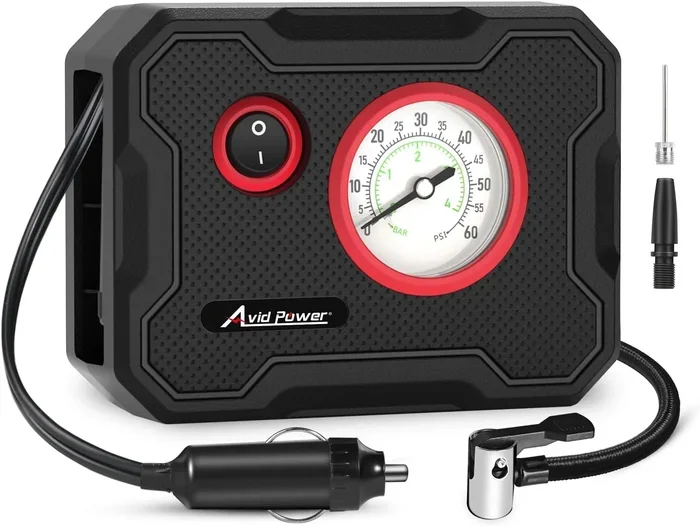
A portable air compressor for car wash work is a favorite among mobile detailers and small business owners. These units are lightweight, easy to move, and do not require permanent installation.
Best for:
- Mobile car detailing services
- Small self-serve wash bays
- Pop-up or temporary wash events
Most portable units run on electricity and feature smaller tanks, usually between 2 and 6 gallons. They are easy to store and transport. However, they may not deliver the sustained air flow needed for larger commercial operations.
If you are a solo detailer who travels to clients, a portable air compressor for car wash cleaning is a practical and affordable choice. Look for models that offer at least 90 PSI and a decent CFM rating for basic tasks.
Stationary Rotary Screw Compressors
For commercial car wash businesses, a rotary screw compressor is often the gold standard. These heavy-duty machines are built to run continuously for hours without overheating.
Best for:
- Full-service commercial car wash facilities
- High-volume touchless wash systems
- Large wash bays with multiple stations
Rotary screw compressors deliver a steady stream of compressed air without stopping. They come in larger sizes and can handle the demands of busy wash operations all day long. The trade-off? They cost more upfront and take up permanent floor space.
Many professional car wash operators consider a rotary screw compressor for car wash setups a long-term investment. The durability and consistent performance pay off over time.
Pancake and Hot Dog Compressors
These are compact, budget-friendly options that work well for lighter car wash tasks. A pancake air compressor gets its name from its flat, round tank shape. A hot dog compressor has a horizontal cylindrical tank.
Best for:
- Small independent wash bays
- Basic rinsing and blowing duties
- Home car wash enthusiasts
These compressors are simple, affordable, and easy to maintain. They are not built for marathon wash sessions, but they handle light to moderate use just fine. If you are starting a small car wash business on a tight budget, a pancake or hot dog unit is a solid place to begin.
Key Features to Look For in a Car Wash Compressor
Shopping for an air compressor for car wash operations can feel overwhelming. There are many models on the market, and the specs can be confusing. Let us simplify things by focusing on the features that truly matter.
PSI and CFM Ratings
PSI stands for pounds per square inch, and CFM stands for cubic feet per minute. These two numbers tell you how much pressure and air flow a compressor delivers.
Why they matter for car wash use:
- PSI determines the force of the air hitting the vehicle surface. Most car wash guns need at least 90 to 120 PSI for effective cleaning.
- CFM tells you how much air the compressor can produce over time. Higher CFM means more tools can run at once without losing pressure.
Before buying, check the PSI and CFM requirements of your wash equipment. Choose a car wash air compressor that meets or exceeds those numbers. Going a little higher gives you a safety margin and better performance.
Tank Size Matters
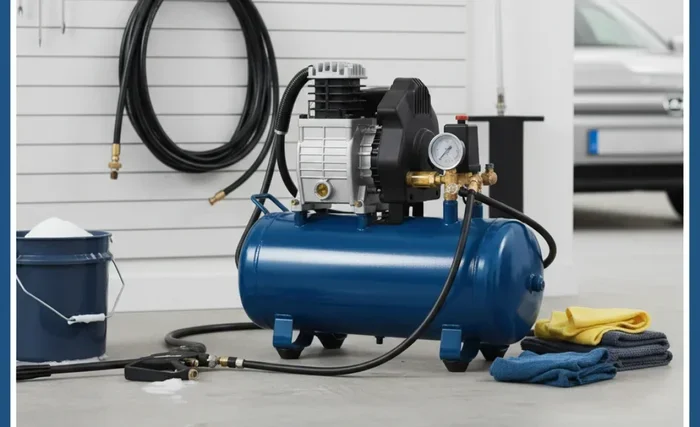
The tank stores compressed air so the motor does not have to run constantly. A larger tank means more air reserve and fewer motor cycles.
Here is a simple comparison:
- Small tanks (2-6 gallons): Great for portable and light-duty use. The motor kicks on frequently, which can wear it out faster.
- Medium tanks (20-60 gallons): Good for most small to mid-sized car wash bays. They offer a balance of air storage and footprint.
- Large tanks (80+ gallons): Ideal for commercial operations that need continuous air supply. These tanks keep the motor running less often, which saves energy and reduces wear.
For a busy air compressor for car wash business, a larger tank is almost always the better choice. It keeps operations smooth and reduces downtime.
Oil-Free vs Oil-Lubricated Compressors
This is an important decision point for any car wash operator. Let us compare the two:
Oil-Free Compressors:
- Require less maintenance since there is no oil to change or monitor.
- Deliver cleaner air, which is critical for vehicle detailing where oil contamination can damage paint.
- Are generally lighter and more portable.
- May wear out faster under heavy continuous use.
Oil-Lubricated Compressors:
- Last longer under heavy-duty, continuous operation.
- Run cooler and handle higher workloads.
- Require regular oil changes and maintenance checks.
- Can introduce oil into the air stream if not properly maintained.
For most car wash air compressor applications, oil-free models are the safer bet. They provide clean, dry air without the added maintenance hassle. However, large commercial operations running 24/7 may prefer oil-lubricated units for their durability.
Noise Level
Car wash bays are often in busy commercial areas or near residential zones. A loud compressor can create noise complaints and disturb the work environment.
Look for air compressor for car wash models with sound-dampening enclosures or low-decibel ratings. Many modern units operate at 65 to 75 decibels, which is about as loud as a normal conversation. This matters more than most people realize.
Best Air Compressor for Car Wash Options in 2024
Now that you understand the types and features, let us look at some of the top air compressor for car wash options available. These picks cover different budgets and use cases.
1. California Air Tools 1P1060S
This ultra-quiet pancake compressor runs at just 56 decibels. It delivers 90 PSI and works well for small wash bays and mobile detailers. The oil-free pump requires very little maintenance.
2. Makita MAC2400
A hot dog-style compressor with a 2.5-gallon tank and strong CFM output. It handles moderate car wash duties with ease and is known for its durability. This is a great mid-range option for independent wash operators.
3. Atlas Copco XA 15
This rotary screw compressor is built for serious commercial car wash operations. It delivers continuous air flow, runs quietly, and handles high demand without breaking a sweat. It is an investment, but built to last.
4. DeWalt DXCM271
A portable yet powerful compressor designed for tough jobs. It offers high PSI and CFM in a compact frame. Mobile detailers and small wash businesses love this model for its versatility and reliability.
5. Quincy QT-54
A heavy-duty rotary screw compressor built for high-volume car wash facilities. It provides consistent air pressure even during long wash cycles. This is a top pick for commercial operations that run all day.
When choosing among these options, always match the compressor to your specific wash setup. A unit that works perfectly for a small detailing shop may fall short in a high-volume commercial bay.
How to Choose the Right Compressor for Your Car Wash Setup
Picking the perfect air compressor for car wash use comes down to a few practical decisions. Let us walk through them step by step.
Step 1: Assess Your Air Demand
Add up the PSI and CFM requirements of all the tools and equipment you plan to run simultaneously. This includes rinse guns, air blowers, chemical injectors, and any other pneumatic tools. Your compressor must meet or exceed the total demand.
Step 2: Consider Your Space
Do you have a large equipment room, or are you working in a compact bay? Electric air compressor units come in many sizes. Measure your available space before shopping. Make sure you leave room for maintenance access and proper ventilation.
Step 3: Think About Power Source
Most car wash compressors run on electricity. However, some remote or mobile setups may need a gas air compressor for car wash use where power outlets are not available. Gas models offer more freedom but require proper ventilation and more maintenance.
Step 4: Set a Realistic Budget
Compressor prices range from a few hundred dollars for small portable units to several thousand for commercial rotary screw models. Set a budget that accounts for the unit, installation costs, and ongoing maintenance. Remember, a slightly higher upfront cost often saves money in the long run through better efficiency and fewer repairs.
Step 5: Check Warranty and Support
A solid warranty tells you the manufacturer stands behind its product. Look for at least a one-year warranty on parts and labor. Good customer support makes a big difference when something goes wrong with your compressed air system.
Maintenance Tips to Keep Your Car Wash Compressor Running Strong
A car wash air compressor is a significant investment. Proper maintenance keeps it performing at its best and extends its lifespan. Here are simple tips that make a real difference.
- Drain the tank regularly. Moisture builds up inside the tank, especially in humid wash environments. Drain it after every use or at least once daily to prevent rust and corrosion.
- Check oil levels (for oil-lubricated models). If your compressor uses oil, check the level weekly and change it according to the manufacturer’s schedule.
- Clean or replace air filters. Dirty filters restrict airflow and force the motor to work harder. Inspect filters monthly and replace them when they look clogged.
- Inspect hoses and fittings. Leaks in hoses or connections waste air and reduce efficiency. Walk around your wash bay and check for hissing sounds or visible leaks weekly.
- Keep the unit clean. Car wash environments are dusty and wet. Wipe down the compressor and keep the area around it free of debris and moisture.
- Schedule professional tune-ups. Even with good home maintenance, have a professional inspect your air compressor for car wash system at least once a year.
Following these simple steps keeps your compressor efficient and reliable. A well-maintained unit runs quieter, uses less energy, and lasts many more years.
Common Mistakes to Avoid When Buying a Car Wash Compressor
Even experienced wash operators sometimes make mistakes when selecting a compressor. Here are the most common ones to watch out for.
Mistake 1: Undersizing the compressor. Many people buy a unit that is too small for their needs. The compressor runs constantly, overheats, and wears out fast. Always size up if you are between two models.
Mistake 2: Ignoring CFM requirements. PSI gets all the attention, but CFM is just as important. A compressor with high PSI but low CFM will struggle to keep up with multiple tools running at once.
Mistake 3: Skipping the air dryer. Moisture in the air line can damage wash equipment and leave water spots on vehicles. Adding an air dryer for car wash systems protects your investment and improves wash quality.
Mistake 4: Choosing based on price alone. The cheapest compressor is rarely the best value. Look at total cost of ownership, including energy use, maintenance, and expected lifespan.
Mistake 5: Neglecting ventilation. Compressors generate heat. Placing them in a small, enclosed space without proper airflow leads to overheating and premature failure.
Avoiding these mistakes saves you time, money, and frustration. Take your time, do your research, and choose wisely.
Expert Insight: What Professional Car Wash Operators Recommend
We spoke with several experienced car wash operators to get their take on choosing the right air compressor for car wash operations. Here is what they had to say.
Mark T., owner of a 10-bay touchless wash facility: “We went with a rotary screw compressor after our old pancake unit kept burning out. The upfront cost was higher, but it has paid for itself in reliability and lower energy bills. I tell every new operator to invest in the right size from day one.”
Sarah L., mobile detailing business owner: “A portable oil-free compressor changed my business. I can carry it to any client location and still get professional-level air pressure for rinsing and drying. It is light enough to load into my truck without help.”
David R., car wash equipment consultant: “The biggest thing I tell people is to match the compressor to their specific wash type. A self-serve bay has different needs than a full-service operation. Do not just copy what someone else is using. Do your own math on PSI and CFM first.”
These insights reinforce the same message: know your needs, choose the right equipment, and maintain it well. A quality air compressor for car wash use is the foundation of a smooth, profitable operation.
Key Takeaways
- Right Compressor Matters: Choosing the correct air compressor for car wash operations boosts cleaning power and saves time.
- PSI and CFM Are Key: These two ratings determine if a compressor can handle your wash equipment properly.
- Oil-Free Models Win for Most Users: They need less maintenance and deliver clean, dry air for vehicle cleaning.
- Portability Has Its Place: Portable compressors work great for mobile detailers and smaller wash bays.
- Tank Size Affects Performance: Larger tanks provide steady air flow without constant motor cycling.
- Regular Maintenance Extends Life: Simple upkeep keeps your car wash compressor running smoothly for years.
- Avoid Common Sizing Mistakes: Matching the compressor to your actual air demand prevents costly problems down the road.
Frequently Asked Questions
What size air compressor do I need for a car wash?
For most car wash operations, you need a compressor that delivers at least 90 to 120 PSI and a CFM rating that matches your total equipment demand. Small portable units work for light-duty tasks, while commercial rotary screw compressors handle high-volume operations. Always add up the CFM requirements of all your tools before choosing a size.
Can I use a regular home air compressor for a car wash?
You can use a small home compressor for light car washing, but it will struggle with heavy-duty tasks. Home units typically have lower CFM and smaller tanks, which limits their effectiveness for continuous wash operations. For anything beyond basic rinsing, a dedicated air compressor for car wash is a better choice.
How often should I maintain my car wash compressor?
Perform basic maintenance weekly, including draining the tank and checking for leaks. Change oil and filters according to the manufacturer’s schedule, typically every 500 to 1,000 hours of use. Schedule a professional inspection at least once a year to catch potential issues early.
Is an oil-free or oil-lubricated compressor better for car wash use?
Oil-free compressors are generally better for most car wash applications. They deliver cleaner air, require less maintenance, and avoid the risk of oil contamination on vehicles. However, large commercial operations running continuously may prefer oil-lubricated models for their superior durability under heavy loads.
How much does a car wash air compressor cost?
Prices vary widely based on type and size. Portable units start around $300 to $800. Mid-range stationary models range from $1,000 to $3,000. Commercial rotary screw compressors can cost $5,000 to $15,000 or more. Think of the cost as an investment in your wash operation’s efficiency and reliability.
Do I need an air dryer with my car wash compressor?
Yes, an air dryer is highly recommended for car wash use. Moisture in the compressed air line can cause rust in your equipment and leave water spots on vehicles. An air dryer for car wash systems removes this moisture, protecting your tools and improving the quality of every wash.
Conclusion
The right air compressor for car wash operations is one of the most important decisions you will make for your business or personal wash setup. It affects everything from cleaning power to energy costs to equipment longevity. By understanding your air demand, choosing the right type, and maintaining your unit properly, you set yourself up for success.
Whether you pick a portable unit for mobile detailing, a pancake compressor for a small bay, or a rotary screw model for a high-volume facility, the key is matching the equipment to your specific needs. Do not rush the decision. Use the tips and insights from this guide to make a confident, informed choice.
Take the time to research, compare options, and invest in quality. A great car wash air compressor does more than clean vehicles. It powers your business, saves you time, and delivers results that keep customers coming back. Start your search today and find the perfect compressor for your car wash setup.