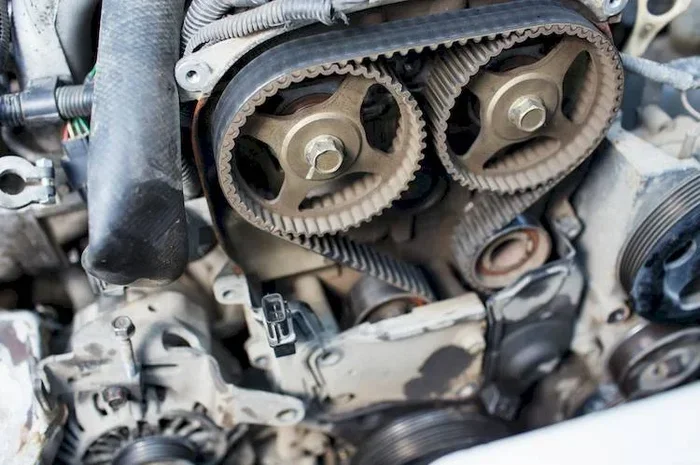
Does Your Toyota Yaris Have a Timing Chain or Belt
The Toyota Yaris timing setup depends on the engine and model year. Most older Yaris models use a timing belt, while newer versions switched to a timing chain. Understanding which system your car has helps you plan preventive maintenance and avoid costly engine damage.
Every Toyota Yaris owner should know one important thing about their car. Does your Toyota Yaris have a timing chain or a timing belt? This question might seem small, but it has big implications for your wallet and your engine health. The answer changes depending on the model year and engine type. If you get it wrong, you could miss a critical maintenance window and face a very expensive repair.
Many drivers assume all Toyota cars use the same timing system. That is not true. Toyota has used both belts and chains across different Yaris generations. The good news is that once you know what your car has, the maintenance path becomes much clearer. You will know exactly what to watch for and when to act.
This guide breaks everything down for you. We will cover which Yaris models use a belt, which use a chain, and how to tell the difference. You will also learn about replacement costs, warning signs, and simple tips to keep your engine running strong. Let us get into it.
Key Takeaways
- Older Yaris models (pre-2012) typically use a timing belt that needs regular replacement.
- Newer Toyota Yaris engines use a timing chain, which is designed to last the life of the vehicle.
- Ignoring timing belt replacement can lead to catastrophic engine failure.
- Timing chain problems are less common but can still occur at high mileage.
- Replacement costs differ significantly between a belt and a chain.
- Knowing your engine type helps you budget for the right maintenance at the right time.
- Regular oil changes support timing chain health and overall engine longevity.
📑 Table of Contents
- What Is the Difference Between a Timing Chain and a Timing Belt?
- Does the Toyota Yaris Use a Timing Belt or a Timing Chain?
- How to Tell if Your Toyota Yaris Has a Belt or a Chain
- Timing Belt Replacement: What You Need to Know
- Timing Chain in the Toyota Yaris: What to Expect
- How to Keep Your Toyota Yaris Timing System in Great Shape
- Common Mistakes Toyota Yaris Owners Make with Timing Maintenance
- Expert Insight: Timing Systems and Long-Term Toyota Yaris Reliability
- Final Thoughts on Your Toyota Yaris Timing System
What Is the Difference Between a Timing Chain and a Timing Belt?
Before we dive into the Toyota Yaris specifics, let us quickly cover the basics. Many car owners confuse these two parts because they both do the same job. But they work very differently.
A timing belt is a strong rubber belt with teeth on the inside. It sits outside the engine and connects the crankshaft to the camshaft. It keeps the engine valves and pistons moving in perfect sync. Timing belts need regular replacement because the rubber wears out over time.
A timing chain is made of metal links. It works like a bicycle chain but inside the engine. Timing chains are built to last much longer than belts. They do not need routine replacement in most cases. However, they can stretch or wear out over very high mileage.
Here is a quick comparison to help you understand the differences.
- Material: Belt is rubber. Chain is metal.
- Location: Belt is outside the engine. Chain is inside the engine.
- Lifespan: Belt lasts 60,000 to 100,000 miles. Chain can last 200,000+ miles.
- Cost: Belt replacement is cheaper. Chain replacement is more expensive.
- Noise: Belt runs quietly. Chain can become noisy when worn.
So which one does your Toyota Yaris use? That depends on the engine and the year.
Does the Toyota Yaris Use a Timing Belt or a Timing Chain?
This is the big question. And the answer depends on which generation of Yaris you own and which engine it has. Toyota used different timing systems across different production years.
Toyota Yaris Models with a Timing Belt
Most older Toyota Yaris models use a timing belt. This includes the first and second generation Yaris cars sold in the United States and other markets. If your Yaris was built before roughly 2012, there is a good chance it has a timing belt.
The 1.3 liter and 1.5 liter engines in older Yaris models typically use a belt. These engines are known for being fuel efficient and reliable. But the belt needs attention at specific mileage intervals. Toyota generally recommends replacing the timing belt every 60,000 to 90,000 miles. Some owner manuals say 90,000 miles. Others say 60,000 miles for severe driving conditions.
Here are the Yaris models most likely to have a timing belt.
- Toyota Yaris 1.3L engines (2007-2011)
- Toyota Yaris 1.5L engines (2007-2011)
- Toyota Yaris hatchback and sedan models (early generations)
- Toyota Yaris models sold in colder climates where driving conditions are considered severe
If your Yaris falls into one of these categories, pay close attention to your maintenance schedule. A broken timing belt can cause serious engine damage.
Toyota Yaris Models with a Timing Chain
Toyota started shifting to timing chains in newer Yaris models. The third generation Yaris and some updated engine variants use a chain instead of a belt. This change was part of Toyota’s effort to reduce maintenance requirements and improve long-term durability.
If your Yaris was built after 2012 or so, there is a good chance it has a timing chain. The newer 1.5 liter engine variants in the Yaris line often use a chain system. These chains are designed to last the life of the engine under normal driving conditions.
Here are the Yaris models most likely to have a timing chain.
- Toyota Yaris 1.5L engines (2012 and newer)
- Toyota Yaris hatchback models (later generations)
- Toyota Yaris models sold in markets with updated engine specs
The shift from belt to chain was a smart move by Toyota. It means fewer scheduled maintenance items for the owner. But that does not mean you can ignore the timing system entirely. Chains can still develop problems over time.
How to Tell if Your Toyota Yaris Has a Belt or a Chain
Not sure which system your Yaris uses? There are a few easy ways to find out. You do not need to be a mechanic to check.
First, check your owner’s manual. The maintenance section will clearly state whether your engine uses a timing belt or a timing chain. It will also list the recommended replacement interval if applicable. This is the most reliable source of information for your specific vehicle.
Second, look under the hood. A timing belt is usually covered by a plastic or metal guard on the outside of the engine. You might be able to see it or feel the rubber texture through a gap. A timing chain is housed deeper inside the engine block. You will not see it easily without removing engine covers.
Third, check the engine code. The engine code is printed on a sticker under the hood or in the owner’s manual. You can look up this code online to find out exactly what timing system your engine uses. This is the most precise method.
Fourth, ask a trusted mechanic. Any qualified technician can quickly identify whether your Yaris has a belt or a chain. A quick inspection under the hood takes just a few minutes.
Timing Belt Replacement: What You Need to Know
If your Toyota Yaris has a timing belt, replacement is not optional. It is a must-do maintenance item. Let us talk about what you need to know.
When to Replace the Timing Belt
Toyota recommends replacing the Yaris timing belt at specific mileage intervals. The exact number depends on your model year and driving conditions. Most Yaris models need a new belt between 60,000 and 90,000 miles. If you drive in severe conditions, you should lean toward the lower end of that range.
Severe driving conditions include short trips, extreme heat, extreme cold, dusty roads, and stop-and-go traffic. If any of these describe your daily commute, your belt wears faster. Do not wait until you hit the mileage mark if you drive in these conditions.
Timing Belt Replacement Cost
The cost to replace a timing belt on a Toyota Yaris varies. On average, you can expect to pay between 300 and 600 dollars for parts and labor. The exact price depends on your location, the mechanic’s labor rate, and whether any other components need replacement at the same time.
Many mechanics recommend replacing the water pump at the same time. This makes sense because the water pump is often driven by the timing belt. If the belt is already off, adding the water pump replacement saves you money on labor later. It also prevents a future leak that could damage the new belt.
Warning Signs of a Failing Timing Belt
A timing belt does not usually fail without warning. But there are signs you should watch for.
- Ticking noise from the engine: A worn belt can create a ticking sound when the engine is running.
- Engine won’t start: If the belt breaks completely, the engine will not turn over.
- Rough idling: A slipping belt can cause the engine to idle unevenly.
- Check engine light: In some cases, a failing belt triggers the warning light.
- Oil leaks near the engine: This can indicate a failing belt tensioner or seal.
If you notice any of these symptoms, get your car inspected right away. A broken timing belt on an interference engine like the ones in the Yaris can bend the valves and damage the pistons. That repair costs thousands of dollars.
Timing Chain in the Toyota Yaris: What to Expect
If your Yaris has a timing chain, you are in a better position when it comes to scheduled maintenance. The chain does not need routine replacement like a belt does. But that does not mean you can forget about it entirely.
Can a Timing Chain Last 300,000 Miles?
Many Toyota timing chains are built to last a very long time. Some can indeed last 300,000 miles or more without any issues. This is one of the biggest advantages of a chain over a belt. Toyota engineers designed these chains to handle the demands of everyday driving for the life of the engine.
However, chain lifespan depends on several factors. Oil quality matters a lot. Dirty or low-quality oil can accelerate chain and tensioner wear. Regular oil changes with the right grade of oil help the chain last much longer. Driving habits also play a role. Consistent highway driving is easier on a chain than constant stop-and-go city driving.
You can read more about timing chain longevity in our detailed guide on Can A Timing Chain Last 300. It covers the factors that affect chain lifespan in detail.
Timing Chain Replacement Cost
While timing chains last longer, replacing one is more expensive than replacing a belt. The average cost for a Toyota Yaris timing chain replacement ranges from 1,000 to 2,000 dollars. This includes parts and labor. The higher cost comes from the complexity of the job. The chain is inside the engine, so the mechanic needs to remove several components to access it.
That said, most Yaris owners will never need a chain replacement. The chain is designed to outlast the vehicle in most cases. Only a small percentage of Yaris owners will experience chain failure.
Signs of a Worn Timing Chain
Even though chains last a long time, they can wear out. Here are the warning signs to watch for.
- Rattling noise on startup: A worn chain often makes a rattling sound when you first start the engine.
- Check engine light: Chain stretch can trigger error codes related to camshaft or crankshaft timing.
- Poor engine performance: A stretched chain can throw off the timing, causing rough running.
- Engine misfires: Incorrect timing can lead to misfires and reduced power.
- Metal shavings in the oil: This is a serious sign of internal chain wear.
If you notice a rattling sound when you start your Yaris, do not ignore it. Get it checked quickly. Early detection of chain problems can prevent a much bigger repair bill.
How to Keep Your Toyota Yaris Timing System in Great Shape
Whether your Yaris has a belt or a chain, proper maintenance makes a huge difference. A few simple habits can extend the life of your timing system and keep your engine running smoothly for years.
Follow the Maintenance Schedule
This is the single most important thing you can do. Stick to the maintenance schedule in your owner’s manual. If your car has a timing belt, replace it at the recommended interval. Do not push it past the mileage limit. If your car has a chain, keep up with regular oil changes. Clean oil keeps the chain and tensioner lubricated and working properly.
Use the Right Engine Oil
Not all engine oils are created equal. Use the oil grade recommended by Toyota for your specific Yaris model. Using the wrong oil can accelerate wear on timing chain components. It can also affect the belt tensioner in belt-equipped models. When in doubt, check your owner’s manual or ask your mechanic.
Address Warning Signs Immediately
Do not ignore strange noises, warning lights, or changes in engine performance. The sooner you catch a problem, the cheaper the fix. A small timing belt inspection today can save you from a full engine rebuild tomorrow.
Keep Up with Regular Oil Changes
Oil changes are the backbone of engine maintenance. Fresh oil lubricates all the moving parts inside the engine, including the timing system. For Yaris models with a timing chain, regular oil changes are especially important. They help prevent the chain from stretching prematurely.
Choose a Trusted Mechanic
Timing work is precision work. You want someone who knows Toyota engines well. A trusted mechanic will inspect your timing system during every service. They will catch small issues before they become big problems. Ask friends for recommendations or look for reviews online.
Common Mistakes Toyota Yaris Owners Make with Timing Maintenance
Even the best car owners sometimes make mistakes when it comes to timing maintenance. Here are the most common ones to avoid.
- Skipping the timing belt replacement: This is the biggest mistake. The belt does not last forever. Skipping the replacement can lead to a broken belt and engine damage.
- Ignoring the water pump: If the water pump is driven by the timing belt, replacing it at the same time saves money and prevents future issues.
- Using cheap oil: Low-quality oil does not protect the chain and tensioner properly. It can lead to premature wear.
- Delaying repairs when warning signs appear: A small rattle today can become a broken chain tomorrow. Do not wait.
- Assuming all Yaris models are the same: Different model years use different timing systems. Always check what your specific car has.
- Not keeping records: Write down every maintenance job. This helps you track when the next service is due.
Avoiding these mistakes keeps your Yaris running strong and saves you money in the long run.
Expert Insight: Timing Systems and Long-Term Toyota Yaris Reliability
Toyota built the Yaris to be a reliable daily driver. The timing system plays a big role in that reliability. When properly maintained, both the timing belt and the timing chain can serve your car well for many years.
The key is prevention. Stay on top of scheduled maintenance. Listen to your car. Address small concerns before they become big problems. Toyota designed these engines to be durable. But durability depends on the care you provide.
One thing that many mechanics agree on is this. The timing belt in older Yaris models is the part that needs the most attention. It is the one component that can fail catastrophically if ignored. The timing chain in newer models is much more forgiving. But it still benefits from proper oil and regular inspections.
If you are buying a used Toyota Yaris, always ask about the timing belt replacement history. A Yaris with a documented belt replacement at the right interval is a much safer buy than one with no records. This alone can save you from a costly engine repair down the road.
Final Thoughts on Your Toyota Yaris Timing System
So, does your Toyota Yaris have a timing chain or a belt? The answer depends on your model year and engine type. Older models use a belt and need regular replacement. Newer models use a chain and require less frequent attention. Either way, staying informed and keeping up with maintenance is the key to long engine life.
Take the time to find out which system your Yaris has. Check your owner’s manual. Look up your engine code. Talk to a trusted mechanic. Once you know, you can plan ahead and budget for the maintenance your car needs.
Your Toyota Yaris is a great little car. With the right care, it will keep running smoothly for years to come. The timing system is one of the most important parts to watch. Give it the attention it deserves, and your engine will thank you.
For more information about keeping your Toyota running at its best, check out our article on does your car run better with a new serpentine belt. It covers how replacing worn belts can improve overall vehicle performance.
Frequently Asked Questions
What happens if the timing belt breaks on a Toyota Yaris?
On an interference engine like the ones in the Yaris, a broken timing belt can cause the pistons to hit the valves. This results in serious engine damage that often requires a full engine replacement or a very expensive rebuild. This is why following the replacement schedule is so important.
How much does it cost to replace a Toyota Yaris timing belt?
The average cost ranges from 300 to 600 dollars for parts and labor. If the mechanic also replaces the water pump at the same time, the cost may increase slightly. But bundling the work saves money compared to doing them separately later.
Can a Toyota Yaris timing chain last the lifetime of the car?
Yes, in most cases. Toyota timing chains are designed to last well over 200,000 miles. Many Yaris owners never need a chain replacement. However, poor oil maintenance or extreme driving conditions can shorten chain life.
How do I know if my Toyota Yaris has a timing belt or a chain?
Check your owner’s manual first. It will clearly state which system your engine uses. You can also look up your engine code online or ask a mechanic to inspect the engine for you. It is a quick and easy check.
What are the first signs of a failing timing system in a Yaris?
For a belt, watch for ticking noises, rough idling, or difficulty starting the engine. For a chain, listen for rattling on startup or check for a lit check engine light. Any unusual engine noise deserves immediate attention.
Is it safe to drive a Toyota Yaris with a worn timing belt?
No, it is not safe. A worn timing belt can snap at any moment, causing catastrophic engine damage. If your Yaris is due for a belt replacement, schedule the service as soon as possible. Do not risk driving it past the recommended interval.
=== INTERNAL LINKS ===