Does a Toyota Highlander Have a Jack Under the Hood
Yes, a Toyota Highlander comes with a spare tire jack, but it is not located under the hood. The jack is stored in the trunk area, typically underneath the floor panel. Knowing where your jack is and how to use it can save you time and stress during a roadside emergency.
This is a comprehensive guide about Does a Toyota Highlander Have a Jack?.
Key Takeaways
- Jack Location: The Toyota Highlander jack is stored in the trunk, not under the hood, which surprises many owners.
- Jack Type: Most Highlanders come with a scissor-style jack or a hydraulic jack depending on the model year and trim level.
- Proper Use Matters: Using the jack on the correct jack points prevents damage and keeps you safe.
- Maintenance Is Key: Regularly checking your jack and spare tire ensures everything works when you need it most.
- Upgrades Available: Many owners choose to upgrade to a more robust jack for added confidence and convenience.
- Check Your Manual: The owner’s manual provides exact jack placement and usage instructions for your specific model year.
[FEATURED_IMAGE_PLACEHOLDER]
Owning a Toyota Highlander means you have a reliable, spacious SUV that handles family trips, road adventures, and daily commutes with ease. But one question catches many owners off guard: does a Toyota Highlander have a jack? The answer is yes, but the surprise doesn’t stop there. The jack is not where most people expect it to be.
Whether you are dealing with a flat tire on the highway or simply want to understand your vehicle’s emergency equipment, this guide covers everything you need to know about the Toyota Highlander jack. We will walk you through the exact location, the type of jack included, how to use it safely, and what upgrades might make your life easier.
Many drivers assume the jack sits under the hood alongside the spare tire and tools. That assumption works for some vehicles, but the Highlander follows a different design philosophy. Understanding this difference is the first step toward being prepared for any roadside situation.
Does a Toyota Highlander Have a Jack?
The short answer is yes. Every Toyota Highlander comes equipped with a jack and a spare tire. This is standard equipment across all trims and model years. Toyota includes this essential tool because a flat tire can happen to anyone, anywhere, at any time.
However, the way Toyota packages the jack varies by model year and trim level. Newer Highlanders may include different jack styles compared to older models. Some trims come with a full-size spare tire and a sturdy jack, while others include a compact temporary spare with a lighter jack.
What Type of Jack Comes with a Toyota Highlander?
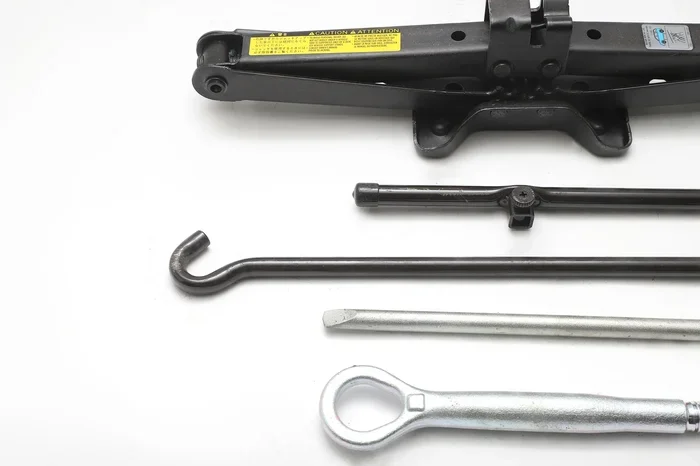
Most Toyota Highlanders use a scissor jack or a hydraulic jack. The scissor jack is the more common option. It is compact, lightweight, and easy to store. You operate it by turning a rod or handle that expands the jack until it lifts the vehicle.
Some higher-end trims or newer model years may include a hydraulic jack. These jacks lift the vehicle faster and with less effort. They are more expensive but offer a smoother experience. Here is a quick comparison of the two main types:
- Scissor Jack: Lightweight, compact, turns with a rod or wrench, included in most standard trims.
- Hydraulic Jack: Lifts faster, smoother operation, slightly heavier, found in select trims or as an upgrade.
- Bottle Jack: Rare in factory setups, but some owners add one as an aftermarket upgrade for extra lifting power.
The type of jack your Highlander has depends on several factors. The model year, trim level, and whether the vehicle was sold in certain regions all play a role. If you are unsure, check your owner’s manual or look in the trunk to confirm what came with your vehicle.
Where Is the Jack Located?
This is where most owners get surprised. The Toyota Highlander jack is not under the hood. You will not find it sitting next to the engine or near the battery. Instead, the jack lives in the trunk.
To find it, open your trunk and look at the underside of the floor panel. In most Highlanders, there is a removable panel on one side of the trunk floor. Underneath that panel, you will find the jack rolled up or stored in a bracket, along with the lug wrench and, in some cases, the spare tire.
Here are the steps to locate your jack:
- Open the trunk and remove any floor mats or cargo covers.
- Look for a panel on the left or right side of the trunk floor.
- Unclip or unscrew the panel to expose the storage area underneath.
- You should see the jack, lug wrench, and possibly the spare tire.
Some owners report difficulty finding the panel at first. It can blend in with the trunk lining. Take your time and feel around the edges. If your Highlander has a power liftgate, the panel is usually on the driver’s side of the trunk floor.
How to Use the Toyota Highlander Jack Safely
Knowing where the jack is only half the battle. Using it correctly is just as important. A jack lifts a heavy vehicle, and doing it wrong can cause serious injury or damage. Let us walk through the proper process step by step.
Step-by-Step Jack Usage Guide
Before you start, make sure you are parked on a flat, stable surface. Never attempt to change a tire on a slope or soft ground. Turn on your hazard lights and engage the parking brake. Here is how to use the jack:
- Loosen the lug nuts: Before lifting the vehicle, use the lug wrench to loosen each lug nut slightly. Do not remove them yet. This keeps the wheel from spinning when you lift the car.
- Position the jack: Find the correct jack point on your Highlander. The owner’s manual shows the exact location. Typically, it is a reinforced point on the frame or pinch weld behind the front wheel or in front of the rear wheel.
- Lift the vehicle: Insert the jack handle and turn it clockwise to raise the jack. Continue until the flat tire is about six inches off the ground.
- Remove the lug nuts and tire: Now fully remove the lug nuts and pull the tire off the bolts.
- Mount the spare: Lift the spare onto the bolts, hand-tighten the lug nuts, and lower the vehicle.
- Tighten the lug nuts: Once the vehicle is on the ground, tighten the lug nuts in a star pattern to ensure even pressure.
Following these steps keeps you safe and protects your vehicle. Skipping steps or guessing the jack point can lead to costly damage or dangerous situations.
Expert Insight
Always refer to your Toyota Highlander owner’s manual for the exact jack points. Every model year has slightly different frame reinforcement locations. Using the wrong jack point can bend the frame or damage the undercarriage. If you do not have your manual, you can download a product manual online for most Toyota models.
Common Mistakes When Using a Car Jack
Even experienced drivers make mistakes when using a jack. These errors can lead to property damage, injury, or worse. Here are the most common pitfalls to avoid.
- Jacking on soft ground: Gravel, dirt, or grass can cause the jack to sink or slip. Always use a hard, flat surface.
- Skipping the lug nut loosening step: If you do not loosen the lug nuts before lifting, the wheel will spin freely once the weight comes off. This makes removal impossible.
- Using the wrong jack point: Placing the jack on a plastic body panel or unreinforced area can crack the surface and damage the vehicle.
- Working under a jacked vehicle: A jack is a temporary lifting tool, not a support stand. Never place any body part under a vehicle supported only by a jack.
- Over-tightening lug nuts: This can warp the brake rotor or strip the lug studs. Use steady, even pressure.
These mistakes happen more often than you might think. Taking a few extra minutes to follow the correct procedure makes a huge difference in safety and results.
Toyota Highlander Jack Maintenance Tips
Your jack sits in the trunk most of the time, but that does not mean you can ignore it. Like any tool, it needs periodic attention to work when you need it most.
Regular Inspection Checklist
- Check the jack for rust or corrosion at least twice a year.
- Test the jack by lifting it slightly without a vehicle to ensure it moves smoothly.
- Inspect the jack handle for cracks or damage.
- Verify that the lug wrench is still in good condition and the correct size.
- Check the spare tire pressure every few months.
A rusty or stuck jack can fail when you need it most. Spending a few minutes on maintenance now can save you a lot of frustration later. If you notice any issues, consider replacing the jack before you need it in an emergency.
When to Replace Your Jack
Most jacks last the life of the vehicle, but not all of them do. If you notice any of the following signs, it is time for a replacement:
- The jack makes grinding or clicking noises when lifting.
- The jack wobbles or leans to one side.
- The jack does not hold the vehicle steady at height.
- The jack handle is bent or broken.
- The hydraulic fluid leaks from a hydraulic jack.
Replacing a jack is affordable and easy. You can find compatible jacks at auto parts stores or online. If you are unsure about which jack fits your Highlander, a quick check of your model year and trim level will point you in the right direction.
Upgrading Your Toyota Highlander Jack
The factory jack gets the job done, but many owners prefer to upgrade. A better jack can make tire changes faster, easier, and safer. Here are some popular upgrade options.
Popular Jack Upgrade Options
| Jack Type | Pros | Cons | Best For |
|---|---|---|---|
| Scissor Jack (Factory) | Lightweight, compact, included with vehicle | Slow to operate, limited lifting height | Basic emergency use |
| Hydraulic Floor Jack | Fast lifting, smooth operation, high capacity | Heavier, takes up trunk space | Frequent use and DIY maintenance |
| Bottle Jack | Compact, strong lifting power | Can tip over if not placed carefully | Off-road and heavy-duty use |
| Electric Jack | No physical effort needed | Expensive, requires battery power | Users with limited strength or mobility |
Many Highlander owners choose a hydraulic floor jack for home use. It makes oil changes, brake jobs, and other undercarriage work much easier. For roadside emergencies, a compact bottle jack offers a good balance of strength and portability.
Upgrading your jack is a personal choice. If you rarely change tires, the factory jack works fine. But if you spend a lot of time on the road or in rugged conditions, a better jack gives you peace of mind.
Does a Toyota Highlander Have a Jack? The Bottom Line
To answer the question once and for all: yes, every Toyota Highlander comes with a jack. But it is not under the hood. It is in the trunk, stored under the floor panel. The jack is typically a scissor style, though some models include a hydraulic option.
Knowing the location and proper usage of your jack is an essential part of vehicle ownership. It takes minutes to learn and can save you hours of frustration on the side of the road. Whether you are a new Highlander owner or have been driving one for years, taking a few minutes to locate your jack and review the owner’s manual is well worth your time.
If you have not checked your jack recently, now is the perfect time. Pop the trunk, find that panel, and make sure everything is in good shape. And if you ever need to get a free diagnostic on your car or want to understand more about your vehicle’s maintenance needs, knowing your equipment is the first step.
Frequently Asked Questions
Does a Toyota Highlander have a spare tire?
Yes, every Toyota Highlander comes with a spare tire. Some models include a full-size spare, while others have a compact temporary spare. The spare tire is stored in the trunk, usually underneath the floor panel alongside the jack.
Can I use any jack with my Toyota Highlander?
You can use aftermarket jacks, but make sure they are rated for your vehicle’s weight. The Toyota Highlander weighs between 4,000 and 5,000 pounds depending on the trim and engine. Using a jack with an insufficient weight rating is dangerous. Always check the jack’s capacity before use.
Where is the jack point on a Toyota Highlander?
The jack points on a Toyota Highlander are located behind the front wheels and in front of the rear wheels. These are reinforced areas on the frame designed to support the vehicle’s weight. Your owner’s manual includes diagrams showing the exact jack point locations for your specific model year.
How often should I check my Toyota Highlander’s jack?
You should inspect your jack at least twice a year. Check for rust, damage, and smooth operation. It is also a good idea to test the jack before a long road trip. A quick five-minute check can prevent surprises when you need it most.
Can I drive with the jack installed in my trunk?
Yes, the jack is designed to be stored in the trunk during normal driving. However, make sure it is secured and will not shift around while driving. A loose jack can damage your trunk lining or become a safety hazard in the event of a sudden stop.
What should I do if my Toyota Highlander jack is missing?
If your jack is missing, check your purchase documents and the vehicle’s original packaging. You can also contact a Toyota dealer with your VIN to confirm what came with the vehicle. If the jack was lost or removed by a previous owner, you can purchase a replacement directly from Toyota or an auto parts retailer. If you are unsure about your vehicle’s history, you can check a car’s history to verify what equipment was originally included.
Frequently Asked Questions
What is Does a Toyota Highlander Have a Jack??
Does a Toyota Highlander Have a Jack? is an important topic with many practical applications.