Does Chrysler Own Alfa Romeo And What You Should Know
Yes, Chrysler has a deep connection to Alfa Romeo through their parent company, but the full story is more nuanced than you might think. Today, both brands fall under the umbrella of Stellantis, a global automotive giant formed from the merger of Fiat Chrysler Automobiles and PSA Group. Understanding this relationship helps car buyers make smarter decisions about luxury vehicles, brand heritage, and what to expect from these iconic automakers.
Does Chrysler own Alfa Romeo? It is a question that pops up a lot among car enthusiasts and everyday buyers alike. The short answer is yes and no, and the longer answer is a fascinating journey through automotive history, corporate mergers, and global branding strategies. If you have ever wondered about the relationship between these two iconic brands, you are in the right place.
Understanding who owns what in the car world can feel confusing. There are so many brands, parent companies, and mergers happening all the time. But knowing the ownership story behind Chrysler and Alfa Romeo gives you a clearer picture of the automotive landscape. It also helps you make better decisions when shopping for your next vehicle.
In this article, we will walk through the full history of how these two brands became connected. We will explore who currently owns them and what that means for car buyers. We will also look at the bigger picture of corporate ownership in the auto industry. By the end, you will have a solid understanding of the Chrysler and Alfa Romeo relationship.
Key Takeaways
- Chrysler and Alfa Romeo share a corporate parent: Both brands are now owned by Stellantis, a massive global automotive company.
- The ownership history is complex: Fiat acquired Alfa Romeo in the 1980s, and later merged with Chrysler to form FCA, which then became Stellantis.
- Alfa Romeo is not a Chrysler brand: Despite sharing a parent company, they operate as separate entities with distinct identities and target markets.
- Stellantis owns 14 car brands: Including Jeep, Dodge, Peugeot, Ram, and Maserati alongside Chrysler and Alfa Romeo.
- Car buyers benefit from this arrangement: Shared technology and platforms can mean better vehicles and more value for consumers.
- Regular maintenance still matters: Regardless of brand ownership, keeping your car well-maintained through services like a Jiffy Lube diagnostics check helps ensure longevity.
📑 Table of Contents
- The History of Chrysler
- The History of Alfa Romeo
- Fiat Chrysler Automobiles: The Bridge Between Brands
- The Formation of Stellantis
- Does Chrysler Own Alfa Romeo? The Final Answer
- Comparing Chrysler and Alfa Romeo Today
- Common Mistakes People Make About Car Brand Ownership
- Expert Insights on Automotive Brand Ownership
- Key Takeaways
The History of Chrysler
Chrysler has a long and storied history in the American automotive industry. The company was founded in 1925 by Walter Chrysler, a former executive at General Motors. From the very beginning, Chrysler aimed to build quality cars that offered great value. The brand quickly gained a reputation for engineering innovation and affordable luxury.
Over the decades, Chrysler grew through acquisitions and partnerships. The company absorbed brands like Dodge, Plymouth, and Jeep into its family. It also had its share of financial struggles, including a famous government bailout in the 1980s. Through it all, Chrysler remained a major player in the American car market.
The Daimler-Chrysler Era
In 1998, Chrysler merged with the German automaker Daimler-Benz. This created DaimlerChrysler, one of the largest automotive companies in the world at the time. Many people hoped this merger would bring together the best of German engineering and American style.
However, the partnership did not work out as planned. Cultural differences between the two companies created friction. Daimler eventually sold Chrysler to Fiat in 2009 during the global financial crisis. This set the stage for the next chapter in Chrysler’s ownership story.
Chrysler Joins Fiat
Fiat’s acquisition of Chrysler in 2009 was a game-changer. Fiat saw potential in Chrysler’s lineup and its North American market presence. Sergio Marchionne, the CEO of Fiat at the time, orchestrated the deal and worked tirelessly to turn Chrysler around.
The partnership proved successful. Chrysler gained access to Fiat’s fuel-efficient platforms and global distribution network. Fiat, in turn, expanded its footprint in the lucrative American market. Together, the two companies formed a powerful alliance that would reshape the industry.
As part of this alliance, Fiat also controlled Alfa Romeo. This meant that Chrysler and Alfa Romeo were now under the same corporate umbrella, even though they operated very differently. The seeds of the modern relationship between these brands had been planted.
The History of Alfa Romeo
Alfa Romeo is one of the most iconic Italian car brands in the world. Founded in 1910 in Milan, Italy, the brand has always been associated with passion, style, and racing heritage. Alfa Romeo cars are known for their sleek designs, powerful engines, and emotional driving experience.
For most of its history, Alfa Romeo was an independent company. It built a reputation for producing some of the most beautiful and exciting cars ever made. Models like the Spider, Giulia, and 33 Stradale became legends in the automotive world.
Fiat Takes Over Alfa Romeo
In 1986, Fiat acquired Alfa Romeo from the Italian government. This was a pivotal moment for the brand. Fiat saw Alfa Romeo as a way to expand its portfolio with a luxury and performance-oriented brand.
The acquisition was not without challenges. Alfa Romeo struggled with reliability issues and financial losses during the early Fiat years. But over time, Fiat invested in the brand and helped stabilize its operations. New models like the Alfa Romeo 155 and 164 showed promise.
Fiat’s ownership of Alfa Romeo eventually led to a connection with Chrysler. When Fiat acquired Chrysler in 2009, both Alfa Romeo and Chrysler fell under the same corporate family. This created the foundation for the current ownership structure that exists today.
Alfa Romeo’s Modern Era
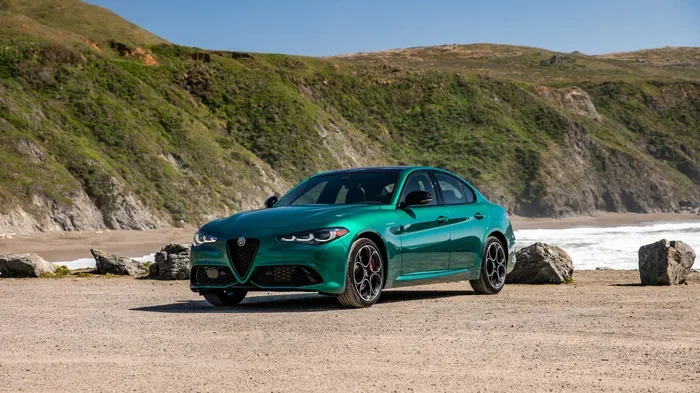
In recent years, Alfa Romeo has made a comeback. The brand introduced new models like the Giulia sedan and the Stelvio SUV. These vehicles received praise for their Italian styling and engaging driving dynamics.
Alfa Romeo has also focused on motorsport, competing in Formula 1 and various touring car series. This racing heritage reinforces the brand’s image as a performance-oriented manufacturer. For car enthusiasts who value style and driving pleasure, Alfa Romeo remains a compelling choice.
Fiat Chrysler Automobiles: The Bridge Between Brands
The formation of Fiat Chrysler Automobiles, commonly known as FCA, was a major milestone. In 2014, Fiat completed its full acquisition of Chrysler, merging the two companies into one entity. This created FCA, which became one of the largest automotive groups in the world.
FCA brought together a diverse portfolio of brands. On the one hand, you had Chrysler, Dodge, Jeep, and Ram, representing the American market. On the other hand, you had Fiat and Alfa Romeo, representing the Italian market. The company also owned Maserati, a luxury brand that bridged the gap between the two.
How FCA Managed Different Brands
Managing such a diverse group of brands required careful strategy. FCA shared platforms and technology across its lineup to reduce costs. For example, the Alfa Romeo Giulia and the Maserati Ghibli shared the same rear-wheel-drive platform. Similarly, Jeep and Chrysler models often used common powertrains and electronics.
This sharing of resources allowed FCA to offer a wide range of vehicles while keeping development costs manageable. It also meant that innovations from one brand could benefit others. The result was a more competitive lineup across the board.
However, FCA also maintained brand identities. Each brand had its own design language, target audience, and marketing strategy. Chrysler focused on family-friendly vehicles. Alfa Romeo targeted driving enthusiasts. Jeep catered to adventure seekers. This diversity was a strength for the group.
The Role of Alfa Romeo Within FCA
Within FCA, Alfa Romeo played a specific role. It served as the brand’s luxury and performance division for the European market. While Chrysler focused on mainstream American buyers, Alfa Romeo appealed to those who wanted something more exciting and refined.
Alfa Romeo also helped FCA compete in European markets where it was otherwise weaker. The brand had strong recognition and a passionate fan base in Italy and other European countries. This gave FCA a foothold in regions where American brands like Chrysler and Jeep had limited presence.
For consumers, the FCA structure meant access to a wide variety of vehicles under one corporate roof. Whether you preferred the practicality of a Chrysler 300 or the excitement of an Alfa Romeo Giulia, there was something for everyone in the FCA family.
The Formation of Stellantis
The story does not end with FCA. In 2021, FCA merged with PSA Group, the French automaker behind Peugeot, Citroen, and Opel. The resulting company was named Stellantis, a global automotive powerhouse.
The name Stellantis comes from the Latin word for “to brighten with stars.” It reflects the company’s ambition to shine in the global automotive market. With 14 brands under its roof, Stellantis is now one of the largest car companies in the world.
Stellantis Brand Portfolio
Stellantis owns an impressive lineup of brands. Here is a look at some of the key players:
- Chrysler: American mainstream brand focusing on sedans and SUVs.
- Dodge: American performance brand known for muscle cars and trucks.
- Jeep: Iconic SUV brand with off-road capability.
- Ram: American truck brand, formerly part of Dodge.
- Fiat: Italian brand focused on small, efficient cars.
- Alfa Romeo: Italian luxury and performance brand.
- Maserati: Italian luxury brand competing with BMW and Mercedes.
- Peugeot: French brand known for stylish and practical cars.
- Citroen: French brand focused on comfort and innovation.
- Opel: German brand popular in European markets.
With such a diverse portfolio, Stellantis has a strong presence in virtually every automotive market segment. The company operates on every continent except Antarctica, making it a truly global force.
What Stellantis Means for Chrysler and Alfa Romeo
Under Stellantis, both Chrysler and Alfa Romeo continue to operate as separate brands. They have distinct identities, target audiences, and product lineups. However, they benefit from shared resources, technology, and platforms.
This arrangement allows Stellantis to leverage the strengths of each brand. Chrysler brings a strong North American presence and a loyal customer base. Alfa Romeo adds European flair and a performance-oriented reputation. Together, they complement each other well within the Stellantis family.
If you are considering a vehicle from either brand, it is helpful to understand this corporate structure. It explains why certain technologies or design elements may appear across different models. It also shows how these brands are positioned to compete in an increasingly competitive market.
Regular maintenance remains important regardless of which brand you choose. Simple steps like keeping up with oil changes and having a professional check your vehicle can make a big difference. If you are curious about how often you should service your car, you might find it helpful to read about how long Mobil 1 oil really lasts to understand maintenance intervals better.
Does Chrysler Own Alfa Romeo? The Final Answer
So, to answer the question directly: Chrysler does not own Alfa Romeo. Both brands are owned by Stellantis, a global automotive conglomerate. Chrysler and Alfa Romeo are sister brands under the same corporate umbrella, but they operate independently.
The relationship between the two brands is one of shared ownership, not direct control. Chrysler does not dictate Alfa Romeo’s design or engineering decisions. Each brand has its own leadership, design teams, and product strategies. They are distinct entities that happen to share a parent company.
This distinction is important for car buyers. When you buy a Chrysler, you are buying an American vehicle from a company that also happens to own Italian luxury brand Alfa Romeo. When you buy an Alfa Romeo, you are buying an Italian vehicle from a company that also owns American brands like Chrysler and Jeep. The ownership structure does not change the fundamental character of either brand.
Why This Matters for Car Buyers
Understanding the ownership relationship between Chrysler and Alfa Romeo can help you in several ways. First, it gives you context about the brand’s resources and support. Stellantis has the financial backing and global infrastructure to support both brands effectively.
Second, it helps you understand the technology and platforms shared across the lineup. If you like a particular feature in a Chrysler model, there may be a similar system in an Alfa Romeo. Shared platforms mean shared innovations, which ultimately benefits the consumer.
Third, it provides insight into the future direction of both brands. Stellantis has announced plans to electrify its lineup and invest in new technologies. Both Chrysler and Alfa Romeo will be part of this transition, which could lead to exciting new vehicles in the coming years.
When shopping for a car, it is also worth considering the total cost of ownership. Factors like maintenance, parts availability, and resale value all play a role. If you are leasing a vehicle, you might want to understand how leasing a car can affect your credit score before making a decision.
Comparing Chrysler and Alfa Romeo Today
Now that we have covered the ownership story, let us compare the two brands as they exist today. This comparison highlights the differences and similarities between Chrysler and Alfa Romeo in the current market.
| Feature | Chrysler | Alfa Romeo |
|---|---|---|
| Country of Origin | United States | Italy |
| Parent Company | Stellantis | Stellantis |
| Brand Positioning | Mainstream American | Italian Luxury and Performance |
| Current Models | Chrysler 300, Pacifica | Giulia, Stelvio |
| Target Audience | Families, daily drivers | Enthusiasts, luxury buyers |
| Design Philosophy | Comfortable, practical | Sporty, emotional |
| Performance Focus | Moderate | High |
| Price Range | Mid-range | Premium |
As you can see, the two brands serve very different markets. Chrysler focuses on comfort, practicality, and value. Alfa Romeo emphasizes style, performance, and driving excitement. Despite these differences, both brands benefit from Stellantis’s vast resources and global reach.
What the Future Holds
The automotive industry is undergoing a massive transformation. Electric vehicles, autonomous driving, and new mobility solutions are reshaping how we think about cars. Stellantis has committed to investing billions of dollars in electrification and new technologies.
Both Chrysler and Alfa Romeo will play a role in this transformation. Chrysler is expected to introduce electric versions of its popular models. Alfa Romeo is also developing electric and hybrid vehicles to meet tightening emissions regulations.
The shared ownership structure gives both brands a competitive advantage. They can pool resources for research and development, share electric vehicle platforms, and coordinate global marketing efforts. This collaboration could lead to some exciting products in the near future.
For car enthusiasts, this is an exciting time. The combination of American and Italian automotive traditions under one corporate roof creates unique opportunities. Whether you prefer the comfort of a Chrysler or the thrill of an Alfa Romeo, the future looks bright.
Keeping your vehicle in top shape is essential no matter which brand you drive. Simple maintenance habits can extend the life of your car and keep it running smoothly. If you are curious about basic car care, you might want to check out whether a new serpentine belt can improve your car’s performance or learn about proper Softex seat conditioning to keep your interior looking great.
Common Mistakes People Make About Car Brand Ownership
There are several misconceptions about car brand ownership that many people fall for. Understanding these can help you become a more informed buyer.
Mistake 1: Assuming sister brands share everything. Just because Chrysler and Alfa Romeo share a parent company does not mean they share parts freely. Each brand has its own supply chain and engineering teams.
Mistake 2: Thinking ownership changes a brand’s identity. Alfa Romeo remains Italian in spirit and design, even under Stellantis ownership. Chrysler remains American, regardless of who sits in the corporate headquarters.
Mistake 3: Ignoring the total cost of ownership. Brand prestige does not always equal reliability or low maintenance costs. It is wise to research repair costs and reliability ratings before buying any vehicle.
Mistake 4: Overlooking the benefits of shared technology. On the flip side, shared platforms and components can mean proven technology and lower costs. This is a real advantage for consumers looking for value.
Mistake 5: Assuming corporate ownership means poor quality. Stellantis is a major global company with strict quality standards. Both Chrysler and Alfa Romeo vehicles must meet rigorous requirements before reaching the market.
Being aware of these common pitfalls can save you time, money, and disappointment. Do your research, test drive multiple vehicles, and ask plenty of questions before making a purchase.
Expert Insights on Automotive Brand Ownership
Industry experts often weigh in on the significance of brand ownership structures in the automotive world. According to analysts, the trend of consolidation in the auto industry is likely to continue. Companies like Stellantis, Toyota, Volkswagen Group, and Hyundai-Kia are all expanding their portfolios through acquisitions and partnerships.
Experts note that shared platforms and technology are the biggest benefits of corporate ownership. When a company like Stellantis develops a new electric vehicle platform, all 14 brands can potentially use it. This accelerates innovation and reduces costs for everyone involved.
However, experts also caution that brand identity must be preserved. Consumers choose brands for specific reasons, and diluting those identities can hurt sales. Stellantis has done a good job of maintaining distinct brand personalities while sharing resources behind the scenes.
For the average car buyer, the key takeaway is simple. Focus on the individual brand and model that fits your needs. The corporate ownership structure matters less than the quality, reliability, and driving experience of the vehicle itself.
It is also worth noting that regular professional maintenance can significantly impact your ownership experience. Whether you drive a Chrysler or an Alfa Romeo, staying on top of service schedules and using quality parts makes a real difference. If you are wondering about battery replacements, you might want to know whether AutoZone offers battery installation services to save time and money.
Key Takeaways
- Chrysler and Alfa Romeo are sister brands under Stellantis: They share a parent company but operate independently with distinct identities.
- The ownership history involves Fiat, Chrysler, FCA, and now Stellantis: Each merger and acquisition shaped the current corporate structure.
- Alfa Romeo is not owned by Chrysler directly: Both are owned by Stellantis, which is the true parent company.
- Stellantis owns 14 brands globally: Creating one of the largest and most diverse automotive portfolios in the world.
- Shared technology benefits consumers: Platforms, powertrains, and innovations are shared across brands to improve vehicles and reduce costs.
- Brand identities remain strong: Chrysler stays American and practical. Alfa Romeo stays Italian and performance-focused.
- The future looks bright for both brands: Electrification plans and new technologies promise exciting developments ahead.
Frequently Asked Questions
Is Alfa Romeo a luxury brand?
Yes, Alfa Romeo is considered a luxury brand that focuses on performance and Italian style. It competes with brands like BMW, Mercedes-Benz, and Lexus in the premium segment. The brand emphasizes driving pleasure, elegant design, and a passionate driving experience.
What is the relationship between Fiat and Chrysler?
Fiat acquired a stake in Chrysler in 2009 and eventually took full ownership. The two companies merged to form Fiat Chrysler Automobiles, which later became Stellantis after merging with PSA Group. Fiat played a crucial role in revitalizing Chrysler during a difficult period for the company.
Will Chrysler and Alfa Romeo merge into one brand?
There are currently no plans for Chrysler and Alfa Romeo to merge. Both brands maintain separate identities, product lineups, and target markets within the Stellantis family. Each brand serves a different customer base and fulfills a different role in the company’s strategy.
Are Chrysler and Alfa Romeo parts interchangeable?
Generally, no. While they share a parent company, Chrysler and Alfa Romeo use different platforms, engines, and components specific to each brand. Parts interchangeability is limited because the brands serve different market segments and have different engineering philosophies.
Which Stellantis brands are the most popular?
Some of the most popular Stellantis brands include Jeep, Ram, Dodge, and Peugeot. These brands have strong market presence and loyal customer bases. Alfa Romeo and Chrysler also have dedicated followings, though they are smaller in scale compared to the more mainstream brands.
Does Stellantis plan to go fully electric?
Stellantis has announced ambitious electrification plans, aiming to offer electric versions of most models by 2030. Both Chrysler and Alfa Romeo are part of this transition, with new electric and hybrid vehicles in development. The company is investing heavily in battery technology and electric vehicle platforms.
=== CONCLUSION ===
So, does Chrysler own Alfa Romeo? The answer is more nuanced than a simple yes or no. Chrysler and Alfa Romeo are both owned by Stellantis, but they operate as independent brands with their own identities, target markets, and product strategies. The relationship is one of shared corporate ownership, not direct control.
Understanding this relationship gives you valuable context as a car buyer. It explains the history behind these brands, the technology they share, and the direction they are heading. Whether you are drawn to the comfort and practicality of a Chrysler or the passion and performance of an Alfa Romeo, both brands offer compelling choices backed by a global automotive powerhouse.
The automotive industry is constantly evolving, and the Stellantis structure positions both brands well for the future. With shared resources, a commitment to innovation, and strong brand identities, Chrysler and Alfa Romeo are poised to continue delivering exciting vehicles for years to come. Keep this knowledge in mind the next time you are shopping for a new car, and you will be better equipped to make a confident and informed decision.