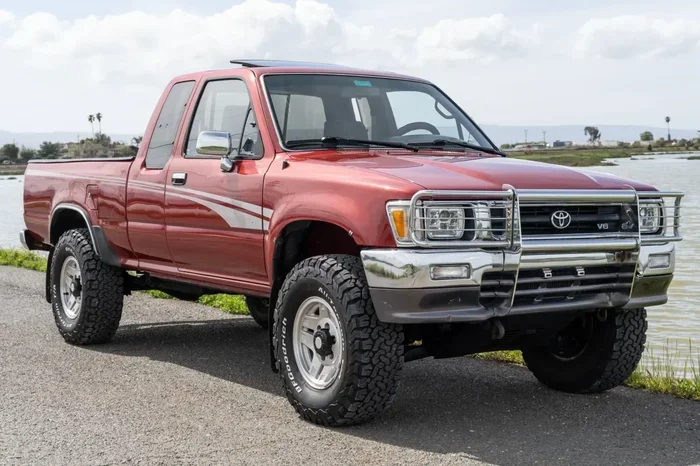
Are 1994 Toyota Pickups Reliable For Serious Truck Fans
Are 1994 Toyota Pickups reliable? Absolutely. These trucks are known for their tough build quality, simple engineering, and long lifespan. With proper care, a 1994 Toyota pickup can still serve you well today. Let us walk you through everything you need to know.
Are 1994 Toyota Pickups reliable? If you have been shopping for a used truck, this is probably the question sitting at the top of your mind. The short answer is yes. These trucks are legendary for a reason. The 1994 Toyota pickup line represents some of the most dependable work trucks ever built. They were simple, tough, and built to handle real work without all the electronic gadgets that cause headaches in modern vehicles.
But reliability is not just about not breaking down. It is also about how the truck handles over time, what it costs to maintain, and whether it can still do the job you need it to do. In this guide, we will cover everything from engine options to common problems to ownership costs. By the end, you will know exactly what you are getting into with a 1994 Toyota pickup.
Whether you are a serious truck fan looking for a project vehicle or someone who needs a dependable daily driver, this article has you covered. We will break down the good, the bad, and the ugly so you can make a smart buying decision.
Key Takeaways
- Built to Last: The 1994 Toyota pickup was engineered with simplicity and durability in mind, making it one of the most dependable trucks of its era.
- Simple Engine Options: The 22R-E and 3RZ-FE engines are straightforward, easy to fix, and proven to run for hundreds of thousands of miles.
- Low Maintenance Costs: Compared to American trucks, Toyota parts are affordable and widely available, keeping long-term ownership costs low.
- Common Issues Are Manageable: Problems like rust, worn bushings, and electrical gremlins are fixable with basic tools and know-how.
- Great Resale Value: Classic Toyota pickups hold their value surprisingly well, especially in clean, rust-free condition.
- Still a Daily Driver Option: Many owners still use their 1994 Toyota pickups as daily drivers or work trucks with no major issues.
📑 Table of Contents
What Makes The 1994 Toyota Pickup Special
The 1994 Toyota pickup sits in a sweet spot of truck history. It was one of the last years of the older generation before Toyota made major design changes. This means the 1994 model carries forward decades of proven engineering. Toyota did not overcomplicate things. There are fewer parts to break, fewer sensors to fail, and fewer computer modules to worry about.
Toyota built these trucks with a philosophy that still resonates today: keep it simple, make it strong, and make it last. The frame is a full ladder-style design that handles heavy loads beautifully. The suspension is basic but effective. And the body panels, while not flashy, are sturdy and replaceable.
For truck fans who appreciate raw function over flash, the 1994 Toyota pickup checks every box. It comes in regular cab and extra cab configurations. The bed sizes vary, giving you options depending on your needs. Whether you need a workhorse or a weekend hauler, there is a 1994 Toyota configuration that fits.
The SR5 Trim And What It Offers
The SR5 trim was the most popular option for the 1994 Toyota pickup. It came with a sporty appearance package, upgraded wheels, and better interior trim. The SR5 also included features like power mirrors and a tilt steering column, which were nice touches for the era.
Under the hood, the SR5 offered the same reliable engine choices as other trims. The difference was mostly cosmetic. If you are looking for a clean daily driver, an SR5 model is a great starting point. These trucks are common enough that parts are easy to find, but not so common that they are worthless.
Engine Options Available In 1994
The 1994 Toyota pickup came with two main engine choices. Both are inline four-cylinder engines, and both are known for reliability.
- 22R-E 2.4L Inline-4: This was the base engine. It produced about 105 horsepower and 130 lb-ft of torque. It is a carbureted engine with a simple design that is easy to work on.
- 3RZ-FE 2.7L Inline-4: This was the upgraded engine option. It produced around 150 horsepower and 160 lb-ft of torque. It uses fuel injection, which makes it more efficient and easier to tune.
Both engines are naturally aspirated, meaning they do not have turbochargers or superchargers. This simplicity is a big reason why these engines last so long. There are fewer things to go wrong, and when something does go wrong, it is usually easy and inexpensive to fix.
Engine And Drivetrain Details
The heart of any pickup truck is its engine, and the 1994 Toyota pickup delivers in this department. The 22R-E engine has been a workhorse in the Toyota lineup for years. It uses a cast iron block and head, which makes it extremely durable. These engines are known to run well past 300,000 miles with basic maintenance.
The 3RZ-FE engine is a step up. It features a more modern fuel injection system that improves both power and fuel economy. The heads are aluminum, which helps with heat dissipation. The bottom end is still cast iron, keeping the strength you expect from a Toyota truck.
Both engines pair with either a five-speed manual or an automatic transmission. The manual transmissions are the Mitsubishi M-series, and they are solid and reliable. The automatic is a four-speed unit that shifts smoothly and holds up well over time.
Two-Wheel Drive Vs. Four-Wheel Drive
The 1994 Toyota pickup was available in both 2WD and 4WD configurations. The 2WD models use a solid rear axle and a conventional front suspension setup. They are lighter and more fuel efficient, making them great for daily driving.
The 4WD models use a transfer case and front differential to send power to all four wheels. The front axle is a solid Dana unit, which is tough and repairable. If you plan on using the truck off-road or in rough conditions, the 4WD version is the way to go. The 4WD system on these trucks is simple and proven, which adds to their overall reliability.
Transmission Options And Longevity
The manual transmissions in the 1994 Toyota pickup are some of the best ever made. They are rugged, simple, and easy to rebuild. The clutch is a single-disc design that lasts a long time with normal use. Many owners report shifting through these transmissions for over 200,000 miles without any major issues.
The automatic transmission is also reliable, though it does not have the same longevity as the manual. The 4-speed auto uses a torque converter and basic planetary gearset. It is not the most refined transmission, but it gets the job done. Regular fluid changes are the key to keeping it healthy.
Common Issues And How To Handle Them
No truck is perfect, and the 1994 Toyota pickup is no exception. However, the issues these trucks face are well documented and generally easy to fix. Here are the most common problems you should know about.
Rust And Corrosion
Rust is the number one enemy of any old truck, and the 1994 Toyota pickup is no different. The bed, rocker panels, and wheel wells are common rust spots. In northern states where salt is used on roads, rust can be a serious issue.
The good news is that rust on these trucks is usually surface-level and easy to treat. A good wire brushing, some primer, and a coat of bed liner can stop rust in its tracks. If the rust has progressed to structural areas, you may need to weld in new panels. But for most trucks, rust is a cosmetic issue, not a safety concern.
Worn Suspension Components
After 30 years on the road, the suspension on a 1994 Toyota pickup will show some wear. The most common failures are worn ball joints, control arm bushings, and shock absorbers. These are all inexpensive parts that are easy to replace.
If you notice a clunking noise over bumps or the truck pulling to one side, it is time to inspect the suspension. Catching these issues early prevents more expensive damage to other components. A basic suspension refresh can make an old Toyota truck feel like new again.
Electrical Gremlins
Older trucks can develop electrical issues over time. The 1994 Toyota pickup is no exception. Common problems include flickering lights, a failing voltage regulator, and corroded ground wires. These issues are annoying but rarely serious.
Most electrical problems on these trucks come down to simple fixes. Cleaning ground connections, replacing worn wiring harnesses, and swapping out old relays can solve the majority of electrical gremlins. Keep a multimeter handy and you will be able to diagnose most issues yourself.
Fuel System Wear
The fuel system on the 1994 Toyota pickup is straightforward, but age takes its toll. The fuel pump may weaken over time, causing hard starts or stalling. The fuel filter should be replaced regularly, and the fuel injectors may need cleaning after many years of use.
Using quality fuel and keeping the tank at least a quarter full helps protect the fuel system. Avoid letting the truck sit for long periods with fuel in the tank, as this can cause gum and varnish buildup in the injectors and fuel lines.
Maintenance Tips For Long-Term Reliability
The secret to a reliable 1994 Toyota pickup is regular maintenance. These trucks reward owners who stay on top of basic service intervals. Here is what you need to do to keep your truck running strong.
- Change the oil every 3,000 to 5,000 miles. Use conventional or synthetic blend oil. The 22R-E and 3RZ-FE engines are not picky about oil type, but clean oil is essential for longevity.
- Replace the coolant every two years. Old coolant becomes acidic and can cause corrosion inside the engine and radiator.
- Check the transmission fluid regularly. For manual transmissions, check the fluid level and condition. For automatics, change the fluid and filter every 30,000 to 60,000 miles.
- Inspect the brakes often. The 1994 Toyota pickup uses simple disc brakes in the front and drum brakes in the rear. Both are easy to service and inexpensive to replace.
- Keep the tires properly inflated. Proper tire pressure improves fuel economy, handling, and tire life. Check pressure at least once a month.
- Address small problems immediately. A small noise or leak today can become a big repair tomorrow. Stay ahead of issues by fixing them early.
Quick Tips For First-Time Toyota Pickup Owners
- Keep a basic tool set in the truck. You will need it.
- Learn to check your fluids yourself. It saves money and helps you catch problems early.
- Join a Toyota truck forum or community. Other owners share valuable advice and parts sources.
- Keep records of all maintenance and repairs. This helps you track the truck’s history and maintain its value.
- Wash the truck regularly, especially the undercarriage. Prevention is the best defense against rust.
How The 1994 Toyota Pickup Compares To Other Trucks
When you are shopping for a used pickup, it is natural to compare options. The 1994 Toyota pickup holds its own against competitors from the same era and beyond. Let us look at how it stacks up.
Toyota Vs. Ford F-Series
The Ford F-Series trucks from the mid-1990s, such as the 2005 Ford F150 and 2004 Ford F150, offer more power and modern features. However, they also come with more complexity and higher maintenance costs. The 1994 Toyota pickup is simpler, more reliable, and cheaper to own over the long term. If reliability and low cost of ownership are your priorities, the Toyota wins.
Ford trucks have their strengths, especially in towing capacity and payload. But when it comes to long-term dependability and ease of repair, the Toyota pickup has the edge. Many truck enthusiasts agree that older Toyota trucks are more bulletproof than their American counterparts.
Toyota Vs. Cadillac And Luxury Trucks
Luxury trucks like Cadillac models come with a premium price tag, and that extends to parts and repairs. If you have ever wondered about whether Cadillac parts are expensive, the answer is yes. Toyota parts, on the other hand, are affordable and widely available. This makes the 1994 Toyota pickup a much more practical choice for budget-conscious buyers.
Value Comparison Table
| Factor | 1994 Toyota Pickup | 1994 Ford F150 | 1994 Chevy C1500 |
|---|---|---|---|
| Engine Reliability | Excellent | Good | Good |
| Fuel Economy | Good | Average | Average |
| Parts Cost | Low | Low | Low |
| Maintenance Ease | Very Easy | Moderate | Moderate |
| Rust Resistance | Moderate | Moderate | Moderate |
| Long-Term Value | High | Moderate | Moderate |
As you can see, the 1994 Toyota pickup excels in reliability and ease of maintenance. It may not have the flash or the power of some competitors, but it makes up for it with dependability and low ownership costs.
Is A 1994 Toyota Pickup Worth Buying Today
The final question is whether a 1994 Toyota pickup is worth buying in today’s market. The answer depends on what you need the truck for and how much you are willing to invest.
If you are looking for a reliable work truck, a daily driver, or a project vehicle, the 1994 Toyota pickup is a solid choice. These trucks are abundant in the used market, which means you can find them at reasonable prices. A clean, rust-free example with a healthy engine can be had for a few thousand dollars.
The 1994 Toyota pickup also holds its value well. Because Toyota trucks are known for lasting a long time, buyers are willing to pay a premium for clean examples. If you buy a truck in good condition and maintain it properly, you can sell it later for a fair price or even a small profit.
One thing to watch out for is the condition of the truck you are buying. Rust, accident damage, and neglected maintenance can turn a good deal into a money pit. Always inspect the truck thoroughly before purchasing. If you are not confident in your inspection skills, bring a trusted mechanic along.
For serious truck fans who appreciate simplicity, durability, and the Toyota reputation for reliability, the 1994 Toyota pickup is hard to beat. It is a truck that was built to work, and with proper care, it will keep working for decades to come.
Just remember that no old truck is maintenance-free. Even the most reliable vehicle needs regular attention. Stay on top of oil changes, fluid checks, and small repairs, and your 1994 Toyota pickup will reward you with years of dependable service.
In the world of classic trucks, few models have the reputation that Toyota has earned. The 1994 pickup is a perfect example of why Toyota trucks are trusted by mechanics and enthusiasts alike. It is a truck that does not need to prove anything. It just works.
So if you are on the fence about buying a 1994 Toyota pickup, we say go for it. Do your homework, inspect the truck carefully, and be prepared to put in some sweat equity. The reward is a truck that will keep going long after newer models have been scrapped. That is the Toyota promise, and the 1994 pickup delivers on it.
Frequently Asked Questions
How many miles can a 1994 Toyota pickup last?
With proper maintenance, a 1994 Toyota pickup can easily last 300,000 miles or more. The engines are simple and durable, and the drivetrain is built to handle heavy use. Many owners report crossing the 400,000-mile mark with only basic repairs along the way.
What engine is in the 1994 Toyota pickup?
The 1994 Toyota pickup came with two engine options: the 22R-E 2.4L inline-four and the 3RZ-FE 2.7L inline-four. Both are naturally aspirated four-cylinder engines known for reliability and ease of maintenance. The 3RZ-FE offers more power and better fuel economy.
Are parts for the 1994 Toyota pickup easy to find?
Yes, parts for the 1994 Toyota pickup are widely available. Because Toyota trucks are so popular, aftermarket parts are abundant and affordable. OEM parts are also easy to source through dealerships and online suppliers. You will not have trouble finding what you need.
Is the 1994 Toyota pickup good for towing?
The 1994 Toyota pickup can handle light to moderate towing. The towing capacity ranges from about 3,000 to 5,000 pounds depending on the configuration and engine. It is not a heavy-duty tow vehicle, but it handles trailers, boats, and equipment with ease.
How does the 1994 Toyota pickup compare to a Ford F150 from the same era?
The 1994 Toyota pickup is generally more reliable and easier to maintain than a Ford F150 from the same era. Toyota trucks are known for simpler engineering and fewer electronic components that can fail. The Ford F150 offers more power options but comes with more complexity and higher repair costs.
What should I look for when buying a 1994 Toyota pickup?
Look for rust, especially in the bed, rocker panels, and wheel wells. Check the engine for smooth operation and listen for unusual noises. Test the transmission for smooth shifting. Inspect the suspension for worn components. Always get a vehicle history report and have a pre-purchase inspection done by a mechanic.
=== CONCLUSION ===
The 1994 Toyota pickup is a truck that stands the test of time. It is reliable, simple to maintain, and built with the durability that Toyota is famous for. Whether you need a work truck, a daily driver, or a classic vehicle to restore, the 1994 Toyota pickup delivers.
Are 1994 Toyota Pickups reliable? The answer is a resounding yes. These trucks were built with no shortcuts and no unnecessary complexity. They reward owners who treat them well and stay on top of basic maintenance. If you take care of a 1994 Toyota pickup, it will take care of you for many years to come.
Do your research, inspect any truck thoroughly before buying, and be ready to invest a little time and money into keeping it running. The payoff is a truck that keeps going when others have long since retired. That is the real value of a 1994 Toyota pickup, and it is why serious truck fans continue to seek them out year after year.