How Much Does It Cost to Wrap a Car Full Breakdown Guide
The average cost to wrap a car ranges from $2,000 to $5,000 for a full wrap. Partial wraps start around $500, and premium materials can push costs higher. Your car wrap cost depends on vehicle size, material quality, and whether you hire a pro or go DIY.
Have you been staring at your car lately and thinking it needs a serious glow-up? A car wrap might be exactly what you need. Whether you want a bold new color, a matte finish, or a full vinyl design, wrapping your car is one of the most impactful upgrades you can make.
But here is the big question everyone asks first: how much does it cost to wrap a car? The answer is not as simple as picking a single number. Many factors go into the final price. Your vehicle size, the type of vinyl you choose, and whether you hire a professional or tackle it yourself all play a role.
In this guide, we break down every cost involved in car wrapping. You will learn the average prices for full and partial wraps, the different materials available, and hidden costs you might not expect. By the end, you will know exactly what to budget for your own vinyl wrap project.
Wrapping a car is not just about looks. A quality vinyl car wrap also protects your original paint from scratches, UV damage, and everyday wear. That means it can actually save you money in the long run. Let us dive into the numbers and help you figure out if a wrap makes sense for you.
Key Takeaways
- Full car wrap cost: Typically $2,000 to $5,000 depending on material and vehicle size.
- Partial wraps are cheaper: Starting at $500 to $1,500 for limited coverage.
- Material matters: Vinyl types like cast, calendered, and specialty finishes affect price significantly.
- Professional installation: Costs more but delivers better results and longer durability.
- DIY saves money: But requires skill, tools, and patience to avoid bubbles and wrinkles.
- Wrap lifespan: A quality wrap lasts 5 to 7 years with proper care.
- Return on investment: A wrap can protect paint and boost resale value when done right.
📑 Table of Contents
- What Is a Car Wrap and Why Do People Get One?
- How Much Does It Cost to Wrap a Car: Full Breakdown
- Factors That Affect Car Wrap Cost
- DIY Car Wrap vs Professional Installation
- How Long Does a Car Wrap Last?
- Is a Car Wrap Worth the Money?
- Hidden Costs to Watch For
- How to Choose the Right Car Wrap Installer
- Can a Car Wrap Increase Your Vehicle’s Value?
- Final Thoughts on Car Wrap Costs
What Is a Car Wrap and Why Do People Get One?
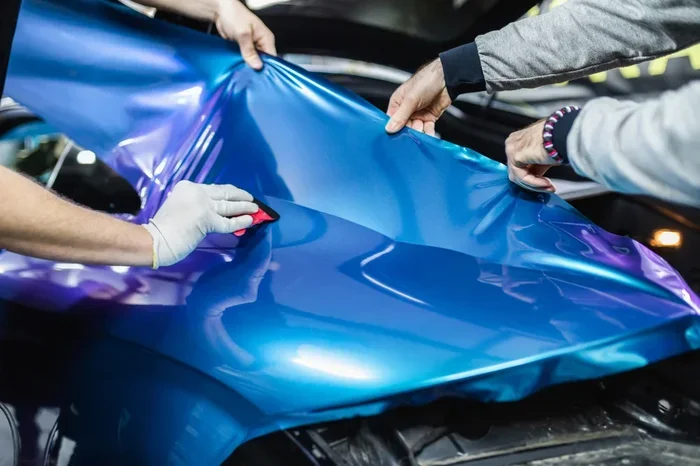
A car wrap is a large vinyl film applied directly over your vehicle’s surface. It changes the color, texture, or design of your car without permanently altering the original paint. Think of it like a giant sticker that covers your entire vehicle or just parts of it.
People wrap their cars for many reasons. Some want a fresh look without the expense of a new paint job. Others use wraps for business advertising. A wrapped van or truck can turn a daily driver into a moving billboard. And some folks simply love the idea of a custom design that turns heads everywhere they go.
The good news is that a vinyl wrap is reversible. When you are ready for a change or want to sell your car, the wrap comes off and reveals your original paint underneath. This is a huge advantage over painting, which permanently changes your vehicle.
How Much Does It Cost to Wrap a Car: Full Breakdown
The cost to wrap a car varies widely. Below we break down the most common pricing tiers so you can find your ballpark.
Full Car Wrap Cost
A full car wrap covers the entire exterior of your vehicle. This includes the hood, roof, doors, fenders, and trunk. For most sedans and compact cars, you can expect to pay between $2,000 and $3,500. Larger vehicles like SUVs and trucks push the price higher, often reaching $4,000 to $5,500 or more.
Here is a quick look at average full wrap costs by vehicle type:
- Compact car: $2,000 to $3,000
- Sedan: $2,500 to $3,500
- SUV: $3,500 to $5,000
- Truck: $3,500 to $5,500
- Van or commercial vehicle: $4,000 to $6,000
These prices include the vinyl material and professional installation. The wide range depends heavily on the factors we will cover next.
Partial Car Wrap Cost
Not ready for a full commitment? A partial wrap covers only certain sections of your car. Common options include the hood, roof, or side panels. Partial wrap cost typically starts around $500 to $1,500.
Here are some common partial wrap options and their average prices:
- Half wrap (sides only): $800 to $1,500
- Rooftop wrap: $300 to $600
- Hood and roof wrap: $600 to $1,200
- Accent stripes or decals: $200 to $800
Partial wraps are a great way to test the waters. They cost less and still give your car a fresh, customized look.
Material Types and Their Prices
Not all vinyl is created equal. The material you choose has a big impact on your wrap car cost. Here are the main types you will encounter:
Cast Vinyl. This is the premium option. Cast vinyl is thin, flexible, and conforms easily to curves and contours. It lasts longer and resists fading. Expect to pay $2,500 to $5,000+ for a full car wrap using cast vinyl.
Calendered Vinyl. This is the budget-friendly choice. Calendered vinyl is thicker and less conformable, which makes it better for flat surfaces. A full wrap with calendered vinyl typically costs $1,500 to $3,000. It may not last as long as cast vinyl, but it gets the job done.
Specialty Finishes. Want a matte, satin, chrome, or color-shift finish? These specialty materials cost more. A matte wrap might add $500 to $1,000 to your total. Chrome or metallic wraps can push costs even higher due to the complexity of installation.
Factors That Affect Car Wrap Cost
Why does one car wrap cost $2,000 and another cost $5,000? Several key factors drive the price difference.
Vehicle Size and Complexity
Bigger vehicles need more vinyl and more labor. A compact Honda Civic wraps faster and cheaper than a full-size Chevy Tahoe. Complex body lines, curves, and contours also increase installation time. Sports cars with aggressive body shapes often cost more to wrap than simple boxy sedans.
Material Quality
We touched on this above, but it bears repeating. Premium cast vinyl costs more upfront but lasts longer. Budget calendered vinyl saves money now but may need replacement sooner. The wrap car cost also goes up with specialty finishes like matte, satin, or chrome.
Design and Customization
A simple solid color wrap is the most affordable option. But if you want a custom design, multiple colors, or intricate graphics, the price climbs. Complex designs require more planning, cutting, and installation time. A full vehicle graphic wrap with custom artwork can easily exceed $6,000 to $10,000.
Professional vs DIY Installation
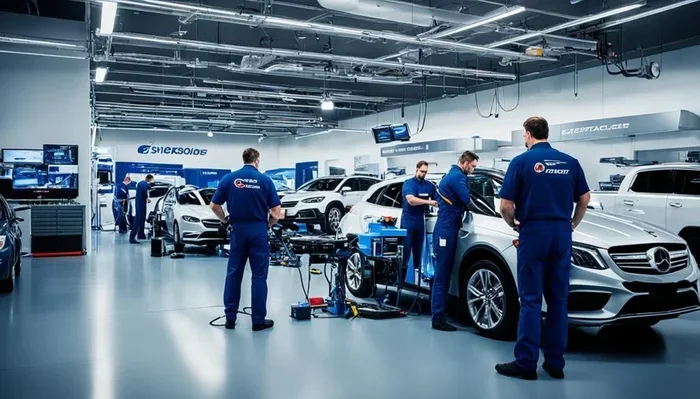
Hiring a professional car wrap installer costs more, but the results are usually worth it. Pros have the tools, experience, and workspace to do the job right. A sloppy DIY wrap can lead to bubbles, peeling, and premature wear.
If you choose the DIY route, you save on labor costs. A DIY wrap kit for a compact car might cost $500 to $1,500 for materials alone. But keep in mind that mistakes can be expensive to fix.
Geographic Location
Where you live matters. Car wrap services in major cities like New York or Los Angeles tend to cost more than in smaller towns. Labor rates, competition, and local demand all influence pricing. Always get quotes from multiple installers in your area.
DIY Car Wrap vs Professional Installation
This is one of the biggest decisions you will make. Let us compare both options side by side.
Professional Car Wrap
Going with a professional means you pay for expertise and quality. A skilled installer knows how to handle seams, edges, and tricky contours. Professional wraps typically come with a warranty of 3 to 7 years, depending on the material.
The average professional car wrap cost ranges from $2,000 to $5,500 for a full wrap. This includes the vinyl material, surface preparation, application, and post-install care instructions.
DIY Car Wrap
DIY wrapping can save you hundreds or even thousands of dollars. But it is not for the faint of heart. You need a clean, temperature-controlled workspace, the right tools, and a lot of patience.
Common DIY challenges include:
- Bubbles and wrinkles in the vinyl
- Improper edge sealing that leads to peeling
- Difficulty wrapping curved or contoured areas
- Stretching the material too thin
If you are handy and have done vinyl projects before, DIY can work well for simple wraps. But for a full car wrap, most experts recommend hiring a professional.
How Long Does a Car Wrap Last?
The lifespan of a car wrap depends on the material, installation quality, and how well you maintain it. A quality vinyl car wrap typically lasts between 5 and 7 years with proper care.
Here are some tips to extend your wrap’s life:
- Wash your car regularly, but avoid high-pressure sprays near the edges
- Use a gentle car wash soap and a soft microfiber cloth
- Avoid automatic car washes with strong brushes
- Park in the shade when possible to reduce UV exposure
- Address any peeling or lifting edges promptly
Proper maintenance not only extends the wrap’s life but also keeps it looking great. If you want to learn more about caring for your vehicle’s exterior, check out our guide on whether you can wash your car too much for helpful tips.
Keep in mind that a wrap protects your original paint underneath. This is a major benefit. When it is time to remove the wrap, your paint should be in the same condition it was before. This alone can justify the car wrap cost for many vehicle owners.
Is a Car Wrap Worth the Money?
This is the question that matters most. And the answer depends on your goals and budget.
If you want to change your car’s color without a paint job, a wrap is absolutely worth it. Paint jobs cost anywhere from $3,000 to $10,000 for quality work. A vinyl wrap gives you a similar transformation at a lower price point and without the permanence.
If you use your vehicle for business, a wrap can pay for itself through advertising. A professionally wrapped delivery vehicle or service truck generates constant brand exposure. Over time, the return on investment can far exceed the initial wrap cost.
For those who love customization, a wrap offers endless creative possibilities. You can change your look whenever you want. And when you sell your car, removing the wrap preserves the original paint, which helps maintain resale value. In fact, a well-maintained wrap can even increase your car’s value by protecting the factory paint.
Hidden Costs to Watch For
The sticker price of a car wrap is not the only expense. Here are some hidden costs to factor into your budget:
- Removal fees: If you want a professional to remove an old wrap, expect to pay $300 to $800.
- Surface repair: If your paint has chips or scratches, the installer may need to repair them before wrapping. This adds $200 to $500.
- Design fees: Custom graphics and complex designs may incur additional design charges of $200 to $1,000.
- Maintenance products: Specialized wrap-safe cleaners and sealants can cost $50 to $100 per year.
- Repairs: If the wrap gets damaged, patch repairs can cost $50 to $200 per panel.
Budgeting for these extras ensures you are not surprised by unexpected expenses down the road.
How to Choose the Right Car Wrap Installer
Not all wrap shops are created equal. Here is what to look for when choosing an installer:
- Experience and portfolio. Look at their past work. Ask to see photos of full wraps they have completed.
- Warranty offered. A reputable shop stands behind their work with a written warranty.
- Reviews and reputation. Check Google reviews, Yelp, and social media for customer feedback.
- Clean workspace. A professional shop should have a clean, dust-free environment for installation.
- Material brands. Ask what vinyl brands they use. Reputable brands include 3M, Avery Dennison, and KPMF.
Taking the time to find the right installer saves you money and headaches in the long run. A bad installation can ruin even the most expensive vinyl.
Can a Car Wrap Increase Your Vehicle’s Value?
Many car owners wonder if a vinyl wrap adds value to their vehicle. The short answer is yes, in most cases. A wrap protects the original factory paint from sun damage, minor scratches, and environmental wear.
When it is time to sell, a car with pristine original paint is more attractive to buyers than one with a repaint or visible damage. A quality car wrap acts as a sacrificial layer that takes the beating so your paint does not have to.
If you are curious about the specific financial impact, our article on whether vinyl wrap increases car value dives deeper into this topic with real-world data and expert insights.
Final Thoughts on Car Wrap Costs
The cost to wrap a car is a worthwhile investment for most vehicle owners. Whether you choose a full vinyl wrap or a simple partial design, the benefits are clear. You get a fresh, customized look without the permanence of paint. You protect your original paint. And you can change your mind whenever you want.
Plan your budget carefully. Factor in the vehicle size, material type, design complexity, and whether you go professional or DIY. Get multiple quotes from reputable installers in your area. And remember that the cheapest option is not always the best value.
A car wrap is a decision you will enjoy every time you walk up to your vehicle. Take your time, do your research, and choose the option that fits your style and budget. Your car will thank you for it.
Frequently Asked Questions
How much does a full car wrap cost on average?
The average full car wrap cost ranges from $2,000 to $5,500. Sedans and compact cars fall on the lower end, while SUVs, trucks, and vans cost more. The final price depends on the vinyl material, design complexity, and your geographic location.
Is it cheaper to wrap a car or paint it?
Wrapping is generally cheaper than a quality paint job. A professional paint job can cost $3,000 to $10,000, while a vinyl wrap typically costs $2,000 to $5,500. Wraps also offer the advantage of being reversible and paint-protective.
How long does a car wrap last?
A quality car wrap lasts between 5 and 7 years with proper care. The lifespan depends on the vinyl type, installation quality, and how well you maintain it. Cast vinyl tends to outlast calendered vinyl by a few years.
Can I wash my car after getting it wrapped?
Yes, you can and should wash your wrapped car regularly. Just avoid high-pressure sprays near the edges and use gentle soap. For more details on car washing best practices, see our guide on whether you can wash your car too much.
Does a car wrap damage the original paint?
No, a properly installed and removed vinyl wrap does not damage original paint. In fact, it protects the paint from UV rays, minor scratches, and environmental damage. This protection can actually help maintain your vehicle’s resale value.
Can I wrap my car myself to save money?
Yes, DIY wrapping can save you hundreds of dollars in labor costs. However, it requires skill, the right tools, and a clean workspace. Mistakes like bubbles and peeling can lead to costly repairs. For best results on a full car wrap, most people recommend hiring a professional.