What Is the Common Problem with Traction Control System
The most common problem with a traction control system is a faulty wheel speed sensor or a malfunctioning traction control module. This causes the traction control warning light to stay on and reduces your vehicle’s stability on wet or icy roads. Understanding these issues helps you fix them early and keep your car safe.
Key Takeaways
- Wheel speed sensors are the #1 culprit: Dirty or damaged sensors cause traction control failure more than any other part.
- The traction control warning light tells you everything: If it stays on, don’t ignore it — your system needs attention.
- Traction control problems cost $100-$600 to fix: Sensor replacement is cheap; module repair is expensive.
- Driving with traction control off is risky: You lose stability on slippery roads and during hard cornering.
- Regular maintenance prevents most issues: Simple checks keep your ABS and traction control working perfectly.
- Resetting the system often solves minor glitches: A battery disconnect can clear temporary errors.
- Traction control works with your ABS: They share components, so one failure can affect both systems.
📑 Table of Contents
- What Is the Common Problem with Traction Control System?
- How Your Traction Control System Works
- The Most Common Traction Control Problems
- What Causes Traction Control Failure?
- How to Diagnose Traction Control Problems
- How to Fix Traction Control Problems
- Can You Drive with Traction Control Off?
- How to Prevent Traction Control Problems
- How Much Does Traction Control Repair Cost?
- Real-World Traction Control Failure Stories
- Key Takeaways
- Frequently Asked Questions
- Conclusion
What Is the Common Problem with Traction Control System?
Your car’s traction control system works hard every time you drive. It keeps your wheels from spinning out on wet roads, icy patches, and loose gravel. But like any electronic system, it can fail. And when it does, you need to know what went wrong.
The most common problem with a traction control system is a bad wheel speed sensor. These small sensors sit near each wheel and send speed data to the traction control module. When one gets dirty, damaged, or worn out, the whole system stops working properly. The traction control warning light turns on, and your car loses some of its safety features.
Other frequent issues include a blown traction control fuse, a faulty traction control switch, or a failing traction control module. Each problem comes with its own set of symptoms. Some show up as a steady dashboard light. Others cause the system to shut off completely while you drive.
In this article, we will cover the top traction control problems you will face. We will explain what causes them, how to spot them early, and what it costs to fix them. By the end, you will know exactly what to do when your traction control acts up.
Let us dive in and help you keep your car safe and stable on every road.
How Your Traction Control System Works
Before we talk about problems, let us understand how the system works. When you accelerate on a slippery surface, your wheels can spin faster than the car is moving. The traction control system detects this wheel slip and steps in to slow down the spinning wheel. It does this by reducing engine power or applying the brakes to that specific wheel.
The system relies on several key components working together:
- Wheel speed sensors: These monitor how fast each wheel spins.
- Traction control module: This is the brain that processes sensor data.
- ABS modulator: This applies brakes when needed.
- Engine control unit: This reduces power to the wheels.
- Traction control switch: This lets you turn the system on or off.
All of these parts share information constantly. If one part fails, the whole system suffers. That is why a single bad wheel speed sensor can trigger the traction control warning light and even affect your ABS performance.
Traction Control and ABS: How They Are Connected
Many drivers do not realize that traction control and anti-lock braking system share the same wheel speed sensors. When one sensor goes bad, both systems can be affected. This is why you sometimes see both the ABS light and the traction control light come on at the same time.
The shared components include wiring harnesses, connectors, and the control module itself. A problem in any one of these shared parts can cause both systems to malfunction. This makes diagnosing traction control issues a bit more complex than you might expect.
The Most Common Traction Control Problems
Not all traction control problems are the same. Some are minor and easy to fix. Others point to deeper issues that need professional attention. Here are the most common problems drivers face with their traction control systems.
Bad Wheel Speed Sensor
A faulty wheel speed sensor is the number one cause of traction control failure. These sensors sit close to the wheel hub and are exposed to road debris, water, and extreme heat. Over time, they wear out or get contaminated with metal particles and dirt.
Signs of a bad wheel speed sensor include:
- The traction control warning light stays on constantly.
- The ABS light also turns on.
- Your car feels unstable on wet or icy roads.
- The system turns off and on randomly while driving.
- Your dashboard displays a traction control fault message.
Fixing a bad wheel speed sensor usually costs between $100 and $250 per sensor. The part itself is inexpensive. Labor takes about one hour per wheel. This makes it the most affordable traction control repair you can do.
Faulty Traction Control Module
The traction control module is the computer that processes all the data from your wheel speed sensors. When this module fails, your entire traction control system goes offline. Module failures are less common than sensor problems, but they are more expensive to fix.
Symptoms of a bad traction control module include:
- Both the traction control and ABS lights stay on.
- The system does not respond at all when you lose traction.
- Error codes related to traction control appear on a diagnostic scan.
- The car feels sluggish or unresponsive during acceleration.
Replacing a traction control module costs between $400 and $1,200 depending on your vehicle make and model. Luxury cars and European brands tend to cost more. The module itself ranges from $200 to $700, with the rest going to labor.
Blown Traction Control Fuse
A blown fuse is one of the simplest and cheapest problems you can have. Every traction control system has a dedicated fuse that protects the electrical circuit. If the circuit gets overloaded or shorts out, the fuse blows and the system loses power.
Common causes of a blown traction control fuse include:
- Water intrusion into the fuse box.
- Wiring shorts in the sensor circuit.
- A failing ABS pump motor drawing too much current.
- Old age and corrosion in the electrical connections.
Replacing a fuse costs just a few dollars. You can find the fuse box location in your owner’s manual. However, if the new fuse blows again right away, you have a deeper wiring problem that needs professional diagnosis.
Traction Control Switch Failure
Many vehicles have a physical button or switch to turn the traction control system on and off. Over time, this switch can wear out or develop electrical contact problems. When the switch fails, the system may not turn on when you need it.
A bad traction control switch causes these symptoms:
- The system will not turn off even when you press the button.
- The system will not turn on at all.
- The dashboard shows a traction control switch error.
- The button feels loose or sticks when you press it.
Replacing a traction control switch typically costs between $50 and $150 for the part. Labor is straightforward since the switch is usually mounted on the steering column or center console.
Wiring and Connector Issues
Your traction control system depends on a network of wires and connectors. These run from each wheel sensor to the control module. Exposure to road conditions, heat, and moisture can damage the wiring over time.
Corroded connectors and frayed wires cause intermittent traction control problems. You might notice the warning light flickering on and off. The system might work fine on dry roads but fail on wet surfaces. These issues can be tricky to diagnose because the symptoms come and go.
Fixing wiring problems requires a skilled technician who can trace the electrical circuit and find the damaged section. Costs range from $100 to $400 depending on how hard the wiring is to access.
What Causes Traction Control Failure?
Understanding what causes traction control problems helps you prevent them. Some causes are within your control. Others are simply part of normal vehicle wear and tear.
Road Conditions and Wear
Your wheels and sensors deal with a lot every day. Potholes, road salt, mud, and debris all take a toll. Wheel speed sensors sit very close to the moving parts of your wheel hub. They get exposed to dirt, water, and metal particles from brake dust.
Drivers who frequently travel on rough or unpaved roads will see more traction control issues. The vibrations and debris can loosen sensor connections and damage wiring. Regular cleaning of your wheel wells and undercarriage helps protect these components.
Age and Mileage
Like all car parts, traction control components wear out over time. A wheel speed sensor typically lasts between 100,000 and 150,000 miles. The traction control module can last the life of the vehicle, but electrical components inside it can fail as the car ages.
Higher mileage vehicles are more prone to traction control problems. If your car has over 100,000 miles, it is worth having the system checked during regular maintenance. Catching a failing sensor early saves you from a sudden traction control failure on a rainy day.
Electrical Gremlins
Modern vehicles have complex electrical systems. Sometimes a traction control problem is simply a bad ground connection or a corroded connector. These electrical gremlins can be frustrating because they do not always show up during a visual inspection.
Technicians use diagnostic scanners to read the fault codes stored in your car’s computer. These codes point directly to the problem area. Common traction control error codes include C0034 (left front wheel speed sensor) and C0040 (right front wheel speed sensor). Your mechanic can read these codes and pinpoint the exact issue quickly.
How to Diagnose Traction Control Problems
Diagnosing traction control issues does not have to be complicated. With the right approach, you can figure out what is wrong even before you visit a mechanic.
Check the Warning Lights First
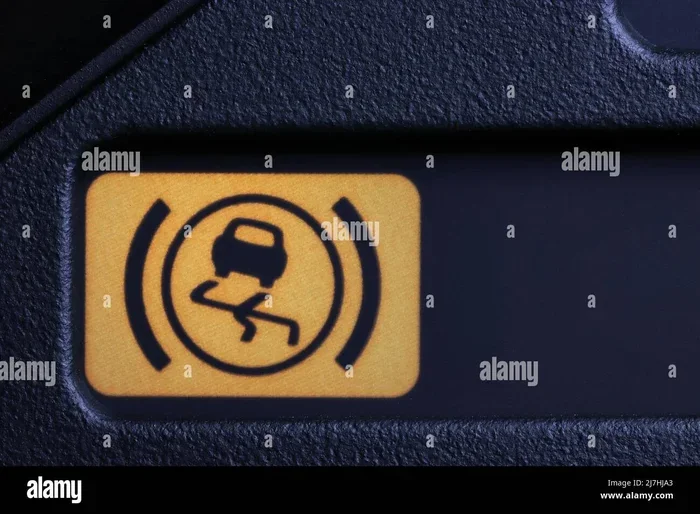
Your dashboard is the first place to look. When the traction control warning light comes on, pay attention to when it appears. Does it come on when you start the car and then go off? That is normal — the system is doing a self-check. Does it stay on while driving? You have a real problem that needs attention.
If the light flashes when you are slipping on ice, the system is actually working. It is engaging to help you maintain control. A steady light means the system has detected a fault and has shut itself off.
Use an OBD2 Scanner
An OBD2 scanner is one of the best tools for diagnosing traction control problems. You can buy a basic scanner for under $30 at most auto parts stores. Plug it into the diagnostic port under your steering column and read the fault codes.
Common traction control fault codes include:
- C0034: Left front wheel speed sensor circuit.
- C0040: Right front wheel speed sensor circuit.
- C0035: Left rear wheel speed sensor circuit.
- C0045: Right rear wheel speed sensor circuit.
- C1200: Traction control module internal failure.
These codes give you a clear direction. If the code points to a specific wheel sensor, you know exactly which part to replace.
Visual Inspection
Sometimes you can find the problem with a simple visual check. Look at the wiring harnesses behind each wheel. Check for frayed wires, loose connectors, or corrosion on the sensor plugs. Clean any dirt or brake dust buildup from the sensor tip.
Also check the fuse box for a blown traction control fuse. Your owner’s manual will show the exact fuse location and amperage rating. A quick fuse check takes two minutes and can save you a trip to the shop.
How to Fix Traction Control Problems
Fixing traction control issues depends on what is causing the problem. Some repairs are simple enough for a DIY enthusiast. Others require professional tools and expertise.
DIY Repairs You Can Do at Home
If you are comfortable working on your car, here are some traction control fixes you can handle yourself:
- Clean the wheel speed sensors: Use a wire brush or cloth to remove dirt and metal particles from the sensor tip. This often fixes intermittent traction control problems.
- Replace a blown fuse: Find the correct fuse, pull it out, and insert a new one with the same amperage rating. This costs less than $5.
- Reset the system: Disconnect your car battery for 15 minutes. This clears temporary error codes and resets the traction control module.
- Check and tighten connectors: Unplug and replug each wheel speed sensor connector. Corrosion on the pins can cause poor electrical contact.
These simple fixes resolve many common traction control issues. They cost almost nothing and take less than an hour.
Repairs That Need a Professional
Some traction control problems require a trained technician. These include:
- Replacing a wheel speed sensor: While the part is affordable, accessing some sensors requires lifting the vehicle and removing the wheel or brake components.
- Replacing the traction control module: This involves programming the new module to your specific vehicle. Only a dealership or qualified shop can do this.
- Repairing damaged wiring: Tracing and fixing electrical faults requires specialized diagnostic equipment.
- ABS pump motor failure: This is a complex repair that involves the entire anti-lock braking system.
If you are unsure about any repair, it is always best to consult a professional. Traction control is a critical safety feature. You do not want to leave it partially fixed or unrepaired.
Can You Drive with Traction Control Off?
Many drivers wonder if it is safe to drive with the traction control system turned off. The short answer is: it depends on the situation.
There are times when turning off traction control is actually helpful. When your car gets stuck in snow, mud, or sand, spinning the wheels can help you gain momentum to get unstuck. In these situations, turning off traction control lets your wheels spin freely.
However, driving with traction control off on normal roads is risky. The system helps you maintain control during sudden acceleration, sharp turns, and slippery conditions. Without it, your wheels are more likely to spin out and you can lose control of the vehicle.
Most experts recommend keeping traction control on at all times unless you have a specific reason to turn it off. If the system keeps turning off on its own, that is a sign of a problem you need to address.
How to Prevent Traction Control Problems
Prevention is always better than repair. Here are simple steps to keep your traction control system working reliably for years:
- Keep your sensors clean: Regularly wash the areas around your wheel hubs to remove dirt and brake dust buildup.
- Check your fuses during oil changes: A quick visual inspection of the fuse box can catch problems early.
- Address warning lights immediately: Do not ignore the traction control warning light. Early diagnosis prevents costly repairs.
- Drive carefully on rough roads: Avoid deep potholes and debris that can damage sensors and wiring.
- Follow your maintenance schedule: Regular inspections catch electrical issues before they become serious.
- Keep your battery terminals clean: A weak electrical system can cause intermittent traction control faults.
Taking these simple precautions can extend the life of your traction control system and keep you safer on the road.
How Much Does Traction Control Repair Cost?
The cost to fix traction control problems varies widely depending on what needs to be replaced. Here is a breakdown of common repair costs:
| Repair | Part Cost | Labor Cost | Total Cost |
|---|---|---|---|
| Wheel speed sensor replacement | $30-$100 | $70-$150 | $100-$250 |
| Traction control fuse replacement | $2-$10 | $20-$50 | $25-$60 |
| Traction control switch replacement | $50-$150 | $50-$100 | $100-$250 |
| Wiring repair | $20-$50 | $80-$350 | $100-$400 |
| Traction control module replacement | $200-$700 | $200-$500 | $400-$1,200 |
| ABS pump motor replacement | $300-$800 | $200-$600 | $500-$1,400 |
As you can see, most traction control repairs are affordable. The wheel speed sensor fix is the most common and least expensive. Module replacement is the most costly but also the least common.
Real-World Traction Control Failure Stories
Many drivers share their experiences with traction control problems online. A common story involves a driver on a rainy highway who suddenly loses stability. The traction control system does not engage because of a faulty sensor. The car slides slightly before the driver regains control.
Another common scenario is a driver who notices the traction control light on their dashboard for weeks but ignores it. Eventually, the system fails completely and the car behaves unpredictably on a wet road. A simple sensor replacement would have prevented this dangerous situation.
These stories highlight why addressing traction control issues promptly matters. The system is designed to protect you in moments when you need it most. A failed system means you are left without that protection.
Key Takeaways
- Wheel speed sensors are the #1 culprit: Dirty or damaged sensors cause traction control failure more than any other part.
- The traction control warning light tells you everything: If it stays on, do not ignore it — your system needs attention.
- Traction control problems cost $100-$600 to fix: Sensor replacement is cheap; module repair is expensive.
- Driving with traction control off is risky: You lose stability on slippery roads and during hard cornering.
- Regular maintenance prevents most issues: Simple checks keep your ABS and traction control working perfectly.
- Resetting the system often solves minor glitches: A battery disconnect can clear temporary errors.
- Traction control works with your ABS: They share components, so one failure can affect both systems.
Frequently Asked Questions
Why does my traction control light come on and then go off?
A traction control light that comes on briefly when you start the car and then goes off is completely normal. This is the system performing a self-check during startup. If the light stays on or comes back on while driving, you have a real fault that needs diagnosis. A loose connector or a temporarily dirty sensor can also cause the light to flicker on and off.
Can a bad wheel speed sensor affect my ABS?
Yes, absolutely. Your ABS and traction control systems share the same wheel speed sensors. When one sensor fails, both systems can be affected. This is why you often see both the ABS light and the traction control light come on at the same time. Replacing the faulty sensor usually fixes both problems.
Is it safe to drive with the traction control warning light on?
It is not recommended. With the traction control system off, your car is more likely to lose traction on wet, icy, or uneven surfaces. You can still drive to a repair shop, but exercise extra caution. Avoid sudden acceleration and sharp turns. Get the system diagnosed and repaired as soon as possible.
How often should I have my traction control system checked?
There is no set schedule for traction control inspections. However, having the system checked during your regular oil changes or tire rotations is a smart habit. Most mechanics will run a quick diagnostic scan at no extra cost. This catches small problems before they become expensive repairs.
What should I do if the traction control light comes on while driving in the rain?
Stay calm and reduce your speed gently. Avoid sudden braking or sharp steering. The traction control system may still be partially working even with the light on. Pull over safely when you can and check your wheel speed sensors for visible damage or dirt. If the light persists, have the car towed to a mechanic rather than continuing to drive in unsafe conditions.
Can a dead car battery cause traction control problems?
Yes, a weak or dead battery can cause traction control faults. The traction control module needs a stable electrical supply to function properly. Voltage fluctuations from a failing battery can trigger error codes and cause the warning light to come on. If you notice traction control issues along with other electrical problems like dim lights or slow cranking, have your battery tested.
Conclusion
The common problem with traction control usually comes down to a few simple causes. A bad wheel speed sensor tops the list. A blown fuse, faulty module, or damaged wiring round out the most frequent issues. The good news is that most of these repairs are affordable and straightforward.
Your traction control system is one of the most important safety features in your vehicle. It works silently in the background every time you drive. When it fails, you lose a layer of protection that can make the difference between a safe stop and a dangerous slide.
Pay attention to your dashboard warning lights. Do not ignore the traction control indicator. Address problems early, keep your sensors clean, and follow a regular maintenance schedule. These simple habits will keep your traction control system working reliably for years to come.
Now that you know what to look for and how to fix it, you are better equipped to handle traction control problems confidently. Share this article with a friend who might need it. Stay safe out there, and keep your wheels gripping the road.