Should I Charge My Hybrid Car Every Night Right Here
Should I Charge My Hybrid Car Every Night? The answer depends on your driving habits, battery type, and daily routine. This guide covers everything you need to know about charging habits, battery health, and fuel economy so you can make the best decision for your hybrid vehicle.
You wake up every morning, grab your coffee, and glance at your hybrid car plugged into the wall. But have you ever stopped to wonder if this is really the right thing to do? Should I Charge My Hybrid Car Every Night? It is a question that splits hybrid owners into two camps. Some swear by nightly charging. Others say it is unnecessary and could even harm the battery over time.
The truth is, there is no one-size-fits-all answer. Your charging routine depends on several factors, including your driving habits, the type of hybrid you own, and your daily commute distance. This guide breaks down everything you need to know so you can make an informed decision. We will cover charging habits, battery health, costs, and expert tips that most guides miss.
By the end, you will know exactly whether nightly charging makes sense for your situation. You will also learn how to get the best fuel economy and extend the life of your hybrid car battery. Let us dive in.
Key Takeaways
- Know Your Hybrid Type: Plug-in hybrids need more frequent charging than traditional hybrids.
- Battery Health Matters: Charging habits directly impact long-term battery degradation and battery pack longevity.
- Nightly Charging Has Pros and Cons: It is great for short commutes but may not suit everyone.
- Cost Is Low: Home charging is cheaper than gasoline and public charging stations.
- Follow Best Practices: Avoid deep discharges and keep your battery capacity between 20% and 80% for optimal health.
📑 Table of Contents
Understanding How Hybrid Cars Work
Before you decide on a charging routine, it helps to understand what makes a hybrid car different from a regular vehicle. Hybrids use two power sources: an electric motor and a gasoline engine. These systems work together to give you power and efficiency.
The Role of the Battery Pack
Every hybrid has a battery pack that stores electrical energy. This battery powers the electric motor for short distances. In a traditional hybrid, the battery stays small because it recharges through regenerative braking. In a plug-in hybrid, the battery is larger and needs external charging.
Your battery capacity determines how far you can drive on electric power alone. A larger capacity means more EV range and less reliance on gasoline. Understanding this helps you decide how often you should charge.
Electric Motor vs Gasoline Engine
The electric motor kicks in during low-speed driving, like in traffic or parking lots. The gasoline engine takes over at higher speeds or when the battery is low. Together, they balance power and efficiency. This dual system is what makes hybrids so popular for daily commuters.
Should I Charge My Hybrid Car Every Night?
This is the big question, and the answer is not as simple as yes or no. Let us break it down by hybrid type and driving pattern.
Plug-in Hybrid vs Traditional Hybrid
Not all hybrids are the same. A plug-in hybrid has a bigger battery and needs to be plugged in regularly. A traditional hybrid charges itself through driving and braking. If you own a plug-in hybrid, nightly charging makes a lot more sense. If you have a traditional hybrid, it is less critical.
Here is a quick look at the differences:
| Feature | Plug-in Hybrid | Traditional Hybrid |
|---|---|---|
| Battery Size | Larger (8-18 kWh) | Smaller (1-3 kWh) |
| Needs External Charging | Yes | No |
| EV Range | 20-60 miles | 1-5 miles |
| Nightly Charging Recommended | Yes, for daily use | Not necessary |
| Fuel Economy Impact | High | Low |
Daily Commute and Driving Patterns
Think about your typical day. Do you drive 10 miles to work and back? Or do you travel 50 miles each way? Your daily commute is the biggest factor in deciding whether to charge every night.
If you drive short distances, nightly charging ensures you start each day with a full battery capacity. This means more electric driving and less gasoline use. If you drive long distances, your hybrid will use a mix of power, and charging every night may not be as beneficial.
When Nightly Charging Makes Sense
Nightly charging works best when you meet these conditions:
- You have a plug-in hybrid with decent EV range.
- Your daily driving is under 40 miles round trip.
- You have access to a power outlet or home charging station.
- You want to maximize fuel economy and minimize gas costs.
- You park your car in a garage or covered area overnight.
If most of these apply to you, the answer to should I charge my hybrid car every night is likely yes.
The Pros and Cons of Charging Your Hybrid Every Night
Like any habit, nightly charging has advantages and disadvantages. Let us look at both sides honestly.
Benefits of Charging Every Night
- Maximum Electric Driving: A full battery means more miles on electric power and less gasoline.
- Better Fuel Economy: You use less gas, which saves money at the pump.
- Lower Emissions: More electric driving means a smaller carbon footprint.
- Convenience: Plugging in every night becomes a simple habit, like charging your phone.
- Quieter Driving: A charged battery supports more electric driving, which means a quieter ride.
When Nightly Charging May Not Be Ideal
There are situations where charging every night is not the best idea:
- Your daily driving is very short, and the battery still has plenty of charge.
- You live in an area with very high electricity rates.
- Your hybrid is a traditional model that does not need external charging.
- You frequently drive long distances and need the gasoline engine anyway.
- You notice your battery health declining and your mechanic advises against it.
Quick Tips for Nightly Charging
- Plug in your car right after you park, so it becomes automatic.
- Use a timer or smart charger to avoid overcharging.
- Check your battery capacity before plugging in.
- Keep your charging cable organized and accessible.
- Monitor your charging cost monthly to track savings.
How Nightly Charging Affects Battery Health
This is where many hybrid owners worry. They hear stories about batteries degrading fast and wonder if nightly charging is to blame. Let us clear up the myths and facts.
Battery Degradation Myths
A common myth is that charging your hybrid every night will ruin the battery. This is not entirely true. Modern hybrid batteries are designed for thousands of charge cycles. Nightly charging falls well within normal operating limits for most vehicles.
Another myth is that you should let the battery drain completely before recharging. This is outdated advice from older battery technologies. Today, lithium-ion batteries prefer partial charges. Keeping your battery between 20% and 80% is actually better for long-term health.
Best Practices for Longevity
To keep your hybrid car battery healthy for years, follow these practices:
- Avoid letting the battery drop below 20% regularly.
- Do not charge to 100% every night if you only need partial charge.
- Use the manufacturer-recommended charging station or power outlet setup.
- Keep your car in a moderate temperature environment when charging.
- Follow the hybrid vehicle maintenance schedule recommended by your dealer.
Common Mistakes That Hurt Battery Life
- Leaving the car plugged in all day: This can cause unnecessary stress on the battery.
- Using incompatible chargers: Always use the charger that came with your vehicle or an approved alternative.
- Ignoring warning lights: If your dashboard shows a battery warning, do not ignore it.
- Charging in extreme heat: High temperatures during charging can accelerate battery degradation.
- Skipping maintenance: Regular check-ups catch small battery issues before they become big problems.
Charging Cost and Efficiency
One of the biggest reasons people switch to hybrids is to save money. But how does the cost of nightly charging compare to filling up with gasoline?
Home Charging vs Public Stations
Charging at home is almost always cheaper than using public charging stations. Home electricity rates are lower, and you avoid the convenience fees that many public stations charge. Plus, you can charge overnight when electricity demand is lower, which may mean even lower rates depending on your utility plan.
Public stations are useful for road trips or when you do not have home charging access. But for your nightly routine, home charging is the clear winner.
How Much Does It Really Cost?
The cost depends on your local electricity rate and your hybrid’s battery size. On average, charging a plug-in hybrid at home costs between $1 and $3 per full charge. Compare that to $40-$60 for a full tank of gasoline. Over a year, the savings add up significantly.
Here is a rough comparison:
- Nightly home charging: $20-$50 per month
- Gasoline only (similar driving): $100-$200 per month
- Mixed electric and gas: $50-$100 per month
Quick Tips for Reducing Charging Cost
- Use a smart charger that schedules charging during off-peak hours.
- Consider installing solar panels to offset electricity costs.
- Keep your tires properly inflated to improve overall fuel economy.
- Drive smoothly to maximize your EV range on each charge.
Expert Tips and Best Practices for Hybrid Owners
You now know the basics. Here are some advanced tips that experienced hybrid owners and mechanics recommend.
Quick Tips for Every Hybrid Owner
- Create a charging routine: Plug in at the same time every day to build a habit.
- Monitor your battery health: Use your car’s onboard diagnostics to track battery status.
- Plan your trips: For longer drives, map out charging stations along your route.
- Keep software updated: Manufacturers often release updates that improve battery management.
- Join a hybrid community: Online forums and local groups share valuable hybrid car tips.
Common Mistakes to Avoid
- Do not ignore strange noises or warning lights.
- Do not let your battery capacity drop to zero regularly.
- Do not use fast charging every single day; reserve it for occasional use.
- Do not skip oil changes and other routine hybrid vehicle maintenance tasks.
- Do not assume your gasoline engine is broken if it kicks on during low-speed driving. This is normal.
Understanding Regenerative Braking
One of the smartest features in any hybrid is regenerative braking. When you lift your foot off the accelerator or press the brake, the electric motor reverses and acts as a generator. It captures energy that would normally be lost as heat and sends it back to the battery pack.
This means your hybrid is constantly self-charging during normal driving. It is one reason why traditional hybrids do not need nightly charging. For plug-in hybrid owners, regenerative braking extends your EV range and reduces how often you need to plug in.
Making the Right Decision for Your Lifestyle
So, should I charge my hybrid car every night? The final answer comes down to your personal situation. If you drive short distances, own a plug-in hybrid, and have a home power outlet, nightly charging is a great choice. It saves money, improves fuel economy, and keeps your battery in good shape.
If you drive long distances daily, own a traditional hybrid, or do not have reliable home charging, nightly charging may not be necessary or practical. Listen to your car, follow the manufacturer’s recommendations, and adjust your routine as your needs change.
The beauty of a hybrid is flexibility. You can rely more on electric power some days and more on gasoline on others. There is no single perfect routine. The best routine is the one that fits your life, your budget, and your driving patterns.
Start by trying a nightly charging routine for two weeks. Track your charging cost, your fuel savings, and how your car feels during drives. Adjust based on what you learn. Over time, you will find the sweet spot that works best for you and your hybrid car battery.
Remember, every hybrid is different. Your owner’s manual is your best friend. It contains specific guidance for your model, including recommended charge levels and maintenance schedules. When in doubt, consult your dealer or a trusted mechanic who specializes in hybrid vehicle maintenance.
Take control of your charging habits today. A little attention to how and when you charge can save you hundreds of dollars each year and keep your hybrid running strong for many miles to come.
Frequently Asked Questions
Can I overcharge my hybrid car if I leave it plugged in every night?
Most modern hybrids have built-in systems that stop charging once the battery reaches full capacity. This means you cannot overcharge your car by leaving it plugged in overnight. However, it is still a good idea to use a timer or smart charger to avoid keeping the battery at 100% for extended periods, which can slightly increase battery degradation over time.
How long does it take to charge a hybrid car at home?
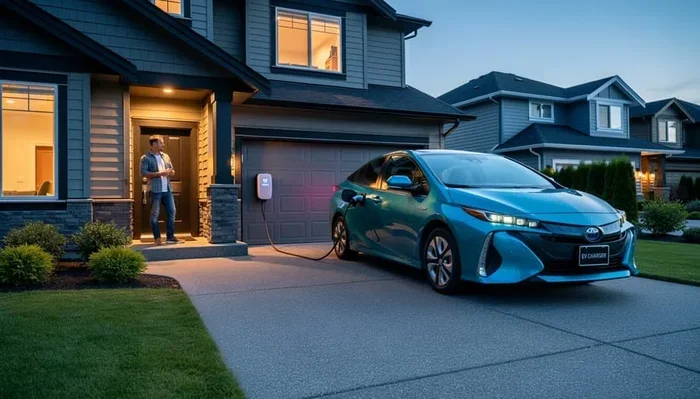
Charging time depends on your battery size and the power outlet you use. A standard household outlet charges a plug-in hybrid slowly, often taking 4 to 8 hours for a full charge. A dedicated 240-volt charging station can cut that time in half. For nightly charging, most owners plug in after arriving home and wake up to a full battery in the morning.
Is it cheaper to charge a hybrid at home than to buy gasoline?
Yes, in almost all cases. Home electricity is significantly cheaper per mile than gasoline. On average, hybrid owners save 40% to 60% on fuel costs by relying on electric charging at home. The exact savings depend on your local electricity rates, your driving distance, and your vehicle’s fuel economy ratings.
What happens if I do not charge my plug-in hybrid for several days?
Your plug-in hybrid will simply use more gasoline. The gasoline engine will take over when the battery is low, and your EV range will be reduced. This is not harmful to the car. Traditional hybrids self-charge through driving, so they do not need external charging at all. Plug-in hybrids benefit most from regular charging but can still function without it.
Can I use a regular household outlet to charge my hybrid?
Yes, you can use a standard 120-volt household power outlet to charge a plug-in hybrid. This is the slowest method and works best for overnight charging. If you want faster charging, consider installing a 240-volt charging station in your garage. Always have a licensed electrician handle any electrical installations to ensure safety.
Does charging my hybrid every night reduce battery life?
No, charging every night does not significantly reduce battery life for most modern hybrids. These vehicles are designed for regular charging cycles. The real factors that cause battery degradation are extreme temperatures, deep discharging, and using incompatible charging equipment. Follow best practices, keep your charge level between 20% and 80%, and your hybrid car battery should last many years.