How Do You Verify the Engine Number on Your Vehicle
Verifying your engine number is a simple but essential step for every car owner. Whether you are buying a used vehicle, handling paperwork, or just staying on top of maintenance, knowing how to find and confirm your engine number keeps you protected. This guide walks you through every step with clear, practical advice you can use right away.
Key Takeaways
- Engine numbers are unique identifiers: Every vehicle engine has a distinct number that helps verify its authenticity and history.
- You can find the engine number in several locations: Common spots include the engine block, vehicle frame, and documentation like the title or registration.
- Decoding the engine number reveals key details: The code tells you the manufacturer, model year, engine type, and production sequence.
- Verification protects you from fraud: Confirming the engine number helps ensure the vehicle has not been tampered with or rebuilt with a mismatched engine.
- Professional help is available when needed: If you struggle to locate or decode the number, dealerships and VIN decoder tools can assist.
- Keep your records updated: Maintaining accurate engine number documentation simplifies future sales, inspections, and service appointments.
📑 Table of Contents
Why Verifying Your Engine Number Matters
Your engine number is one of the most important pieces of information tied to your vehicle. It is not just a random string of digits and letters. It tells a story about your car’s origin, specifications, and history. Many car owners overlook this number until they need it for a sale, inspection, or insurance claim. That is a mistake you can easily avoid.
When you verify the engine number, you confirm that the engine in your vehicle matches the records on file. This matters for several reasons. First, it helps prevent fraud. Second, it ensures compliance with local laws. Third, it gives you peace of mind when buying or selling a car. Whether you are a seasoned car enthusiast or a first-time owner, understanding your engine number is a skill worth having.
Think of the engine number as your vehicle’s fingerprint. No two engines share the same number. This uniqueness is exactly what makes it so valuable for identification and verification purposes. Let us walk through everything you need to know about finding, reading, and confirming your engine number the right way.
Throughout this guide, we will cover practical steps, common mistakes, and helpful tips. You will also learn how engine numbers connect to broader vehicle identification systems like the VIN. By the end, you will feel confident tackling engine number verification on your own.
What Is an Engine Number and Where Can You Find It?
The engine number is a unique code stamped directly onto the engine block by the manufacturer. It contains a combination of letters and numbers that identify the specific engine type, production date, and factory where it was built. Unlike the vehicle identification number (VIN), which applies to the entire car, the engine number belongs only to the engine itself.
Knowing where to look is the first step. Here are the most common places to find your engine number:
On the Engine Block
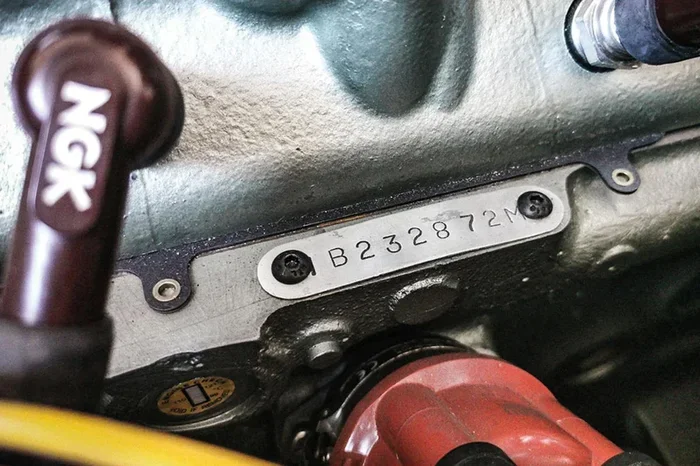
This is the most typical location. The number is usually stamped on a flat surface near the cylinder head or on the rear of the engine block. In many cars, you can find it on the passenger side. You may need to clean the area with a rag or brush to remove grease and dirt before reading it clearly.
On the Vehicle Frame or Firewall
Some manufacturers also stamp the engine number on the vehicle frame or the firewall, which is the metal wall between the engine compartment and the cabin. Check near the front of the car on the driver’s side for a metal plate or stamped code.
On Vehicle Documentation
Your car title, registration card, insurance documents, and service records often list the engine number. This is a great backup if you cannot find the physical stamp. When you verify the engine number on paper, cross-reference it with what you see on the engine itself.
Under the Bonnet Label
Many modern vehicles have a label or sticker placed under the hood that lists the engine number along with other specifications. Look near the front of the engine bay or on the inner fender for this label.
Quick Tips for Locating the Engine Number
- Always let the engine cool down before reaching into the engine bay.
- Bring a flashlight and a clean rag to improve visibility.
- Consult your owner’s manual for the exact location specific to your make and model.
- Take a photo of the number once you find it for your records.
- If the number is worn or faded, try using a soft brush and a light solvent to clean the area gently.
How to Decode Your Engine Number
Once you locate the engine number, the next step is understanding what it means. Engine numbers follow patterns set by each manufacturer, so the exact format varies. However, most codes share common elements that reveal important details about the engine.
Breaking Down the Code
A typical engine number includes the following segments:
- Manufacturer Code: The first few characters identify the automaker or engine manufacturer.
- Engine Type Identifier: This section tells you the specific engine family or model.
- Production Sequence Number: A series of digits that shows the order in which the engine was built.
- Date Code: Many manufacturers embed a date code that indicates when the engine was produced.
Using Online VIN Decoders
You do not have to decode the engine number alone. Many free online tools can help. A VIN decoder is one of the most useful resources available. You enter your vehicle’s VIN, and the tool pulls up detailed information about the engine, including the engine code. This is especially helpful when the physical engine number is hard to read.
Keep in mind that a VIN decoder works best when you already have a valid VIN. If you are trying to verify the engine number independently, the decoder can still provide context about the engine type and factory origin. Some popular tools include free services offered by auto parts retailers and vehicle history report providers.
Cross-Referencing with the VIN
The VIN and the engine number are related but different. The VIN identifies the entire vehicle, while the engine number identifies only the engine. When you verify the engine number, it is smart to cross-check it against the VIN records. If the two do not match, it could signal a replaced engine or, worse, a vehicle with a questionable history.
For example, if you are looking at a used car and the VIN indicates a four-cylinder engine but the engine number reveals a six-cylinder, that is a red flag. Always ask the seller for clarification and document everything. This kind of diligence protects your investment and keeps you safe from hidden problems.
Step-by-Step: How to Verify the Engine Number
Now that you know where to find the engine number and how to read it, let us walk through the actual verification process. Follow these steps carefully for the most accurate results.
Step 1: Gather Your Documents
Before you go under the hood, collect all relevant paperwork. This includes the car title, registration, insurance documents, and any service records you have. These documents should list the engine number on file. Having them ready saves time and gives you something to compare against.
Step 2: Physically Locate the Engine Number
Open the hood and find the engine number on the block. Use your flashlight and clean rag. Write down the full code exactly as it appears, including any letters, dashes, or spaces. Do not guess at unclear characters. If a character is hard to read, try photographing it with your phone and zooming in.
Step 3: Compare with Documentation
Match the physical engine number against what is printed on your title and registration. Every digit and letter should align. If there is even a small discrepancy, do not ignore it. Note the differences and investigate further.
Step 4: Check for Tampering Signs
Look closely at the stamp on the engine block. Genuine engine numbers are stamped clearly and consistently. Signs of tampering include uneven stamping, scratches around the number, paint or sealant covering the area, or numbers that look freshly engraved. If you suspect tampering, it is wise to seek professional inspection.
Step 5: Use a VIN Decoder for Confirmation
Enter your VIN into a trusted decoder tool. The results should confirm the engine type and code associated with your vehicle. Compare this with the physical engine number you recorded. When everything lines up, you have successfully verified the engine number.
Step 6: Document Everything
Save a copy of your findings. Take photos of the engine number, the VIN plate, and your documents. Store these in a safe place, such as a cloud folder or a physical file. This documentation becomes invaluable during future sales, insurance claims, or inspections.
Common Mistakes to Avoid During Verification
- Rushing the process and missing a character in the code.
- Confusing the engine number with the VIN or the chassis number.
- Relying solely on the seller’s word without doing your own check.
- Ignoring small discrepancies because they seem insignificant.
- Failing to clean the engine block area before attempting to read the number.
When the Engine Number Does Not Match
Finding a mismatch between the engine number and your documentation can be stressful, but it does not always mean something is wrong. There are several legitimate reasons this can happen.
Engine Replacement
If the vehicle has had a previous engine replacement, the engine number will naturally differ from the original records. This is legal as long as it is properly documented. In many regions, you are required to report an engine swap to your local motor vehicle department and update your registration accordingly.
Rebuilt or Rebuilt Engines
When an engine is rebuilt, the original number is often retained on the block. However, in some cases, a rebuilt engine may have a new number stamped by the rebuilder. If you are buying a car with a rebuilt engine, ask the seller for receipts and documentation from the rebuild shop.
Title or Registration Errors
Sometimes the mismatch is simply a clerical error on the title or registration. This is more common than you might think, especially with older vehicles. Contact your local DMV or equivalent agency to correct the records if this is the case.
When to Be Concerned
Not all mismatches are innocent. If the engine number on the block does not match the VIN decoder results, and there are signs of tampering, proceed with caution. This could indicate a stolen engine, a flooded title, or a vehicle involved in a serious accident. In these situations, it is best to walk away or consult a trusted mechanic before making any purchase decision.
One practical way to protect yourself is to run a full vehicle history report. These reports pull data from insurance companies, law enforcement databases, and service records. They can reveal whether a vehicle has a clean title, has been in major accidents, or has outstanding liens. Pairing a history report with engine number verification gives you a comprehensive picture of the vehicle’s past.
If you are ever unsure about a vehicle’s authenticity, consider visiting a local Chevrolet dealership or another authorized dealer for your vehicle’s brand. Dealerships have access to proprietary databases that can confirm engine codes and production details. They can also help you understand whether a particular engine swap or replacement is within normal expectations for that model.
The Role of Engine Numbers in Routine Car Maintenance
Engine numbers are not just for buying and selling cars. They play an important role in everyday maintenance too. When you order replacement parts, the engine number ensures you get the correct components for your specific engine type. Using the wrong parts can lead to poor performance, reduced fuel efficiency, and even safety hazards.
Ordering the Right Parts
Auto parts stores and online retailers often ask for the engine number when you purchase components like gaskets, seals, or engine mounts. Having this number handy makes the ordering process smooth and accurate. It also helps prevent costly returns and exchanges.
Tracking Service History
Many mechanics and service centers record the engine number in their computer systems. This makes it easier to track which services were performed on a specific engine over time. When you switch service providers, having the engine number on hand ensures continuity in your vehicle’s maintenance records.
Emissions Testing and Inspections
During emissions testing, inspectors often verify the engine number against the vehicle’s registration. A mismatched engine number can cause you to fail the inspection, even if the engine itself is in good working condition. Keeping your records accurate helps you pass these tests without unnecessary hassle.
Regular maintenance is one of the best ways to keep your engine running smoothly, and knowing your engine number is part of that process. If you ever need a diagnostic check or routine service, understanding your vehicle’s identification details empowers you to communicate more effectively with your mechanic. You can also check if you are able to get a free diagnostic on your car at many local shops, which can save you money and help you stay ahead of potential issues.
Key Takeaways
- Engine numbers are unique identifiers: Every engine has a distinct code that reveals its manufacturer, type, and production details.
- You can find the engine number in multiple places: Check the engine block, vehicle frame, documentation, and under-hood labels.
- Decoding the number gives you valuable information: Use online VIN decoders and manufacturer resources to understand what the code means.
- Verification protects against fraud: Confirming the engine number matches your records prevents you from buying a tampered or misrepresented vehicle.
- Mismatches are not always a problem: Engine replacements, rebuilds, and clerical errors can cause discrepancies. Investigate before assuming the worst.
- Documentation is essential: Keep photos and copies of your engine number records in a safe, accessible place.
- Routine maintenance benefits from this knowledge: The engine number helps you order the correct parts and track service history accurately.
Conclusion
Verifying your engine number is one of the simplest yet most valuable things you can do as a car owner. It takes only a few minutes but provides significant protection against fraud, confusion, and costly mistakes. Whether you are inspecting a used car, maintaining your current vehicle, or simply organizing your paperwork, knowing your engine number gives you confidence and control.
The process is straightforward: locate the number on the engine block or frame, compare it with your documents, decode it using available tools, and document your findings. If you ever encounter a mismatch, do not panic. Investigate the cause, gather evidence, and seek professional advice when needed.
Take a few minutes today to find and verify your engine number. Store the information somewhere safe and share it with your trusted mechanic. This small habit can save you significant time, money, and stress in the long run. Your engine is the heart of your vehicle, and knowing its identity is one of the best ways to take care of it.
Frequently Asked Questions
What is the difference between an engine number and a VIN?
The VIN identifies the entire vehicle, while the engine number identifies only the engine itself. The VIN is typically found on the dashboard and the driver’s side door jamb. The engine number is stamped directly onto the engine block. Both numbers serve different but equally important roles in vehicle identification.
Can I verify the engine number online for free?
Yes, many free VIN decoder tools are available online. You enter your VIN, and the tool returns detailed information about the engine, including the expected engine code. This is a great starting point before you physically check the engine number on your vehicle.
What should I do if the engine number is worn or unreadable?
Try cleaning the area gently with a soft brush and a mild solvent. If the number is still unreadable, you can check your vehicle documentation for the recorded engine number. In some cases, a dealership or automotive locksmith can help retrieve the information from manufacturer databases.
Is it legal to have a different engine number than what is on my title?
It depends on the reason for the difference. If the engine was replaced or rebuilt and properly documented, it can be legal. However, you may need to update your registration and title with your local motor vehicle agency. Always check your state or country’s regulations to stay compliant.
How often should I verify my engine number?
There is no set schedule, but it is a good practice to verify the engine number during major maintenance, when buying or selling a vehicle, or when updating your insurance and registration records. It only takes a few minutes and provides lasting peace of mind.
Can someone change or forge an engine number?
Unfortunately, yes. Engine numbers can be tampered with, which is why verification is so important. Signs of tampering include uneven stamping, fresh scratches around the number, or paint covering the stamp area. If you suspect forging, have a professional inspect the vehicle before proceeding with any transaction.