Does Coolant Really Last 10 Years or Is That a Myth
Does coolant really last 10 years? The short answer is: it depends. Modern coolants can last a long time, but many factors determine their actual lifespan. Your driving habits, climate, and coolant type all play a big role in how long your engine coolant stays effective.
You may have heard someone say, “I never change my coolant. It lasts 10 years.” But is that really true? The idea that coolant lasts a full decade sounds great on paper. It saves time. It saves money. It feels like one less thing to worry about.
But here is the truth. Coolant does not always last 10 years. In many cases, it breaks down much faster than you think. The type of coolant you use, how you drive, and the climate you live in all change the game. Let us dig into this topic and separate fact from fiction.
If you own a vehicle for the long haul, like a 10 Years Boys Car or any long-lasting family vehicle, understanding coolant lifespan becomes even more important. Your cooling system works hard every single day to keep your engine from overheating. Treating it right means knowing when to change that coolant.
Key Takeaways
- Coolant lifespan varies: Not all coolants last 10 years. Traditional green coolant may need replacement every 2-3 years.
- Type matters: Organic Acid Technology (OAT) and Hybrid Organic Acid Technology (HOAT) coolants last significantly longer than conventional types.
- Signs of bad coolant: Color changes, overheating, and a sweet smell are clear indicators your coolant needs attention.
- Neglecting coolant causes damage: Old coolant leads to corrosion, overheating, and costly engine repairs.
- Check your owner’s manual: Your vehicle manufacturer knows best when it comes to coolant change intervals.
- Long trips increase wear: Vehicles used for extended travel, like a 10 Seater Car For Travelling, may need more frequent coolant checks.
- Flush and replace on schedule: Regular coolant flush keeps your cooling system healthy and your engine running smooth.
📑 Table of Contents
- What Is Coolant and Why Does It Matter?
- Does Coolant Really Last 10 Years? The Short Answer
- Signs Your Coolant Needs Changing
- Factors That Affect Coolant Lifespan
- What Happens When You Neglect Coolant Changes?
- How Often Should You Really Change Your Coolant?
- Quick Tips for Coolant Maintenance
- Common Coolant Mistakes to Avoid
- Expert Insights: What Mechanics Say About Coolant Lifespan
- Conclusion
What Is Coolant and Why Does It Matter?
Before we answer whether coolant lasts 10 years, let us talk about what coolant actually does. Engine coolant, also called antifreeze, is a liquid mixture that flows through your engine. It absorbs heat and carries it away from vital engine parts.
Without coolant, your engine would overheat in minutes. Think of it as the lifeblood of your vehicle’s temperature regulation system. It keeps things running at the right temperature, no matter the weather.
How the Cooling System Works
Your cooling system is a clever setup. The water pump pushes coolant through channels in the engine block. The coolant absorbs heat as it flows. Then it travels to the radiator, where air cools it down. The cycle repeats over and over.
Along the way, coolant also prevents freezing in cold weather and prevents rust and corrosion inside metal parts. That is a lot of responsibility for one fluid. No wonder it does not last forever.
Coolant vs Antifreeze: Are They the Same?
People use these terms interchangeably, but they are not exactly the same. Antifreeze is the concentrated liquid, usually made of ethylene glycol or propylene glycol. Coolant is antifreeze mixed with water, usually in a 50/50 ratio. When people say “coolant,” they typically mean the ready-to-use mixture in your radiator.
Does Coolant Really Last 10 Years? The Short Answer
Here is where things get interesting. The answer is not a simple yes or no. Coolant lifespan depends on several factors. Some coolants are designed to last a long time. Others need frequent changes.
If your car manual says your coolant is “lifetime,” that does not mean it truly lasts forever. It means the manufacturer expects normal driving conditions. Real-world driving is rarely “normal.” Stop-and-go traffic, extreme temperatures, and towing all shorten coolant life.
The Myth of Lifetime Coolant
Many modern cars come with “lifetime” coolant from the factory. This sounds amazing. You never have to think about it again, right? Not quite. Over time, coolant additives break down. The coolant additives that prevent corrosion and cavitation wear out. When they do, your cooling system becomes vulnerable.
Some manufacturers define “lifetime” as the expected life of the vehicle. But most cars change hands before that. And even if you keep one car for 15 or 20 years, the coolant still degrades. So calling it “lifetime” is a bit misleading.
How Long Different Coolant Types Actually Last
Not all coolants are created equal. The type of coolant you put in your engine makes a huge difference. Here is a quick breakdown.
- Inorganic Additive Technology (IAT): This is the traditional green coolant. It typically lasts 2 to 3 years or 30,000 to 36,000 miles. Older vehicles often use this type.
- Organic Acid Technology (OAT): These coolants are often orange, red, or purple. They last much longer, typically 5 years or 150,000 miles. Many modern vehicles use OAT.
- Hybrid Organic Acid Technology (HOAT): This type combines features of IAT and OAT. It usually lasts about 5 years or 150,000 miles. It is common in many newer cars and SUVs.
- Phosphate Organic Acid Technology (POAT): Some manufacturers use this proprietary blend. Lifespan varies, but it often falls in the 5-year range.
So can any of these coolants truly last 10 years? Maybe. But only under ideal conditions. And even then, it is a stretch. Most experts recommend changing coolant well before the 10-year mark.
Signs Your Coolant Needs Changing
You do not need to wait for a scheduled service to notice bad coolant. Your vehicle gives you warning signs. Learning to spot them can save you from expensive repairs.
Check the Color
Fresh coolant has a bright color. Green, orange, red, or blue, depending on the type. If your coolant looks rusty, brown, or murky, something is wrong. Discoloration means contamination. Debris and rust particles have mixed into the fluid.
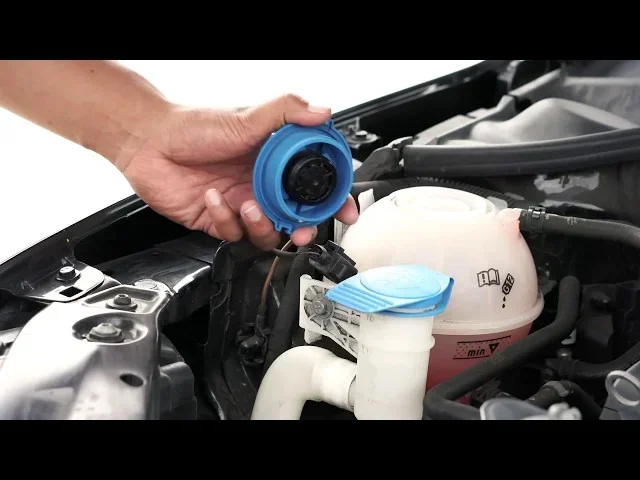
When you open your coolant reservoir, take a look. Healthy coolant should look clean and vibrant. If it looks dull or dirty, it is time for a coolant flush.
Watch for Overheating
One of the most obvious signs is an overheating engine. If your temperature gauge climbs into the red zone, your coolant may not be doing its job. Old coolant loses its ability to absorb and transfer heat effectively.
Overheating is serious. It can cause warped cylinder heads, blown head gaskets, and cracked engine blocks. These repairs cost thousands of dollars. A simple coolant change could have prevented all of that.
Sweet Smell or Visible Leaks
Coolant has a sweet, syrupy smell. If you notice this smell inside your car or under your vehicle, check for leaks. A coolant leak means your system is losing fluid. Low coolant levels lead to overheating and engine damage.
Puddles under your car, especially bright green, orange, or pink ones, are a clear sign. Do not ignore them. Even a small leak can cause big problems over time.
Heater Problems
Your car’s heater uses coolant to generate warm air. If your heater blows cold air when the engine is warm, low or degraded coolant could be the cause. This is an often-overlooked sign that your cooling system needs attention.
Factors That Affect Coolant Lifespan
Why does coolant break down faster in some cases? Several factors play a role. Understanding them helps you take better care of your vehicle.
Driving Conditions
Stop-and-go city driving is harder on your cooling system than highway cruising. Frequent starts and stops generate more heat. If you drive in heavy traffic daily, your coolant works overtime.
Towing heavy loads also increases engine temperature. If you regularly haul trailers or transport items in a 10 Seater Family Car, your cooling system faces extra stress. Plan for more frequent coolant checks in these situations.
Climate and Weather
Extreme heat and extreme cold both affect coolant performance. In very hot climates, coolant works harder to keep the engine cool. In freezing temperatures, the coolant’s freeze protection becomes critical.
Over time, the additives that protect against both heat and cold degrade. This is especially true in harsh climates where the cooling system runs constantly at its limits.
Coolant Mixture and Quality
Using the wrong coolant type or mixing different coolants can cause chemical reactions. These reactions create sludge and deposits. They clog passages and reduce cooling efficiency.
Always use the coolant type recommended by your vehicle manufacturer. Mixing coolants is a common mistake that shortens lifespan and causes damage.
Maintenance Habits
Regular maintenance makes a huge difference. Checking your coolant level monthly takes only a few minutes. Topping off when needed keeps the system functioning properly.
Skipping routine checks allows small problems to grow. A tiny leak today becomes a major repair tomorrow. Stay on top of your cooling system maintenance.
What Happens When You Neglect Coolant Changes?
Let us talk about the consequences. What really happens when you skip coolant changes for years? The answer is not pretty.
Corrosion and Rust
Old coolant loses its anti-corrosion properties. Inside your engine block and radiator, metal surfaces start to corrode. Rust particles circulate through the system. They clog narrow passages and reduce coolant flow.
A clogged cooling system cannot regulate temperature properly. This leads to hot spots inside the engine. Hot spots cause warping, cracking, and permanent damage.
Overheating and Engine Failure
The most immediate danger of bad coolant is overheating. When coolant cannot absorb heat, engine temperatures rise fast. Prolonged overheating destroys engine components.
A blown head gasket, cracked engine block, or warped cylinder head are all possible outcomes. These repairs often cost more than the vehicle itself is worth. A simple coolant change every few years would have prevented this entirely.
Water Pump Damage
Your water pump relies on coolant for lubrication. Old, acidic coolant damages the pump’s seals and bearings. A failing water pump means the coolant stops circulating. Without circulation, the engine overheats quickly.
Replacing a water pump is expensive enough. But the engine damage that follows a failed pump? That is a whole different story.
Radiator and Hose Damage
Corrosion does not just stay inside the engine. It attacks the radiator and hoses from the outside. Old coolant eats away at metal connections and rubber hoses. Cracks develop. Leaks start. Suddenly you are stranded on the side of the road.
How Often Should You Really Change Your Coolant?
The honest answer is: it depends on your vehicle and your driving conditions. But here are some general guidelines that work for most drivers.
- Traditional coolants (IAT): Every 2 years or 30,000 miles.
- Extended-life coolants (OAT/HOAT): Every 5 years or 150,000 miles.
- Severe driving conditions: Shorten intervals by 20-30%.
- Always check your owner’s manual: Your manufacturer’s recommendation is the best starting point.
Even if your manual says “lifetime coolant,” consider changing it at the 5-year mark. This is a good practice for long-term vehicle health. If you plan to keep your car for a long time, regular coolant changes pay for themselves in avoided repairs.
For those who use their vehicles for long family trips or road journeys, keeping your cooling system in top shape is essential. Whether you drive a compact or a spacious 10 Seater Family Car In India, the cooling system works hard during long drives and deserves proper maintenance.
Quick Tips for Coolant Maintenance
Taking care of your coolant does not have to be complicated. Follow these simple tips to keep your cooling system in great shape.
- Check coolant level monthly: Open the hood and look at the reservoir. The level should be between the minimum and maximum marks.
- Never open the radiator cap when hot: Pressurized coolant can cause serious burns. Wait for the engine to cool completely.
- Use distilled water for mixing: Tap water contains minerals that cause buildup and corrosion. Distilled water is pure and safe.
- Stick to one coolant type: Mixing different coolants causes chemical reactions. If you are unsure, flush the system and start fresh.
- Watch for warning signs: Overheating, leaks, discoloration, and heater problems all point to coolant issues.
- Keep a record: Note the date of your last coolant change. Set a reminder for the next one.
- Get professional flushes when needed: A proper coolant flush removes old fluid and debris completely. A simple drain and refill is not enough.
Common Coolant Mistakes to Avoid
Even well-meaning car owners make mistakes with coolant. Here are the most common ones and how to avoid them.
- Adding water instead of coolant: Water boils at a lower temperature and freezes faster than coolant. In an emergency, a small amount of water is okay. But it should never replace proper coolant long-term.
- Ignoring small leaks: A tiny drip today becomes a big problem tomorrow. Address leaks immediately.
- Using the wrong coolant type: Always match the coolant to your vehicle’s specifications. Check your owner’s manual or ask a trusted mechanic.
- Skipping the coolant flush: Draining old fluid leaves behind contaminated coolant and sludge. A full flush cleans the entire system.
- Assuming color means it is good: Coolant color can change for many reasons. Do not assume a color change means the coolant is fine. Test it or replace it on schedule.
Expert Insights: What Mechanics Say About Coolant Lifespan
We asked experienced mechanics about their take on the “10-year coolant” claim. The consensus was clear: it is mostly a myth. Most mechanics recommend changing coolant every 5 years at the latest, regardless of the type.
“I see too many engines damaged by old coolant,” says one veteran mechanic. “The additives break down. The coolant becomes acidic. It eats away at internal components. A 30-minute coolant change saves thousands in engine repairs.”
Another mechanic added, “Even if the coolant looks okay on the surface, it may have lost its protective properties internally. That is why I always recommend a flush and replace on a schedule.”
The takeaway is clear. Trust the experts. Change your coolant on a regular schedule. Your engine will thank you.
Conclusion
So, does coolant really last 10 years? The answer is complicated but mostly no. While some extended-life coolants can technically last that long under perfect conditions, real-world driving rarely provides those conditions.
Your coolant is the unsung hero of your engine. It works silently every day to prevent overheating, freezing, and corrosion. Treating it with respect means changing it on schedule and watching for warning signs.
Do not fall for the myth that you can ignore coolant for a decade. A small investment in regular coolant changes pays huge dividends. It keeps your engine cool, your trips worry-free, and your wallet happy. Take care of your coolant, and it will take care of your engine for years to come.
Frequently Asked Questions
Can I really go 10 years without changing my coolant?
It is highly unlikely. Even extended-life coolants degrade over time. Most experts recommend changing coolant every 5 years at most. Going 10 years without a change puts your engine at serious risk of overheating, corrosion, and expensive damage.
What happens if you don’t change coolant for 10 years?
Old coolant loses its protective additives. It becomes acidic and corrosive. This damages internal engine parts, the radiator, water pump, and hoses. In severe cases, the engine can overheat and suffer catastrophic failure. The repair costs far exceed the cost of regular coolant changes.
How do I know if my coolant is still good?
Check the color, consistency, and level. Healthy coolant should be bright and translucent. If it looks rusty, dark, or sludgy, it needs replacing. You can also use a coolant test strip to check pH levels and freeze point protection.
Is it okay to mix old and new coolant?
It is not recommended. Mixing different coolant types or old and new coolant can cause chemical reactions. These reactions create sludge and reduce cooling efficiency. Always flush the system completely before adding new coolant.
Does driving in hot weather shorten coolant life?
Yes, it does. Extreme heat puts extra stress on the cooling system. The additives in coolant break down faster under high temperatures. If you live in a hot climate, consider checking and changing your coolant more frequently than the standard schedule.
What is the difference between coolant and antifreeze?
Antifreeze is the concentrated liquid. Coolant is antifreeze mixed with water, usually in a 50/50 ratio. Antifreeze alone is too concentrated and can cause overheating and corrosion. Always dilute antifreeze with distilled water before adding it to your system.