What Breaks on High-Mileage Cars and How to Fix Them
High-mileage cars face a predictable set of wear and tear issues that every owner should know about. From engine components to suspension parts, understanding what breaks on high-mileage cars helps you stay ahead of costly repairs. This guide covers the most common failures and gives you practical, step-by-step fixes for each one. Whether your car has 100,000 miles or 200,000 miles, these tips will save you time, money, and stress.
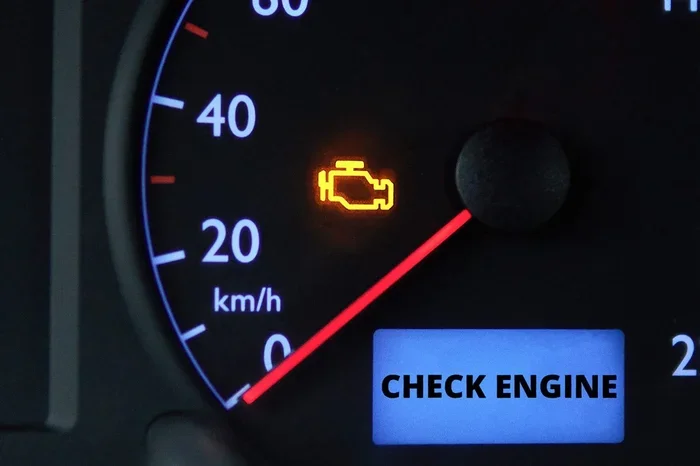
Your car has logged a lot of miles. Maybe it is at 120,000. Maybe it is pushing 200,000. Either way, you have probably noticed a few things that just do not feel right. A rattle here. A squeak there. A warning light that comes on and then goes away.
Here is the truth. Every vehicle has a breaking point. And that point comes faster when the odometer climbs. What breaks on high-mileage cars follows a surprisingly predictable pattern. Once you know the pattern, you can fix problems before they become disasters. This article walks you through the most common failures and shows you exactly how to fix them.
You do not need to be a mechanic. You just need to know what to look for and when to act. So let us dive into the parts of your car that are most likely to fail as the miles add up.
Key Takeaways
- Engine wear is the #1 concern: timing belts, head gaskets, and oil seals fail most often on high-mileage vehicles.
- Transmission problems sneak up: fluid degradation and worn clutch packs cause shifting issues over time.
- Suspension and steering parts wear out together: shocks, bushings, and wheel bearings need regular inspection.
- Brake system components degrade predictably: rotors, calipers, and brake lines demand attention past the 100K mark.
- Cooling system failures are expensive when ignored: water pumps, radiators, and hoses fail more often as mileage climbs.
- Preventive maintenance beats reactive repairs: staying on top of fluid changes and inspections saves thousands.
- Knowing what to budget for matters: understanding common failure points helps you plan financially for aging vehicles.
- Engine Problems That Surface on High-Mileage Vehicles
- Transmission Failures and How to Address Them
- Suspension and Steering Components That Wear Out
- Brake System Wear on High-Mileage Vehicles
- Cooling System Failures That Cause Major Damage
- Electrical and Exhaust System Wear
- Common Mistakes Owners Make with High-Mileage Cars
- Expert Tips for Keeping a High-Mileage Car on the Road
- Ignoring small leaks: A small oil leak seems harmless. But it signals worn seals that will get worse. Address small leaks before they become big ones.
- Skipping fluid changes: Old transmission fluid, coolant, and brake fluid accelerate wear on internal components. Stay on schedule.
- Driving through warning signs: Overheating, grinding brakes, and slipping gears are not normal. They are signals that something is about to fail.
- Using cheap parts: On a high-mileage car, quality parts last longer and prevent repeat repairs. Cheap brake pads or gaskets cost less upfront but fail sooner.
- Neglecting tire maintenance: Worn tires reduce handling and safety. Rotate tires every 5,000 to 7,500 miles and check alignment annually.
- Follow a strict maintenance schedule: Do not stretch oil change intervals or skip inspections. High-mileage cars need more frequent attention.
- Use synthetic oil: Synthetic oil protects engine bearings and seals better than conventional oil. It also lasts longer between changes.
- Address overheating immediately: Even a brief overheating event can cause permanent engine damage. Pull over safely and get help.
- Keep records of all repairs: A maintenance log helps you track what has been done and what is coming due. It also increases resale value.
- Budget for repairs: Set aside 100 to 200 dollars per month for maintenance and repairs. This prevents surprise costs from becoming financial crises.
- Listen to your car: Unusual noises, smells, and handling changes are early warnings. The sooner you investigate, the less it costs to fix.
📑 Table of Contents
Engine Problems That Surface on High-Mileage Vehicles
The engine is the heart of your car. After hundreds of thousands of miles, it starts to show its age. Understanding high mileage car problems starts here, because engine failures cost the most money and cause the most headaches.
Timing Belt and Chain Wear
The timing belt or chain keeps your engine’s valves and pistons in sync. Over time, this rubber or metal component stretches and wears. A broken timing belt on an interference engine can cause catastrophic damage. The valves bend, the pistons crack, and suddenly you face a full engine replacement.
Most manufacturers recommend replacing the timing belt between 60,000 and 100,000 miles. But if you skipped this service, the risk grows every day. Signs of a worn timing belt include a ticking noise from the engine, rough idling, and difficulty starting. What breaks on high-mileage cars often starts with this small but critical component.
How to fix it: Replace the timing belt and tensioner as a complete kit. While the belt is off, also swap the water pump if it is belt-driven. This saves you labor costs later. A timing belt job typically costs between 500 and 1,000 dollars, depending on your vehicle. That is far cheaper than a new engine.
Head Gasket Failure
The head gasket sits between the engine block and the cylinder head. It seals combustion gases, coolant, and oil passages. When it fails, you get a cocktail of fluids where they do not belong. Coolant leaks into the cylinders. Oil mixes with coolant. Combustion gases escape into the cooling system.
Head gasket failure is one of the most feared high mileage car problems. It often happens when the engine overheats repeatedly over time. The symptoms are hard to ignore. You will notice white smoke from the exhaust, a milky residue under the oil cap, coolant disappearing without visible leaks, and overheating that comes and goes.
How to fix it: A head gasket replacement is labor-intensive. The mechanic removes the cylinder head, resurfaces it, and installs a new gasket. Expect to pay 1,200 to 2,500 dollars for this repair. The key is catching it early. If you ignore a failing head gasket, coolant enters the engine oil and damages bearings. That turns a 1,500-dollar repair into a 4,000-dollar engine rebuild.
Oil Seal and Gasket Degradation
Your engine has dozens of seals and gaskets. The valve cover gasket, crankshaft seal, and camshaft seals all degrade with age. Oil seepage is the most common symptom. You might see oil spots on your driveway or a burning oil smell while driving.
Small leaks do not seem urgent. But they get worse over time. Oil that leaks past seals means less oil reaches the bearings and moving parts. That accelerates wear and creates a vicious cycle. What breaks on high-mileage cars often involves a chain reaction like this.
How to fix it: For minor seepage, stop-leak additives can buy you time. For actual leaks, the gasket or seal needs replacement. Valve cover gasket replacements are relatively affordable at 300 to 600 dollars. Crankshaft seal jobs run higher, around 500 to 900 dollars, because of the labor involved.
Transmission Failures and How to Address Them
Your transmission works harder than almost any other component. It shifts thousands of times during every drive. Over high mileage, the internal parts wear down, and fluid breaks down. Transmission problems are among the most expensive high mileage car problems to repair.
Transmission Fluid Breakdown
Transmission fluid lubricates gears, cools clutch packs, and provides hydraulic pressure for shifts. Over time, this fluid oxidizes and loses its properties. Old fluid feels gritty, smells burnt, and loses its red color. When fluid degrades, clutch packs slip, shifts become harsh, and internal components wear faster.
Many owners never change their transmission fluid. Manufacturers sometimes claim the fluid is “lifetime.” But lifetime does not mean forever. It means the fluid lasts under normal conditions. High mileage, towing, and stop-and-go traffic are not normal conditions.
How to fix it: Change your transmission fluid every 60,000 to 80,000 miles. Use the exact spec recommended by your manufacturer. A fluid and filter change costs 150 to 300 dollars and can add years of life to your transmission. If you already have slipping or harsh shifts, a full fluid flush might not be enough. You may need internal repairs.
Worn Clutch Packs and Solenoids
Inside an automatic transmission, clutch packs engage and disengage gears. These clutch packs wear over time, especially in vehicles that tow or carry heavy loads. Solenoids control hydraulic pressure and can stick or fail as they age.
Symptoms include delayed engagement, slipping between gears, and rough or jerky shifts. Some drivers also notice the transmission going into limp mode, which limits speed and gear selection to protect the drivetrain.
How to fix it: A transmission rebuild involves removing the unit, replacing worn clutch packs, solenoids, seals, and gaskets. Rebuild costs range from 1,500 to 3,500 dollars. In some cases, a used or remanufactured transmission swap costs less and takes less time. The best prevention is regular fluid changes and avoiding aggressive driving.
Suspension and Steering Components That Wear Out
Your suspension system keeps the tires on the road and the ride smooth. After years of miles, every component in this system starts to loosen and wear. Suspension problems are some of the most common high mileage car problems owners notice first.
Shock Absorbers and Struts
Shocks and struts absorb road impacts and keep your tires planted. Worn shocks cause excessive bouncing, nose-diving during braking, and uneven tire wear. You might also notice your car rocking side to side after turning.
Shocks typically last 50,000 to 100,000 miles. Struts last a similar range. But aggressive driving, potholes, and heavy loads shorten their lifespan significantly.
How to fix it: Replace shocks or struts in pairs, front or rear. If you replace only one side, you get uneven handling. A complete front strut assembly replacement costs 400 to 900 dollars per side. Shock replacements are cheaper, around 200 to 500 dollars for a pair. Always get an alignment after suspension work.
Control Arm Bushings and Ball Joints
Control arm bushings cushion the connection between the suspension and the frame. Ball joints allow the suspension to move freely. Both of these parts wear out over time. When they do, you get clunking noises over bumps, steering wander, and uneven tire wear.
Worn ball joints are dangerous. A ball joint that separates while driving can cause a loss of steering control. This is one of those what breaks on high-mileage cars issues that demands immediate attention.
How to fix it: Have your mechanic inspect ball joints and bushings during every oil change. Worn bushings cost 200 to 500 dollars to replace per side. Ball joint replacements run 300 to 800 dollars each. Some ball joints are part of the control arm assembly, so the entire arm gets replaced, which raises the cost.
Steering Rack and Tie Rod Ends
The steering rack converts your steering wheel input into wheel movement. Tie rod ends connect the steering rack to the steering knuckles. Both parts are under constant stress and wear with mileage.
Symptoms of a failing steering rack include play in the steering wheel, a vibrating feeling at highway speeds, and fluid leaks near the rack. Worn tie rod ends cause clunking in the steering and the car pulling to one side.
How to fix it: Tie rod end replacements are relatively affordable at 150 to 400 dollars per side. Steering rack repairs or replacements cost much more, typically 800 to 2,000 dollars. Regular power steering fluid changes help extend the life of the steering rack.
Brake System Wear on High-Mileage Vehicles
Brakes are wear items. They are designed to be replaced. But on high-mileage cars, the brake system faces more than just pad and rotor wear. Multiple components degrade over time, and the whole system needs attention.
Brake Rotors and Calipers
Brake rotors thin out over thousands of stops. Worn rotors cause vibration during braking, longer stopping distances, and uneven pad wear. Calipers can seize or leak, causing the brakes to drag on one side. This leads to overheating, uneven pad wear, and reduced fuel economy.
How to fix it: Replace brake pads every 30,000 to 50,000 miles. Resurface rotors if they are still above the minimum thickness. Replace rotors if they are worn thin or warped. Caliper replacements cost 300 to 800 dollars per caliper. A full brake job on all four corners typically runs 400 to 1,000 dollars.
Brake Lines and Flex Hoses
Brake lines carry pressurized fluid to each wheel. Rubber flex hoses connect the hard lines to the calipers or wheel cylinders. Over time, these rubber hoses crack and swell internally. A swollen hose traps brake fluid, causing the brakes to stick or release slowly.
This is one of the what breaks on high-mileage cars issues that is easy to miss. You cannot always see the damage from the outside. But a skilled mechanic can spot a swollen flex hose during a brake inspection.
How to fix it: Replace brake flex hoses every 100,000 miles as preventive maintenance. A set of four hoses costs 100 to 250 dollars. If steel brake lines are rusted or leaking, they need replacement too. Brake line work costs 150 to 400 dollars depending on how many lines need attention.
Cooling System Failures That Cause Major Damage
The cooling system keeps your engine from overheating. It is simple in concept but full of parts that degrade over time. Cooling system failures are among the most damaging high mileage car problems because overheating destroys engines quickly.
Water Pump Failure
The water pump circulates coolant through the engine and radiator. The pump uses a seal and bearings that wear out over time. When the water pump fails, coolant stops flowing, and the engine overheats within minutes.
Signs of a failing water pump include coolant leaks near the front of the engine, whining noises, and steam from the hood. Some water pumps are driven by the timing belt, which means replacing them during a timing belt job saves significant labor.
How to fix it: Replace the water pump when you replace the timing belt. The combined labor makes this much more cost-effective. A water pump replacement costs 300 to 750 dollars. If the engine overheats and warps the head or block, the repair bill jumps dramatically.
Radiator and Hose Degradation
Radiators develop leaks at the seams and tank connections over time. Rubber hoses crack and bulge, especially in hot climates where heat accelerates rubber breakdown. A radiator hose that bursts leaves you stranded with an overheating engine.
How to fix it: Inspect hoses at every oil change. Squeeze them gently. If they feel hard, cracked, or spongy, replace them. Radiator hose replacements cost 30 to 80 dollars per hose. A radiator replacement runs 300 to 900 dollars depending on the vehicle. Flushing the cooling system every 30,000 miles prevents buildup that accelerates these failures.
Thermostat Sticking
The thermostat regulates coolant flow based on engine temperature. A stuck thermostat causes overheating or running too cold. Both conditions damage the engine over time. Thermostat failures are cheap and easy to fix, but they are easy to ignore until bigger problems develop.
How to fix it: Replace the thermostat if you notice temperature gauge fluctuations or slow warm-up times. A thermostat costs 10 to 30 dollars for the part. Labor is usually 100 to 200 dollars. This is one of the cheapest and most important repairs on a high-mileage vehicle.
Electrical and Exhaust System Wear
High-mileage cars also face electrical and exhaust system issues. These problems are often overlooked until they cause a breakdown or failed inspection.
Alternator and Starter Motor Wear
The alternator charges the battery and powers electrical systems while the engine runs. Starters spin the engine to start it. Both parts wear out after years of use. A failing alternator causes dim lights, a dead battery, and electrical gremlins. A failing starter causes clicking noises when you turn the key.
How to fix it: Alternator replacements cost 300 to 700 dollars. Starter replacements run 200 to 600 dollars. Have your battery and charging system tested annually after 100,000 miles. Catching a weak alternator early prevents a dead battery and a stranded car.
Catalytic Converter Failure
The catalytic converter reduces harmful emissions. It can clog or break apart over time, especially if the engine runs rich or has misfire issues. A clogged converter reduces engine power, decreases fuel economy, and triggers the check engine light.
How to fix it: Catalytic converter replacements are expensive, ranging from 800 to 2,500 dollars. The best prevention is fixing engine misfires and fuel system problems early. A misfire that goes unaddressed can destroy a catalytic converter within weeks.
Common Mistakes Owners Make with High-Mileage Cars
Avoiding these mistakes saves money and extends the life of your vehicle. Here are the most common errors owners make when dealing with aging cars.
Expert Tips for Keeping a High-Mileage Car on the Road
Keeping a high-mileage car reliable is not about luck. It is about a consistent maintenance routine and knowing when to invest in repairs versus when to let go. Here are expert tips that make a real difference.
Understanding what breaks on high-mileage cars gives you power. You stop guessing and start planning. You know which parts to watch and which repairs to prioritize. This knowledge transforms you from a worried owner into a confident one.
Every car reaches a point where maintenance costs start to add up. But a well-maintained high-mileage car can easily last another 100,000 miles. The key is staying proactive. Fix small problems before they become big ones. Keep fluids fresh. Inspect the parts that wear out most. And never ignore a warning sign.
Your car has been loyal to you through thousands of miles. It deserves the care and attention that keeps it running safely. Use this guide as your roadmap for tackling the most common high mileage car problems. With the right knowledge and a solid maintenance plan, your vehicle will keep going strong for miles to come.
Frequently Asked Questions
What is the most common thing that breaks on a high-mileage car?
The most common failure on high-mileage cars is the timing belt or chain. When it breaks, it can cause catastrophic engine damage. Other frequent issues include worn brake components, degraded suspension bushings, and head gasket failure. Regular maintenance catches most of these problems before they become serious.
How do I know if my car has high mileage problems?
Watch for warning signs like unusual noises, fluid leaks, overheating, rough idling, and decreased fuel economy. Check your maintenance history and compare it to your current mileage. A trusted mechanic can perform a comprehensive inspection to identify potential issues before they fail.
Is it worth repairing a car with 150,000 miles?
Yes, in most cases. A well-maintained car with 150,000 miles can last another 100,000 miles or more. The key is staying on top of maintenance and addressing repairs promptly. Compare the repair cost to the car’s value and your budget to make the best decision.
How often should I change fluids on a high-mileage car?
Change engine oil every 5,000 to 7,500 miles with synthetic oil. Replace transmission fluid every 60,000 to 80,000 miles. Flush the coolant every 30,000 miles and brake fluid every 2 years. These intervals keep vital systems functioning and prevent premature wear.
What should I budget for high-mileage car repairs annually?
A reasonable budget is 1,000 to 2,500 dollars per year for maintenance and repairs on a high-mileage vehicle. This varies based on the car’s age, condition, and your driving habits. Setting aside money each month prevents financial stress when repairs come up.
Can synthetic oil help a high-mileage engine?
Yes, synthetic oil provides better protection for aging engines. It flows more smoothly at low temperatures, resists breakdown at high temperatures, and reduces sludge buildup. Many mechanics recommend switching to synthetic oil for high-mileage vehicles to extend engine life and reduce wear.
=== CONCLUSION ===
What breaks on high-mileage cars follows a clear and predictable pattern. Engine components like timing belts, head gaskets, and seals fail first. The transmission, suspension, brakes, cooling system, and electrical components follow over time. Each of these systems has warning signs if you know what to look for.
The best defense against high-mileage breakdowns is prevention. Regular fluid changes, timely inspections, and prompt repairs keep your car running longer and cost less. Do not ignore small problems. They always become big problems if you wait.
Use the tips and fixes in this guide to take control of your car’s maintenance. You do not need to be a mechanic. You just need to be informed and proactive. Your high-mileage car can still deliver years of reliable service. Give it the care it deserves, and it will keep getting you where you need to go.