What Are the Basic Controls of a Forklift and How They Work
What Are the Basic Controls of a Forklift? This guide breaks down every lever, pedal, and button you need to know. You’ll learn the steering, hydraulic, and braking systems in plain English. Whether you’re new to warehouse work or just curious, you’ll leave with clear, actionable knowledge. Let’s dive into the basics and build your confidence.
Forklifts are the backbone of warehouses, construction sites, and shipping docks. They move heavy loads with ease, but they only work safely when the operator understands the controls. If you’ve ever sat in a forklift seat and felt overwhelmed by the levers and pedals, you’re not alone. What Are the Basic Controls of a Forklift and how do they actually work? This guide answers that question in simple, everyday language. You’ll learn each part step by step, so you can operate with confidence and stay safe on the job.
Understanding forklift controls isn’t just about passing a test. It’s about protecting yourself and the people around you. A misplaced lever or a missed warning light can lead to a serious accident. That’s why we’ve broken down every major system into easy-to-digest sections. By the end of this article, you’ll know exactly how the steering, hydraulics, pedals, and dashboard work together. Let’s start with the big picture and then get into the details.
Key Takeaways
- Steering is rear-wheel based: The forklift turns from the back, making tight corners possible but requiring extra caution.
- Hydraulic levers control the mast: The lift lever raises and lowers the forks, while the tilt lever angles the mast forward or backward.
- Pedals work differently than a car: There is usually an accelerator, a brake, and sometimes an inching pedal for precise movement.
- The dashboard tells you everything: Gauges, warning lights, and the horn are all critical for safe forklift operation.
- Safety controls are non-negotiable: The kill switch, seat belt, and parking brake must be checked before every shift.
- A pre-operation inspection prevents accidents: Walking around the machine and testing controls takes only minutes but saves lives.
📑 Table of Contents
- The Steering System and How to Turn a Forklift
- The Hydraulic Controls for Lifting and Lowering
- Pedals and Foot Controls: Accelerator, Brake, and Inching
- Dashboard Instruments and Warning Lights
- Safety Controls and Emergency Features
- Pre-Operation Checklist and Daily Inspections
- Putting It All Together: A Smooth Operation
- Conclusion
The Steering System and How to Turn a Forklift
Steering a forklift feels completely different from driving a car. In a car, the front wheels turn. In a forklift, the rear wheels do all the work. This design gives the machine amazing maneuverability in tight spaces, but it also demands a different mindset. Before you move the forklift, you need to understand the basic layout.
The Steering Wheel and Its Sensitivity
The steering wheel is right in front of you, just like in a car. But here’s the catch: forklift steering is much more responsive. A small turn of the wheel can make the back end swing wide. This is called the “rear swing” and it’s the number one cause of new-operator accidents. Always plan your turn before you start it. Keep your hands relaxed on the wheel and make smooth, gradual movements.
Why Forklift Steering Feels Different
Because the rear wheels pivot, the front end lifts the load. That means the center of gravity shifts as you lift. When you turn, the entire machine wants to tip if you go too fast. The golden rule is simple: never turn on a slope, and never take a turn at full speed. Slow, deliberate steering keeps the forklift stable and the load secure.
The Hydraulic Controls for Lifting and Lowering
The hydraulic system is the heart of a forklift. It uses fluid pressure to raise and lower the heavy loads you carry. Without it, a forklift would just be a heavy frame with wheels. The controls for this system are usually located on the right side of the steering column, within easy reach of your right hand.
The Lift Lever and Mast Functions
The lift lever is the main control for moving the forks up and down. Pulling it toward you raises the forks. Pushing it away lowers them. Most forklifts have a neutral position in the middle where the lever does nothing. You’ll also notice a release handle near the top of the mast. This handle lets you free the carriage to tilt or adjust the forks manually when the engine is off.
Understanding the Hydraulic Power Unit
Under the hood, the hydraulic power unit contains a pump, a reservoir, and a series of valves. The pump pushes fluid through hoses to the lift cylinder and the tilt cylinder. When you move the lever, you’re opening or closing those valves. Clean hydraulic fluid is essential for smooth operation. If the fluid is low or dirty, the forks might move slowly or jerk unpredictably. Always check the fluid level during your pre-operation inspection.
Pedals and Foot Controls: Accelerator, Brake, and Inching
The foot pedals on a forklift look similar to a car’s pedals, but they serve slightly different purposes. Most forklifts have three pedals: the accelerator on the right, the brake in the middle, and an inching pedal on the left. The inching pedal is unique to forklifts and it changes the way you control the machine.
The Accelerator Pedal
The accelerator is on the far right. It controls the engine speed and, therefore, the forklift’s speed. Unlike a car, forklifts usually have a limited top speed of around 5 to 8 miles per hour. You still need to be gentle with the accelerator. Sudden bursts of speed can destabilize the load and make the rear end swing out.
The Brake Pedal and Parking Brake
The brake pedal is in the center. It slows down or stops the forklift. Some forklifts also have a parking brake lever between the seats. This lever locks the rear wheels in place when you leave the machine. Always set the parking brake before you get out. It’s a simple habit that prevents the forklift from rolling away.
The Inching Pedal (If Equipped)
The inching pedal, also called the creep pedal, is on the left. When you press it, it disengages the transmission and lets the forklift move at a very slow walking pace without pressing the accelerator. This is perfect for precise positioning when you’re stacking pallets on high shelves. If your forklift has an inching pedal, use it often. It gives you much finer control over your movements.
Dashboard Instruments and Warning Lights
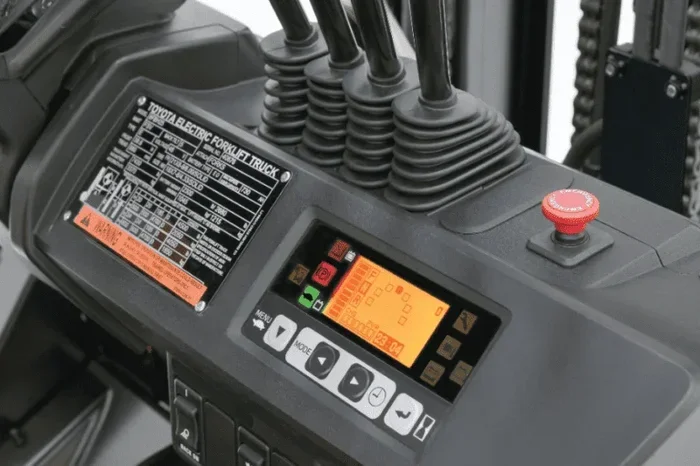
The dashboard is your communication center. It tells you exactly what’s happening with the forklift at any given moment. Ignoring the lights and gauges can lead to mechanical failure or a dangerous situation. Spend a minute learning what each symbol means before you start the engine.
Speedometer and Odometer
The speedometer shows your current speed. Most forklifts have a top speed of around 5 miles per hour in a loaded condition. The odometer tracks total hours or miles, which helps with maintenance scheduling. Keep an eye on the hour meter. It tells you when it’s time for an oil change or a hydraulic check.
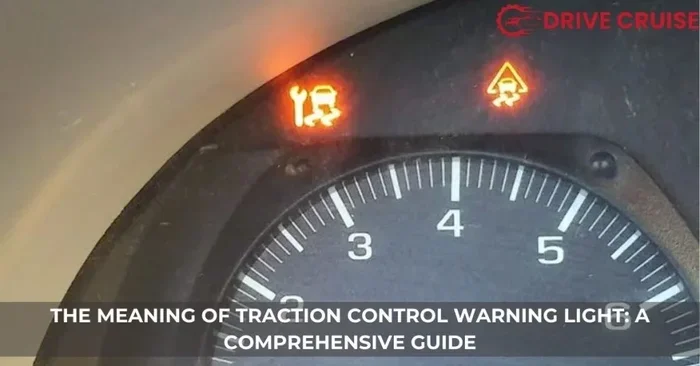
Forklift Warning Lights and Gauges
Warning lights are critical for forklift safety. The most common ones are the engine temperature gauge, the oil pressure light, and the battery charge indicator. If the temperature light comes on, shut the engine off immediately and let it cool. If the oil pressure drops, you could damage the engine beyond repair. The horn, usually a large button on the left side of the steering column, is your loudest safety tool. Use it at every intersection and when approaching blind corners.
Safety Controls and Emergency Features
Forklifts come with several built-in safety features designed to protect the operator and bystanders. These controls are not optional. You must know where they are and how to use them before you start the engine.
The Kill Switch and Emergency Stop
Many forklifts have a kill switch or an emergency stop button. This is usually a red button on the dashboard or a key switch on the side. In an emergency, hitting this button shuts down the engine instantly. It also disables the hydraulic system, which means the forks will hold their position. Always know where this button is before you start the machine.
Seat Belt and Horn
The seat belt is your last line of defense in a tip-over accident. Wear it every single time you operate the forklift. If the machine does tip over, the seat belt keeps you inside the protective cage. The horn is your voice on the warehouse floor. Sound it often, especially when backing up or moving through areas where people can’t see you. A loud, clear honk can prevent a collision before it happens.
Pre-Operation Checklist and Daily Inspections
A safe forklift operator never skips the daily walk-around inspection. This quick check takes about five minutes and can catch problems before they become serious. The checklist is simple, but it covers every critical system.
Walk-Around Inspection
Start at the front and walk around the entire machine. Check the tires for damage or low pressure. Look at the forks for cracks, bends, or excessive wear. Inspect the mast for any leaks or unusual noises. Check the hydraulic hoses for cracks or loose fittings. Finally, look under the carriage for any debris or fluid puddles. If you find anything wrong, report it immediately and do not operate the forklift.
Testing the Controls Before Moving
Once you’re inside, do a control check. Start the engine and listen for any unusual sounds. Test the horn, the lights, and the backup alarm. Move the lift lever gently to see if the forks raise and lower smoothly. Test the tilt lever to make sure the mast moves without jerking. Press the brake pedal and make sure the forklift stops firmly. Only after all these checks pass should you move the machine.
Putting It All Together: A Smooth Operation
Now that you know each control individually, let’s talk about how they work together. A smooth forklift operation is all about coordination. You use the steering wheel for direction, the pedals for speed, and the hydraulic lever for lifting. The dashboard keeps you informed, and the safety controls protect you. When all these systems are in harmony, the forklift becomes a precise, powerful tool rather than a dangerous machine.
Practice makes perfect. If you’re new to forklifts, spend time in a safe, empty area getting used to the feel of the machine. Learn how much pressure it takes to accelerate smoothly. Feel how the rear end swings on a tight turn. Get comfortable with the inching pedal for slow, precise movements. The more you practice, the more natural the controls will feel. And remember, confidence comes from knowledge, not from rushing.
Every forklift is slightly different, but the basic principles remain the same. Whether you’re driving a counterbalance forklift, a reach truck, or a telehandler, the controls follow the same logic. The steering is rear-wheel based, the hydraulics use levers, the pedals control speed and stopping, and the dashboard gives you vital information. Master these fundamentals and you’ll be ready to handle any forklift with skill and safety.
Conclusion
Understanding What Are the Basic Controls of a Forklift is the first step toward becoming a confident, safe operator. You’ve learned about the steering system, the hydraulic levers, the foot pedals, the dashboard instruments, and the safety features. Each part plays a vital role in keeping you and your coworkers safe. The key is to always respect the machine, follow your training, and never skip the daily inspection. With this knowledge, you’re ready to step into the seat and handle any forklift with ease. Stay safe, stay aware, and keep learning.
Frequently Asked Questions
Do all forklifts have the same controls?
Most forklifts share the same basic layout: a steering wheel, hydraulic levers, and three pedals. However, the placement of the inching pedal and the type of mast can vary. Always refer to the operator’s manual for your specific model before you start the engine.
What is the inching pedal used for?
The inching pedal disengages the transmission and lets the forklift creep forward at a walking pace. It’s perfect for precise positioning when you’re stacking or unstacking pallets without pressing the accelerator pedal.
How often should I check the hydraulic fluid?
Check the hydraulic fluid level at the start of every shift. Low fluid can cause slow or jerky movements, which is dangerous. If you notice the fluid is consistently low, inspect the hoses and cylinders for leaks and report the issue immediately.
Why does the rear end swing out when I turn?
Forklifts steer from the rear wheels, so the back end swings wide on turns. This is normal, but it requires extra caution. Always check your mirrors and swing wide to avoid hitting walls, racking, or coworkers.
What should I do if the forklift starts to tip over?
Stay in your seat, grip the steering wheel tightly, and lean away from the direction of the tip. Never jump out. The seat belt and the protective cage are designed to keep you safe in a tip-over situation. Apply the brake and shut off the engine if possible.
Can I drive a forklift with a broken warning light?
No. A broken warning light means you might not be alerted to a serious problem, like low oil pressure or overheating. Report any damaged warning lights immediately and have them repaired before operating the forklift.