Should You Start a Forklift in Neutral or Risk Damage
Should you start a forklift in neutral? The answer is yes — and here is why it matters. Starting your forklift in neutral protects the transmission, reduces engine wear, and keeps you safe on the job. Skipping this simple step can lead to expensive repairs and serious operational safety hazards. This guide walks you through the correct forklift startup procedure and the risks you need to avoid.
Every day, forklift operators climb into their machines and fire them up without thinking twice about how they start the engine. But here is the thing — how you start a forklift can make a huge difference in its lifespan, performance, and your safety on the job site. One of the most common questions we hear is this: should you start a forklift in neutral?
The short answer is yes. And no, this is not just some random rule someone made up. There are real mechanical reasons, safety concerns, and forklift maintenance benefits behind this practice. Whether you are a seasoned forklift operator or someone who just got certified, understanding the correct starting procedure is one of the most important things you can do.
In this article, we are going to break down everything you need to know. We will cover what happens when you start a forklift in the wrong gear, the correct forklift startup steps, the risks involved, and expert tips that will keep your machine running strong for years. So let us get into it.
Key Takeaways
- Always start your forklift in neutral: This simple habit protects your transmission and engine from unnecessary damage.
- Follow the pre-start inspection checklist: A quick check of brakes, hydraulics, and tires keeps your forklift operation safe and smooth.
- Starting in gear is a common mistake: It can cause sudden movement, hydraulic strain, and costly forklift damage.
- Proper warm-up matters: Letting the forklift engine idle briefly improves transmission fluid circulation and overall performance.
- Regular maintenance prevents problems: Consistent forklift maintenance catches issues before they become expensive repairs.
- Know your forklift manual: Every model has specific starting procedures outlined by the manufacturer for a reason.
- Safety comes first: Correct gear position and parking brake use are essential for every forklift operator.
📑 Table of Contents
- Why Does Starting Position Matter for Forklifts?
- The Correct Forklift Startup Procedure
- Risks of Starting a Forklift in Neutral (When Done Wrong)
- Benefits of Starting in Neutral
- Expert Tips for Proper Forklift Operation
- Common Mistakes to Avoid
- Comparison: Starting in Neutral vs. Starting in Gear
- Quick Tips for Every Forklift Operator
- Conclusion
Why Does Starting Position Matter for Forklifts?
You might be wondering why the gear position matters so much when starting a forklift. After all, does it really make a difference if the machine is in neutral or in gear when you turn the key? The answer is a definite yes, and it comes down to how forklift engines and transmission systems work.
Understanding Your Forklift Transmission
A forklift is not like a regular car. Most forklifts use a transmission system that is directly connected to the engine. When you turn the ignition, the engine fires up and power flows through the transmission to the wheels. If the gear position is set to drive or reverse, that power has somewhere to go immediately.
Starting in neutral means the transmission is disengaged from the wheels. No power goes to the drivetrain. This gives you full control before the forklift engine is running at operating speed. It is a small detail that makes a massive difference in operational safety and machine longevity.
What Happens When You Start in Gear
So what actually goes wrong if you start a forklift while it is in gear? The most immediate risk is sudden movement. If the parking brake is not fully engaged, the forklift can lurch forward or backward the moment the engine starts. This is dangerous for anyone nearby and can cause accidents on the warehouse floor.
Beyond the safety risk, starting in gear puts extra stress on the engine and transmission components. The hydraulic system also feels the impact because it relies on the engine running smoothly. Over time, this kind of strain leads to engine wear, transmission fluid breakdown, and premature forklift damage.
Think of it like this. You would never start a car in drive and let it roll, right? The same logic applies to a forklift, except the risks are even higher because of the heavy loads these machines carry.
The Correct Forklift Startup Procedure
Now that you understand why neutral gear matters, let us walk through the proper starting procedure step by step. Following this sequence every time will keep you safe and protect your machine.
Step-by-Step Starting Sequence
Here is the correct way to start a forklift. Follow these steps in order every single time:
- Conduct your pre-start inspection. Walk around the forklift and check tires, fluids, and lights. This is your first line of defense.
- Sit in the operator seat. Make sure your seatbelt is fastened and you are in a comfortable, stable position.
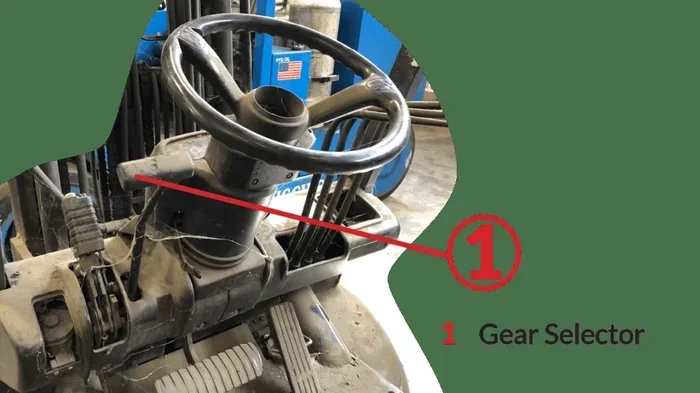
- Set the gear lever to neutral. This is the most important step. Confirm the lever is in the neutral gear position before doing anything else.
- Engage the parking brake. Push the parking brake fully down or pull it up, depending on your model.
- Turn the ignition key. Start the forklift engine and let it idle for a moment.
- Check the dashboard gauges. Watch for warning lights or abnormal readings on the forklift battery and hydraulic system indicators.
- Release the parking brake only when ready. Once the engine is running smoothly and you are ready to move, shift to the appropriate gear.
That is it. It takes less than a minute, but it makes a world of difference. Forklift maintenance starts with how you operate the machine every day, and this sequence is the foundation.
Pre-Start Inspection Checklist
Before you even touch the ignition, take a few minutes to walk around the forklift. A quick forklift inspection can catch problems before they turn into costly repairs. Here is a simple checklist to follow:
- Check tire condition and pressure on all wheels
- Look for fluid leaks under the machine
- Test the horn and lights
- Inspect the hydraulic system hoses and connections
- Verify the forklift battery charge level
- Check the transmission fluid level
- Make sure the forks are in good condition
- Confirm the parking brake works properly
Doing this every shift takes just a few minutes but saves you from unexpected breakdowns. It also shows your employer that you take forklift safety seriously.
Risks of Starting a Forklift in Neutral (When Done Wrong)
Wait a second. Did we just say to start in neutral? Yes. But that does not mean there are zero risks involved. Starting in neutral is correct, but doing it carelessly can still cause problems. Let us look at the risks and how to avoid them.
Engine and Hydraulic Damage
Even when started in neutral gear, a forklift can suffer damage if the startup process is rushed. For example, immediately revving the engine right after ignition puts unnecessary strain on internal components. The hydraulic system needs a moment to build proper pressure, and rushing this process can lead to sluggish lift operations.
Another risk is neglecting transmission fluid levels. If your fluid is low, starting the forklift — even in neutral — will cause friction and heat buildup in the transmission. Over time, this leads to expensive repairs and reduced machine performance.
Safety Hazards to Watch For
Starting in neutral is safe only when you follow the full starting procedure. If you forget to engage the parking brake and the forklift is on a slight incline, it can roll. This is one of the most common forklift accidents in warehouses and distribution centers.
Always make sure the parking brake is fully engaged before you start the engine. And once the engine is running, do not shift into gear until you are ready to move. These small habits are what separate safe operators from those who end up in accident reports.
Benefits of Starting in Neutral
Starting your forklift in neutral gear is not just about avoiding problems. There are real, tangible benefits that come with this practice. Let us look at why this simple habit is worth making part of your routine.
Protecting the Transmission
The transmission is one of the most expensive components to replace on a forklift. When you start in neutral, you eliminate the sudden shock that happens when power flows into a engaged gear. Over months and years of daily use, this difference adds up significantly.
Proper transmission fluid circulation is also better when the engine starts from a neutral state. The fluid has time to coat all the internal parts before any load is applied. This means smoother shifts, less heat buildup, and a longer lifespan for the entire transmission system.
Reducing Engine Wear
Every time you start a forklift in gear, the engine has to overcome the resistance of the drivetrain immediately. Starting in neutral lets the engine reach its optimal operating speed before any load is placed on it. This reduces engine wear and helps the machine run more efficiently.
Think about it this way. Would you sprint right after waking up, or would you stretch and ease into your day? The same principle applies to your forklift engine. A gentle warm-up in neutral is the best way to start any shift.
Expert Tips for Proper Forklift Operation
We have covered the basics, but there is always more to learn when it comes to forklift operation. Here are some expert tips that experienced operators swear by. These habits will take your forklift maintenance game to the next level.
Daily Startup Best Practices
Great operators do not just follow the steps — they make them habits. Here are some daily best practices that make a real difference:
- Always start in neutral and with the parking brake engaged. No exceptions.
- Let the engine idle for 2 to 3 minutes before putting the forklift in gear. This allows the hydraulic system and transmission fluid to circulate properly.
- Listen to your forklift. Unusual sounds during startup are early warning signs of engine wear or mechanical problems.
- Check your dashboard every single time. Warning lights exist for a reason. Ignoring them leads to bigger problems down the road.
- Keep your forklift manual in the cab. Refer to it whenever you are unsure about a starting procedure or warning light.
These tips might seem basic, but they are the foundation of safe and efficient forklift operation. The best operators are the ones who never skip the basics.
Maintenance Habits That Extend Forklift Life
Starting in neutral is just one piece of the puzzle. Regular forklift maintenance is what keeps your machine running at peak performance. Here are some habits that every operator should adopt:
- Check transmission fluid levels weekly
- Replace hydraulic system filters according to the manufacturer schedule
- Keep the forklift battery clean and charged
- Lubricate all moving parts as recommended
- Report any unusual noises or vibrations immediately
- Follow the forklift inspection schedule outlined in your operator manual
A well-maintained forklift is safer, more efficient, and lasts significantly longer. These habits also reduce downtime, which benefits everyone on your team.
Common Mistakes to Avoid
Even experienced forklift operators make mistakes sometimes. The key is knowing what to avoid so you do not end up with forklift damage or a safety incident. Here are the most common errors we see.
Skipping the Pre-Start Checklist
Time is money on a busy job site, and it is tempting to skip the pre-start inspection when you are in a rush. But this is one of the biggest mistakes you can make. Skipping the checklist means you might miss a low transmission fluid level, a worn tire, or a faulty parking brake — all of which can lead to serious problems.
Set aside five minutes at the start of every shift for your forklift inspection. It is a small investment of time that pays off massively in safety and machine longevity.
Ignoring Warning Signs
Your forklift talks to you. Strange noises, warning lights, sluggish hydraulic response, and difficulty shifting gears are all signs that something is wrong. Ignoring these warnings is the fastest way to turn a small repair into a major one.
If your forklift does not start smoothly in neutral gear, or if you notice unusual vibrations, do not just push through it. Stop, investigate, and get the issue resolved. Forklift maintenance is always cheaper than forklift repair.
Comparison: Starting in Neutral vs. Starting in Gear
Let us put the two approaches side by side so you can see the difference clearly.
| Factor | Starting in Neutral | Starting in Gear |
|---|---|---|
| Safety Risk | Low — no sudden movement | High — risk of lurching forward or backward |
| Engine Wear | Minimal — smooth startup | Increased — engine fights drivetrain resistance |
| Transmission Life | Extended — less stress on components | Reduced — premature wear and tear |
| Hydraulic Performance | Optimal — proper fluid circulation | Compromised — pressure builds unevenly |
| Operator Control | Full control before movement | Limited — machine may move unexpectedly |
| Maintenance Costs | Lower over time | Higher due to accelerated wear |
The comparison makes it clear. Starting in neutral gear is the better choice in every category. It is safer, it protects your machine, and it saves you money in the long run.
Quick Tips for Every Forklift Operator
- Never skip the neutral gear step, even if you are in a hurry.
- Always engage the parking brake before starting the engine.
- Let the engine idle for 2 to 3 minutes before shifting into gear.
- Keep your forklift manual handy and refer to it regularly.
- Report any starting issues to your maintenance team immediately.
- Train new operators on the correct starting procedure from day one.
- Perform a pre-start inspection every single shift without exception.
These quick tips are easy to remember and even easier to implement. They will become second nature after a few days of practice.
Conclusion
The question should you start a forklift in neutral has one clear answer: yes. Starting in neutral gear is the safest, smartest, and most cost-effective way to fire up your forklift engine every single time. It protects your transmission, reduces engine wear, keeps the hydraulic system running smoothly, and most importantly, keeps you and your coworkers safe.
By following the correct starting procedure, performing your pre-start forklift inspection, and avoiding common mistakes, you set yourself up for a long and productive career as a forklift operator. Forklift maintenance is not just about fixing things when they break. It is about building habits that prevent problems before they start.
So the next time you climb into the cab, take that extra few seconds. Set the gear to neutral, engage the parking brake, and start your forklift startup the right way. Your machine — and your safety record — will thank you for it.
Frequently Asked Questions
Can starting a forklift in gear cause it to lurch forward?
Yes, absolutely. If the forklift is in gear when you start the engine and the parking brake is not fully engaged, the machine can lurch forward or backward. This is one of the most common causes of forklift accidents in warehouses. Always start in neutral gear with the parking brake engaged to prevent this.
How long should I let my forklift idle before moving?
Let your forklift engine idle for 2 to 3 minutes before shifting into gear. This allows the transmission fluid and hydraulic system to build proper pressure and circulate fully. A proper warm-up period is one of the best forklift maintenance habits you can develop.
What happens if I forget to check the transmission fluid level?
Low transmission fluid causes increased friction, heat buildup, and premature wear on internal components. Over time, this can lead to transmission failure, which is one of the most expensive repairs a forklift can need. Check your fluid levels regularly as part of your forklift inspection routine.
Is the starting procedure the same for all forklift models?
Most forklifts follow the same general starting procedure, but there can be slight variations between models. Always refer to your specific forklift manual for the manufacturer-recommended starting procedures. The manual will also outline any model-specific safety features or requirements.
Does starting in neutral really extend forklift lifespan?
Yes, it does. Starting in neutral gear reduces stress on the engine, transmission, and hydraulic system. Over thousands of operating hours, this reduced wear adds up significantly. Operators who follow the correct forklift startup procedure consistently experience fewer breakdowns and lower maintenance costs.
What should I do if my forklift won’t start in neutral?
If your forklift does not start even with the gear in neutral gear, check a few things first. Make sure the parking brake is engaged, the forklift battery is charged, and the ignition switch is working. If everything looks correct but the engine still will not start, contact your maintenance team. Do not try to force the issue — it could indicate a deeper mechanical problem.