Is Tinting Worth the Money Learn Why It Could Save You Big
Is tinting worth the money? The short answer is yes — if you pick the right film and install it properly. Car window tinting can cut heat, block harmful UV rays, and protect your vehicle’s interior from fading. Many drivers save hundreds on fuel and maintenance costs over time. This guide breaks down the real costs, benefits, and hidden value so you can decide with confidence.
You see tinted cars on the road every day. Some look sleek and stylish. Others look like they are trying too hard. But here is the real question most car owners ask: is tinting worth the money?
The answer is not a simple yes or no. It depends on what you want from your tint. Do you want to beat the summer heat? Protect your family from UV exposure? Keep your car looking newer for longer? Or maybe you just want some privacy while you drive.
Window tinting has grown into one of the most popular automotive upgrades. Millions of drivers invest in it every year. But does it actually deliver on its promises? That is what we are here to find out. In this guide, we will break down the costs, the benefits, and the potential pitfalls so you can make a smart decision.
By the end of this article, you will know exactly whether automotive tinting makes sense for your wallet and your vehicle. No fluff. No sales pitch. Just honest, practical information.
Key Takeaways
- UV and Heat Protection: Quality tint blocks up to 99% of UV rays and rejects a large portion of solar heat, keeping your car cooler.
- Fuel Savings Add Up: Less heat means less A/C use, which directly improves gas mileage over time.
- Interior Longevity: Tinting slows fading of your dashboard, seats, and trim, preserving resale value.
- Privacy and Safety: Tinted windows make it harder for thieves to see inside your vehicle.
- Cost vs. Value: Professional installation costs more upfront but delivers better results and durability.
- Know Your Local Laws: Legal tint limits vary by state, and exceeding them can lead to fines.
- Choose the Right Film Type: Ceramic and carbon tints outperform dyed films in heat rejection and longevity.
📑 Table of Contents
- What Is Car Window Tinting and Why Do People Do It?
- How Much Does Tinting Actually Cost?
- The Real Benefits: Is Tinting Worth the Money?
- Types of Tint Film and What You Should Pick
- Common Mistakes That Make Tinting a Waste of Money
- Expert Tips to Get the Most Out of Your Tint Investment
- So, Is Tinting Worth the Money?
- Conclusion
What Is Car Window Tinting and Why Do People Do It?
Car window tinting is the process of applying a thin film to the glass surfaces of your vehicle. This film is usually made from polyester and comes in various layers and coatings. Some films are simple and affordable. Others are high-tech and engineered for maximum performance.
The film is applied to the inside of your windows. It bonds directly to the glass through a special adhesive. Once installed, it creates a darker, more reflective surface that changes how light enters your car.
People tint their cars for many reasons. Some do it for looks. Others do it for function. Let us look at the most common reasons drivers choose window tinting:
- Heat reduction: Tinted windows reject a significant amount of solar energy. This keeps the cabin cooler on hot days.
- UV protection: The sun’s ultraviolet rays can damage your skin and your car’s interior. Quality UV protection film blocks up to 99 percent of these rays.
- Glare reduction: Driving with too much sun glare is dangerous. Tinting reduces the brightness and makes the road easier to see.
- Privacy and security: Tinted windows make it harder for people outside to see into your car. This can deter theft.
- Interior preservation: Sun exposure fades dashboards, seats, and trim over time. Tinting slows this damage significantly.
These benefits sound great on paper. But the real question remains: is tinting worth the money when you factor in the actual cost?
How Tinting Works at a Basic Level
Tint film is not just a piece of dark plastic. It is a multi-layered product. Most quality films have a scratch-resistant coating on the outside. A polyester base sits in the middle. And an adhesive layer bonds the film to your glass on the inside.
Some advanced films contain ceramic particles or carbon layers. These materials are what give premium tint film its superior heat rejection and clarity. Cheaper films use dyes that fade over time. Understanding this difference is key to making a smart investment.
How Much Does Tinting Actually Cost?
Cost is the first thing most people think about when asking is tinting worth the money. You cannot make an informed decision without knowing what you are paying for.
The price of automotive tinting varies widely. It depends on several factors. Let us break them down.
Factors That Affect Tint Cost
- Type of film: Dyed films cost less. Ceramic and carbon films cost more. The material you choose has a big impact on price.
- Number of windows: Tinting all windows costs more than tinting just the front two. But many shops offer package deals.
- Vehicle size: Larger vehicles like SUVs and trucks use more film and take more time. This increases the tint cost.
- Professional vs. DIY: A DIY tint kit is much cheaper. But professional installation usually delivers a better, longer-lasting result.
- Your location: Labor costs vary by region. Urban areas with high demand may charge more.
Average Price Ranges
Here is a general idea of what you can expect to pay for car window tint installation:
- Basic dyed film: $50 to $150 for all windows. This is the most affordable option. But it fades faster and offers less heat rejection.
- Mid-range carbon film: $150 to $300 for all windows. Good balance of performance and price. These films do not fade as quickly.
- Premium ceramic film: $300 to $600 or more for all windows. The best heat rejection and clarity. This is the top-tier option.
- DIY tint kit: $20 to $100 depending on quality. You save on labor but risk bubbles, peeling, and poor appearance.
These numbers can seem high at first glance. But when you look at the long-term savings, the math starts to make more sense.
The Real Benefits: Is Tinting Worth the Money?
This is the heart of the question. Does window tinting actually save you money over time? Let us look at the real, measurable benefits.
Heat Rejection and Fuel Savings
One of the biggest advantages of tinting is heat rejection. When your car is parked in the sun, the interior heats up fast. When you get in, you blast the air conditioning. That A/C works hard, which burns more fuel.
A good heat reduction film can lower the cabin temperature by 30 to 40 degrees Fahrenheit. That means your A/C does not have to work as hard. Over weeks and months, this adds up to real fuel savings.
Some studies suggest that tinted windows can improve fuel economy by 1 to 3 percent. That may not sound like much. But over a year of driving, it can mean savings of $50 to $150 or more depending on your vehicle and driving habits.
UV Protection for Your Health
Did you know that UV rays can pass through car windows? The front windshield usually has some built-in UV protection. But your side and rear windows often do not.
Prolonged exposure to UV radiation through your car windows can contribute to skin damage and increase the risk of skin cancer. This is especially true for drivers who spend a lot of time on the road.
Automotive tinting with high UV blockage can protect your skin and the skin of your passengers. This is a health benefit that goes beyond just looks. If you or your family spend a lot of time driving, this alone might make tinting worth the money.
Protecting Your Car’s Interior
Sun damage is one of the biggest enemies of your car’s interior. Dashboards crack and fade. Leather seats dry out and discolor. Plastic trim becomes brittle over time.
Window tinting acts as a shield against these damaging rays. It slows the aging process of your interior materials. A well-tinted car can look years newer than an untinted one.
Think about the cost of replacing a cracked dashboard or restoring faded leather seats. Those repairs can cost hundreds or even thousands of dollars. Tint film is a small investment that helps protect a much larger one.
Privacy, Security, and Resale Value
Tinted windows give you more privacy while driving. They also make it harder for thieves to see valuables inside your car. This is a practical safety benefit that many people overlook.
When it comes time to sell your vehicle, a car with quality tinted windows can have a slight edge. Buyers often see tinting as a desirable feature. It signals that the car has been well cared for.
Now, tinting alone will not dramatically boost your resale value. But combined with other well-maintained features, it contributes to an overall impression of a cared-for vehicle.
Types of Tint Film and What You Should Pick
Not all tint film is created equal. Choosing the right type is one of the most important decisions you will make. Here is a breakdown of the most common options.
Dyed Film
Dyed film is the most budget-friendly option. It uses layers of dye to create a darker appearance. It offers basic glare reduction and some heat absorption.
The downside is that dyed film fades over time. It can turn purple or bubbly after a few years. It also offers the least amount of heat rejection compared to other types.
If you are on a tight budget and just want a cosmetic look, dyed film might work. But if you are asking is tinting worth the money, dyed film is not the best answer for long-term value.
Metallic Film
Metallic tint film contains tiny metallic particles that reflect heat. It offers better heat rejection than dyed film. It also tends to be more durable.
The trade-off is that metallic film can interfere with cell phone signals and GPS reception. Some drivers find this annoying. It can also give the windows a shiny, reflective look that not everyone prefers.
Carbon Film
Carbon film is a popular mid-range choice. It does not contain metal, so it does not interfere with electronics. It offers excellent heat reduction and a matte, non-reflective finish.
Carbon tint is known for its durability. It resists fading much better than dyed film. For many drivers, carbon film hits the sweet spot between price and performance.
Ceramic Film
Ceramic tint film is the premium option. It uses nano-ceramic particles to block heat without interfering with visibility or electronics. It offers the highest level of UV protection and heat rejection.
Ceramic tint is more expensive. But it also lasts longer and performs better in every category. If you want the best return on your investment, ceramic film is the way to go.
Comparison Table: Tint Film Types
| Film Type | Avg. Cost (All Windows) | Heat Rejection | Durability | Signal Interference |
|---|---|---|---|---|
| Dyed | $50 – $150 | Low | Low (fades in 2-3 years) | None |
| Metallic | $100 – $250 | Medium-High | Medium | Yes |
| Carbon | $150 – $300 | High | High | No |
| Ceramic | $300 – $600+ | Very High | Very High | No |
As you can see, the more you spend upfront, the better the long-term performance. This is why many experts say is tinting worth the money when you choose a quality film and professional installation.
Common Mistakes That Make Tinting a Waste of Money
Not everyone has a positive experience with automotive tinting. Some people end up disappointed. Often, this happens because of avoidable mistakes. Here are the most common ones.
Choosing the Cheapest Option
It is tempting to go with the lowest price. But the cheapest tint film often uses low-quality materials. It fades quickly, bubbles, and peels. You end up replacing it sooner, which costs more in the long run.
When you ask is tinting worth the money, you have to think long-term. A slightly higher upfront cost for a better film saves you money and headaches down the road.
Ignoring Local Tint Laws
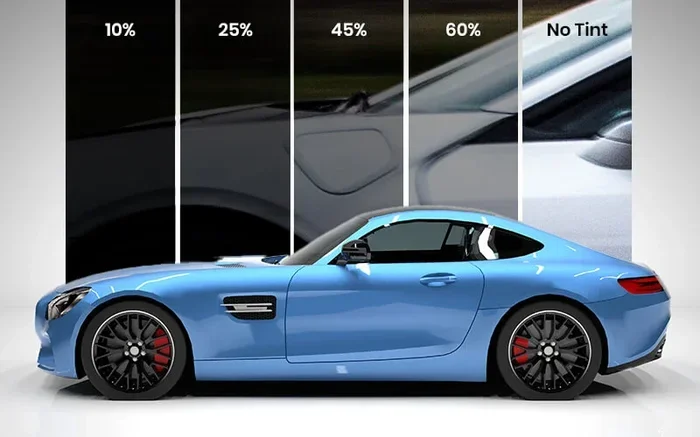
Every state has different legal tint limits. These laws specify how dark your tint can be and which windows it can be applied to. Some states allow very dark tints. Others are strict about light transmission percentages.
Getting caught with illegal tinted windows can result in fines and even tickets to remove the tint. Before you invest, check your local laws. Make sure your chosen tint complies with regulations.
Skipping Professional Installation
A DIY tint kit can save you money on labor. But it comes with risks. Poor installation leads to bubbles, creases, and uneven application. It can also void your window warranties if the adhesive damages the glass.
Professional installers have the tools, experience, and clean environments to do the job right. If you want the best results and long-lasting performance, professional installation is worth the extra cost.
Not Maintaining Your Tint
Your tint needs some basic care to last. Using ammonia-based cleaners can break down the adhesive and damage the film. Scrubbing too hard can scratch the surface.
Use a soft cloth and a tint-safe cleaning solution. Wait at least a week after installation before cleaning your windows. Simple maintenance goes a long way in preserving your tint investment.
Expert Tips to Get the Most Out of Your Tint Investment
You have decided to move forward with automotive tinting. Great. Here are some expert tips to make sure you get the best possible results.
Pick a Reputable Installer
Do not just choose the first shop you find. Look for reviews, ask for referrals, and check their portfolio of past work. A skilled installer makes a huge difference in how your tint looks and how long it lasts.
Ask About Warranties
Quality tint film comes with a warranty. This protects you against fading, bubbling, and peeling. Ask your installer about the warranty details before you commit. A good warranty gives you peace of mind and shows that the product is built to last.
Consider Your Climate
If you live in a hot, sunny climate, invest in better heat rejection. Ceramic or carbon films will pay for themselves through cooling savings and reduced A/C wear. In cooler climates, you might not need the most premium film. But UV protection is still valuable everywhere.
Think About Your Driving Habits
If you drive long commutes or spend a lot of time on the road, UV protection and glare reduction become even more important. Your tint should match your lifestyle and driving needs.
Do Not Forget About Your Rear Windows
Many people only tint the front windows. But your rear windows and rear windshield get just as much sun exposure. Tinting all windows gives you consistent heat reduction, better privacy, and more uniform protection for your interior.
So, Is Tinting Worth the Money?
Let us bring it all together. The answer to is tinting worth the money depends on your priorities, your budget, and the quality of the work you choose.
If you pick a quality tint film from ceramic or carbon and have it professionally installed, the answer is a strong yes. You get real benefits: less heat, better UV protection, longer-lasting interior, improved fuel efficiency, and enhanced privacy.
The cost of automotive tinting typically ranges from $150 to $600 depending on the film and vehicle. Compared to the potential savings on fuel, A/C repairs, and interior replacement, that is a smart investment.
Even if you are on a tighter budget, a mid-range carbon film installed professionally still delivers excellent value. It is not the most expensive option, but it offers strong performance and durability.
The key is to do your research. Understand your options. Avoid the common mistakes we covered. And choose a film and installer that match your needs and budget.
Window tinting is not just a cosmetic upgrade. It is a practical investment that protects your vehicle, your health, and your wallet. When done right, it absolutely is worth the money.
Conclusion
Is tinting worth the money? The evidence says yes. Car window tinting offers real, measurable benefits that go far beyond appearance. From heat rejection and UV protection to fuel savings and interior preservation, quality tinting delivers value that keeps giving long after installation.
The upfront tint cost is the biggest hurdle for most people. But when you compare that cost to the savings and protection you get over the life of the film, the math works in your favor. Choose a reputable installer, pick a quality film, and follow basic maintenance practices. Your car and your wallet will thank you.
Do not just take our word for it. Talk to drivers who have invested in automotive tinting. Ask them about their experience. You will likely hear the same thing: it was one of the best upgrades they ever made.
The next time you park your car and feel the blast of hot air when you open the door, remember that a quality tint film could change that experience. Tinting is not just worth the money. For many drivers, it is one of the smartest automotive investments they can make.
Frequently Asked Questions
Does window tinting really save money on fuel?
Yes, it can. Quality tinting reduces heat buildup inside your car. This means your air conditioning does not have to work as hard. Less A/C use means less fuel consumption. Over time, these savings can add up to a noticeable amount, especially in hot climates.
How long does car window tint last?
It depends on the film type and installation quality. Dyed films may last 2 to 3 years. Carbon films typically last 5 to 7 years. Ceramic films can last 10 years or more with proper care. Professional installation and regular maintenance help maximize tint durability.
Is DIY tinting cheaper and just as good?
DIY kits are cheaper upfront, but they come with risks. Poor application often leads to bubbles, peeling, and an uneven look. Professional installation ensures a clean, bubble-free finish that lasts longer. For most people, the extra cost of professional installation is worth the better result.
What are the legal tint limits I should know about?
Every state has its own legal tint limits for tinted windows. These limits usually specify the percentage of light that must pass through each window. Front side windows often have stricter rules than rear windows. Check your state’s Department of Motor Vehicles website or consult your installer before choosing your tint darkness.
Can tinting block all UV rays?
High-quality tint film, especially ceramic and carbon options, can block up to 99 percent of UV rays. This level of UV protection is excellent for your skin and for preventing interior fading. Even mid-range films offer significant UV blocking compared to untinted windows.
Will tinting affect my phone or GPS signal?
It depends on the film type. Metallic films can interfere with cell and GPS signals because of the metal particles in the film. Carbon and ceramic films do not contain metal, so they will not cause signal problems. If you rely heavily on your phone or navigation, choose a non-metallic tint.