How to Bleed the Cooling System on Your Dodge Ram 1500
Bleeding the cooling system on a Dodge Ram 1500 removes trapped air that causes overheating, poor heater performance, and long-term engine damage. This complete guide walks you through every step, from gathering tools to verifying the system is fully bled. Follow these instructions and your truck stays cool and reliable.
Bleeding the cooling system on a Dodge Ram 1500 is one of those maintenance jobs that keeps your truck running strong and prevents expensive repairs down the road. When air gets trapped inside the cooling passages, it creates hot spots that can lead to serious engine damage. Whether you just flushed your radiator, replaced a thermostat, or topped off the coolant after a repair, knowing how to properly bleed the cooling system on a Dodge Ram 1500 saves you time, money, and a lot of headaches.
This guide covers everything you need to know. You will learn why bleeding matters so much, what tools to gather before you start, and the exact steps to follow from beginning to end. We also share common mistakes that even experienced DIYers make, plus tips that professional mechanics use to get the job done right the first time. By the end of this article, you will feel confident tackling this job in your own garage or driveway.
A properly bled cooling system means your engine stays at the right operating temperature. Your heater delivers hot air on cold mornings. And you avoid the costly repairs that come from neglecting this simple maintenance task. Let us walk through the entire process together.
Key Takeaways
- Air in the cooling system causes overheating and heater failure: Bleeding removes trapped air pockets that block coolant flow and create dangerous hot spots.
- You need basic tools and the correct coolant type: HOAT coolant mixed at 50/50 with distilled water is essential for the Dodge Ram 1500.
- The process takes about 45 to 60 minutes: Draining, refilling, running the engine, and verifying the system are all straightforward steps you can do at home.
- Turn the heater to max during bleeding: This opens the heater core valve and helps push air out of the entire cooling system effectively.
- Watch for persistent bubbling in the radiator: Steady bubbling means air is still escaping. Wait until the coolant runs calm before shutting off the engine.
- Repeat the process if needed: Some systems hold air stubbornly. A second or third bleed cycle ensures every air pocket is removed.
📑 Table of Contents
- Why Bleeding the Cooling System on a Dodge Ram 1500 Matters
- Tools and Materials You Will Need
- Step-by-Step Guide to Bleeding the Cooling System
- Common Mistakes to Avoid When Bleeding the Cooling System
- How to Tell If the Bleeding Was Successful
- Keeping Your Dodge Ram 1500 Cooling System in Top Shape
- Conclusion
Why Bleeding the Cooling System on a Dodge Ram 1500 Matters
Your Dodge Ram 1500 relies on a closed-loop cooling system to keep the engine at peak operating temperature. Coolant circulates through the engine block, absorbs heat, and passes through the radiator to release that heat into the air. A water pump drives this continuous flow, and a thermostat regulates when the coolant cycles through the radiator. It is a well-engineered system that works beautifully when everything is functioning correctly.
But when air pockets form inside the cooling passages, they disrupt this carefully balanced flow. Air is compressible, unlike liquid coolant. So when an air lock develops, it blocks the smooth movement of fluid through the system. This leads to several problems that no truck owner wants to deal with.
Overheating Risks
Trapped air creates hot spots inside the engine block. These pockets prevent coolant from reaching certain cylinders and passages effectively. The result is uneven heating that can cause the temperature gauge to spike unexpectedly. In severe cases, persistent air locks lead to a blown head gasket or warped engine components. Repairing either of these problems costs thousands of dollars. Bleeding the system after any coolant service removes these air pockets and restores proper circulation.
Poor Heater Performance
If your heater blows cold air even after the engine has been running for a while, air in the cooling system is often the culprit. The heater core needs a steady flow of hot coolant to produce warm air. When air blocks that flow, the heater becomes useless on cold mornings. Bleeding the system pushes air out of the heater core lines and restores full heating capability.
Corrosion and Internal Wear
Air pockets cause localized boiling of coolant, even at normal engine temperatures. This creates steam pockets that accelerate corrosion from the inside out. Over time, this wear shortens the life of your water pump, radiator, and coolant hoses. Regular bleeding after coolant services prevents this silent damage and extends the life of your entire cooling system.
Bleeding the system is not just a nice-to-have. It is a critical step after any coolant-related repair. Think of it as a simple insurance policy against expensive engine damage.
Tools and Materials You Will Need
Before you start working on your Dodge Ram 1500, gather everything you need. Having the right tools on hand makes the job smoother, faster, and safer. Here is your complete checklist.
- Dexcool or equivalent HOAT coolant – Check your owner manual for the correct type and mixture ratio for your specific model year
- Distilled water – For mixing coolant to the proper 50/50 ratio. Tap water contains minerals that cause buildup inside the cooling system
- Socket set and combination wrenches – Mostly 10mm, 13mm, and 15mm sizes for the Ram 1500 cooling system components
- Drain pan – A large pan capable of holding at least 2 gallons of used coolant. Used coolant is hazardous waste and must be disposed of properly
- Funnel – A medium-sized funnel makes clean refilling possible without spills and air introduction
- Clean rags or shop towels – Coolant is slippery, stains concrete, and is toxic to pets and wildlife
- Safety glasses and nitrile gloves – Coolant is corrosive and can irritate skin. Protect your eyes and hands at all times
- Jack and jack stands or drive-on ramps – If you need to access the bottom of the radiator for draining
- A helper – Useful for running the engine and monitoring temperatures while you bleed the system from above the hood
Pro tip: Keep a container of pre-mixed coolant ready before you start. You will likely need to add coolant multiple times during the bleeding process as air displaces the liquid. Also, if you are working in a cold garage, a 12V to 230V car inverter can power a space heater to keep your workspace warm. Warmer ambient temperatures help the thermostat open faster so you can bleed air more efficiently.
Step-by-Step Guide to Bleeding the Cooling System
Now for the main event. Follow these steps carefully and your Dodge Ram 1500 cooling system will be air-free and running at peak performance.
Step 1: Prepare the Vehicle
Start with a completely cool engine. Never attempt to bleed a cooling system while the engine is hot or even warm. Coolant under pressure can cause serious burns that require immediate medical attention. Park your truck on a level surface and engage the parking brake firmly.
If you need to raise the truck for better access to the radiator drain plug, use jack stands or drive onto ramps. Make sure the vehicle is secure and stable before you go underneath it. Always wear safety glasses and gloves before you begin any work under the hood or beneath the truck.
It is also a good idea to check the starting procedure for your specific model year. Some Ram 1500 models require holding the push start button for a certain duration to start the engine, while others use a traditional key ignition. Knowing this ensures you can start the engine smoothly when it is time to run the bleeding process.
Step 2: Locate the Bleed Screw and Drain Plug
The 2003 through 2008 Dodge Ram 1500 models have a bleed screw located on the thermostat housing. This is typically found on the passenger side of the engine, near the top where the upper radiator hose connects. For 2009 and newer models, Ford redesigned the cooling system with a self-bleeding mechanism. However, air can still become trapped after a complete coolant flush or major repair.
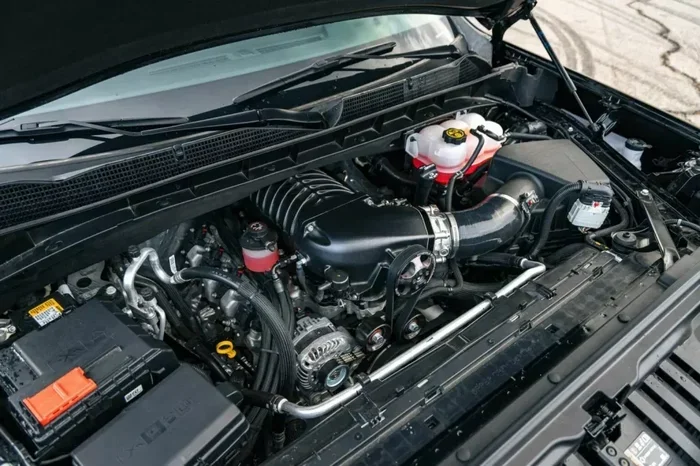
You will also need to locate the radiator drain plug at the bottom of the radiator. This is where you will drain the old coolant. Place your drain pan directly beneath the plug before you open it. A flashlight helps you see the plug clearly, especially if the underside of your truck is dirty from off-road use or daily driving.
Step 3: Drain the Old Coolant
Open the radiator cap first to relieve any pressure in the system. Then open the drain plug at the bottom of the radiator. Let the old coolant flow completely into your drain pan. Take your time and be careful. Used coolant is classified as hazardous waste in most states and must be taken to a recycling center or auto parts store that accepts it.
Once the system is completely empty, close the drain plug securely. Inspect the drain plug washer and replace it if it looks worn, cracked, or flattened. A fresh washer creates a proper seal and prevents leaks when you refill the system. This small part costs less than a dollar and can save you from a frustrating coolant leak later.
Step 4: Refill with Fresh Coolant
Mix your coolant with distilled water at a 50/50 ratio unless your owner manual specifies a different concentration. A 50/50 mix protects your engine down to about negative 34 degrees Fahrenheit and provides excellent boil-over protection. Use a funnel to pour the fresh mixture into the radiator opening. Fill it slowly to minimize the amount of air you introduce into the system.
After the radiator is full, check the coolant reservoir tank. Top it off to the full cold line. You will likely need to add more coolant as you bleed air out of the system, so keep your mixed coolant bucket nearby throughout the entire process.
Quick Tip: If you are unsure about the correct coolant type for your Ram 1500, check the cap on the radiator or reservoir. It should list the approved coolant specification. Using the wrong type can cause gel-like deposits that clog the cooling system and reduce its efficiency.
Step 5: Run the Engine and Bleed Air
This is the most important step of the entire process. Start the engine and let it idle with the radiator cap off. Turn the heater to maximum heat and set the fan to its highest speed. This opens the heater core valve fully and helps push air through the heater core and out of the system.
Watch the radiator filler neck closely. You will see bubbles rising through the coolant. This is air escaping from the cooling system. Let the engine idle until the bubbles stop completely. This can take anywhere from 10 to 30 minutes depending on how much air was trapped and how thoroughly you drained the system.
If your Ram 1500 has a bleed screw on the thermostat housing, open it slightly with a wrench while the engine is running. You will see a mixture of coolant and air escape together. Close the screw once only liquid coolant comes out with no more bubbles. Use care and do not over-tighten. The bleed screw threads are often made of aluminum and strip easily if you force them.
Monitor the temperature gauge closely during this entire process. If the needle starts climbing higher than normal, shut the engine off immediately and let it cool before continuing. An air lock can cause rapid overheating in just a few seconds, and running the engine without enough coolant can cause catastrophic damage.
Expert Insight: Many professional technicians run the engine for an additional 15 minutes after the bubbling stops. They then shut it off, let it cool completely, and check the coolant level again. This extra step allows any remaining small air pockets to rise to the top and escape through the radiator cap opening.
Step 6: Top Off and Verify the System
Once the bubbling stops and the engine reaches normal operating temperature, turn it off. Let the engine cool for at least 30 minutes. The cooling system will contract as it cools, which pulls more air into the system and lowers the coolant level. Check the radiator level again and top it off to the full mark.
Replace the radiator cap securely. Start the engine one more time and let it warm up to operating temperature with the heater still on max. Watch the temperature gauge carefully and look for any signs of leaking around the drain plug, bleed screw, radiator hoses, and water pump. If everything looks dry and the temperature gauge stays steady in the normal range, you have successfully bled the cooling system.
After your first few drives, check the coolant reservoir level again. The system may settle and require a small top-off. This is completely normal and happens because the cooling system continues to purge tiny air bubbles for several hours after the initial bleed.
Common Mistakes to Avoid When Bleeding the Cooling System
Even experienced DIYers make mistakes during the bleeding process. Knowing what to avoid saves you time and prevents comebacks. Here are the most common errors and how to steer clear of them.
- Skipping the heater setting during bleeding. Many people forget to turn the heater to maximum heat. The heater core acts as an auxiliary radiator and helps push air out of the system through the top hose. Without it, you may leave air trapped in the heater lines and engine block.
- Over-tightening the bleed screw. The bleed screw on the thermostat housing is often made of soft aluminum and strips easily. Hand-tight plus a quarter turn with a wrench is all you need. Use gentle force and never use an impact tool on this component.
- Using the wrong coolant type. The Dodge Ram 1500 requires HOAT (Hybrid Organic Acid Technology) coolant. Mixing different coolant types, such as traditional green coolant with modern orange Dexcool, can cause gel-like deposits that clog the cooling system and restrict flow.
- Bleeding with the engine too hot. Working on a hot cooling system is extremely dangerous. Wait for the engine to cool completely before opening the radiator cap. Pressurized coolant can spray out with force and cause severe burns to your face and hands.
- Not checking for leaks after bleeding. A small leak that existed before can worsen after bleeding because air pressure shifts within the system. Always do a final visual inspection of every connection, hose, and seal after you finish the bleed process.
- Topping off only the radiator and ignoring the reservoir. The coolant reservoir is part of the pressurized system. If it is low, air enters the system through the reservoir cap and creates new air locks. Always check and fill both the radiator and the overflow reservoir.
How to Tell If the Bleeding Was Successful
After completing the bleeding process, you need to verify that it worked. Look for these positive signs that confirm your cooling system is fully bled and functioning correctly.
- No persistent bubbles in the radiator. When you start the engine with the cap off, the coolant should be mostly calm. A few initial bubbles are completely normal, but persistent or steady bubbling means air is still trapped somewhere in the system.
- Steady temperature gauge reading. Your temperature gauge should sit comfortably in the middle of the normal range during normal driving. If it fluctuates erratically or climbs above normal, air may still be blocking coolant flow to certain areas of the engine.
- Consistently hot air from the heater. The heater should deliver hot air within two to three minutes of warming up. If it starts blowing cold air and gradually gets warmer, that is often a sign of a properly bled system where residual air is slowly working its way out.
- No significant coolant loss over several days. A small amount of coolant displacement right after bleeding is normal. But if you notice the level dropping significantly over the course of a week, there may be a remaining air pocket or an actual leak that needs attention.
- No sweet smell inside the cab. A sweet, syrupy smell inside your vehicle often indicates a coolant leak into the HVAC system or past the heater core. A properly bled system should not produce this smell.
If you notice any of the warning signs listed above, repeat the bleeding process. Sometimes it takes two or three cycles to fully remove all trapped air, especially if the system was completely drained or if a large air pocket formed in the heater core. Be patient and thorough. Getting it right the first time prevents repeat visits and repeated coolant top-offs.
Keeping Your Dodge Ram 1500 Cooling System in Top Shape
Bleeding the cooling system is not a one-time job. Regular maintenance keeps your cooling system healthy and prevents air locks from forming in the future. Here are some best practices every Dodge Ram 1500 owner should follow.
Flush your coolant every 30,000 miles or every two years, whichever comes first. Old coolant loses its anti-corrosion additives over time and can become acidic. This degraded fluid corrodes the internal components of your cooling system from the inside out. Use a quality 12V car socket adapter set to power a cooling system pressure tester if you want to check for small leaks between scheduled services. A pressure tester pressurizes the system and reveals leaks that are too small to see with the naked eye.
Inspect your radiator hoses and clamps regularly. Look for cracks, swelling, soft spots, or coolant residue around the clamp areas. A hose failure on the road can leave you stranded with an overheated engine and potentially major damage. Replace any hose that shows signs of wear, even if it has not yet started leaking. Hoses are relatively inexpensive and easy to replace compared to the cost of an engine rebuild.
Keep an eye on your coolant reservoir level between scheduled services. A sudden drop in level often indicates a leak somewhere in the system. Address small leaks quickly before they become big, expensive problems. If you notice a sweet smell inside the cab, a green or orange puddle under your truck, or your temperature gauge running slightly higher than normal, have the system inspected by a qualified technician right away.
Finally, if you ever notice your temperature gauge running slightly higher than normal during hot weather or heavy towing, do not ignore it. A small air pocket or a failing thermostat can cause subtle temperature changes that signal bigger problems. Catching these early prevents major engine damage and keeps your Dodge Ram 1500 on the road where it belongs.
Conclusion
Bleeding the cooling system on your Dodge Ram 1500 is a straightforward maintenance job that any truck owner can do at home with basic tools and a little patience. With the steps outlined in this guide, you can remove trapped air, restore proper coolant circulation, and protect your engine from overheating and long-term damage. The process takes less than an hour and saves you the cost of a shop visit.
Take your time, follow each step carefully, and do not skip the verification phase. A properly bled cooling system gives you peace of mind every time you turn the key. Your Dodge Ram 1500 is a tough, capable truck, and maintaining the cooling system properly ensures it stays that way for years to come. Get your tools ready, grab a fresh jug of coolant, and give your truck the care it deserves.
Frequently Asked Questions
How long does it take to bleed the cooling system on a Dodge Ram 1500?
The entire process typically takes between 45 and 60 minutes from start to finish. Draining the old coolant takes about 10 minutes. Refilling and running the engine to bleed air takes 20 to 30 minutes. Topping off and checking for leaks takes another 10 minutes. If you need to repeat the bleeding process, add another 15 to 20 minutes.
Can I use tap water instead of distilled water to mix coolant?
No, you should always use distilled water when mixing coolant. Tap water contains minerals like calcium and magnesium that form scale deposits inside the cooling system. These deposits restrict coolant flow, reduce heat transfer, and can clog the radiator over time. Distilled water is cheap and readily available at any grocery store.
What happens if I do not bleed the cooling system after a coolant flush?
If you skip the bleeding step, air pockets will remain trapped in the cooling system. These air locks prevent coolant from reaching certain areas of the engine, causing localized overheating. You may also experience poor heater performance and erratic temperature gauge readings. Over time, the lack of proper coolant flow can cause serious engine damage including a blown head gasket.
How do I know which coolant my Dodge Ram 1500 needs?
Most Dodge Ram 1500 models from 2003 onward require HOAT (Hybrid Organic Acid Technology) coolant, which is typically orange or purple in color. Always check your owner manual for the exact specification. You can also check the radiator cap or the coolant reservoir for the approved type printed on the cap or label.
Can air in the cooling system cause the check engine light to come on?
Yes, in some cases. Air pockets can cause the engine temperature sensor to read incorrectly, which may trigger the check engine light. The engine control module relies on accurate temperature data to adjust fuel mixture and ignition timing. If the sensor reads incorrectly due to an air lock, it can set a diagnostic trouble code and illuminate the check engine light.
Is it normal for the coolant level to drop after bleeding the system?
Yes, a small drop in coolant level after bleeding is completely normal. As air escapes from the system, the liquid coolant settles and the level drops. You should check the level again after the engine has cooled completely and top it off to the full mark on the reservoir. If the level drops significantly over several days, there may be a leak that needs investigation.