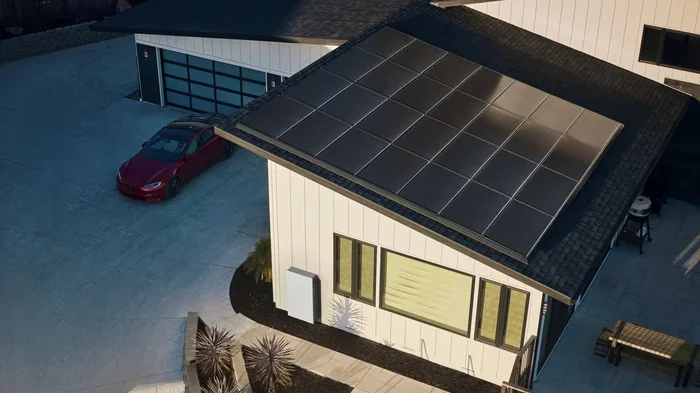
How to Become a Certified Tesla Solar Installer in 2024
Becoming a certified Tesla Solar Installer in 2024 requires a mix of electrical training, hands-on experience, and passing Tesla’s official certification program. This guide walks you through every step, from prerequisites to job opportunities. You will learn about training paths, costs, and what it takes to work on Tesla Solar Roof and Tesla Powerwall installations.
Have you ever thought about building a career in clean energy? The solar industry is booming, and one of the most exciting paths you can take is becoming a certified Tesla Solar Installer. Tesla has transformed how people think about solar power. From sleek Tesla Solar Roof tiles to powerful Tesla Powerwall batteries, the company has created a huge demand for skilled installers.
If you are interested in renewable energy and enjoy working with your hands, this could be the perfect career move for you. But how do you actually get there? What training do you need? What does the certification process look like? In this guide, we will break down everything you need to know about becoming a certified Tesla Solar Installer in 2024.
The road to certification is not a single leap. It is a journey that involves education, hands-on practice, and a deep understanding of solar photovoltaic systems. Whether you are starting from scratch or already have some electrical experience, there is a path that works for you. Let us dive in.
Key Takeaways
- Tesla Certification Path: You must complete Tesla’s installer training program and pass their assessment to become authorized.
- Electrical Background Matters: A strong foundation in electrical wiring skills and solar photovoltaic systems is essential before applying.
- Multiple Training Routes: You can pursue formal education, apprenticeships, or online courses to build the needed expertise.
- Career Growth Potential: Certified installers can earn competitive salaries and work on exciting residential solar installation projects.
- Knowledge of Tesla Products: Familiarity with Tesla Powerwall, Tesla Solar Roof, and solar battery storage gives you a serious edge.
- Local Permits and Codes: Understanding solar permit requirements and local building codes is a critical part of the job.
📑 Table of Contents
- What Does a Tesla Solar Installer Do?
- Why Choose Tesla Solar as a Career Path?
- Training and Education Requirements
- How to Get Certified by Tesla
- Skills and Knowledge You Will Need
- Cost and Time Investment
- Job Opportunities and Career Outlook
- Common Mistakes to Avoid
- Tips for Success as a Certified Installer
- Conclusion
What Does a Tesla Solar Installer Do?
A Tesla Solar Installer is responsible for setting up solar energy systems on homes and businesses. This includes mounting panels, connecting electrical wiring, and ensuring everything meets safety standards. The role goes beyond just bolting panels to a roof. You need to understand how grid-tied solar systems work and how to integrate solar battery storage solutions like the Tesla Powerwall.
Key Responsibilities
- Site Assessment: You evaluate the property to determine the best placement for solar panels or tiles.
- System Design: You help plan the layout and electrical connections for each installation.
- Installation: You mount panels, connect wiring, and set up inverters and battery systems.
- Inspection and Testing: You verify that the system works correctly and safely before handing it over.
- Customer Education: You explain how the system works and answer any questions the homeowner may have.
Installers also need to be familiar with local building codes and solar permit requirements. Every region has its own rules, and knowing them helps you avoid costly delays. A big part of the job is making sure each installation is safe, efficient, and built to last.
Why Choose Tesla Solar as a Career Path?
The solar industry is one of the fastest-growing sectors in the energy world. Tesla, in particular, has made solar energy accessible and stylish. Their Tesla Solar Roof blends seamlessly with home architecture, and the Tesla Powerwall lets homeowners store energy for use during outages or peak hours. This innovation has created a strong demand for qualified installers.
Choosing a career in clean energy is also deeply rewarding. You are helping people reduce their electricity bills and lower their carbon footprint. Plus, the solar energy training you receive can open doors to other opportunities in the renewable energy field. Many certified installers eventually move into project management, sales, or even start their own solar businesses.
Another great reason to pursue this path is the financial stability. As more homeowners invest in energy efficiency upgrades, the need for skilled installers continues to grow. Tesla also offers competitive pay and benefits for its authorized installers. It is a career that combines technical skill with meaningful impact.
Training and Education Requirements
Before you can become a certified Tesla Solar Installer, you need to build a solid foundation of knowledge and skills. Tesla looks for candidates who understand electrical systems and solar technology. There are several ways to get this training.
Formal Education
Many installers start with a technical degree or certificate from a trade school or community college. Programs in solar photovoltaic systems, electrical technology, or renewable energy are especially valuable. These programs typically take six months to two years to complete and cover topics like circuit design, wiring codes, and solar system sizing.
Apprenticeships and On-the-Job Training
Hands-on experience is incredibly important. Some aspiring installers begin by working under experienced electricians or solar companies. An apprenticeship gives you real-world exposure to residential solar installation and helps you understand how systems are assembled and tested. This path is especially helpful if you want to learn while earning.
Online Courses and Certification Programs
There are many online platforms that offer courses in solar installation. These can be a great way to learn at your own pace. Look for programs that cover electrical wiring skills, safety protocols, and solar equipment handling. While online courses alone may not make you Tesla-certified, they give you a strong head start.
One thing that helps a lot is having a general understanding of electrical power systems. For example, knowing how power conversion works, such as the process involved in a 12V to 230V car inverter, gives you a practical foundation for understanding the electrical side of solar installations. Similarly, familiarity with different types of electrical connections, like those covered in a guide on 12V car socket to 3 pin conversions, builds your comfort with wiring concepts that apply directly to solar work.
How to Get Certified by Tesla
Tesla has its own certification process for solar installers. You cannot simply claim to be a Tesla-certified installer without going through their official program. Here is how the process works.
Step 1: Meet the Prerequisites
Tesla typically requires candidates to have a background in electrical work or construction. Some relevant experience might include working as an electrician, a general contractor, or a solar technician. A strong understanding of solar panel installation basics is expected before you even apply.
Step 2: Apply Through Tesla
You can apply for installer positions directly through Tesla’s careers page or through their network of authorized partners. Tesla carefully selects candidates who show both technical skill and a passion for clean energy. Your application should highlight any relevant certifications, training, or field experience you have.
Step 3: Complete Tesla Installer Training
Once you are hired or partnered with Tesla, you will go through their comprehensive training program. This training covers Tesla-specific products like the Tesla Solar Roof, Tesla Powerwall, and the Tesla Solar Inverter. You will learn about system design, installation techniques, safety procedures, and customer interaction.
Step 4: Pass the Certification Assessment
After completing the training, you must pass a certification assessment. This test evaluates your knowledge of Tesla products and your ability to perform installations correctly. Once you pass, you become an authorized Tesla Solar Installer and can start working on Tesla solar projects.
Step 5: Maintain Your Certification
Certification is not a one-time event. Tesla requires installers to stay updated on new products, techniques, and safety standards. Ongoing training and recertification may be required to maintain your status as a Tesla authorized installer.
It is worth noting that Tesla also works closely with a network of certified partners and third-party installers. If you work for a company that partners with Tesla, your employer may handle some of the certification logistics. Either way, the core knowledge and skills remain the same.
Skills and Knowledge You Will Need
Being a successful Tesla Solar Installer requires more than just technical know-how. You need a well-rounded skill set that covers both hard and soft skills.
Technical Skills
- Electrical Wiring Knowledge: You must be comfortable working with high-voltage electrical systems and understand wiring codes.
- Solar System Design: You should know how to size and design a system that meets a homeowner’s energy needs.
- Mechanical Aptitude: Mounting panels and tiles requires physical strength and comfort working at heights.
- Safety Awareness: Working with solar systems involves risks like electrical shock and falls. Safety training is non-negotiable.
- Understanding of solar battery storage: Knowing how batteries like the Tesla Powerwall store and release energy is crucial.
Soft Skills
- Communication: You will interact with homeowners, so explaining technical concepts in simple terms is important.
- Problem-Solving: Every installation site is different. You need to think creatively to overcome challenges.
- Attention to Detail: A small wiring mistake can cause big problems. Precision matters.
- Customer Service: Happy customers lead to referrals and repeat business.
Some installers also find it helpful to understand how Tesla vehicles work, since Tesla is both a car company and a solar company. For instance, knowing about Tesla vehicle features, such as how to properly use the push start button on Tesla vehicles, shows a broader familiarity with the Tesla ecosystem that can impress hiring managers.
Cost and Time Investment
Becoming a certified Tesla Solar Installer does involve some investment in time and money. However, the return on that investment can be significant.
Training Costs
Formal education programs in solar technology can range from a few hundred dollars for short online courses to several thousand dollars for comprehensive trade school programs. Tesla’s own training program is typically provided at no cost to hired employees or partners. This means if you secure a position with Tesla or an authorized partner, your training is essentially free.
Time Commitment
The timeline varies depending on your starting point. If you already have electrical experience, you might complete the Tesla training and certification in a few weeks. If you are starting from scratch, expect to spend several months on education and training before you are fully certified.
Ongoing Costs
After certification, there may be costs associated with maintaining your credentials. These can include recertification fees, continuing education courses, and staying current with evolving solar permit requirements and safety standards.
The good news is that many installers find the investment pays off quickly. Certified Tesla Solar Installers are in high demand, and the salary potential is strong. According to industry reports, solar installers in the United States earn a median wage that is well above average for many skilled trades. With experience and additional certifications, your earning potential only grows.
Job Opportunities and Career Outlook
The job outlook for certified solar installers is excellent. As more homeowners and businesses adopt renewable energy solutions, the demand for skilled installers continues to rise. Tesla, in particular, has been expanding its solar operations and needs qualified professionals to keep up with the growth.
Certified installers can find work in several settings:
- Directly with Tesla: Tesla hires installers for its own solar projects and offers full-time positions with benefits.
- Authorized Solar Partners: Many companies partner with Tesla to offer solar installations and regularly hire certified professionals.
- Independent Solar Companies: Some certified installers choose to work for smaller solar businesses that handle a variety of projects.
- Self-Employment: Experienced installers can start their own solar installation companies and build a team.
The clean energy career landscape is also expanding beyond Tesla. Many of the skills you gain as a certified installer are transferable to other solar companies and renewable energy firms. This gives you flexibility and opens up a wide range of opportunities.
If you are curious about what kind of vehicles Tesla makes and how they fit into the broader Tesla ecosystem, you might find it interesting to explore topics like Tesla vehicle pricing, which can range widely. For instance, looking into what cars fall in the 7 to 8 lakh car range in India or the 5 to 8 lakh car segment can give you a sense of Tesla’s broader product ecosystem and customer base.
Another related area worth exploring is window tinting for Tesla vehicles, since Tesla owners often care about their cars as much as their energy systems. Understanding the 20 percent window tint regulations and options shows a well-rounded knowledge of the Tesla brand that can set you apart in interviews.
Common Mistakes to Avoid
Many people make avoidable mistakes when pursuing a career as a certified Tesla Solar Installer. Here are some pitfalls to watch out for.
- Skipping Electrical Training: Do not underestimate the importance of a strong electrical foundation. Without it, the certification process will be much harder.
- Ignoring Local Codes: Every area has different building and electrical codes. Failing to learn them can lead to failed inspections and unhappy customers.
- Rushing the Process: Certification takes time. Rushing through training without fully understanding the material will hurt you in the long run.
- Not Staying Updated: Solar technology evolves quickly. Installers who do not continue learning will fall behind.
- Neglecting Soft Skills: Technical ability alone is not enough. Communication and customer service matter just as much.
Tips for Success as a Certified Installer
Build Your Network
Connect with other solar professionals, attend industry events, and join online forums. Networking can lead to job opportunities and valuable mentorship.
Practice Hands-On Skills
The more hands-on experience you gain, the better. Look for opportunities to work on real installations, even if it means starting as a helper or apprentice.
Stay Curious
The solar industry is always changing. New products, new techniques, and new regulations emerge regularly. Stay curious and keep learning.
Focus on Safety
Safety should always come first. Follow all protocols, wear the right protective gear, and never take shortcuts.
Learn Tesla Products Inside and Out
The more you know about Tesla Solar Roof, Tesla Powerwall, and the Tesla Solar Inverter, the more valuable you become as an installer.
Conclusion
Becoming a certified Tesla Solar Installer in 2024 is a fantastic career move for anyone passionate about renewable energy and clean energy solutions. The path requires dedication, training, and a willingness to learn, but the rewards are well worth the effort. You gain valuable skills, enter a growing industry, and contribute to a greener future.
Start by building your electrical and solar knowledge. Pursue formal education or hands-on experience. Then apply to Tesla or its authorized partners and complete the certification process. With persistence and the right mindset, you can join the ranks of certified Tesla Solar Installers making a real difference in the world of solar energy.
The sun is a powerful resource, and skilled installers are the ones who unlock its potential. If you are ready to take the next step, start exploring your training options today. Your future in clean energy starts now.
Frequently Asked Questions
What is the basic requirement to become a Tesla Solar Installer?
You typically need a background in electrical work or construction. A strong understanding of solar photovoltaic systems and electrical wiring skills is essential before applying for Tesla’s certification program.
How long does the Tesla Solar Installer certification take?
The timeline depends on your starting experience. If you already have electrical knowledge, the certification process can take a few weeks. For beginners, it may take several months of combined education and training.
Does Tesla pay for your training?
Yes. If you are hired by Tesla or an authorized partner, Tesla provides its installer training program at no cost to you. This is one of the great benefits of working directly with the company.
Can I become a Tesla Solar Installer without being hired by Tesla?
Tesla works with a network of authorized partners and third-party installers. You can pursue certification through these partner companies, but you still need to meet Tesla’s training and assessment standards.
What products will I work on as a certified installer?
You will work on Tesla Solar Roof, Tesla Solar Panels, Tesla Powerwall, and the Tesla Solar Inverter. You may also handle solar battery storage integration and grid-tied solar systems.
Is the solar installer career outlook good for 2024 and beyond?
Absolutely. The demand for qualified solar installers is growing rapidly as more homeowners adopt renewable energy solutions. Tesla continues to expand its solar operations, creating even more opportunities for certified professionals.