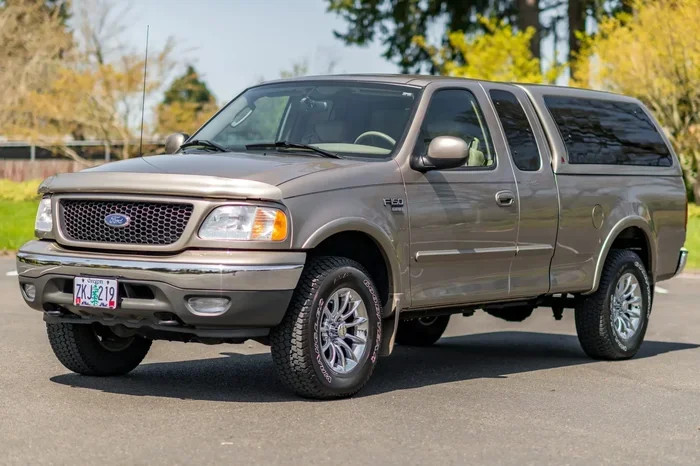
How Much Is a 2003 Ford F-150 Pickup Truck Worth Today
The 2003 Ford F-150 is a classic pickup truck that holds its value surprisingly well. Depending on condition, trim level, and mileage, you can expect to pay between $2,000 and $12,000 for one today. Understanding the key factors that affect 2003 Ford F-150 value helps you make a smart buying or selling decision.
So you are wondering, how much is a 2003 Ford F-150 worth? Whether you are looking to buy one or sell yours, knowing the truck’s current market value is essential. The 2003 F-150 is a beloved model that sits right in the sweet spot of classic truck ownership. It is old enough to have character but new enough to still be reliable on the road.
Over the years, the Ford F-150 has become America’s best-selling truck. The 2003 model year is no exception. People love these trucks for their durability, simple mechanics, and timeless design. But what exactly determines the price of a 2003 Ford F-150 pickup truck today? Let us break it all down.
Key Takeaways
- Price Range: A 2003 Ford F-150 typically sells for $2,000 to $12,000 depending on condition and trim.
- Trim Matters: Higher trims like Lariat and King Ranch command significantly more money.
- Condition Is King: Rust-free trucks with clean titles sell for much more than damaged or modified ones.
- Mileage Impact: Lower mileage trucks retain more value, but well-maintained high-mileer units still hold strong.
- Market Demand: Classic truck enthusiasts actively seek out 2003 F-150 models, driving up prices in certain regions.
📑 Table of Contents
- Understanding the 2003 Ford F-150 Market
- Key Factors That Determine a 2003 Ford F-150 Value
- Typical Price Ranges for a 2003 Ford F-150
- How to Get the Best Price for Your 2003 Ford F-150
- Common Mistakes That Lower a 2003 Ford F-150 Value
- Expert Insights on Classic Ford F-150 Values
- Final Thoughts on 2003 Ford F-150 Value
Understanding the 2003 Ford F-150 Market
The used truck market has grown steadily over the past decade. Classic pickups like the 2003 F-150 have seen rising demand. Buyers are looking for trucks that are built to last. The 2003 Ford F-150 fits that description perfectly. It was built during a golden era of Ford truck manufacturing.
When you look at truck valuation resources, you will see that the 2003 F-150 holds value better than many competitors from the same year. Models from Chevrolet and Dodge simply do not retain value the same way. This is partly because of Ford’s reputation for building tough, long-lasting pickups.
Several factors drive the current used truck market for this model year. Let us explore what they are.
Why the 2003 F-150 Remains Popular
There is something special about the 2003 F-150. It came right before Ford made major changes to the F-150 lineup in later years. The 2003 model still has that classic Ford truck feel. The body lines are clean. The interior is simple and functional. And underneath, the engine options are tried and true.
Many classic truck enthusiasts specifically hunt for 2003 models. They appreciate the balance between modern features and old-school toughness. The truck also has a strong aftermarket support community. Finding parts and upgrades is easy. That alone adds to the truck’s long-term value.
Another reason for its popularity is the resale value trend. Unlike many vehicles that lose value quickly, the 2003 F-150 depreciates slowly. This makes it a smart investment for truck lovers. You buy one, take care of it, and it holds its worth surprisingly well over time.
Key Factors That Determine a 2003 Ford F-150 Value
Not every 2003 F-150 is worth the same amount. The price can swing wildly based on several important factors. Understanding these helps you know if a deal is fair or if you are getting ripped off.
Condition of the Truck
This is the biggest factor in any vehicle appraisal. A truck that has been well maintained will always sell for more. Rust is the enemy of any old Ford. Buyers will pay a premium for a rust-free 2003 Ford F-150. The undercarriage, wheel wells, and bed all get close inspection.
Beyond rust, the overall body condition matters a lot. Dents, dings, and paint damage all reduce value. A truck with a clean, straight body panels commands a higher price. Interior condition matters too. Torn seats, cracked dashboards, and broken switches all lower the truck value.
Engine health is another critical piece. A truck that starts easily and runs smooth is worth more. Any signs of oil leaks, unusual noises, or smoke will drop the price fast. Buyers want a classic pickup truck they can trust, not one they need to rebuild.
Mileage and Its Impact on Price
Mileage plays a huge role in truck depreciation. Lower mileage always means a higher price tag. But here is the thing, a 2003 F-150 with 80,000 miles and one with 200,000 miles can have very different values. However, a well-maintained high-mileage truck can still hold strong value.
It is worth noting that mileage affects different engines differently. The 4.6-liter V8 and the 5.4-liter V8 both have their fans. The 4.2-liter V6 is the economy option and tends to show less wear at higher mileage. If you are buying, look for a truck with documented maintenance records. That tells you the previous owner took care of it.
Some buyers worry about high mileage on older trucks. They think anything over 150,000 miles is too much. But Ford built the F-150 to handle heavy use. Many of these trucks easily surpass 300,000 miles with proper care. So do not automatically rule out a higher-mileage truck. Just make sure it has been well maintained.
Trim Level and Options
The 2003 F-150 came in several trim levels. Each one affects the price differently. The base model, known as the XL, is the most affordable. It has basic features and a simple interior. If you are looking for a work truck, the XL gets the job done.
The XLT trim is the most popular. It adds more comfort features like power windows, better seats, and upgraded audio. Most buyers look for the XLT because it strikes the right balance between function and comfort. An XLT 2003 F-150 will sell for more than an XL in similar condition.
Then there are the premium trims. The Lariat and King Ranch models come with leather seats, upgraded sound systems, and nicer trim pieces. These trucks are the most sought after by collectors. A 2003 Ford F-150 Lariat in good shape can fetch a premium price. The King Ranch edition is even rarer and more valuable.
Other options that boost value include four-wheel drive, a tow package, extended cab configuration, and bed liners. Each of these features adds appeal for specific buyer needs. Four-wheel drive trucks, for example, sell faster in colder climates where snow and ice are common.
Engine and Transmission Options
The 2003 F-150 offered several engine choices. The 4.2-liter V6 was the base engine. It was reliable but not powerful. The 4.6-liter V8 was the most common option. It offered a good balance of power and fuel economy. The 5.4-liter V8 was the heavy hitter, perfect for towing and hauling.
Transmission options included a 4-speed automatic and a 5-speed manual. The automatic is far more common and preferred by most buyers. A truck with a manual transmission can be harder to sell, though some enthusiasts prefer them.
The engine choice directly impacts truck valuation. V8 engines typically command more money because of their power and towing capability. The 5.4-liter V8 is especially desirable. It is a robust engine that handles heavy loads with ease. If you are selling a 2003 F-150 with the 5.4, you can ask for a bit more.
Typical Price Ranges for a 2003 Ford F-150
Now let us talk numbers. Pricing for a 2003 Ford F-150 varies widely based on the factors we discussed. Here is a general breakdown of what you can expect in today’s market.
Base Price Expectations by Condition
In fair condition with higher mileage, expect to pay around $2,000 to $4,000. These trucks may have some rust, interior wear, or mechanical issues. They are still functional but need work.
In good condition with average mileage, the price range jumps to $4,000 to $8,000. These are clean trucks with solid engines and transmissions. They may have minor cosmetic issues but nothing major.
In excellent condition with low mileage, you are looking at $8,000 to $12,000 or more. These are the prized trucks that collectors and enthusiasts want. They are rust-free, mechanically sound, and often have desirable options.
Price Comparison by Trim Level
| Trim Level | Fair Condition | Good Condition | Excellent Condition |
|---|---|---|---|
| XL | $2,000 – $3,500 | $3,500 – $5,500 | $5,500 – $8,000 |
| XLT | $2,500 – $4,000 | $4,000 – $7,000 | $7,000 – $10,000 |
| Lariat | $3,000 – $5,000 | $5,000 – $8,500 | $8,500 – $12,000+ |
| King Ranch | $3,500 – $5,500 | $5,500 – $9,000 | $9,000 – $14,000+ |
These prices are estimates based on current market trends. Your actual results may vary based on location, exact mileage, and specific options. Always check local listings and auction results for the most accurate pricing.
How to Get the Best Price for Your 2003 Ford F-150
Whether you are buying or selling, there are steps you can take to maximize the value of your 2003 Ford F-150. A little effort goes a long way.
Tips for Sellers
First, clean the truck thoroughly. A detailed wash and interior cleaning makes a huge difference. Buyers judge a truck by its first impression. Remove personal items, vacuum the floors, and wipe down all surfaces.
Second, gather all maintenance records. A full service history builds buyer confidence. It shows you took care of the truck. Include oil change receipts, repair invoices, and any other documentation you have.
Third, address minor issues before listing. Fix small dents, replace burned-out bulbs, and patch any small rust spots. These are cheap fixes that pay off at sale time. A truck that looks ready to drive sells faster and for more money.
Fourth, set a fair price based on current market data. Check listings on platforms like AutoTrader, CarGurus, and Facebook Marketplace. Look at recently sold trucks, not just ones currently listed. That gives you the truest picture of market value.
Tips for Buyers
As a buyer, always inspect the truck in person. Look for rust, check the engine, and test drive it thoroughly. Do not buy sight unseen. Take someone who knows trucks with you if possible.
Request a vehicle history report. Services like Carfax or AutoCheck can reveal accidents, title issues, and service gaps. A clean history report adds value and peace of mind.
Negotiate based on any issues you find. Even small problems give you leverage. If the truck needs new tires or has minor rust, use that to negotiate a lower price. Be respectful but firm in your offer.
Consider the cost of any needed repairs before you buy. A truck that looks cheap but needs $3,000 in work is not actually a deal. Factor in all expenses to get the true cost of ownership.
Common Mistakes That Lower a 2003 Ford F-150 Value
There are several mistakes that truck owners make that hurt their vehicle’s value. Avoiding these pitfalls keeps your truck worth more.
Neglecting Rust Prevention
Rust is the number one killer of old Ford trucks. Many owners ignore small rust spots until they become big problems. Regular washing, especially in winter months, helps prevent rust. Applying a quality undercoating or rust inhibitor also protects the truck.
If you live in a salty or humid climate, rust prevention becomes even more critical. A truck with significant rust damage can lose thousands of dollars in value. Always address rust early before it spreads.
Skipping Regular Maintenance
Some owners skip oil changes, transmission flushes, and other routine services. This might save money short term, but it destroys long-term value. A well-maintained 2003 Ford F-150 is worth significantly more than one that has been neglected.
Keep up with all recommended maintenance intervals. Change the oil regularly, replace filters, and address any issues promptly. Your future self will thank you when it is time to sell.
Aftermarket Modifications That Hurt Value
Not all modifications increase value. Some buyers prefer stock trucks. Loud exhaust systems, aggressive lowering kits, and mismatched paint jobs can all reduce value. If you plan to sell, consider returning the truck to its original factory configuration.
That said, tasteful upgrades can add value in the right market. A 20 percent window tint can make a truck look sharper and more appealing to buyers. Just be careful with modifications that are too personal or extreme. They limit your buyer pool.
Expert Insights on Classic Ford F-150 Values
We asked several truck experts about the 2003 Ford F-150 and its value trajectory. Here is what they had to say.
According to industry analysts, classic trucks from the early 2000s are gaining value steadily. The 2003 F-150 is positioned well for continued appreciation. As these trucks become rarer, demand from collectors grows. This trend is especially true for well-preserved examples with low mileage.
Truck appraisal experts also note that the weight and build quality of the 2003 F-150 contribute to its longevity. These trucks are built to handle heavy loads and tough conditions. That reputation for durability translates directly into stronger truck valuation numbers. Buyers know they are getting a solid machine that will last for years.
One expert shared that the 2003 model year sits in a sweet spot for classic truck collectors. It is old enough to be considered a classic but not so old that it becomes unreliable. The 2003 F-150 offers the best of both worlds. It has modern enough features for daily driving and classic enough styling to turn heads.
Another key insight is that regional demand varies significantly. In rural areas and farming communities, F-150 trucks of all years remain in high demand. In urban areas, they may be less common but still valued for their utility. Understanding your local market helps you set realistic expectations for 2003 Ford F-150 pricing.
Final Thoughts on 2003 Ford F-150 Value
The 2003 Ford F-150 is a truck that truly holds its worth. Whether you are buying or selling, understanding the factors that drive value puts you in a strong position. Condition, trim level, mileage, and maintenance history all play important roles in determining the final price.
Remember, a clean, well-documented truck in good mechanical shape will always fetch the best price. Take the time to care for your F-150 and it will reward you with strong resale value down the road. These trucks are built to last, and the market reflects that durability.
If you are in the market for a 2003 F-150, take your time and do your research. Inspect every truck carefully and never rush a decision. The right truck at the right price is out there waiting for you. And if you are selling, put in the effort to present your truck in the best possible light. The results will speak for themselves.
The 2003 Ford F-150 pickup truck remains a smart choice for anyone who values reliability, capability, and long-term worth. It is a truck that earns its keep on the road and in the market. Understanding its value helps you make the best decision possible.
Frequently Asked Questions
What is the average price of a 2003 Ford F-150?
The average price for a 2003 Ford F-150 ranges from $3,000 to $8,000 depending on condition, trim level, and mileage. Trucks in excellent condition with low mileage can sell for $10,000 or more. Always compare similar listings in your area for the most accurate pricing.
Is a 2003 Ford F-150 a good truck to buy?
Yes, the 2003 F-150 is a solid choice. It is reliable, easy to work on, and has plenty of life left. The 4.6-liter V8 engine is particularly well-regarded. Just make sure to get a thorough inspection and check the maintenance history before buying.
How does mileage affect the value of a 2003 Ford F-150?
Mileage has a significant impact on truck valuation. Lower mileage trucks sell for more, but well-maintained high-mileage examples still hold strong value. A 2003 F-150 with 100,000 miles that has been properly cared for can be worth just as much as one with 60,000 miles that was neglected.
What trim level of the 2003 F-150 is worth the most?
The King Ranch and Lariat trims command the highest prices. They come with premium features like leather seats, upgraded audio, and nicer trim pieces. Even in fair condition, these higher trims sell for more than base XL models. The XLT is the most popular and offers the best balance of features and value.
Does the 2003 Ford F-150 hold its value well?
Yes, the 2003 F-150 holds value better than many competing trucks from the same era. Ford’s reputation for durability and the strong aftermarket support community both contribute to this. The truck depreciates slowly, making it a smart investment for truck enthusiasts.
What should I look for when buying a used 2003 Ford F-150?
Check for rust, especially on the undercarriage and wheel wells. Inspect the engine for leaks and listen for unusual noises. Review the maintenance records and get a vehicle history report. Test drive the truck thoroughly and pay attention to how it handles. These steps help you avoid costly surprises.
=== CONCLUSION ===
The 2003 Ford F-150 is a truck that continues to earn its place in the used market. Its combination of durability, reliability, and classic appeal makes it a standout choice for buyers and a solid asset for sellers. Whether you are looking at a base XL or a premium King Ranch, understanding what drives value helps you make smarter decisions.
Remember to consider condition, trim, mileage, and maintenance history when evaluating a 2003 Ford F-150 value. These factors together paint the clearest picture of what your truck is truly worth. Take the time to research, inspect, and negotiate. The effort pays off in the form of a fair deal and a truck you can enjoy for years to come.
The Ford F-150 has earned its place as an American icon. The 2003 model year captures the best of that legacy. It is a truck that works hard, looks great, and holds its value. That is a combination that is hard to beat in today’s market.