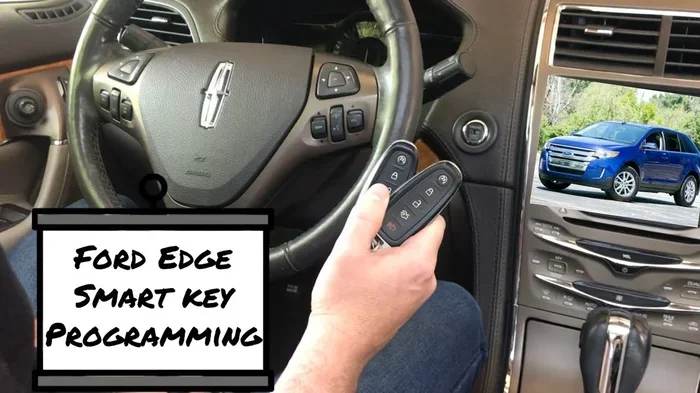
Can You Program a Key Fob Without Going to the Dealership
Yes, you can program a key fob without going to the dealership. Most modern vehicles allow key fob programming at home using simple methods outlined in your car owner manual, an OBD-II scanner, or the key turn method. This guide walks you through every option so you can replace or reprogram your car key fob quickly and affordably.
This is a comprehensive guide about Can You Program a Key Fob Without Going to the Dealership?.
Key Takeaways
- DIY Programming Is Possible: Many cars let you program a replacement key fob at home without dealer help.
- Multiple Methods Exist: You can use your car owner manual, an OBD-II scanner, or the manual key turn method.
- Save Significant Money: Avoiding the dealership can save you anywhere from $50 to $300 or more.
- Right Tools Matter: Having the correct tools and your car owner manual makes the process much easier.
- Know When to Call a Pro: Some vehicles and situations still require a professional car locksmith or dealership visit.
- Battery Replacement First: A dead key fob battery often mimics programming issues, so always check it first.
[FEATURED_IMAGE_PLACEHOLDER]
Can you program a key fob without going to the dealership? The short answer is yes. More and more car owners are learning how to handle this task at home, and it is far simpler than most people think. Whether your fob got lost, damaged, or you just bought a spare, you do not always need to spend hundreds of dollars at a dealership.
This guide breaks down every method you can use to program a replacement key fob yourself. We will cover the tools you need, the step-by-step process for different car brands, and when it makes sense to call a professional. By the end, you will feel confident tackling this job on your own.
Many car owners assume that programming a car key fob requires expensive equipment and a trip to the dealer. That used to be true years ago, but modern technology has changed the game. Today, most vehicles come with built-in programming modes that anyone can access with a little patience.
Understanding How Key Fobs Work
What Is a Key Fob?
A key fob is a small remote device that lets you lock, unlock, and sometimes start your car without using a physical key. It sends a coded signal to your vehicle’s receiver module, which verifies the code and responds accordingly. Think of it as a walkie-talkie between your fob and your car.
Most modern key fobs also include a transponder chip. This tiny chip communicates with your car’s immobilizer system. If the chip does not match, the car will not start. This is a security feature designed to prevent theft. The smart key system in newer vehicles takes this even further, allowing you to start the engine with the fob still in your pocket.
How Does a Key Fob Communicate With Your Car?
Your key fob uses radio frequency signals to talk to your car. When you press a button, the fob sends a specific code. The car’s receiver antenna picks up that signal and checks it against stored codes. If the code matches, the car responds by unlocking the doors or disabling the immobilizer.
The push button start system in many newer cars works hand in hand with the key fob. When you press the start button, the car checks for a valid fob nearby. If the fob battery dies or the fob is not recognized, the car will not start. This is why keeping your key fob battery fresh matters so much.
Understanding this basic communication helps you troubleshoot problems. Sometimes the issue is not programming at all. A weak fob battery or a faulty receiver can mimic programming failures. Before you dive into reprogramming, always check the fob battery first. A simple battery swap often solves the problem.
Can You Program a Key Fob at Home?
The short answer is yes. Most car manufacturers design their vehicles with built-in programming modes. These modes allow owners to add or replace key fobs without special dealership equipment. However, the exact process varies by make, model, and year.
Some vehicles are easier to program than others. Japanese brands like Toyota, Honda, and Nissan often have straightforward programming steps. European brands like BMW and Mercedes may require additional tools. American brands like Ford and Chevrolet usually fall somewhere in the middle. No matter your car, there is almost always a way to do it yourself.
Methods to Program a Key Fob Yourself
There are three main methods to program a key fob at home. Each method works for different vehicles and situations. Here is a quick overview of what to expect.
- Method 1: Using the Car Owner Manual — This is the simplest approach. Most manuals include a step-by-step programming sequence. You typically need to cycle the ignition and press buttons on the fob in a specific order.
- Method 2: Using an OBD-II Scanner — An OBD-II scanner connects to your car’s diagnostic port. Some scanners have a key fob programming mode built in. This method works for many vehicles and gives you more control.
- Method 3: The Key Turn Method — This method uses the physical key to trigger the programming mode. You insert and remove the key from the ignition a set number of times. It works on many older and mid-range vehicles.
What Tools Do You Need?
You do not need a lot of tools to program a key fob at home. Here is a basic list of what you should have ready.
- Your replacement key fob or remote
- The car owner manual for your specific vehicle
- A new key fob battery (usually CR2025 or CR2032)
- An OBD-II scanner if you plan to use the scanner method
- A working physical key (if your fob includes one)
- A clean, well-lit workspace
Before you start, make sure you have all these items ready. Trying to program a fob without the right battery or manual can lead to frustration. Having everything at hand keeps the process smooth and stress-free.
Step-by-Step Guide to Programming Your Key Fob
Now let us walk through each method in detail. Follow the steps carefully and do not rush. Patience is your best friend when programming a key fob.
Method 1: Using the Car Owner Manual
This is the easiest and most accessible method. Every vehicle comes with an owner manual, and it usually contains the programming sequence. Here is how to do it.
- Sit in the driver’s seat and close all doors.
- Insert the physical key into the ignition.
- Turn the key to the “On” position without starting the engine. Then turn it back to “Off.”
- Repeat this on-off cycle the number of times specified in your manual. Usually, it is three to five cycles.
- Within a set time window (often 10 seconds), press and hold the lock and unlock buttons on the new fob simultaneously.
- Wait for the doors to lock or the dashboard light to flash. This confirms the fob has been programmed.
- Test the new fob by locking and unlocking the car from a few feet away.
The exact sequence varies by vehicle. Some cars require you to press the fob button within a specific time frame after the final ignition cycle. Always refer to your car owner manual for the precise steps. If you have lost your manual, you can usually find a free PDF version online by searching for your car make, model, and year.
Method 2: Using an OBD-II Scanner
An OBD-II scanner is a handy tool for any car owner. It plugs into the diagnostic port under your dashboard. Many modern scanners include a key fob programming mode. This method is especially useful for vehicles that do not have a simple manual programming sequence.
Here is how to use an OBD-II scanner for key fob programming.
- Locate the OBD-II port under your dashboard. It is usually near the driver’s side knee area.
- Plug the scanner into the port and turn the ignition to “On.”
- Follow the scanner’s menu to find the key fob programming option.
- Select “Program New Key” or a similar option.
- Follow the on-screen prompts. The scanner will guide you through the process.
- Once programming is complete, test the new fob to confirm it works.
OBD-II scanners range from basic code readers to advanced diagnostic tools. A basic scanner may not support key fob programming. If you plan to use this method, invest in a scanner that explicitly lists key fob programming as a feature. Brands like Autel and Launch offer reliable options at reasonable prices.
Method 3: The Key Turn Method
The key turn method is a popular approach for many vehicles. It uses the physical key to enter programming mode. Here is how it works.
- Insert the physical key into the ignition.
- Turn the key from “Off” to “On” and back to “Off” within a few seconds.
- Repeat this cycle a specific number of times. The required number varies by vehicle, but three to five is common.
- After the final cycle, the doors should lock and unlock automatically. This signals that you have entered programming mode.
- Press the buttons on the new key fob within the time window.
- The car should confirm the programming with a lock or flash of the lights.
- Test the fob to make sure it works.
This method works on many Ford, Chevrolet, and Nissan models. Always check your specific vehicle’s requirements. The key turn method is one of the most common DIY approaches, and it does not require any special tools beyond your physical key and the new fob.
When You Still Need a Locksmith or Dealership
While DIY programming works for most vehicles, there are times when professional help is the better choice. Knowing when to call a car locksmith or visit the dealership can save you time and prevent costly mistakes.
Signs That Professional Help Is Necessary
Watch for these signs that indicate you need professional assistance.
- Your vehicle does not have a manual programming mode.
- The new fob still does not work after trying all DIY methods.
- Your car uses a smart key system that requires specialized equipment.
- You have lost all working keys and fobs. Programming a fob when no working key exists often requires dealer-level tools.
- Your car’s security system has been triggered or locked out.
- You are uncomfortable working with your car’s electrical systems.
How a Car Locksmith Can Help
A qualified car locksmith can program most key fobs on-site. They carry professional-grade equipment that covers a wide range of vehicle makes and models. Many locksmiths offer mobile services, meaning they come to your location. This is incredibly convenient if your fob stopped working while you are away from home.
Hiring a locksmith typically costs between $50 and $150 for programming services. Compare that to the dealership, which often charges $200 or more for the same task. A locksmith is a smart middle ground between DIY and the dealership.
Some locksmiths can also cut new physical keys for you. If your fob includes a metal key blade, they can replace that too. This makes a locksmith a one-stop solution for most key-related problems.
Common Mistakes to Avoid When Programming a Key Fob
Mistakes That Can Void Your Warranty
Before you start any DIY programming project, check your vehicle’s warranty terms. Some manufacturers state that using non-OEM fobs or third-party programming tools can void your warranty. If your car is still under warranty, it may be worth contacting the dealership first to ask about their programming policies.
Another common mistake is using the wrong type of fob. Not all replacement fobs are compatible with every vehicle. Make sure you purchase a fob that matches your car’s make, model, and year. Using an incompatible fob will not work and could potentially cause electrical issues.
Tips for a Smooth Programming Experience
Follow these tips to avoid frustration and get the job done right.
- Read the entire process first. Do not start programming until you understand every step.
- Replace the fob battery first. A dead battery is the most common reason a fob appears not to work.
- Work in a quiet environment. Nearby electronic devices can sometimes interfere with the signal.
- Have a backup plan. Keep at least one working key or fob available during programming.
- Be patient with timing windows. Many programming sequences have strict time limits. Rushing through steps often causes errors.
- Keep your phone nearby. Search for your specific vehicle’s programming video on YouTube if you get stuck. Visual guides are incredibly helpful.
How Much Money Can You Save?
One of the biggest reasons people want to program a key fob at home is cost savings. Dealerships charge a premium for key fob services, and those fees add up quickly.
Dealership vs. DIY Cost Comparison
| Service | Dealership Cost | DIY Cost |
|---|---|---|
| Key fob replacement unit | $150 – $400 | $20 – $80 |
| Programming service | $50 – $200 | $0 |
| Total cost | $200 – $600 | $20 – $80 |
| Time required | 1 – 3 days | 15 – 45 minutes |
As you can see, programming your own key fob can save you a significant amount of money. The replacement fob itself is the biggest expense, and you can save by purchasing aftermarket fobs online. Just make sure the fob you buy is compatible with your vehicle.
Some people also wonder about the 12V car socket to 3 pin adapter and whether it plays a role in key fob programming. While car electrical adapters are useful for powering devices, they do not directly help with fob programming. The real tools you need are the ones listed earlier in this guide.
Similarly, if you are dealing with car electrical issues alongside your key fob problem, a 12V to 230V car inverter can be helpful for powering other devices in your vehicle. But for programming purposes, focus on the OBD-II scanner and your car owner manual.
The push button start system in modern cars adds another layer of complexity. If your vehicle uses a smart key, the programming process may involve additional steps. Always consult your specific vehicle’s manual before starting. A small investment in the right information goes a long way toward a successful DIY programming experience.
Remember that your car’s electrical system works together with the key fob in important ways. The key fob battery, the transponder chip, and the receiver module all need to function properly. If one component fails, the whole system breaks down. This is why troubleshooting the battery and the fob itself before programming is so important.
Conclusion
Programming a key fob without going to the dealership is absolutely possible for most vehicles. With the right tools, a little patience, and your car owner manual, you can save both time and money. The three methods covered in this guide — the manual sequence, the OBD-II scanner method, and the key turn method — cover the vast majority of cars on the road today.
Start by checking your fob battery and reading your owner manual. If those steps do not resolve the issue, try one of the DIY programming methods. And if you run into trouble, a car locksmith is always a reliable backup option. The key is to approach the process methodically and not rush through the steps.
Take the time to learn your specific vehicle’s programming process. Every car is slightly different, and knowing your car’s quirks makes the job much easier. Once you have successfully programmed a fob yourself, you will feel a real sense of accomplishment. More importantly, you will know that you can handle this task again in the future without spending a dime at the dealership.
Keep this guide saved for future reference. Whether you need to program a spare fob, replace a lost one, or simply troubleshoot a non-working remote, the information here will serve you well. Empower yourself with knowledge and take control of your car’s key fob programming today.
Frequently Asked Questions
Can I program a key fob myself if I have no mechanical experience?
Yes, most key fob programming methods are straightforward and do not require mechanical skills. You simply follow a sequence of steps outlined in your car owner manual. If you can follow a recipe, you can program a key fob. Start with the simplest method and work your way up if needed.
How long does it take to program a key fob at home?
Most DIY programming sessions take between 15 and 45 minutes. The exact time depends on your vehicle and the method you use. Having your car owner manual handy and all tools ready beforehand helps keep the process fast and smooth.
Will programming a new key fob erase my existing keys?
In most cases, no. Programming a new fob adds it to the list of recognized keys. Your existing keys should continue to work. However, some vehicles require you to reprogram all fobs at once. Always check your vehicle’s manual for specific instructions before starting.
What should I do if my new key fob still does not work after programming?
First, check the battery in the new fob. A dead battery is the most common culprit. Next, make sure you followed the programming sequence exactly and stayed within the required time windows. If the fob still does not work, consult a car locksmith who can diagnose the issue with professional equipment.
Do I need a special key fob to program it myself?
You need a replacement fob that is compatible with your vehicle. Aftermarket fobs work for many cars and are much cheaper than OEM fobs. Make sure the fob you purchase matches your car’s make, model, and year. Some vehicles require a specific fob type that only a locksmith or dealership can provide.
Is it cheaper to program a key fob at home or at a locksmith?
Programming at home is the cheapest option since you only pay for the replacement fob itself. A locksmith typically charges between $50 and $150 for programming services. The dealership is the most expensive option, often costing $200 or more. For most car owners, DIY programming offers the best value.
One Comment