How Long Does a Tesla Battery Last and What Affects It
How long does a Tesla battery last? Most Tesla batteries are designed to last between 300,000 and 500,000 miles before needing replacement. Several key factors like charging habits, temperature, driving style, and battery degradation play a major role in determining your Tesla battery lifespan. Understanding these factors helps you get the most out of your electric vehicle investment.
So, how long does a Tesla battery last? This is one of the most common questions among potential electric vehicle buyers and current Tesla owners alike. The answer isn’t as simple as a single number, but the good news is that Tesla batteries are built to last a very long time. Most owners can expect their battery to hold up well for hundreds of thousands of miles.
In this guide, we’ll break down everything you need to know about Tesla battery lifespan. We’ll cover what affects battery health, how degradation works over time, what the warranty looks like, and practical tips you can use every day to get the most miles out of your battery. Whether you drive a Model S, Model 3, Model X, or Model Y, this article has you covered.
Understanding your Tesla battery goes a long way toward making smart charging decisions. Let’s dive in.
Key Takeaways
- Tesla batteries last 300,000–500,000 miles on average, which translates to roughly 1,500+ charging cycles over the vehicle’s lifetime.
- Charging habits matter a lot — frequently draining to 0% or always charging to 100% accelerates battery degradation.
- Extreme temperatures (both hot and cold) reduce battery efficiency and speed up capacity loss over time.
- Tesla’s warranty covers 8 years or 120,000–150,000 miles depending on the model, giving owners strong peace of mind.
- Simple daily habits like preconditioning, limiting supercharging, and avoiding full discharges can significantly extend battery life.
- Battery degradation is gradual — most Tesla owners lose only about 10–15% of original range after 100,000 miles.
- Replacing a Tesla battery is expensive but rarely needed within the typical ownership period thanks to durable lithium-ion technology.
📑 Table of Contents
How Long Does a Tesla Battery Last: The Short Answer
When people ask, “how long does a Tesla battery last,” they usually want a straightforward number. The short answer is that most Tesla batteries are engineered to last between 300,000 and 500,000 miles. That’s roughly 1,500 full charging cycles. In real-world terms, this means most owners will never need a battery replacement during their normal ownership period.
Tesla uses lithium-ion battery technology, which is the same type found in smartphones and laptops but on a much larger and more sophisticated scale. These battery packs are made up of thousands of individual cells working together to store and deliver energy efficiently.
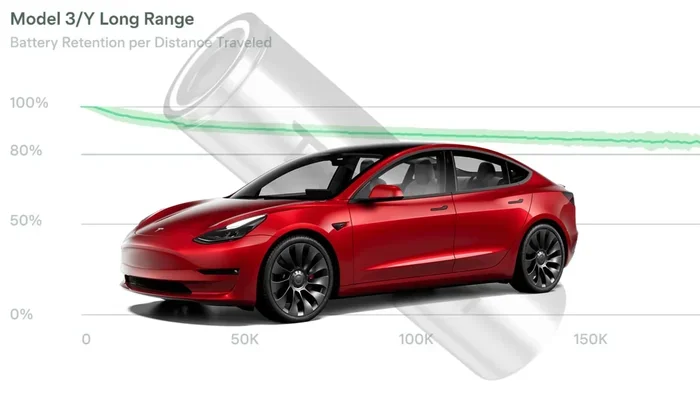
Over time, every battery loses a small amount of its total capacity. This is called battery degradation. For Tesla vehicles, the average range loss is about 10–15% after 100,000 miles. So if your Tesla originally had a 300-mile range, you might see around 255–270 miles after 100,000 miles of driving. That’s still plenty of range for most daily needs.
It’s also worth noting that different Tesla models have slightly different battery sizes and configurations. The Tesla Model S and Model X typically have larger battery packs than the Model 3 and Model Y. But the core technology and degradation patterns are similar across the lineup.
What Affects Tesla Battery Life
Several factors determine how quickly your Tesla battery degrades. Some you can control, and some are simply part of the driving experience. Let’s look at the biggest influences on Tesla battery lifespan.
Charging Habits and Cycles
How you charge your Tesla has a big impact on battery health. Every time you charge and discharge the battery, it completes one charging cycle. The more cycles you go through, the more the battery gradually wears down.
Here are some key things to know about charging habits:
- Avoid draining to 0%: Letting your battery completely die puts stress on the cells. Try to keep your charge between 20% and 90% for daily driving.
- Don’t always charge to 100%: While it’s fine to charge to full for long trips, regularly charging to 100% for short daily drives can speed up degradation.
- Limit supercharging: Supercharging is convenient and fast, but frequent high-speed charging generates more heat, which can affect long-term battery health.
- Use scheduled charging: Tesla lets you set charging times. Use this feature to charge during off-peak hours and avoid leaving the car plugged in at 100% for extended periods.
Temperature and Climate
Temperature plays a significant role in electric vehicle battery performance. Both extreme heat and extreme cold can affect how your battery operates and how quickly it degrades.
- Hot climates: Prolonged exposure to high temperatures can accelerate chemical reactions inside the battery, leading to faster capacity loss. Parking in shade or a garage helps.
- Cold climates: Cold weather temporarily reduces battery range and efficiency. The battery needs more energy to warm up and maintain optimal performance.
- Tesla’s thermal management system: Modern Teslas have an advanced thermal management system that helps regulate battery temperature. This system uses liquid cooling and heating to keep the battery in its optimal range.
Some Tesla owners also apply a 20 percent window tint to reduce heat buildup inside the car, which indirectly helps keep the battery cooler during hot parking sessions.
Driving Style and Usage Patterns
How you drive your Tesla also affects battery longevity. Aggressive driving, frequent acceleration, and high-speed driving all put more demand on the battery.
- Smooth acceleration: Gentle driving puts less stress on the battery cells and helps preserve capacity over time.
- High-speed driving: Sustained highway speeds at 80 mph or above drain the battery faster and generate more heat.
- Regenerative braking: Tesla’s regenerative braking system actually helps recharge the battery when you slow down. This reduces wear on the brake pads and can slightly improve overall battery efficiency.
Quick Tips for Better Battery Health
- Keep your daily charge between 20% and 90%.
- Precondition the battery before long trips using the Tesla app.
- Park in a garage or shaded area when possible.
- Use supercharging only when needed for long-distance travel.
- Enable “Range Mode” for everyday driving to reduce energy consumption.
Tesla Battery Degradation: What the Data Shows
Understanding Battery Degradation
Battery degradation is the gradual loss of a battery’s total capacity over time. It’s a natural process that happens in all lithium-ion batteries, not just Tesla’s. Think of it like a phone battery — after a couple of years, you might notice your phone doesn’t hold a charge as well as it used to.
In a Tesla, this means your vehicle’s estimated range slowly decreases over the years. The good news is that Tesla has designed its batteries to minimize this effect. Most owners experience a very gradual decline that’s barely noticeable in day-to-day driving.
The weight of the battery pack itself is something to consider. A Tesla battery pack weighs over 000 lbs, which is heavy for a car, but this weight is distributed low in the vehicle, which actually improves handling and stability.
Real-World Battery Longevity Data
Tesla has collected real-world data from its fleet of vehicles, and the results are encouraging. Here’s what the data generally shows:
- After 50,000 miles: Most Tesla batteries retain 90–95% of their original capacity.
- After 100,000 miles: Average capacity retention is around 85–90%.
- After 200,000 miles: Many batteries still retain 75–85% of original capacity.
- After 300,000+ miles: Some early Tesla vehicles are approaching this milestone, and battery health remains surprisingly strong.
Expert Insights
According to Tesla’s own data and independent studies, the EV battery longevity of Tesla vehicles has consistently exceeded initial expectations. Tesla’s battery management software plays a huge role in this. The system continuously monitors each cell, balances charge levels, and optimizes performance to minimize degradation. This level of intelligent management is one reason why Tesla batteries outlast many people’s initial expectations.
Tesla Battery Warranty and Replacement Options
Tesla provides strong warranty coverage for its batteries, which gives owners peace of mind. Here’s a comparison of the warranty details across different Tesla models:
| Model | Battery Warranty | Mileage Coverage |
|---|---|---|
| Model S | 8 years | 150,000 miles |
| Model 3 | 8 years | 120,000 miles |
| Model X | 8 years | 150,000 miles |
| Model Y | 8 years | 120,000 miles |
The warranty guarantees that the battery will maintain at least 70% of its original capacity during the coverage period. If your battery drops below 70% capacity within the warranty period, Tesla will repair or replace it at no cost to you.
Now, what about after the warranty expires? Battery replacement cost can be significant. Depending on the model and battery size, a full replacement can range from $10,000 to $20,000 or more. However, most owners will never need a full replacement thanks to the durability of the battery technology.
It’s also worth noting that while some people might compare EV mileage to traditional fuel vehicles — like thinking 000 miles a lot for a diesel — Tesla batteries are specifically engineered for much longer lifespans and higher total mileage than most conventional powertrains.
Tips to Extend Your Tesla Battery Life
Want to get the absolute most out of your Tesla battery? Here are some practical, actionable tips that real Tesla owners use to maximize battery health over the years.
Daily Charging Best Practices
- Charge to 90% for daily use: This gives you plenty of range for most trips while reducing stress on the battery cells.
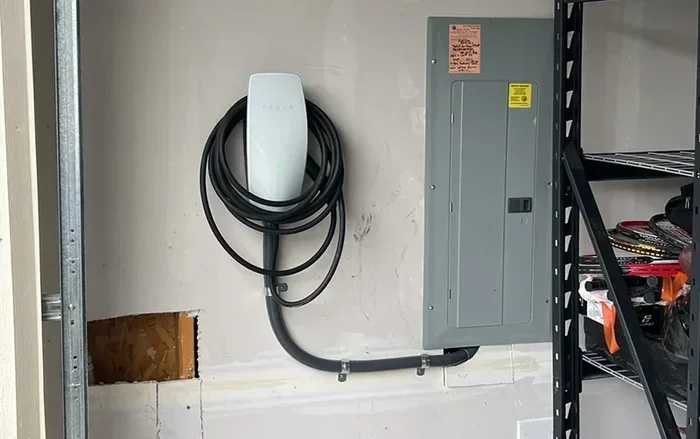
- Use a Level 2 home charger: Overnight charging at a lower rate is gentler on the battery than frequent supercharging.
- Set a charging limit in the Tesla app: You can customize the maximum charge level to match your daily needs.
- Avoid charging immediately after heavy driving: Let the battery cool down for 15–20 minutes before plugging in.
Common Mistakes to Avoid
There are a few common habits that can shorten your Tesla battery life without you even realizing it:
- Leaving the car at 100% charge for days: This puts unnecessary stress on the cells. If you’re not planning to drive, charge to around 50–60%.
- Frequently charging to 100%: Reserve full charges for road trips and long journeys only.
- Ignoring software updates: Tesla regularly releases updates that improve battery management algorithms. Keep your software up to date.
- Exposing the car to extreme heat for long periods: If you live in a very hot climate, park in a garage or shaded area whenever possible.
- Skipping scheduled maintenance: While EVs need less maintenance than gas cars, regular check-ups help catch potential issues early.
Expert Insight
Tesla engineers recommend treating your battery like you would treat any important investment — with consistent, moderate care. The biggest factor in long-term battery health is simply being mindful of your charging patterns. Small adjustments to your daily routine can add years of useful life to your battery pack.
The Bottom Line: Maximizing Your Tesla Battery Investment
So, how long does a Tesla battery last? The answer is clear: with proper care and smart charging habits, your Tesla battery can easily last 300,000 miles or more. That’s years of reliable, efficient driving with minimal battery-related concerns.
The key takeaways are simple. How long does a Tesla battery last depends largely on how you treat it. Keep your charge levels in a reasonable range, avoid extreme temperatures when possible, drive smoothly, and stay current with Tesla software updates. These small steps add up to significant battery longevity over the life of your vehicle.
Tesla’s warranty coverage, combined with the inherent durability of lithium-ion technology, means most owners will never face a battery replacement bill. And even as the battery gradually degrades over many years, the impact on daily driving is minimal.
Whether you’re considering buying a Tesla or you’ve been driving one for years, understanding your battery is one of the best things you can do. A well-maintained Tesla battery is one of the most reliable components in any modern vehicle. Take care of it, and it will take care of you for the long haul.
Frequently Asked Questions
How long does a Tesla battery last in years?
Most Tesla batteries are designed to last between 10 and 20 years, depending on driving habits, climate, and charging patterns. The average Tesla owner drives about 12,000–15,000 miles per year, which means the battery can easily last the lifetime of the vehicle.
How much does it cost to replace a Tesla battery?
Battery replacement costs vary by model and battery size. On average, a full Tesla battery replacement ranges from $10,000 to $20,000. However, most owners never need a full replacement thanks to the long-lasting nature of Tesla’s lithium-ion battery technology.
Does Tesla battery degrade over time?
Yes, all batteries degrade over time, including Tesla’s. The average degradation rate is about 1–2% per year, meaning most Tesla owners lose roughly 10–15% of their original range after 100,000 miles. This gradual decline is normal and expected.
Is it bad to charge your Tesla every night?
Charging your Tesla every night is generally fine, especially if you set a charge limit of 90% or below. Tesla’s battery management system is designed to handle regular charging. Just avoid leaving the car at 100% charge for extended periods when you’re not driving.
What is Tesla’s battery warranty?
Tesla provides an 8-year battery warranty across all models, with mileage coverage ranging from 120,000 to 150,000 miles depending on the model. The warranty guarantees the battery will maintain at least 70% of its original capacity during the coverage period.
Can you improve your Tesla battery life with driving habits?
Absolutely. Smooth acceleration, avoiding frequent full charges, limiting supercharging, and parking in moderate temperatures all contribute to better long-term battery health. Small changes in your daily routine can significantly extend your Tesla battery lifespan.