Is It Illegal to Disable DRL and What You Should Know
Is It Illegal to Disable DRL? is an essential topic that provides valuable insights.
Key Takeaways
- Understanding Is It Illegal to Disable DRL?: Provides essential knowledge
📑 Table of Contents
What Are Daytime Running Lights and Why Do They Exist?
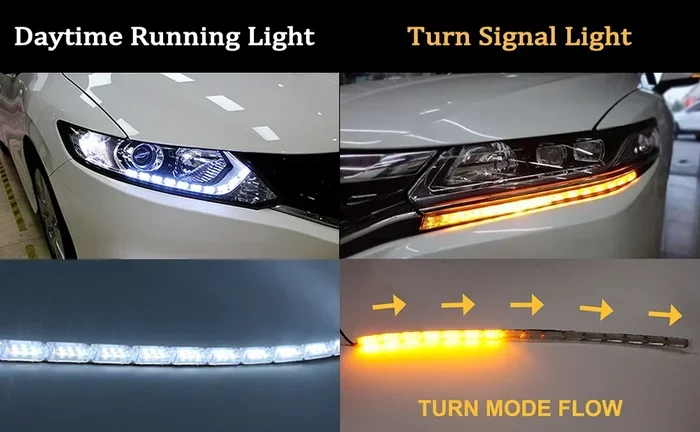
Daytime running lights, or DRL, are low-intensity lights that automatically activate when you start your vehicle. They are not the same as your headlights. DRLs are designed to make your car more visible to other drivers during daylight hours. They use less energy than full headlights because they run on low power or just the front bulbs.
The idea behind DRL is simple. Better visibility means fewer accidents. Studies show that vehicles with daytime visibility features are easier for other drivers to spot. This is especially true in early morning, late afternoon, and overcast conditions when natural light is low but not dark enough for headlights to be required.
Most countries adopted DRL regulations in the 1990s and 2000s. Canada was one of the first nations to mandate DRL on all new vehicles. The European Union followed closely. Today, many countries around the world either require or strongly encourage DRL on passenger vehicles.
How Do DRL Systems Work?
Your DRL system relies on a few key components. The DRL module controls when the lights turn on and off. A light sensor detects ambient daylight. The DRL relay sends power to the bulbs. In most vehicles, the system uses your existing low beam headlights or special DRL bulbs at reduced brightness.
When you turn the ignition on, the DRL system checks for daylight. If it detects daylight, it powers the lights automatically. When it gets dark enough, the system hands over to your regular headlights. This all happens without you touching a switch.
Why Do People Want to Disable DRL?
There are several reasons drivers look into turning off their daytime running lights. Understanding these reasons helps explain why the question “is it illegal to disable DRL” comes up so often.
Battery and fuel concerns top the list. DRLs run your headlights or special bulbs during the day, which uses electricity. For some drivers, especially those with older vehicles or weak batteries, this constant draw can cause problems. In older cars without smart DRL systems, the extra load can reduce fuel economy slightly.
Burned-out DRL bulbs are another common reason. When a DRL bulb burns out, the dashboard warning light comes on. Some drivers simply want to turn the system off until they can replace the bulb. Others find the constant flickering or dimming of a failing DRL system annoying or distracting.
Custom lighting setups also play a role. Car enthusiasts who install aftermarket LED bars, fog lights, or custom headlight assemblies sometimes want full control over their lighting. They may feel the DRL system interferes with their setup. In these cases, drivers often ask about DRL bypass options or a DRL switch installation.
Driving in specific conditions matters too. Some drivers feel that DRLs are unnecessary on bright sunny days. Others worry about glare from their DRLs reflecting off wet roads or snow. These concerns, while not always backed by data, drive many people to explore how to turn off their DRLs.
Is It Illegal to Disable DRL? Laws by Region
The answer to “is it illegal to disable DRL” varies widely depending on where you drive. Vehicle lighting laws differ from country to country and even from state to state. Let’s break this down by region.
United States DRL Laws
In the United States, there is no federal law that requires DRL on all vehicles. However, many modern cars come with DRL as a standard feature. The National Highway Traffic Safety Administration, or NHTSA, does not mandate DRL. This means there is no federal DRL regulation that makes it illegal to turn them off.
That said, individual states have their own headlight regulations. Most states require headlights to be on from sunset to sunrise. Some states also require headlights when weather conditions reduce visibility. If your DRLs are your only front lights and you disable them during these times, you could face a citation.
Currently, no U.S. state has a specific law that says you cannot disable DRL. But if disabling DRL means your vehicle has no lights on during conditions that require them, you could be pulled over. The key is understanding that DRL is not the same as headlights, and many states require actual headlights in low-light conditions.
Canadian DRL Regulations
Canada has some of the strictest DRL regulations in the world. Since 1990, all new vehicles sold in Canada must have working DRL. Transport Canada mandates this as part of the Canadian Motor Vehicle Safety Standards, or CMVSS.
So is it illegal to disable DRL in Canada? The short answer is yes, in most cases. Transport Canada considers DRL a safety feature that must remain functional. Disabling DRL on a vehicle that was originally equipped with the system can put you out of compliance with federal safety standards. If your vehicle fails a safety inspection because of a disabled DRL, you could face fines or be unable to register your vehicle.
Some provinces enforce this more strictly than others. Ontario, British Columbia, and Quebec have active vehicle inspection programs that check for working DRL. In provinces with less rigorous inspections, enforcement may be less common, but the federal standard still applies.
European Union DRL Rules
The European Union has required DRL on all new passenger cars since 2011. EU Directive 2008/89/EC mandates that new vehicles must have automotive lighting standards that include DRL. This means every new car sold in the EU comes with a functioning DRL system.
Is it illegal to disable DRL in Europe? In most EU countries, yes. The directive requires DRL to remain operational. Individual countries enforce this differently, but the underlying regulation is clear. DRL is a mandatory safety feature, and tampering with it can result in failed inspections and fines.
Countries like Germany, France, and the UK take vehicle lighting laws seriously. During annual safety inspections, a disabled DRL system will cause your vehicle to fail. You would need to repair the system before the vehicle can pass inspection and remain road legal.
Australia and Other Countries
Australia does not mandate DRL on all vehicles, but the Australian Design Rules, or ADR, encourage their use. New vehicles sold in Australia typically come with DRL as standard. There is no specific law making it illegal to disable DRL, but you must ensure your vehicle meets vehicle lighting laws for headlights during low-light conditions.
In countries like Japan, South Korea, and across Southeast Asia, DRL regulations vary. Some nations follow EU-style mandates, while others have no specific DRL laws. The safest approach is always to check your local road safety regulations before modifying your vehicle’s lighting system.
Comparison Table: DRL Laws by Region
| Region | DRL Mandatory? | Illegal to Disable? | Inspection Checks DRL? |
|---|---|---|---|
| United States | No (federal) | No specific law | Varies by state |
| Canada | Yes | Yes, in most cases | Yes, in many provinces |
| European Union | Yes (since 2011) | Yes | Yes, annual inspections |
| Australia | Not mandated | No specific law | Varies by state |
| Japan | Yes, for new vehicles | Yes | Yes, regular inspections |
| United Kingdom | Yes, for new vehicles | Yes | Yes, MOT testing |
How to Safely Disable DRL Without Breaking the Law
If you have decided that disabling DRL is the right choice for your situation, there are ways to do it safely and legally. The key is understanding your local laws and making sure you do not compromise your vehicle’s safety compliance.
Method 1: Install a DRL Bypass Module
A DRL bypass module is an electronic device that intercepts the signal from your DRL module and prevents it from powering the lights. These modules are widely available online and at auto parts stores. Installation typically involves tapping into the existing DRL wiring harness.
This method is popular among drivers who want to keep their vehicle road legal but prefer to control their lighting manually. The bypass module allows you to turn DRL on or off with a switch, giving you flexibility without cutting any factory wires.
Before installing a bypass module, check your local regulations. In regions where DRL is mandatory, using a bypass module could still put you out of compliance. Make sure you understand the legal risks before proceeding.
Method 2: Replace the DRL Bulbs with Higher-Quality Bulbs
If your issue is burned-out or dim DRL bulbs, replacing them with high-quality LED or halogen bulbs can solve the problem without disabling the system entirely. This approach keeps your vehicle compliant while improving the performance of your DRLs.
Look for bulbs that meet or exceed your vehicle’s original specifications. Check your owner’s manual for the correct bulb type and wattage. Using the right bulbs ensures your DRL system works properly and passes inspections.
Method 3: Fix the Underlying Problem
Sometimes the desire to disable DRL comes from a malfunction. A faulty DRL relay, a damaged light sensor, or a wiring issue can cause DRLs to stay on when they shouldn’t or flicker intermittently. In these cases, fixing the root cause is always better than disabling the system.
Take your vehicle to a qualified mechanic and ask them to diagnose the DRL system. Common fixes include replacing the DRL relay, repairing the light sensor, or fixing damaged wiring. These repairs are usually affordable and keep your vehicle fully compliant.
Quick Tips for DRL Maintenance
- Check your DRL bulbs every month for burnout or dimming.
- Clean the light sensor on your dashboard so it reads daylight accurately.
- Never attempt to disable DRL by removing the fuse if your vehicle requires DRL for safety inspections.
- Keep spare DRL bulbs in your glove box for quick replacements.
- Test your DRL system before long road trips to ensure everything works.
Common Mistakes When Disabling DRL
Many drivers make avoidable mistakes when trying to turn off their daytime running lights. Understanding these pitfalls can save you time, money, and legal trouble.
Mistake 1: Removing the DRL fuse without checking the manual. Some drivers pull the DRL fuse from the fuse box to disable the system. This can work, but it often triggers a dashboard warning light. In some vehicles, it can also affect other systems that share the same circuit. Always consult your owner’s manual before removing any fuses.
Mistake 2: Disabling DRL on a vehicle that requires it for inspection. If you live in a region where DRL is mandatory, disabling it will likely cause your vehicle to fail inspection. You would then need to re-enable DRL to pass, which means your effort was wasted. Always verify your local vehicle compliance requirements first.
Mistake 3: Confusing DRL with headlights. DRLs are not headlights. Disabling DRL does not mean your headlights are off. Many drivers disable DRL and then forget to turn on their headlights when it gets dark. This creates a dangerous situation and can result in a traffic ticket. Always make sure your headlights are on when conditions require them.
Mistake 4: Using cheap aftermarket parts for DRL bypass. Low-quality bypass modules can cause electrical issues, including blown fuses, drained batteries, and damaged wiring. Invest in a reputable brand and follow installation instructions carefully. If you are not comfortable with electrical work, have a professional install the module for you.
Expert Insights on DRL Regulations and Safety
We spoke with automotive safety experts to get their take on DRL regulations and the risks of disabling daytime running lights. Their insights reinforce why most regions treat DRL as an important safety feature.
Dr. Mark Jensen, a road safety researcher at the University of Michigan, explains: “Daytime running lights reduce two-vehicle crashes by approximately 5 to 10 percent. The visibility benefit is real and well-documented. Disabling DRL removes a layer of safety that has been proven to save lives.”
Sarah Chen, an automotive compliance specialist, adds: “When drivers ask about disabling DRL, we always encourage them to understand the regulations in their area first. In most regions with DRL mandates, the system exists for a reason. Tampering with it can have both legal and safety consequences.”
These expert opinions highlight a key point. The question “is it illegal to disable DRL” is really about more than just legality. It is about safety. DRL systems were designed to make roads safer for everyone. Before you disable yours, consider whether the trade-off is worth the risk.
Key Takeaways
- DRL laws vary by region: Some countries mandate DRL, while others do not. Always check your local vehicle lighting laws before disabling DRL.
- Safety is the primary reason for DRL: Studies show that daytime visibility features reduce accidents. Disabling DRL removes this safety benefit.
- Disabling DRL may not be illegal everywhere: In the United States, there is no federal law against it. But in Canada and the EU, disabling DRL on vehicles that require it can lead to fines and failed inspections.
- Fix the root cause instead of disabling: If your DRL system is malfunctioning, repair it rather than turning it off. This keeps your vehicle compliant and safe.
- Use proper methods if you must disable DRL: A DRL bypass module is safer than pulling fuses or cutting wires. It also allows you to re-enable DRL easily.
- Never confuse DRL with headlights: Even with DRL disabled, you must use your headlights in low-light conditions to stay legal and safe.
Conclusion
So, is it illegal to disable DRL? The answer is not a simple yes or no. It depends on where you live, what kind of vehicle you drive, and how you go about turning off the system. In countries like Canada and members of the European Union, disabling DRL on a vehicle that was designed with the system can put you out of compliance with automotive lighting standards. In the United States, there is no federal law against it, but state-level headlight regulations still apply.
Regardless of the legal picture, safety should always come first. Daytime running lights exist to make you more visible to other drivers. They have been proven to reduce accidents and save lives. Before you decide to disable your DRL, weigh the benefits against the risks. If you do proceed, do so safely, legally, and with a clear understanding of the DRL regulations in your area.
Take the time to learn your local laws, maintain your DRL system properly, and always ensure your vehicle is visible on the road. A few minutes of effort now can save you from fines, failed inspections, and, most importantly, dangerous driving situations down the road.
Frequently Asked Questions
Can I disable DRL to save fuel?
The fuel savings from disabling DRL are minimal. Modern DRL systems use LED bulbs that draw very little power. The savings are unlikely to be noticeable at the gas pump. The safety benefits of keeping DRL on far outweigh the tiny fuel cost.
Will disabling DRL fail my vehicle inspection?
In regions where DRL is mandatory, yes, disabling DRL will likely cause your vehicle to fail inspection. Always check your local inspection requirements before making any changes to your lighting system. If DRL is required, keep it functional to pass inspection.
How do I know if my vehicle has DRL?
Check your owner’s manual or look for a DRL indicator on your dashboard when you start the engine. Most modern vehicles have DRL as a standard feature. If your front lights turn on automatically when you start the car, you likely have DRL.
Is it legal to install a DRL bypass switch?
In most U.S. states, installing a bypass switch is legal. However, in countries or regions where DRL is mandatory, a bypass switch could put you out of compliance. Always verify your local DRL regulations before installing any aftermarket lighting modifications.
What happens if my DRL bulbs burn out?
Burned-out DRL bulbs trigger a dashboard warning light. Your vehicle may still pass inspection in some regions, but it is best to replace the bulbs promptly. Driving with non-functioning DRLs reduces your visibility to other drivers and could result in a citation in areas with strict vehicle lighting laws.
Do motorcycles and trucks need DRL?
DRL requirements vary by vehicle type. Most passenger cars need DRL, but motorcycles and heavy trucks often have different regulations. Check your local road safety regulations for specific rules about motorcycles and commercial vehicles. Some regions exempt certain vehicle types from DRL mandates.