Can You Program a Key Fob Without a Scan Tool Yourself
Yes, you can program a key fob without a scan tool in many cases. Whether you have a lost key, a dead fob, or a new aftermarket remote, several methods let you handle key fob programming at home. We walk you through every approach so you can save time and money without visiting a dealer.
Have you ever stood in your driveway, staring at a dead key fob, wondering if you need to spend hundreds of dollars just to get your car running again? The answer might surprise you. You can program a key fob without a scan tool in many situations, and you do not need to be a mechanic to pull it off.
Key fob programming used to feel like something only dealership technicians could do. But today, most vehicles give owners the ability to program remotes themselves. Whether your fob stopped working after a battery swap, you bought a replacement online, or you simply lost your only remote, there is a good chance you can handle the job at home. This guide breaks down every method, every tip, and every caution you need to know.
We will cover everything from basic self-programming steps to advanced troubleshooting. You will learn which car brands are easiest to program, what tools you actually need, and when it makes sense to call in a professional. By the end, you will feel confident tackling your own key fob programming project.
Key Takeaways
- Multiple DIY Methods Exist: You can program many key fobs using the ignition cycle, button sequences, or your vehicle’s onboard controls.
- No Scan Tool Needed for Most Vehicles: Many cars built after 2000 allow self-programming without expensive equipment.
- Check Your Owner’s Manual First: The manual often contains the exact steps for your specific make and model.
- Aftermarket Fobs Work Too: You are not locked into buying a factory remote from the dealer.
- Know When to Call a Pro: Some vehicles and advanced security systems still require professional help or a scan tool.
📑 Table of Contents
- Understanding How Key Fob Programming Works
- Methods to Program a Key Fob Without a Scan Tool
- Which Vehicles Are Easiest to Program Without a Scan Tool?
- What You Need Before You Start
- Common Mistakes to Avoid When Programming a Key Fob
- When Should You Call a Professional?
- Tips for Success with DIY Key Fob Programming
- Key Takeaways
- Conclusion
Understanding How Key Fob Programming Works
Before you jump into the steps, it helps to understand what is happening under the hood. Key fobs communicate with your car using radio frequency signals. When you press a button, the fob sends a coded message to the vehicle’s receiver. If the code matches, the car unlocks, starts, or performs whatever action you requested.
The Role of the Transponder Chip
Most modern keys contain a small transponder chip inside the handle or head of the key. This chip sends a unique identification code to the car’s immobilizer system. The immobilizer is a security feature that prevents the engine from starting unless it recognizes the correct code. Without proper transponder key programming, your car simply will not turn over.
Why Scan Tools Became the Standard
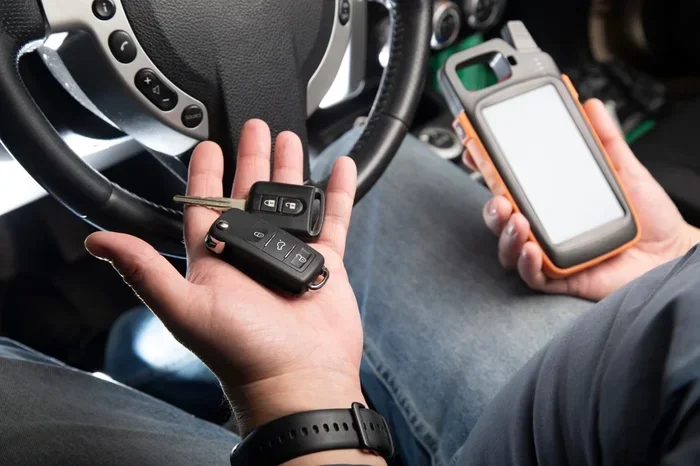
Dealerships and locksmiths often use scan tools because they connect directly to the car’s onboard diagnostic port. These tools can access the vehicle’s security module and write new key codes. However, scan tools are expensive. A decent one can cost anywhere from $200 to over $1,000. That is why many car owners look for ways to avoid this equipment entirely.
The good news is that automakers know not everyone wants to spend that kind of money. So they built programming modes into the vehicles themselves. These modes let you sync a new fob using nothing more than your key, the ignition, and a few minutes of your time.
Methods to Program a Key Fob Without a Scan Tool
Several proven methods exist for programming a key fob without any special equipment. The method that works best depends on your vehicle’s make, model, and year. Let us walk through each one.
Method 1: The Ignition Cycle Method
This is the most common DIY programming method. It works on many Ford, Chevrolet, Toyota, and Honda models. Here is how it works:
- Sit in the driver’s seat and close all doors.
- Insert the key into the ignition.
- Turn the key to the “On” position without starting the engine. Wait for the dashboard lights to come on.
- Turn the key back to the “Off” position within a specific time window, usually five seconds.
- Repeat this on-off cycle several times until you see the doors lock or the security light flash.
- Press the lock or unlock button on the new fob within the programming window.
The exact number of cycles and timing varies by vehicle. Always check your owner’s manual for the specific sequence. This method is one of the easiest ways to handle key fob programming at home.
Method 2: The Button Sequence Method
Some vehicles use a button sequence instead of the ignition cycle. This method often works on newer models with push-button start systems. You typically need to press a combination of buttons on the driver’s door panel or center console. For example, you might hold the unlock button while pressing the power lock button three times in quick succession.
If your car has a push button start system, the process can differ slightly. You may need to place the fob in a specific location, such as the center console or steering column, while pressing the start button. Are you supposed to hold the push start button? This is a common question among new car owners, and the answer depends on your vehicle’s programming mode.
Method 3: The Remote Lock-and-Unlock Sequence
This method works well for vehicles that use a simple remote sync process. You enter the vehicle, insert the key, and then use a specific sequence of lock and unlock commands on the door key or fob. The car’s system enters programming mode, and you then press buttons on the new remote to sync it.
This approach is popular among owners who want a quick solution without digging through complicated steps. It is especially useful for car key replacement situations where you already have a working fob and just need to add a new one.
Method 4: Using the Valet Button or Programming Port
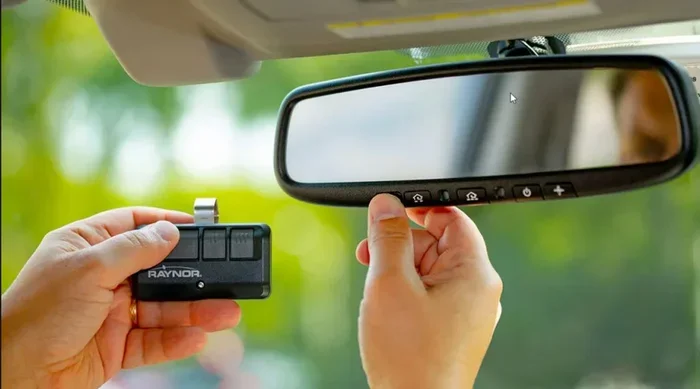
Some vehicles have a hidden valet button located under the dashboard, near the steering column, or inside the glove box. Pressing this button puts the car into programming mode. From there, you follow the button presses on the new fob to complete the sync.
Other vehicles feature a programming port under the dashboard, similar to the OBD-II port. You can connect a simple bypass module or follow the button sequence to program a new fob. This method is slightly more advanced but still does not require a full scan tool.
Which Vehicles Are Easiest to Program Without a Scan Tool?
Not all cars are created equal when it comes to DIY programming. Some manufacturers make the process straightforward, while others lock you out of self-programming entirely. Here is a quick look at popular brands.
| Brand | DIY Programming Supported? | Difficulty Level | Typical Method |
|---|---|---|---|
| Ford | Yes | Easy | Ignition cycle method |
| Chevrolet | Yes | Easy to Medium | Button sequence or ignition cycle |
| Toyota | Yes | Medium | Key cycle and button press |
| Honda | Yes | Medium | Ignition cycle method |
| BMW | Limited | Hard | Often requires dealer or scan tool |
| Mercedes-Benz | Limited | Hard | Usually needs professional equipment |
| Jeep | Yes | Easy | Ignition cycle or button sequence |
As you can see, American and Japanese brands tend to be more owner-friendly when it comes to programming. Luxury brands like BMW and Mercedes often require dealer-level tools. If you own a 000 lbs heavy for a car like a large SUV or truck, the programming process is usually similar to the base model of the same brand. Vehicle weight does not typically affect key fob programming.
What You Need Before You Start
Preparation makes all the difference when you are programming a key fob on your own. Here is a simple checklist of what you should have ready before you begin.
- A working key fob: In most cases, you need at least one functioning remote to program a new one. Some vehicles allow programming from scratch if all remotes are lost, but this is less common.
- The new replacement fob: Make sure it is compatible with your vehicle. Aftermarket fobs work for many models, but you need to match the frequency and chip type.
- A fresh battery: Install a new battery in the replacement fob before you start. A weak battery can cause programming to fail, even if the fob is brand new.
- Your vehicle owner’s manual: This is your best friend. It contains the exact programming steps for your specific model and year.
- A quiet, distraction-free environment: Programming windows are often short. You need to act quickly once the car enters programming mode.
Finding the Right Replacement Fob
Aftermarket key fobs are widely available online and at auto parts stores. They cost a fraction of what dealers charge. When shopping for a replacement, look for fobs that match your vehicle’s frequency (typically 315 MHz or 433 MHz in the United States). You can find this information in your owner’s manual or by checking the existing fob’s label.
Some aftermarket fobs come pre-programmed, while others require you to sync them to the vehicle. Always read the product description carefully before purchasing. If you are unsure, many online sellers offer customer support to help you find the right match.
Common Mistakes to Avoid When Programming a Key Fob
Even with the right method, mistakes can happen. Here are the most common errors people make when trying to program a key fob without a scan tool.
Skipping the Owner’s Manual
Every vehicle has its own quirks. The owner’s manual contains the exact steps, timing, and sequences for your specific model. Skipping this step is the number one reason DIY programming fails. Take ten minutes to read the relevant section before you start.
Using the Wrong Battery
Not all key fob batteries are the same. Using the wrong type or a low-quality battery can lead to programming failure. Stick with reputable brands like Duracell or Energizer, and make sure the battery matches the fob’s specifications.
Missing the Programming Window
Programming modes have a limited time window. If you take too long between steps, the car exits programming mode and you have to start over. Practice the steps a few times before you actually insert the new fob. This way, you move quickly and confidently when it counts.
Ignoring the Immobilizer System
Some vehicles have advanced immobilizer systems that go beyond simple remote programming. If your car has a chip in the key blade, you may need to program the chip separately. This is where some owners get stuck and assume they need a scan tool. In many cases, a simple reset or re-sync solves the problem.
Interestingly, some programming challenges are related to other vehicle systems. For instance, if you are also dealing with 20 percent window tint or other aftermarket modifications, these can sometimes interfere with the key fob signal. Always make sure your vehicle’s electronics are functioning normally before attempting programming.
When Should You Call a Professional?
DIY programming works for the majority of vehicles, but there are times when calling a professional is the smart move. Here are situations where you should consider getting expert help.
- Your vehicle requires a scan tool for programming: Some luxury and European brands lock out self-programming. If your owner’s manual says you need a dealer or scan tool, respect that.
- You have lost all key fobs: When no working fob exists, the programming process becomes much more complex. A locksmith or dealer may be necessary.
- Your car has a smart key or proximity system: These advanced systems often require specialized equipment to program new fobs.
- You are not comfortable working under the dashboard: Some programming methods require accessing hidden buttons or ports. If you are not confident, a professional can handle it safely.
A professional locksmith who specializes in key fob programming can often save you money compared to a dealership. Many locksmiths carry portable programming tools and can come to your location. This is a great middle ground between full DIY and expensive dealer visits.
It is also worth noting that vehicle mileage and condition can sometimes affect electronic systems. If your car has very high mileage, such as 000 miles a lot for a diesel engine, the electrical systems may be more sensitive. Always ensure your vehicle’s battery and electrical connections are in good shape before attempting any programming task.
Tips for Success with DIY Key Fob Programming
Follow these practical tips to increase your chances of a successful programming session on the first try.
- Read the entire process before you start. Knowing all the steps ahead of time prevents surprises and panic when the programming window is ticking.
- Work in a well-lit area. You need to see small buttons and labels under the dashboard clearly.
- Keep your phone nearby. If you get stuck, a quick search for your specific model and year can provide the exact sequence you need.
- Have a backup plan. If the first attempt fails, do not force anything. Walk away for a few minutes and try again with fresh batteries in both fobs.
- Test the new fob immediately. Once programming is complete, test all buttons from different distances before you walk away from the car.
- Program all fobs at once. If you are replacing multiple remotes, program them all in the same session. Some vehicles limit how many remotes you can add in one cycle.
Quick Tips Section
- Always use a new battery in the replacement fob before programming.
- Keep the existing fob nearby during the process, even if it is not working.
- Close all doors and windows to avoid interference during programming.
- Do not rush the steps. Move quickly but accurately. Panic leads to mistakes.
- Write down the steps as you read them in the manual. Having a checklist helps enormously.
Key Takeaways
- You can program a key fob without a scan tool: Most vehicles built in the last 15 years support DIY programming through ignition cycles, button sequences, or remote sync methods.
- The ignition cycle method is the most universal: It works across many brands and models with minimal tools required.
- Your owner’s manual is essential: It contains the exact steps, timing, and sequences specific to your vehicle.
- Aftermarket fobs save significant money: You do not need to buy an expensive factory remote from the dealer.
- Know your limits: Luxury brands and advanced smart key systems may still require professional help or a scan tool.
- Prepare properly before starting: Fresh batteries, a clean workspace, and a practiced sequence lead to the best results.
- Call a pro when needed: If all remotes are lost or the process feels too complex, a qualified locksmith is a worthwhile investment.
Conclusion
The ability to program a key fob without a scan tool is one of the most valuable skills a car owner can have. It saves money, saves time, and gives you independence from dealerships and locksmiths for simple programming tasks. Most vehicles today offer at least one DIY programming method that works with nothing more than a key, a new fob, and a few minutes of your time.
Start by checking your owner’s manual for the specific steps for your vehicle. Practice the sequence mentally before you begin. Use a fresh battery in the replacement fob. And move through the steps with confidence and patience. If the process does not work the first time, do not get discouraged. Try again with a clear head and a fresh battery.
Remember, not every vehicle is the same. Some cars make programming easy, while others require professional equipment. Know when to push forward with DIY and when to call in the experts. With the right approach, you can handle most key fob programming tasks yourself and keep your vehicle running smoothly without the extra expense.
Take what you have learned here, grab your new fob, and give it a try. You might be surprised at how simple it really is. And if you run into trouble, there are plenty of resources and professionals ready to help you along the way.
Frequently Asked Questions
Can I program a key fob without any special tools at all?
Yes, for most vehicles you can program a key fob without any special tools. You only need the existing working key, the new replacement fob, and a fresh battery. The process uses your car’s built-in programming mode accessed through the ignition or door buttons.
How long does it take to program a key fob without a scan tool?
Most DIY programming sessions take between 5 and 15 minutes. The exact time depends on your vehicle’s make and model, the programming method required, and how quickly you can complete each step. Practice the sequence beforehand to save time.
Will an aftermarket key fob work with my car?
In most cases, yes. Aftermarket key fobs are designed to be compatible with specific vehicle makes and models. Make sure you match the frequency (315 MHz or 433 MHz) and the chip type to your vehicle. Many aftermarket fobs come with detailed compatibility guides.
What should I do if the programming fails?
If programming fails, start by checking the battery in the new fob. Then double-check that you followed the exact sequence and timing from your owner’s manual. Wait a few minutes and try again. If it still fails, your vehicle may require a scan tool or professional assistance.
Can I program a key fob if I have lost all my keys?
This depends on your vehicle. Some cars allow programming from scratch when all keys are lost, while others require at least one working key or a scan tool. Check your owner’s manual or consult a locksmith for guidance specific to your model.
Is it cheaper to program a key fob myself or at a dealership?
Programming a key fob yourself is significantly cheaper. Dealerships often charge between $50 and $300 for programming services, while aftermarket fobs cost $15 to $50. With a little patience and the right instructions, DIY programming can save you a substantial amount of money.