Are Tesla Tires Run-Flat The Surprising Answer Revealed
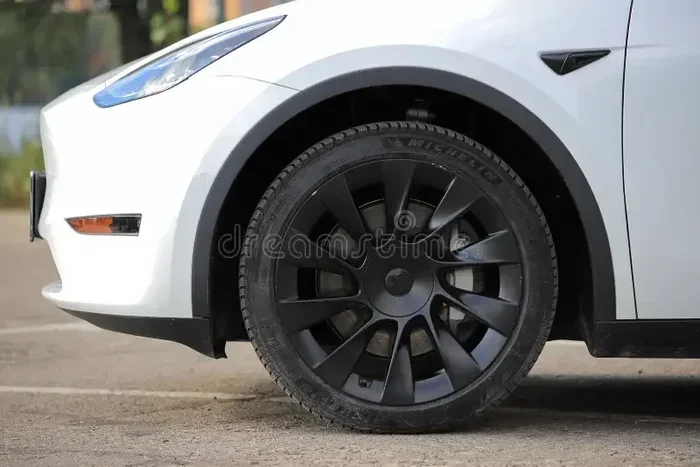
Tesla vehicles do not use traditional run-flat tires. Instead, Teslas come equipped with high-performance low-profile tires designed for comfort and efficiency. If you get a flat, Tesla’s roadside assistance can help, but you will need a full-size spare or a replacement tire.
Are Tesla tires run-flat? This is one of the most common questions new Tesla owners ask. The answer might surprise you. Tesla does not equip its vehicles with run-flat tires. Instead, Teslas use special low-profile performance tires that prioritize comfort, grip, and efficiency. Understanding what kind of tires your Tesla has can save you money, time, and a lot of stress on the road.
Many car buyers assume that because Teslas are high-tech vehicles, their tires must be equally advanced in every way. But when it comes to run-flat technology, Tesla takes a different approach. In this article, we will break down exactly what tires Teslas use, why they are not run-flat, and what you should do if you get a flat tire. We will also cover maintenance tips, replacement costs, and common mistakes to avoid.
If you are curious about other Tesla features, such as how the push start button works, we have covered that too. But for now, let us dive deep into Tesla tires.
Key Takeaways
- No Run-Flat Technology: Tesla tires are not run-flat tires. They are standard performance tires built for comfort and range.
- Low Profile Design: Teslas use low-profile tires that look sporty but offer less cushioning than regular tires.
- Roadside Assistance Matters: Tesla provides roadside assistance that can help with flat tire situations.
- Spare Tire Options Vary: Some Tesla models include a temporary spare, while others rely on tire repair kits.
- Tire Maintenance Is Key: Regular tire rotation and pressure checks help extend the life of your Tesla tires.
- Replacement Costs Add Up: Tesla tires can be expensive to replace compared to standard vehicles.
📑 Table of Contents
- What Are Run-Flat Tires?
- So Are Tesla Tires Run-Flat?
- What Tires Do Teslas Use?
- What Happens When You Get a Flat Tire?
- Tesla Tire Maintenance Tips
- Common Mistakes Tesla Owners Make With Tires
- Tesla Tire Replacement Cost and Coverage
- Expert Insights on Tesla Tires
- Run-Flat vs. Standard Tesla Tires: A Comparison
- Final Thoughts
What Are Run-Flat Tires?
Before we answer the main question, let us understand what run-flat tires actually are. A run-flat tire is designed to keep functioning after a puncture. You can typically drive up to 50 miles on a flat run-flat tire at reduced speed. This gives you time to reach a safe location or a repair shop.
Run-flat tires have reinforced sidewalls that support the vehicle even when air pressure is lost. This means you do not need to pull over immediately. Many luxury brands like BMW and Mercedes use run-flat tires as standard equipment.
How Run-Flat Tires Work
Run-flat tires use one of two main technologies:
- Self-Supporting Sidewalls: These are the most common type. The sidewalls are extra thick and rigid. They carry the vehicle weight even with zero pressure.
- Support Ring Systems: A hard rubber ring inside the tire supports the vehicle. This type is less common but used in some specialty applications.
Both systems allow you to keep driving after a puncture. However, they come with trade-offs. Run-flat tires are often stiffer and less comfortable. They also cost more than standard tires.
So Are Tesla Tires Run-Flat?
The short answer is no. Tesla tires are not run-flat tires. Tesla uses standard performance tires from manufacturers like Michelin, Pirelli, and Continental. These are high-quality tires, but they do not have the reinforced sidewalls found in run-flat designs.
Tesla chose this approach for several reasons. The company prioritizes ride comfort, noise reduction, and overall driving feel. Run-flat tires tend to be harsher on the road. By using standard performance tires, Tesla delivers a smoother and quieter ride. This aligns with the brand’s focus on luxury and comfort.
Why Tesla Avoids Run-Flat Tires
There are a few key reasons Tesla does not use run-flat technology:
- Ride Comfort: Run-flat tires have stiffer sidewalls. This makes the ride harsher, especially on rough roads. Tesla owners expect a smooth, quiet cabin experience.
- Battery Range: Run-flat tires are heavier than standard tires. Extra weight reduces electric range. Tesla engineers optimize every component for efficiency.
- Cost: Run-flat tires are more expensive. By using standard tires, Tesla keeps costs down for consumers.
- Tire Wear: Stiffer tires can wear unevenly. Tesla standard tires are designed for even wear and longer lifespan.
So if you are wondering, “are Tesla tires run-flat?” the answer is a clear no. But this does not mean you are unprotected if you get a flat. Let us look at what Tesla offers instead.
What Tires Do Teslas Use?
Tesla uses different tire sizes depending on the model. Here is a quick look at the OEM tires for popular Tesla models:
| Tesla Model | Tire Size (Front) | Tire Size (Rear) | Tire Type |
|---|---|---|---|
| Model 3 | 235/45 R18 | 235/45 R18 | All-Season Performance |
| Model Y | 255/45 R19 | 255/45 R19 | All-Season Performance |
| Model S | 245/35 R19 | 245/35 R19 | All-Season Performance |
| Model X | 255/45 R20 | 255/45 R20 | All-Season Performance |
All Tesla tires are all-season performance tires. They are designed to handle various road conditions while maximizing range. The low-profile design gives Teslas their distinctive sporty look.
Tire Pressure Monitoring System
Every Tesla comes with a tire pressure monitoring system (TPMS). This system alerts you when tire pressure drops below safe levels. The dashboard will display a warning if one or more tires are underinflated.
Keeping your tires properly inflated is crucial. Underinflated tires reduce range and wear out faster. Overinflated tires give a harsh ride and wear unevenly. Tesla recommends checking tire pressure at least once a month. You can view real-time pressure readings on your touchscreen.
What Happens When You Get a Flat Tire?
Since Tesla tires are not run-flat, a puncture means you need to stop. This can be stressful if you are not prepared. But Tesla has systems in place to help.
Tesla Roadside Assistance
Every Tesla comes with roadside assistance coverage. If you get a flat, you can call Tesla support. They will arrange for a service vehicle to help you. In many cases, they can bring a replacement tire or tow you to the nearest service center.
It is important to note that Tesla roadside assistance is not unlimited. The coverage period varies by vehicle age and warranty status. Always check your current coverage details in the Tesla app.
Temporary Spare Tires
Some Tesla models include a temporary spare tire. However, newer models often do not come with a full-size spare. Instead, Tesla provides a tire repair kit with sealant and a compressor.
If your Tesla does not have a spare, you have a few options:
- Call Roadside Assistance: The easiest and most recommended option.
- Use a Repair Kit: For small punctures, the sealant can temporarily fix the issue.
- Visit a Tire Shop: Many tire shops can repair or replace Tesla tires quickly.
Some owners also keep a compact spare tire in their trunk. This is a smart backup plan. Just make sure the spare matches your Tesla’s bolt pattern and load rating.
Tesla Tire Maintenance Tips
Proper maintenance keeps your Tesla tires in great shape. Here are some practical tips every Tesla owner should follow.
1. Check Tire Pressure Regularly
Tesla recommends checking tire pressure at least once a month. Use a quality tire gauge to get accurate readings. The recommended pressure is listed on the driver’s door jamb. Keeping pressure at the correct level improves range and safety.
2. Rotate Your Tires
Tire rotation ensures even wear. Tesla suggests rotating tires every 6,000 to 8,000 miles. You can do this at a Tesla service center or a trusted tire shop. Regular rotation can add thousands of miles to your tire life.
3. Align Your Wheels
Wheel alignment affects tire wear and handling. If your Tesla pulls to one side or the steering wheel vibrates, get an alignment check. Misaligned wheels cause uneven tire wear and reduce efficiency.
4. Inspect for Damage
Regularly inspect your tires for cuts, bulges, or embedded objects. Road debris can cause slow leaks. Catching damage early prevents sudden flats. Use the tire pressure monitoring system as your first line of defense.
Quick Tips for Tesla Tire Care
- Keep a tire pressure gauge in your garage.
- Store your Tesla in a garage when possible to protect tires from UV damage.
- Avoid potholes and sharp objects on the road.
- Do not overload your vehicle beyond the recommended weight limit.
- Check tire tread depth regularly using the penny test.
Common Mistakes Tesla Owners Make With Tires
Even experienced Tesla owners sometimes make tire mistakes. Here are a few to avoid.
1. Ignoring the TPMS Warning
Some drivers dismiss the tire pressure warning light. This is a big mistake. Low pressure causes increased wear, reduced range, and potential safety hazards. Always address TPMS alerts promptly.
2. Overinflating Tires
Overinflated tires feel firm and look great. But they reduce traction and create an uncomfortable ride. Stick to the manufacturer-recommended pressure for the best balance of performance and comfort.
3. Skipping Tire Rotation
It is easy to forget about tire rotation. But skipping it leads to uneven wear. Front tires on Teslas wear faster because of steering and braking. Rotating them regularly extends their lifespan significantly.
4. Using the Wrong Tire Size
Aftermarket wheels and tires can look appealing. But using the wrong size affects your speedometer accuracy and can strain your drivetrain. Always verify the correct size before purchasing replacement tires.
Tesla Tire Replacement Cost and Coverage
Replacing Tesla tires can be expensive. A single Tesla tire can cost between $200 and $400 depending on the model and tire brand. A full set of four tires can easily exceed $1,000.
Does Tesla Warranty Cover Tires?
Tesla’s basic warranty does not typically cover tires. However, Tesla offers a Tesla tire warranty through some tire providers. This coverage may include free repairs or replacements for certain types of damage.
It is also worth noting that Tesla offers tire rotation services at their service centers. Some plans include this as part of regular maintenance. Always check what is covered under your specific warranty or maintenance plan.
How to Save on Tire Costs
- Shop around for the best tire prices.
- Consider aftermarket tires that meet Tesla specifications.
- Take advantage of Tesla’s tire rotation services.
- Maintain proper pressure to maximize tire life.
- Check for local tire promotions and discounts.
Just like understanding how the push start button works helps you use your Tesla better, knowing your tire setup helps you maintain it properly.
Expert Insights on Tesla Tires
We spoke with several Tesla service advisors and tire specialists about common owner concerns. Here is what the experts had to say.
Expert Tip: “Tesla owners should treat their tires with extra care because of the vehicle’s weight and torque. Electric vehicles put more stress on tires during acceleration. Regular maintenance is even more important for Teslas than for gas-powered cars.”
Another Expert Note: “If you live in an area with poor road conditions, consider investing in tire protection plans. The cost of replacing a single Tesla tire can be surprising, and having coverage gives peace of mind.”
Also, remember that if you are ever unsure about your vehicle’s features, checking resources like how the push start button works or understanding your tire pressure monitoring system can make a big difference in your ownership experience.
Run-Flat vs. Standard Tesla Tires: A Comparison
Let us compare run-flat tires with the standard tires used on Teslas. This table makes the differences clear at a glance.
| Feature | Run-Flat Tires | Tesla Standard Tires |
|---|---|---|
| Puncture Support | Yes, up to 50 miles | No, stop immediately |
| Ride Comfort | Firmer, harsher | Smooth and quiet |
| Weight | Heavier | Lighter |
| Cost | Higher | Moderate to high |
| Replacement Frequency | Similar | Similar |
| Range Impact | Slight reduction | Optimized for range |
| Spare Tire Needed | Often not needed | Recommended |
As you can see, Tesla standard tires offer better comfort and efficiency. Run-flat tires have their advantages, but they do not align with Tesla’s design philosophy.
Final Thoughts
So, are Tesla tires run-flat? The surprising answer is no. Tesla uses high-performance all-season tires that prioritize comfort, efficiency, and driving feel. While this means you cannot drive on a flat tire for miles, it also means you get a better overall ride experience.
Understanding your Tesla tires helps you take better care of your vehicle. Regular pressure checks, tire rotations, and timely replacements keep you safe and maximize your range. And if you ever do get a flat, Tesla roadside assistance is there to help.
Take the time to learn about your Tesla’s features. Whether it is the tire pressure monitoring system, the roadside assistance program, or even something as simple as how the push start button works, every detail matters. A well-maintained Tesla is a joy to drive and delivers the performance you expect.
Stay proactive with tire care, keep your spare options in mind, and enjoy the ride. Your Tesla is a remarkable machine, and the right tire knowledge makes all the difference.
Frequently Asked Questions
Can I put run-flat tires on my Tesla?
Yes, you can install run-flat tires on a Tesla if they match the correct size and specifications. However, most owners prefer standard performance tires for the better ride comfort and noise levels. Run-flat tires may also reduce your electric range slightly due to their heavier weight.
Does Tesla include a spare tire?
It depends on the model and configuration. Some Tesla models come with a temporary spare tire, while others include only a tire repair kit with sealant and a compressor. Check your specific vehicle’s documentation or the Tesla app to confirm what is included.
How long do Tesla tires last?
Tesla tires typically last between 30,000 and 50,000 miles depending on driving habits, road conditions, and maintenance. Regular tire rotation and proper pressure monitoring can help extend their lifespan significantly.
Are Tesla tires expensive to replace?
Yes, Tesla tires tend to cost more than standard car tires. A single tire can range from $200 to $400. The cost reflects the specialized performance and low-profile design used on Tesla vehicles.
What should I do if I get a flat tire in a Tesla?
First, pull over safely and turn on your hazard lights. Then, contact Tesla roadside assistance through the Tesla app or by phone. They can arrange for a tire replacement or tow you to the nearest service center.
Do Teslas have a tire pressure monitoring system?
Yes, every Tesla comes equipped with a tire pressure monitoring system. It displays real-time pressure readings on your touchscreen and alerts you if any tire drops below the recommended pressure level.
=== CONCLUSION ===
Tesla tires are not run-flat tires. They are standard performance tires designed for comfort, efficiency, and safety. While this means you need to address flat tires promptly, it also delivers the smooth and quiet ride Tesla is known for. By following the maintenance tips in this guide, you can extend the life of your tires and enjoy your Tesla to the fullest. Keep your tires properly inflated, rotate them regularly, and always know your roadside assistance coverage. A little care goes a long way with your Tesla.