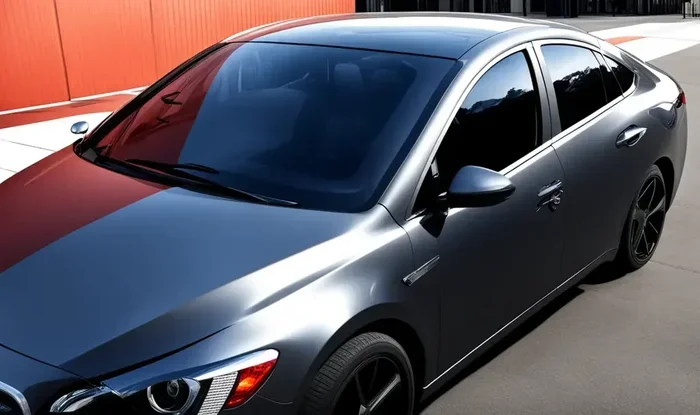
Hybrid Auto Tint: What It Is and How It Works
Hybrid auto tint combines metalized and ceramic layers to deliver superior heat rejection, UV protection, and clarity without signal interference. It works by using a multi-layer film that reflects solar energy while allowing natural light in. This guide covers how it works, its benefits, and how to pick the right shade for your vehicle.
Have you ever sat in a parked car on a hot summer day and felt like the steering wheel was going to burn your hands? Or maybe you have noticed how the sun fades your dashboard and seats over time. These are everyday problems that hybrid auto tint solves in a big way.
Window tinting has come a long way over the years. From basic dyed films to advanced ceramic layers, the technology keeps getting better. Hybrid auto tint sits right at the sweet spot between performance and affordability. It gives you the best of both worlds without breaking the bank.
In this article, we will break down exactly what hybrid auto tint is, how it works, and why so many car owners are making the switch. You will also learn how it compares to other tint types and how to pick the right one for your ride. By the end, you will have everything you need to make a smart decision for your vehicle.
Key Takeaways
- Hybrid tint layers: It blends metalized and ceramic particles for top-tier performance.
- Heat rejection: Hybrid auto tint can block up to 50-70% of solar heat.
- UV protection: It blocks up to 99% of harmful UV rays that cause skin damage and interior fading.
- No signal interference: Unlike metalized tints, hybrid films work with GPS, Bluetooth, and cell signals.
- Clarity and glare reduction: You get excellent optical clarity and reduced eye strain while driving.
- Durability: Hybrid tints resist fading, bubbling, and peeling better than dyed films.
- Legal compliance: Always check local tint laws before choosing a shade level.
📑 Table of Contents
What Is Hybrid Auto Tint?
Hybrid auto tint is a type of window film that uses two or more layers of different materials. These layers work together to block heat, block UV rays, and reduce glare. The film typically combines a metalized layer with a ceramic layer. Each layer brings something special to the table.
The metalized layer reflects solar energy away from your car. The ceramic layer adds clarity and blocks infrared heat without adding metallic interference. Together, they create a film that performs better than most single-layer tints on the market today.
How Is Hybrid Tint Different from Other Films?
Standard dyed tints use color to absorb heat. They fade over time and do not block heat very well. Metalized tints use tiny metal particles to reflect heat. But they can interfere with your phone and GPS signals. Ceramic tints work great but tend to cost more.
Hybrid auto tint takes the strengths of both metalized and ceramic technologies. It avoids most of their weaknesses too. You get better heat rejection than dyed tint, fewer signal issues than metalized tint, and a lower price tag than pure ceramic tint. That is a win-win for most car owners.
How Hybrid Auto Tint Works
Understanding how hybrid auto tint works is simpler than you might think. The film is made of multiple thin layers stacked on top of each other. Each layer has a specific job. Let us break it down layer by layer.
The Metalized Layer
The outer layer of hybrid tint contains tiny metal particles. These particles are so small you cannot see them with the naked eye. They work by reflecting solar infrared radiation away from your car’s interior. Think of it like a mirror for heat. The sun hits the window, and the metalized layer bounces the heat back outside.
This reflection process is key to why hybrid tint performs so well at heat rejection. It does not just absorb heat like dyed films do. It actually pushes the heat away before it enters your car.
The Ceramic Layer
Beneath the metalized layer sits the ceramic layer. This layer is non-conductive, which means it does not carry electrical signals. That is why hybrid tint does not mess with your cell phone, GPS, radio, or Bluetooth connectivity. The ceramic particles also absorb ultraviolet radiation and block it from entering your car.
UV rays can cause skin damage and fade your car’s interior. The ceramic layer blocks up to 99% of UV rays. This keeps you safer and helps your dashboard, seats, and trim look newer for longer.
The Adhesive and Scratch-Resistant Layers
On the inside, there is an adhesive layer that bonds the film to your window glass. There is also a scratch-resistant coating on the outer surface. These layers ensure the tint lasts for years without peeling, bubbling, or scratching easily.
Visible Light Transmission Explained
Every tint has a visible light transmission rating, or VLT for short. VLT measures how much light the film lets through. A lower VLT means a darker tint. A higher VLT means more light comes in.
Hybrid auto tint comes in many VLT options. You can choose a lighter shade for a subtle look or a darker shade for more privacy. The VLT you pick depends on your local laws and personal preference. Most states allow front side windows to have a VLT of 70% or higher.
Benefits of Hybrid Auto Tint
So why should you consider hybrid auto tint for your car? There are plenty of reasons. Let us go through the biggest benefits.
Superior Heat Rejection
The number one reason people tint their windows is to reduce heat. Hybrid tint blocks a large portion of solar energy from entering your car. On a hot day, this can make the inside of your car feel 10 to 15 degrees cooler. That means less time blasting the AC and more comfort the moment you sit down.
Excellent UV Protection
UV rays are harmful to your skin. They also damage your car’s interior over time. Dashboards crack, seats fade, and steering wheels wear out faster when exposed to direct sunlight. Hybrid auto tint blocks up to 99% of UV rays. This protects both you and your car’s interior from long-term damage.
Reduced Glare
Driving with too much glare can be dangerous. Sun glare and headlights from other cars can blind you temporarily. Hybrid tint reduces glare significantly, making your driving experience safer and more comfortable, especially during sunrise and sunset.
Privacy and Security
Tinted windows make it harder for people outside to see into your car. This adds a layer of privacy and can also deter thieves. Your belongings stay out of sight, which reduces the temptation for break-ins.
No Signal Interference
Unlike metalized tints, hybrid auto tint does not block your electronic signals. You can use your phone, GPS, toll pass, and keyless entry without any issues. This is one of the biggest advantages of hybrid technology over older metalized films.
Enhanced Appearance
Hybrid tint gives your car a sleek, polished look. It has a natural finish that does not look overly dark or shiny. Many car owners choose hybrid tint because it enhances the vehicle’s appearance without looking cheap or overdone.
Hybrid Auto Tint vs. Other Tint Types
Not all window tints are created equal. Here is how hybrid auto tint stacks up against the most popular alternatives.
| Feature | Hybrid Tint | Dyed Tint | Metalized Tint | Ceramic Tint |
|---|---|---|---|---|
| Heat Rejection | Excellent | Poor | Good | Excellent |
| UV Protection | 99% | Moderate | Good | 99% |
| Signal Interference | None | None | Yes | None |
| Clarity | High | Low | Moderate | Very High |
| Durability | High | Low | Moderate | Very High |
| Price Range | Mid-Range | Low | Mid-Range | High |
| Fade Resistance | High | Low | Moderate | Very High |
As you can see, hybrid auto tint offers a great balance of performance and cost. It may not be the absolute cheapest option, but it delivers far better results than dyed tint. And it costs significantly less than full ceramic tint while offering nearly the same level of protection.
How to Choose the Right Hybrid Auto Tint
Choosing the right tint for your car can feel overwhelming with so many options available. Here are some key factors to consider.
Check Your Local Tint Laws
Every state and even some cities have their own tint laws. These laws specify how dark your tint can be and which windows you can tint. For example, in many states, the front windshield can only have a tint strip at the top, and the front side windows must allow at least 70% light in.
Before you buy anything, look up your local window tint regulations. Getting caught with illegal tint can result in fines and even requiring you to remove the tint entirely.
Decide on Your Shade Level
Think about what you want from your tint. Do you want maximum heat rejection? Go for a lower VLT. Do you want a subtle look? Choose a higher VLT. Most hybrid tints come in VLT ranges from 15% to 70%.
A popular choice for many car owners is a 35% VLT for the side and rear windows. It offers a nice balance of style, comfort, and legal compliance.
Consider Your Climate
If you live in a hot, sunny climate, you want maximum heat rejection and UV protection. If you live in a cooler climate, you might prioritize glare reduction and clarity. Your climate should influence the tint shade and type you choose.
Set a Budget
Hybrid tint costs more than dyed tint but less than premium ceramic tint. On average, you can expect to pay between $100 and $400 for a full car installation, depending on your vehicle size and the quality of the film. Always ask for a detailed quote before committing.
Choose a Reputable Installer
The quality of installation matters just as much as the quality of the film. A poor installation can lead to bubbles, peeling, and uneven tinting. Look for installers with good reviews, proper certifications, and warranty offerings. A professional auto tinting service will ensure your film lasts for years.
Installation Tips for Hybrid Auto Tint
While professional installation is always recommended, knowing what to expect helps you make the right choice. Here are some tips.
What to Expect During Installation
The installer will first clean your windows thoroughly. Then they will cut the film to match each window’s shape. They will apply the film using a special solution that allows positioning. Finally, they will squeegee out any bubbles and excess liquid.
The process usually takes about two to three hours for a full car. You should wait at least 24 to 48 hours before rolling down your windows or cleaning the tinted surfaces.
How to Care for Your Tint
Proper care extends the life of your hybrid auto tint significantly. Here are a few quick tips:
- Wait at least 48 hours before rolling down your windows.
- Use a soft cloth and non-ammonia cleaner to clean your windows.
- Avoid using abrasive sponges or rough towels on the tinted surface.
- Inspect the edges of the tint once a year for any peeling.
- Keep your car parked in the shade when possible to reduce film stress.
Common Mistakes to Avoid
One of the biggest mistakes is choosing the cheapest tint available. Low-quality films fade quickly, bubble, and peel. Another mistake is ignoring local tint laws. Always verify the legal VLT limits before you commit. Finally, do not skip the professional installation step. DIY kits might save money upfront, but they often lead to unsatisfactory results.
Another common error is not considering the infrared rejection rating. Not all tints block infrared heat equally. Ask your installer about the IR rejection rate. A good hybrid tint will block at least 50% of infrared radiation, keeping your car noticeably cooler.
Is Hybrid Auto Tint Worth It?
The short answer is yes. Hybrid auto tint delivers excellent performance at a reasonable price. It protects your skin, preserves your car’s interior, reduces glare, and keeps your car cooler in the summer. It also does not interfere with your electronic devices, which is a huge plus in today’s connected world.
If you have been on the fence about tinting your car, hybrid tint is one of the best options you can choose. It offers a perfect balance of quality, durability, and value. Whether you drive a sedan, SUV, or truck, hybrid auto tint works for almost any vehicle.
The investment pays for itself quickly through reduced AC usage and protection against interior fading. Over time, you will notice the difference in comfort every time you get behind the wheel. So if you are ready to upgrade your driving experience, hybrid auto tint is definitely worth considering.
Frequently Asked Questions
How long does hybrid auto tint last?
Most high-quality hybrid tints last between 5 and 10 years with proper care. The ceramic and metalized layers are designed to resist fading, bubbling, and peeling. Keeping your windows clean with non-ammonia products helps extend the lifespan significantly.
Does hybrid tint block UV rays completely?
Most hybrid auto tint films block up to 99% of UV rays. This level of protection is excellent and helps prevent skin damage and interior fading. No tint blocks 100% of UV radiation, but 99% is the industry standard for quality films.
Can I tint my front windshield with hybrid tint?
In most states, the front windshield can only have a tinted strip at the top, usually no wider than 6 inches. Full windshield tinting is illegal in many areas. Always check your local window tint laws before applying any film to your windshield.
Will hybrid tint affect my phone signal?
No. One of the biggest advantages of hybrid auto tint is that it does not interfere with cell phone, GPS, Bluetooth, or radio signals. The ceramic layer is non-conductive, which prevents signal disruption that is common with metalized tints.
How much does hybrid auto tint cost?
The cost varies depending on your vehicle size and the quality of the film. On average, a full car installation ranges from $100 to $400. Premium hybrid films with higher heat rejection and UV protection may cost a bit more but offer better long-term value.
How soon can I roll down my windows after tinting?
You should wait at least 48 hours before rolling down your windows. The adhesive needs time to cure fully. Rolling windows down too early can cause the film to shift, bubble, or peel at the edges. Patience during this curing period ensures a smooth, long-lasting finish.
=== CONCLUSION ===
Hybrid auto tint is one of the best upgrades you can make for your car. It combines the strengths of metalized and ceramic technologies to deliver excellent heat rejection, UV protection, glare reduction, and privacy. Unlike cheaper dyed tints, it does not fade or bubble easily. Unlike full ceramic tints, it does not break the bank.
The way it works is straightforward yet effective. Multiple layers of specialized materials reflect and absorb solar energy while letting natural light in. The result is a cooler, safer, and more comfortable driving experience every single day.
Whether you live in a hot climate or just want to protect your car’s interior, hybrid auto tint is a smart choice. Take the time to research your options, check your local laws, and choose a reputable installer. Your car and your comfort will thank you for it.