How Far Can a Car Go on Empty and What Happens Next
Most cars can travel between 30 and 50 miles after the fuel light comes on, but the exact distance depends on your vehicle model, driving habits, and road conditions. Running on empty can damage your fuel pump, leave you stranded, and even void your warranty. In this guide, we break down everything you need to know about how far a car can go on empty and what happens next.
We have all been there. You are driving down the road, minding your own business, when suddenly the fuel light flickers on. Your heart drops a little. You glance at the fuel gauge and see the needle hovering near empty. The question hits you immediately. How far can a car go on empty? And what happens if you push it too far?
This is a situation almost every driver has faced at least once. Maybe you are running late for work. Maybe you are on a long road trip and the nearest gas station feels miles away. Whatever the reason, understanding your fuel tank capacity and distance remaining can save you a lot of stress. It can also save you from costly car repairs.
In this article, we will dive deep into everything related to driving on low fuel. We will cover how far different cars can go when the tank is nearly empty. We will explain what happens mechanically when you run out of gas. And we will share practical tips to keep you safe and avoid car breakdown situations. Whether you drive a compact sedan or a full-size SUV, this guide has something useful for you.
Key Takeaways
- Average Range on Empty: Most vehicles can go 30 to 50 miles after the fuel light turns on, but this varies widely by car model and fuel tank size.
- Damage Risk Is Real: Driving on empty can cause serious damage to your fuel pump, fuel filter, and engine components.
- Driving Conditions Matter: Highway driving gives you more distance on empty than city driving due to steady speeds and better fuel efficiency.
- Know Your Car: Checking your owner’s manual and using the miles-to-empty feature helps you plan better and avoid surprises.
- Prevention Is Simple: Refueling when your tank hits a quarter full is the best habit to prevent running out of gas.
- What Happens Next: If you do run out of fuel, your car will stall, and you may need roadside assistance or a fuel delivery service.
📑 Table of Contents
- How Far Can a Car Go on Empty?
- What Happens When You Run Out of Gas?
- How to Check Your Car’s Distance on Empty
- Tips to Avoid Running Out of Gas
- Common Mistakes Drivers Make With Low Fuel
- What to Do If You Run Out of Gas
- Does Driving on Empty Void Your Warranty?
- How Fuel Efficiency Changes on Low Fuel
- The Psychology of the Fuel Gauge
- Conclusion
How Far Can a Car Go on Empty?
The short answer is it depends. There is no single number that applies to every vehicle. However, most cars can travel somewhere between 30 and 50 miles after the low fuel warning light comes on. Some vehicles push beyond that. Others give you very little warning.
The distance you can cover on empty depends on several factors. Let us break them down so you understand what really matters.
Fuel Tank Size
Your fuel capacity plays a huge role. A car with a 15-gallon tank will have more reserve fuel than one with a 10-gallon tank. Even when the fuel gauge shows empty, most tanks still hold about 2 to 3 gallons of residual fuel. This leftover fuel is what keeps your engine running after the light comes on.
Fuel Efficiency
Your car’s fuel efficiency determines how far that residual fuel can take you. A hybrid vehicle or a small economy car might squeeze out 40 or more miles per gallon. A large truck or sports car might only get 15 to 20 miles per gallon. The difference is massive. A car that gets 30 mpg on empty can travel much farther than one that gets 15 mpg.
Driving Style and Conditions
How you drive also matters a lot. Highway driving at steady speeds uses less fuel than stop-and-go city driving. If you are on an open highway when the light comes on, you will likely get more distance than if you are stuck in urban traffic. Aggressive acceleration and hard braking burn through fuel faster, even when the tank is nearly empty.
Vehicle Type and Model
Different car brands and models have different reserve fuel systems. Some manufacturers program the fuel light to come on when there is still a comfortable amount of fuel left. Others wait until the tank is almost completely drained. Here is a quick look at how some popular vehicles compare.
| Vehicle | Fuel Tank Size | Avg. MPG | Est. Distance on Empty |
|---|---|---|---|
| Toyota Camry | 15.8 gallons | 32 mpg | 40-55 miles |
| Honda Civic | 12.4 gallons | 35 mpg | 35-50 miles |
| Ford F-150 | 26 gallons | 20 mpg | 45-65 miles |
| Chevrolet Silverado | 24 gallons | 18 mpg | 40-55 miles |
| Honda Accord | 17.1 gallons | 30 mpg | 40-55 miles |
| Hyundai Elantra | 13.2 gallons | 33 mpg | 35-50 miles |
These numbers are estimates. Your actual miles to empty may vary based on driving conditions, terrain, and vehicle maintenance. Always use these figures as a rough guide, not an exact science.
What Happens When You Run Out of Gas?
Running out of fuel is more than just an inconvenience. It can cause real damage to your vehicle. Many drivers do not realize that running out of gas can lead to expensive repairs. Let us look at what happens step by step.
The Engine Stalls
When your car runs out of fuel, the engine will stall. This happens because the engine needs a continuous supply of gasoline or diesel to keep running. Without fuel, the combustion process stops, and your car shuts down. You will lose power steering and power brakes, which makes controlling the vehicle suddenly much harder.
Fuel Pump Damage
This is the biggest risk. Your fuel pump relies on fuel to stay cool. When the tank is full, the pump sits submerged in fuel, which keeps it at a safe temperature. When the tank runs dry, the pump starts sucking in air. This causes the pump to overheat. Over time, repeated episodes of driving on empty can burn out the fuel pump prematurely. Replacing a fuel pump is expensive. It can cost anywhere from $400 to $800 or more, depending on your vehicle.
Contaminants Enter the Fuel System
At the bottom of your fuel tank, there is sediment and debris that settles over time. When you drive on empty, the fuel filter and fuel lines can pull in these contaminants. This can clog your fuel system and reduce engine performance. In severe cases, it can cause your engine to misfire or fail to start.
Roadside Safety Risks
Beyond mechanical damage, running out of gas creates safety risks. Your car might stall in the middle of a busy highway. You could be stranded in an isolated area, especially at night. This is why many drivers carry a roadside assistance membership or keep a phone charger handy for emergencies.
Expert Insight
Most mechanics agree that driving on empty should be avoided whenever possible. The fuel pump is one of the most expensive components to replace. Treating your fuel gauge as a warning system rather than a suggestion can save you hundreds of dollars in repairs over the life of your vehicle.
How to Check Your Car’s Distance on Empty
Modern vehicles make it easier than ever to know how far you can go on low fuel. Most cars built after 2010 come equipped with a trip computer that displays estimated distance remaining. Here is how you can use this feature and other tools to stay informed.
Using the Trip Computer
Look for a button on your steering wheel or dashboard that cycles through the trip display. You should see a screen that shows your average fuel economy and an estimate of how many miles you have left. This feature uses your recent fuel consumption data to calculate the remaining range. It is not always perfectly accurate, but it gives you a good ballpark.
Checking the Owner’s Manual
Your car manual is one of the best resources for understanding your specific vehicle. It will tell you the exact fuel tank size, reserve fuel capacity, and recommended refueling practices. If you have lost your manual, you can usually find a digital version on the manufacturer’s website.
Using Smartphone Apps
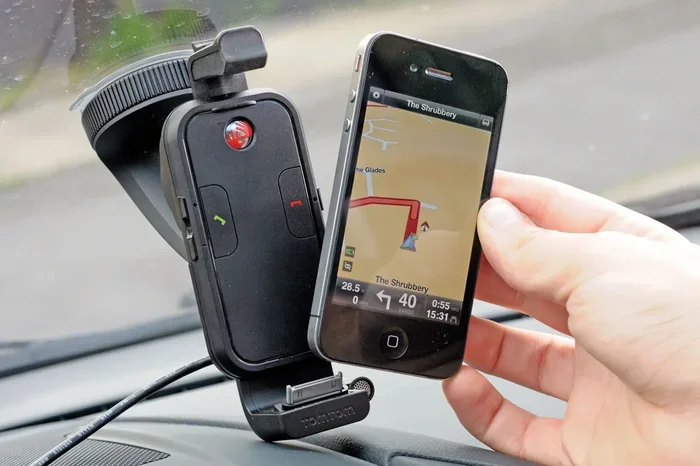
Several apps can help you track your fuel levels and estimate range. Apps like Fuelly, GasBuddy, and even Google Maps can show you the location of nearby gas stations and help you plan your route. These tools are especially useful during road trips or when you are in an unfamiliar area.
Tips to Avoid Running Out of Gas
Prevention is always better than cure. Here are some simple habits that can help you avoid the stress and danger of running on empty.
Refuel at a Quarter Tank
A good rule of thumb is to refuel when your tank reaches one-quarter full. This gives you a comfortable buffer and protects your fuel pump from overheating. It also means you never have to worry about finding a gas station in a hurry.
Plan Your Route
Before long trips, map out gas station locations along your route. If you are driving through rural areas or remote regions, this becomes even more important. Fuel stations can be few and far between in some areas, and getting stranded is not worth the risk.
Monitor Your Fuel Gauge Regularly
Make it a habit to glance at your fuel gauge every time you start the car. Do not wait for the warning light. By paying attention early, you give yourself plenty of time to find a gas station.
Keep an Emergency Kit in Your Car
If you do find yourself low on fuel with no station in sight, having an emergency kit can make a big difference. Include a phone charger, a flashlight, water, and a blanket. These items can keep you safe while you wait for help.
Common Mistakes Drivers Make With Low Fuel
Many drivers develop habits that put unnecessary strain on their vehicles. Here are some common mistakes you should avoid.
Ignoring the Fuel Light
Some drivers treat the low fuel warning as a suggestion rather than an alert. They keep driving for miles, convinced they can make it to the next station. This habit can lead to a stalled engine and potential fuel pump damage. When the light comes on, find a gas station as soon as safely possible.
Relying Too Much on Estimates
The miles to empty display is a helpful tool, but it is not always accurate. It calculates estimates based on your recent driving patterns. If you have been driving aggressively or in heavy traffic, the estimate may not be reliable. Always treat the estimate as a rough guide, not a guarantee.
Topping Off the Tank Too Much
While it might seem smart to fill your tank completely every time, overfilling can cause problems. Excess fuel can enter the charcoal canister, which is part of your car’s emissions system. This can trigger check engine lights and lead to costly repairs. Fill up until the nozzle clicks off, and then stop.
Driving on Empty to Save Money
Some drivers try to stretch every last drop of fuel to save money. While you might spend less at the pump, the potential cost of fuel pump replacement far outweighs any savings. The math simply does not work in your favor.
Quick Tips
- Keep your gas tank at least one-quarter full at all times.
- Know how many miles your specific car can go on empty by checking the manual.
- Use your trip computer to monitor estimated distance remaining.
- Avoid aggressive driving when your fuel level is low.
- Keep a list of gas stations along your regular routes.
- Consider a fuel delivery app for emergencies when you are stranded.
What to Do If You Run Out of Gas
If you do find yourself stranded because you ran out of fuel, stay calm. Here is a step-by-step guide on what to do next.
Step 1: Pull Over Safely
Turn on your hazard lights and guide your car to the side of the road or a safe location. Avoid stopping on curves or hills where other drivers may not see you. If you are on a highway, try to reach the exit or breakdown lane.
Step 2: Assess Your Situation
Check if you have a gas can in your trunk. If you do, you can walk to the nearest gas station and bring back just enough fuel to reach the next one. If you do not have a can, look for a fuel delivery service. Many insurance policies and membership programs include this service.
Step 3: Call for Help
If you cannot get fuel yourself, call for roadside assistance. Services like AAA, your insurance provider, or even some automakers offer complimentary fuel delivery. If you do not have roadside assistance, a local taxi or rideshare service can also help you get to the nearest gas station.
Step 4: Refuel and Restart
Once you have fuel, pour it into the tank and restart your car. If the engine does not start right away, do not panic. It may take a few moments for the fuel system to prime. If your car still will not start after adding fuel, you may need professional assistance.
Does Driving on Empty Void Your Warranty?
This is a question many car owners ask, and the answer is not always straightforward. Most modern vehicles come with a manufacturer warranty that covers specific parts and systems. However, warranty terms vary widely between manufacturers and models.
In general, if damage to the fuel pump or other components is directly caused by repeatedly running the tank dry, the manufacturer may deny your warranty claim. They could argue that the damage resulted from improper use or neglect. This is why it is so important to maintain good fuel habits and avoid driving on empty whenever possible.
Always read your warranty documentation carefully. If you are unsure about what is covered, contact your dealership or warranty provider directly. Being proactive can save you from unexpected repair bills down the road.
How Fuel Efficiency Changes on Low Fuel
You might be surprised to learn that your car’s fuel efficiency can change when the tank is low. When your fuel level drops significantly, the weight of the fuel decreases, which can slightly improve your gas mileage. However, this effect is minimal and should not be relied upon.
More importantly, driving habits on low fuel tend to change. Many drivers become more cautious and steady when they know fuel is scarce. This can actually improve fuel economy in the short term. But the risks of running out far outweigh any minor efficiency gains.
The Psychology of the Fuel Gauge
There is an interesting psychological aspect to driving on low fuel. Many drivers develop a personal threshold for when they feel comfortable refueling. Some people never let their tank drop below half. Others push it to the limit every time. Understanding your own habits can help you make better decisions about when to stop for gas.
Studies have shown that drivers who monitor their fuel gauge regularly experience less range anxiety and fewer instances of running out of fuel. Making it a conscious habit can transform how you manage your vehicle’s fuel needs.
Conclusion
So, how far can a car go on empty? The answer is typically between 30 and 50 miles, but it depends on your vehicle, driving conditions, and habits. More importantly, driving on empty is risky. It can damage your fuel pump, clog your fuel system, and leave you stranded in dangerous situations.
The best approach is simple. Refuel early, monitor your fuel gauge regularly, and never ignore the low fuel warning. These small habits can save you time, money, and a lot of stress. Your car manual is your best friend when it comes to understanding your vehicle’s specific fuel needs. Use it.
Next time the fuel light comes on, do not gamble. Find a gas station. Your wallet, your car, and your peace of mind will thank you. Take care of your vehicle, and it will take care of you on every journey.
Frequently Asked Questions
How many miles can a car go on empty?
Most cars can travel between 30 and 50 miles after the fuel light comes on. The exact distance depends on your vehicle’s fuel tank size, fuel efficiency, and driving conditions. Always refer to your car manual for specific estimates.
Is it bad to drive with the fuel light on?
Yes, driving with the fuel light on for extended periods can damage your fuel pump and fuel filter. The pump needs fuel to stay cool, and running dry causes it to overheat. It is best to refuel as soon as the light comes on.
What happens if you run out of gas on the highway?
If you run out of gas on the highway, your car will stall. You will lose power steering and power brakes, making it difficult to control the vehicle. Pull over safely, turn on your hazard lights, and call for roadside assistance or a fuel delivery service.
Can running out of gas damage the engine?
Yes, running out of gas can cause debris and sediment from the bottom of the fuel tank to enter the fuel system. This can clog the fuel filter and injectors, leading to poor engine performance or even engine failure over time.
How can I check how far my car can go on low fuel?
Most modern vehicles have a trip computer that displays estimated miles to empty. You can also check your car manual for fuel tank size and reserve capacity. Smartphone apps like Fuelly and GasBuddy can also help you track your fuel range.
Does driving on empty void the car warranty?
It depends on the manufacturer and the specific warranty terms. If damage to the fuel pump or other components is directly caused by repeatedly running the tank dry, the manufacturer may deny the warranty claim. Always maintain good fuel habits to protect your warranty coverage.