How Durable Is Vinyl Wrap on a Truck in Everyday Life
Vinyl wrap on a truck can last between 5 and 7 years with proper care. Everyday factors like weather, driving habits, and installation quality play a huge role in determining how long your wrap holds up. This guide breaks down everything you need to know about vinyl wrap durability on trucks in real-world conditions.
So you are thinking about wrapping your truck. Maybe you want a fresh new look. Maybe you want to protect the original paint. Or maybe you just heard vinyl wraps last a long time and want to know if that is actually true. Either way, you are in the right place.
The question everyone asks is simple: how durable is vinyl wrap on a truck in real life? Not in a lab. Not on a showroom floor. In the real world. On daily commutes. In harsh winters. Under scorching summer sun. That is what we are going to cover today.
Vinyl wrap durability on trucks depends on several factors. The quality of the vinyl material matters a lot. How well it was installed matters too. And your daily habits behind the wheel play a bigger role than most people think. By the end of this article, you will have a clear picture of what to expect. You will also know exactly how to get the most miles out of your truck wrap.
Key Takeaways
- Lifespan Range: A quality vinyl wrap on a truck typically lasts 5 to 7 years with proper maintenance.
- Material Matters: High-grade cast vinyl wraps outlast economy calendered vinyl by several years.
- Installation Quality: Professional installation dramatically reduces peeling, bubbling, and edge lifting issues.
- Maintenance Is Key: Regular washing and avoiding harsh chemicals significantly extends wrap life.
- Weather Impact: UV rays, extreme heat, and cold all accelerate wear on truck wraps.
- Removability: Vinyl wrap is designed to come off cleanly without damaging the original paint.
- Warranty Coverage: Most premium wraps come with manufacturer warranties covering defects and fading.
📑 Table of Contents
- What Exactly Is Vinyl Wrap for Trucks?
- How Long Does Vinyl Wrap Actually Last on a Truck?
- What Happens to Vinyl Wrap in Everyday Conditions?
- How to Maintain Your Truck Wrap for Maximum Durability
- Common Mistakes That Shorten Wrap Durability
- Comparing Vinyl Wrap Durability to Other Options
- Does Vinyl Wrap Damage Truck Paint When Removed?
- How Durable Is Vinyl Wrap on a Truck in Different Use Cases?
- Expert Insights on Vinyl Wrap Durability
- Key Takeaways
- Conclusion
What Exactly Is Vinyl Wrap for Trucks?
Before we dive into durability, let us make sure we are on the same page. Vinyl wrap is a thick, adhesive-backed film that sticks directly to your truck’s exterior surface. It changes the color, texture, or finish of your vehicle without permanent changes. Think of it like a giant sticker for your entire truck.
Most truck wraps are made from polyvinyl chloride (PVC) with added polymers for flexibility and strength. The material conforms to curves, edges, and contours of your truck’s body. Modern cast vinyl wraps are especially popular for trucks because they stretch and recover well.
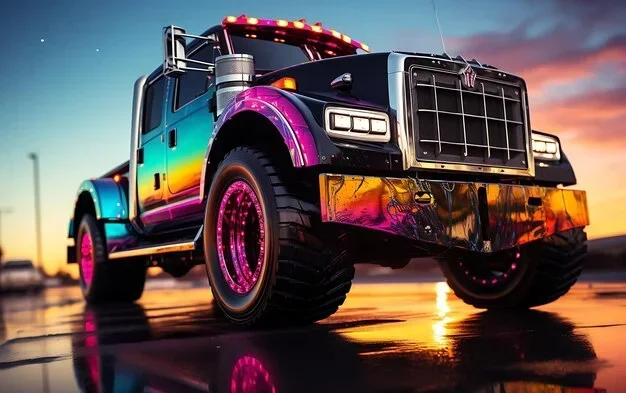
You can get wraps in matte, gloss, satin, satin chrome, and even textured finishes like carbon fiber or leather. Color change wraps are the most common use for trucks. But wraps also serve as a protective layer over your factory paint. This dual purpose is a big reason why so many truck owners invest in them.
Types of Vinyl Wrap Material
Not all vinyl wraps are created equal. The type of material you choose directly affects durability. Here is a quick breakdown:
- Cast Vinyl: The premium option. It is thinner, more conformable, and lasts longer. Most professional installers recommend cast vinyl for trucks.
- Calendered Vinyl: The budget-friendly choice. It is thicker but less flexible. It works well for flat surfaces but can struggle on curved truck panels.
- Hybrid Vinyl: A middle ground. It combines some benefits of both cast and calendered materials.
If you want your wrap to last, go with cast vinyl. It is the gold standard for vehicle wrapping durability. The upfront cost is higher, but the long-term value is unbeatable.
How Long Does Vinyl Wrap Actually Last on a Truck?
This is the million-dollar question. And the honest answer is: it depends. But let us give you some real numbers so you have something concrete to work with.
Average Lifespan Expectations
Under normal conditions, a vinyl truck wrap lifespan ranges from 5 to 7 years. Premium cast vinyl wraps can push closer to 7 or even 8 years with excellent care. Economy wraps might start showing wear after 3 to 4 years.
Here is what those numbers look like in practice:
- Years 1 to 3: The wrap looks brand new. Color is vibrant. Edges are tight. This is the honeymoon phase.
- Years 3 to 5: Minor fading may start. Small edge lifts can appear. The wrap still looks good but needs more attention.
- Years 5 to 7: Noticeable fading and wear. Some areas may show cracking or peeling. This is when most owners consider replacement.
These timelines assume the wrap was installed professionally and maintained regularly. If the installation was sloppy or the wrap was neglected, the lifespan drops significantly.
Factors That Affect Wrap Longevity
Several key factors determine how long your vinyl wrap on truck will hold up. Let us walk through each one.
Material Quality. This is the biggest factor. Cheap vinyl breaks down faster. Premium vinyl with UV-resistant coatings holds up much better. Always invest in reputable brands like 3M, Avery Dennison, or KPMF.
Installation Quality. A perfect installation means fewer air bubbles, tighter edges, and better adhesion. Wrap installation quality can add or subtract years from your wrap’s life. Never cheap out on this step.
Climate and Weather Exposure. Trucks parked in sunny, hot climates face more UV damage. Those in salty coastal areas deal with corrosion risks. Winter salt and road chemicals are also tough on wraps. Weather resistance wrap varies by material and quality.
Driving Habits. Highway driving at high speeds creates more friction and impact stress on the wrap. Off-road driving exposes wraps to rocks, debris, and abrasion. Your daily driving environment matters more than you might think.
Maintenance Routine. How often you wash your truck and what products you use directly impact wrap life. We will cover maintenance in detail later in this article.
What Happens to Vinyl Wrap in Everyday Conditions?
Let us talk about real life. Not perfect conditions. Not a garage-kept show truck. Your daily driver that hits potholes, sits in the sun, and braves rain, snow, and dust.
Sun and Heat Exposure
UV rays are the number one enemy of any vinyl wrap. Prolonged sun exposure causes fading, especially on dark-colored wraps. Heat can also soften the adhesive, leading to edge lifting and bubbling. Trucks parked outside all day in summer take the biggest hit.
UV resistance vinyl has improved a lot in recent years. Premium wraps now include UV inhibitors built into the material. But even the best wraps will fade faster if constantly exposed to direct sunlight for years.
Rain, Snow, and Cold Weather
Cold weather makes vinyl less flexible. In extreme cold, wraps can become brittle and crack. Snow and ice removal can also damage wraps if you use sharp scrapers or aggressive brushing.
Rain itself is not a major problem for quality wraps. Modern vinyl has excellent water resistance. But standing water in crevices and seams can lead to edge lifting over time. If you live in a snowy climate, road salt is the real threat. It can eat away at the edges and cause premature peeling.
Road Debris and Minor Impacts
Trucks take a beating on the road. Small rocks, gravel, and road debris constantly hit the body panels. A vinyl wrap absorbs most of these minor impacts without damage. In fact, one of the hidden benefits of wrapping is that it acts as a sacrificial layer protecting your paint.
However, sharp objects can scratch or gouge a wrap. Deep scratches that penetrate through the film will expose the underlying paint. Small surface scratches usually do not affect the wrap’s integrity though.
Urban Driving and Environmental Pollutants
Urban truck owners face a different set of challenges. Bird droppings, tree sap, exhaust fumes, and industrial fallout all take a toll on vinyl. Bird droppings are especially damaging if left on the wrap for days. The acids in the droppings can eat through the finish and cause discoloration.
Quick tip: always clean bird droppings and tree sap as soon as possible. A gentle wash with mild soap and water does the trick. Letting them sit is one of the fastest ways to ruin a wrap.
How to Maintain Your Truck Wrap for Maximum Durability
Maintenance is where truck owners either extend their wrap’s life or shorten it. The good news is that caring for a vinyl wrap is simple and straightforward.
Washing Best Practices
Wash your wrapped truck at least once every two weeks. More often if you drive in dusty or salty conditions. Here is what to do and what to avoid:
- Do: Use a pH-neutral car wash soap. Wash with a soft microfiber mitt or sponge.
- Do: Use a gentle water pressure when rinsing. High-pressure washers can force water under the edges.
- Do: Dry the wrap with a soft, clean cloth or chamois to prevent water spots.
- Do not: Use automatic car washes with brushes. The rotating brushes can scratch and lift edges.
- Do not: Use harsh chemicals, solvents, or abrasive cleaners.
- Do not: Wax the wrap. Wax does not adhere well to vinyl and can leave residue that dulls the finish.
Quick Tips for Wrap Care
Here are some fast tips that make a big difference over time:
- Keep a spray bottle of wrap-safe cleaning solution in your truck bed.
- Touch up small chips or scratches with vinyl repair kits from your installer.
- Avoid parking under trees whenever possible.
- Use a breathable truck cover if you park outside for extended periods.
- Inspect the edges and seams monthly for early signs of lifting.
When to Seek Professional Help
If you notice bubbling, peeling, or significant fading, it is time to consult your wrap installer. Small issues can often be repaired without replacing the entire wrap. Catching problems early prevents them from getting worse and saves you money in the long run.
Common Mistakes That Shorten Wrap Durability
Knowing what not to do is just as important as knowing what to do. Here are the most common mistakes truck owners make that reduce vinyl wrap lifespan.
Skipping Professional Installation
This is the number one mistake. DIY wrap kits are tempting because they save money upfront. But a poor installation leads to air bubbles, misaligned edges, and premature peeling. The savings disappear fast when you need to redo the wrap in two years instead of five.
Always invest in a professional wrap installer with proven experience on trucks. Look at their portfolio, read reviews, and ask about their warranty. A good installation is the foundation of a durable wrap.
Using the Wrong Cleaning Products
Not all car cleaning products are safe for vinyl. Abrasive cleaners, ammonia-based glass cleaners, and degreasers can break down the vinyl surface over time. Stick to products specifically designed for wrapped vehicles.
Ignoring Small Damage
People often ignore small scratches or edge lifts. But these tiny issues let moisture seep underneath the wrap. Once moisture gets under the film, it can cause bubbling, adhesive failure, and even rust on the underlying paint. Small problems grow fast if left unaddressed.
Overlooking Edge Protection
The edges and seams of a wrap are the most vulnerable areas. They take the most beating from road debris, water, and temperature changes. Some installers apply edge sealant or edge guards for extra protection. This simple step can add years to your wrap’s life.
Comparing Vinyl Wrap Durability to Other Options
How does vinyl wrap stack up against other truck exterior options? Let us compare.
Vinyl Wrap vs. Paint
Factory paint on a truck is incredibly durable. It can last 10 to 20 years or more with proper care. But paint is permanent. If you want to change your truck’s color later, repainting is expensive and time-consuming.
Vinyl wrap offers similar protection to paint but is fully removable. It also costs significantly less than a professional paint job. For truck owners who like to change their look frequently, wrap is the clear winner.
Vinyl Wrap vs. Paint Protection Film (PPF)
Paint protection film and vinyl wrap serve different purposes. PPF is clear and focuses purely on protecting paint from chips and scratches. Vinyl wrap changes the appearance while also providing protection.
PPF is generally more durable than wrap for impact resistance. But it does not offer the same customization options. Many truck owners use both together: a wrap for style and PPF for high-impact areas like the front bumper and hood.
Vinyl Wrap vs. Bed Liner
Bed liners protect the truck bed from scratches and corrosion. But they do nothing for the rest of the truck’s exterior. Vinyl wrap covers the entire vehicle. They serve different purposes and are not really comparable for full-truck protection.
Quick Comparison Table
| Option | Lifespan | Customization | Paint Protection | Removability |
|---|---|---|---|---|
| Vinyl Wrap | 5-7 years | Full color and texture options | Yes | Yes, clean removal |
| Factory Paint | 10-20+ years | Limited to factory colors | Yes | No |
| Paint Protection Film | 5-10 years | Clear only (no color change) | Yes | Yes, clean removal |
| Bed Liner | 5-8 years | Limited (black, textured) | Bed only | Difficult to remove |
As you can see, vinyl wrap on truck offers a great balance of durability, customization, and removability. It is not the longest-lasting option for pure protection, but it gives you the most versatility.
Does Vinyl Wrap Damage Truck Paint When Removed?
This is one of the most common concerns among truck owners. The short answer is: no, when done correctly.
Quality vinyl wraps are designed to come off cleanly. The adhesive used in high-quality vinyl wraps is engineered to release without pulling up factory paint. After removal, your original paint should look just as good as the day the wrap went on.
However, there are exceptions. If the truck had poor paint quality before wrapping, the paint might show some issues after removal. Also, if the wrap was left on for too long past its lifespan, the adhesive can bond too strongly and cause paint damage during removal.
The key is to replace your wrap before it reaches the end of its natural lifespan. This ensures clean removal and keeps your truck’s paint in excellent condition.
What About Wrapped Trucks That Have Been in Accidents?
If your truck has been in a collision and the wrap was damaged, the situation changes. The wrap may need to be partially or fully removed for repairs. A skilled installer can work around body shop repairs and re-wrap affected areas. Always inform your body shop that your truck is wrapped so they can handle it properly.
How Durable Is Vinyl Wrap on a Truck in Different Use Cases?
The durability of your wrap changes depending on how you use your truck. Let us look at a few common scenarios.
Daily Commuter Trucks
If you drive your truck every day for work or commuting, expect the wrap to last closer to 5 years. Daily exposure to sun, road grime, and minor impacts adds up over time. Regular washing and garage parking when possible will help maximize life.
Weekend Show Trucks
Trucks that are driven occasionally and stored in a garage can see wraps last 7 years or more. Limited UV exposure and minimal road debris mean the wrap stays in excellent condition much longer.
Work Trucks and Fleet Vehicles
Work trucks face the toughest conditions. Constant loading and unloading, exposure to chemicals, and rough handling all wear down wraps faster. Fleet managers should budget for wrap replacement every 3 to 5 years for work trucks.
Off-Road Trucks
Off-roading puts wraps through serious stress. Rocks, mud, branches, and water crossings all test the wrap’s limits. Off-road truck owners should expect to replace wraps more frequently and invest in higher-quality materials to handle the abuse.
Expert Insights on Vinyl Wrap Durability
We spoke with several professional truck wrap installers to get their take on what really affects durability. Here is what they had to say.
Installer Perspective: “The biggest factor I see in premature wrap failure is poor installation. Even the best vinyl material will fail if it is not applied correctly. Proper surface prep, heat application, and edge sealing make all the difference.”
Material Expert Insight: “Cast vinyl has come a long way. The latest formulations offer better UV resistance and flexibility than anything available five years ago. A premium cast wrap on a well-maintained truck will easily hit the 7-year mark.”
Maintenance Pro Tip: “The number one thing truck owners can do is wash their wrap regularly. Dirt and grime build up in the micro-textures of the vinyl. Over time, this breaks down the surface. A simple wash routine adds years to the wrap’s life.”
These insights reinforce what we have covered throughout this article. The durability of your vinyl wrap on truck is largely in your hands. Choose quality materials, get professional installation, and maintain the wrap properly.
Key Takeaways
- Lifespan Range: A quality vinyl wrap on a truck typically lasts 5 to 7 years with proper maintenance.
- Material Matters: High-grade cast vinyl wraps outlast economy calendered vinyl by several years.
- Installation Quality: Professional installation dramatically reduces peeling, bubbling, and edge lifting issues.
- Maintenance Is Key: Regular washing and avoiding harsh chemicals significantly extends wrap life.
- Weather Impact: UV rays, extreme heat, and cold all accelerate wear on truck wraps.
- Removability: Vinyl wrap is designed to come off cleanly without damaging the original paint.
- Warranty Coverage: Most premium wraps come with manufacturer warranties covering defects and fading.
Conclusion
So how durable is vinyl wrap on a truck in everyday life? The answer is clear: it is remarkably durable when done right. A quality vinyl truck wrap can protect your truck and look great for 5 to 7 years. That is a long time to enjoy a fresh, customized look without permanently altering your vehicle.
The key takeaways are simple. Invest in high-quality vinyl material. Always choose professional wrap installation. Maintain your wrap with regular gentle washing. Avoid the common mistakes that shorten wrap life. And be mindful of your truck’s daily environment and use case.
Vinyl wrap gives truck owners something rare: the ability to change their vehicle’s appearance whenever they want while protecting the original paint underneath. It is one of the smartest investments you can make for your truck. Whether you want a bold new color, a subtle matte finish, or a protective layer for daily driving, vinyl wrap delivers on both style and durability.
Take care of your wrap, and it will take care of your truck for years to come. Start with quality materials, find a skilled installer, and enjoy the ride.
Frequently Asked Questions
Can vinyl wrap on a truck last 10 years?
In most cases, no. Standard vinyl wraps last between 5 and 7 years. Some premium wraps in ideal conditions might reach 8 years. To get 10 years out of a wrap, you would need exceptional maintenance, minimal sun exposure, and a garage-stored truck. Realistically, plan for replacement every 5 to 7 years for the best results.
Does washing my truck damage the vinyl wrap?
No, washing your truck does not damage a vinyl wrap when done correctly. Use a pH-neutral soap, a soft mitt, and gentle water pressure. Avoid automatic car washes with rotating brushes and never use abrasive cleaners. Proper washing actually extends the wrap’s life by removing contaminants that break down the vinyl surface.
Is it safe to remove vinyl wrap from a truck?
Yes, it is safe when the wrap is removed within its expected lifespan. Quality vinyl wraps use adhesives designed for clean removal. The original factory paint underneath should remain intact and undamaged. If the wrap has been on too long or was installed poorly, removal can become more difficult and may risk paint damage.
How much does it cost to wrap a truck, and is it worth it?
Truck wrap costs typically range from $2,000 to $8,000 depending on the material, size, and complexity. When you consider the vinyl wrap cost per year, it works out to be quite affordable compared to repainting. A quality wrap also protects your truck’s paint from UV damage, scratches, and weathering, adding resale value. Most truck owners find it to be a worthwhile investment.
What is the difference between cast and calendered vinyl for truck wraps?
Cast vinyl is thinner, more flexible, and more durable. It conforms better to curved truck surfaces and lasts longer. Calendered vinyl is thicker, stiffer, and more budget-friendly but less conformable. For trucks, cast vinyl is almost always the better choice for long-term durability and a smoother finish. It is the industry standard for professional installations.
Can I wrap my truck myself to save money?
You can, but it is not recommended if you want maximum durability. DIY wraps often have air bubbles, misaligned seams, and poor edge adhesion. These issues lead to premature peeling and a shorter lifespan. Professional installers have the tools, experience, and skills to apply wraps correctly. The extra cost is worth the significantly longer-lasting result.