How Do You Know If You Need Power Steering Fluid Today
Knowing when you need power steering fluid can save you from costly repairs and dangerous driving conditions. Common signs include a stiff steering wheel, strange noises when turning, and fluid leaks under your car. This guide covers everything you need to recognize the symptoms and take action fast.
Have you ever turned your steering wheel and felt it resist your hands? Or maybe you heard a weird whining noise every time you made a turn. These are not just random car quirks. They are your vehicle trying to tell you something important.
If you have been asking yourself how do you know if you need power steering fluid, you are in the right place. This guide will walk you through every sign, symptom, and solution. By the end, you will know exactly what to look for and what to do next.
Your car’s steering system relies on power steering fluid to work smoothly. Without enough of it, turning the wheel becomes a workout. Worse, driving with low fluid can damage expensive parts like the power steering pump. Let us break down everything you need to know.
Key Takeaways
- Stiff steering wheel: One of the first and most obvious signs your power steering fluid is low or degraded.
- Strange noises when turning: Whining or groaning sounds often point to low fluid levels or air in the system.
- Fluid leaks under your car: Puddles near the front wheels can signal a power steering fluid leak that needs immediate attention.
- Discolored or dirty fluid: Dark or burnt-smelling fluid means it is time for a fluid change or flush.
- Warning lights on your dashboard: The steering assist warning should never be ignored and often indicates low fluid or system failure.
- Regular checks prevent damage: Checking your power steering fluid level monthly can extend the life of your entire steering system.
📑 Table of Contents
- What Does Power Steering Fluid Do?
- Warning Signs You Need Power Steering Fluid
- How to Check Your Power Steering Fluid Level
- When to Change Power Steering Fluid
- Common Power Steering Fluid Problems
- How Much Does Power Steering Fluid Cost?
- Quick Tips for Power Steering Fluid Maintenance
- Common Mistakes Car Owners Make
- Expert Insights on Power Steering Fluid
- Key Takeaways
- Conclusion
What Does Power Steering Fluid Do?
Before we dive into the warning signs, it helps to understand what power steering fluid actually does. Think of it as the lifeblood of your steering system. It is a hydraulic fluid that transfers power from the steering wheel to the wheels themselves.
When you turn the wheel, the fluid creates pressure that helps the wheels move. This is what makes steering feel easy and responsive. Without it, you would have to use all your arm strength to turn the car, especially at low speeds or when parking.
How the Power Steering System Works
Most modern cars use a hydraulic power steering system. Here is a simple breakdown of how it works:
- The power steering pump pushes fluid through the system.
- The fluid builds pressure when you turn the wheel.
- That pressure helps the steering rack move the wheels.
- The fluid returns to the reservoir to start the cycle again.
It is a simple loop, but every part depends on clean, sufficient fluid. If the level drops or the fluid gets contaminated, the whole system suffers.
Types of Power Steering Fluid
Not all power steering fluid types are the same. Some cars use conventional hydraulic fluid, while others use synthetic fluid or even automatic transmission fluid. Check your owner’s manual to find the right one for your vehicle. Using the wrong type can cause steering problems and damage internal parts.
Warning Signs You Need Power Steering Fluid
This is the section most car owners need to pay attention to. The signs that you need power steering fluid are often easy to spot. The trick is knowing what to look for before the problem gets worse.
Stiff or Heavy Steering Wheel
The most common sign is a steering wheel that feels stiff or hard to turn. If you notice extra effort when turning at a stop or parking, your fluid level might be low. A steering wheel hard to turn is never something to ignore.
In the early stages, the stiffness might only show up at low speeds. But as the fluid level drops further, it gets worse. Eventually, you could be struggling to make simple turns.
Strange Noises When Turning
Your steering system should be quiet. If you hear whining, groaning, or squealing noises when you turn the wheel, that is a red flag. These sounds often mean the power steering pump is running dry due to low fluid.
The noise usually gets louder when you turn the wheel all the way to the left or right. That is because the pump is under the most stress in those positions. If you hear this, check your fluid level right away.
Fluid Leaks Under Your Car
One of the clearest signs of a problem is a power steering fluid leak. Look for puddles under the front of your car. Power steering fluid is usually clear, amber, or reddish in color. It has a slightly oily feel.
Common places where leaks happen include:
- The power steering pump itself
- Hoses connecting the pump to the steering rack
- The steering rack seals
- The fluid reservoir
Even a small leak can drain your fluid over time. The longer you wait, the more damage it can cause.
Discolored or Dirty Fluid
Fresh power steering fluid is usually clear or light amber. If you check your fluid and it looks dark brown or black, it has degraded. Burnt-smelling fluid is another sign that it needs to be replaced.
Dirty fluid loses its ability to lubricate and protect the system. Over time, it can cause wear on the pump and steering rack. Replacing old fluid is a cheap way to avoid expensive repairs.
Dashboard Warning Lights
Many newer cars have a steering assist warning light on the dashboard. If this light comes on, it usually means the system has detected a problem. It could be low fluid, a faulty sensor, or a failing pump.
Do not ignore this light. Driving with the steering assist disabled puts extra strain on you and the vehicle. Pull over safely and check the fluid level.
Sluggish or Unresponsive Steering
If your steering feels slow to respond, that is another warning sign. You might turn the wheel and feel a delay before the wheels react. This can happen when fluid is low or when air has entered the power steering system.
Sluggish steering is especially dangerous at highway speeds or in emergency situations. If you notice this symptom, get your car checked as soon as possible.
How to Check Your Power Steering Fluid Level
Checking your fluid level is one of the easiest things you can do as a car owner. It takes just a few minutes and can prevent major problems down the road.
Step-by-Step Guide
- Park your car on a level surface and turn off the engine.
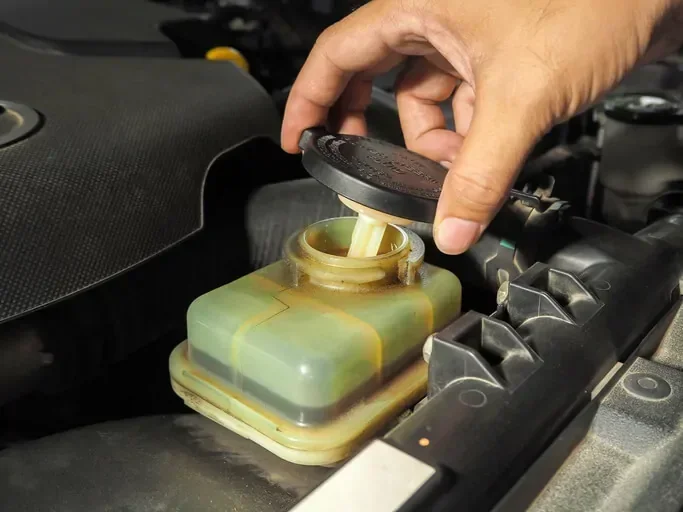
- Open the hood and locate the power steering fluid reservoir. It is usually near the front of the engine on the driver’s side.
- Remove the cap and look at the fluid level. Most reservoirs have MIN and MAX markings on the side.
- Check the color of the fluid. It should be clear or light amber.
- If the level is low, add the recommended fluid type slowly. Do not overfill.
- Replace the cap and start the engine. Turn the wheel back and forth a few times to circulate the fluid.
- Re-check the level and top off if needed.
When to Check the Fluid
Make it a habit to check your power steering fluid level at least once a month. You should also check it before any long road trip. Fluids naturally degrade over time, so regular checks help you catch problems early.
When to Change Power Steering Fluid
Just like engine oil, power steering fluid needs to be replaced periodically. Over time, it collects moisture, dirt, and debris from the system. This reduces its effectiveness and can cause wear on internal parts.
How Often Should You Change It?
Most manufacturers recommend changing power steering fluid every 50,000 to 100,000 miles. However, this can vary depending on your vehicle and driving conditions. If you drive in stop-and-go traffic or extreme temperatures, you may need to change it more often.
Check your owner’s manual for the specific power steering fluid change interval for your car. If you cannot find it, a general rule is to have it checked at every oil change.
Signs It Is Time for a Fluid Change
Here are the signs that tell you it is time to replace your fluid:
- The fluid is dark brown or black in color
- You notice a burnt smell when you check the reservoir
- Your steering feels less smooth than before
- You hear more noise than usual when turning
- It has been over 50,000 miles since your last change
DIY vs. Professional Fluid Change
A power steering fluid flush can be done at home if you are comfortable working on your car. You will need the correct fluid type, a drain pan, and a few basic tools. However, a professional mechanic can do a complete system flush more thoroughly.
If you choose the DIY route, make sure you bleed the system properly to remove any air bubbles. Air in the system can cause noise and erratic steering behavior.
Common Power Steering Fluid Problems
Even with regular maintenance, steering fluid problems can still occur. Understanding the most common issues helps you diagnose and fix them faster.
Low Fluid Due to Leaks
Fluid leaks are the number one reason power steering fluid levels drop. Leaks can develop from worn hoses, damaged seals, or corrosion on metal lines. If you find a puddle of fluid under your car, do not just top it off and drive away. Find the source of the leak and fix it.
Air in the System
Air bubbles in the power steering system can cause a spongy feeling in the steering wheel. This often happens after a fluid top-off or a leak repair. Bleeding the system removes trapped air and restores smooth steering.
Contaminated Fluid
Over time, moisture and debris contaminate the fluid. This reduces its lubricating properties and can cause corrosion inside the system. Contaminated fluid is one of the leading causes of premature power steering pump failure.
Pump Failure
The power steering pump is the heart of the system. When it fails, steering becomes extremely difficult. Pump failure is often caused by low fluid levels, contaminated fluid, or a worn-out pump belt. Replacing a pump is expensive, which is why prevention through regular fluid maintenance is so important.
How Much Does Power Steering Fluid Cost?
One of the best things about power steering fluid maintenance is how affordable it is. A bottle of fluid costs between $10 and $30, and it will last for several fluid changes.
If you take your car to a mechanic for a fluid change or flush, the cost typically ranges from $80 to $150. This includes the fluid itself and labor. A full power steering fluid replacement is far cheaper than replacing a damaged pump or steering rack, which can cost hundreds or even thousands of dollars.
The takeaway is simple. Spending a small amount on fluid maintenance now can save you from a much bigger bill later.
Quick Tips for Power Steering Fluid Maintenance
Here are some practical tips to keep your steering system in great shape:
- Check your fluid level at least once a month
- Always use the fluid type recommended by your car manufacturer
- Do not let the fluid level drop to the MIN mark
- Replace fluid on a regular schedule, even if it looks okay
- Fix leaks immediately instead of just topping off
- Keep an eye on your dashboard warning lights
- Listen for unusual noises when turning and investigate them early
Common Mistakes Car Owners Make
Avoid these common mistakes to keep your power steering system healthy for years:
- Ignoring warning signs: A stiff steering wheel or strange noise is not something to brush off. It will only get worse.
- Using the wrong fluid type: Not all fluids are compatible. Using the wrong one can damage seals and internal components.
- Topping off without fixing leaks: If you keep losing fluid, there is a leak somewhere. Find it and fix it.
- Skipping scheduled fluid changes: Old fluid loses its effectiveness. Do not wait until you have steering problems to change it.
- Overfilling the reservoir: Too much fluid can cause pressure buildup and leaks. Always stay between the MIN and MAX marks.
Expert Insights on Power Steering Fluid
Automotive experts agree that power steering fluid maintenance is one of the most overlooked aspects of car care. Many drivers only think about their fluid when something goes wrong. By then, the damage may already be done.
Experienced mechanics recommend treating power steering fluid the same way you treat engine oil. Check it regularly, change it on schedule, and never let the level run low. A well-maintained steering system gives you safer, smoother driving and saves money on repairs in the long run.
If you are ever unsure about your fluid level or condition, it is always worth getting a second opinion from a trusted mechanic. A quick inspection can reveal problems you might not notice on your own.
Key Takeaways
- Check your fluid regularly: Make it a monthly habit to inspect your power steering fluid level and condition.
- Watch for warning signs: Stiff steering, strange noises, fluid leaks, and dashboard lights are all signals that something is wrong.
- Use the right fluid: Always match the fluid type to your vehicle’s specifications to avoid damage.
- Change fluid on schedule: Regular fluid changes keep the system clean and prevent premature wear.
- Fix leaks immediately: A small leak today can become a major repair tomorrow if left unchecked.
- Invest in prevention: A few dollars spent on fluid maintenance can save hundreds in repair costs later.
Conclusion
So, how do you know if you need power steering fluid? The answer is simpler than you might think. Pay attention to the signs. A stiff steering wheel, whining noises, fluid leaks, and dark or dirty fluid all tell you it is time to take action.
Regular maintenance is the best way to avoid power steering problems in the first place. Check your fluid level monthly, change it on schedule, and never ignore warning signs. Your steering system works hard every time you drive, and it deserves the same care you give your engine.
Take a few minutes today to check your power steering fluid. It is one of the easiest things you can do to keep your car running safely and smoothly. Your future self and your wallet will thank you.
Frequently Asked Questions
What happens if you drive with low power steering fluid?
Driving with low fluid puts extra strain on the power steering pump and other components. Over time, this can cause the pump to fail, leading to expensive repairs. You may also experience stiff steering, which is dangerous while driving.
Can you use power steering fluid instead of transmission fluid?
Some vehicles accept automatic transmission fluid as a substitute, but this depends on the manufacturer’s recommendation. Always check your owner’s manual before using any fluid type. Using the wrong fluid can damage seals and internal parts.
How long does power steering fluid last?
Most power steering fluids last between 50,000 and 100,000 miles before needing a change. However, driving conditions, fluid type, and vehicle age can all affect this timeline. Regular checks help you determine the right replacement interval for your car.
Is a power steering fluid leak expensive to fix?
The cost depends on the source of the leak. A small hose leak might cost $50 to $150 to repair, while a failed power steering pump can cost $300 to $800 or more. Fixing leaks early is always cheaper than waiting for major damage.
Can low power steering fluid cause the check engine light to come on?
Low fluid usually triggers a steering assist warning light, not the check engine light. However, some vehicles may share sensors or systems that could cause the check engine light to illuminate if the steering system detects a serious problem.
Does power steering fluid evaporate over time?
Power steering fluid does not evaporate like some other car fluids. If your fluid level keeps dropping, there is almost certainly a leak somewhere in the system. Have it inspected by a mechanic as soon as possible.