Choose the Right Window Tint Percentage for Your Home
Choosing the right window tint percentage can transform your home into a cooler, more comfortable, and energy-efficient space. Window tint percentage refers to how much light a film allows through, and picking the correct shade affects privacy, glare, and even your electricity bills. This guide breaks down every window tint percentage level so you can make a confident, informed decision for every room in your house.
Have you ever walked into a room and felt like the sun was literally cooking you alive? That glare on your TV screen. That faded sofa by the window. That muggy feeling even with the AC cranked up. Sound familiar? You are not alone. Millions of homeowners deal with these exact problems every single day.
The good news is that a simple solution exists. Window tinting can completely change how your home feels and functions. But here is the thing most people get wrong. They pick a window tint percentage without really understanding what it means or what works best for their space. That is where this guide comes in.
We are going to walk you through everything you need to know about window tint percentage levels. From understanding visible light transmission to choosing the perfect tint shade for your living room, bedroom, or office. By the end, you will feel confident enough to make the right choice for your home.
Key Takeaways
- Lower VLT means darker tint: A 5% window tint percentage blocks most light, while 70% lets in nearly all natural light.
- UV protection is a major benefit: The right tint shade blocks up to 99% of harmful ultraviolet rays that damage skin and furniture.
- Room-by-room selection matters: Different spaces need different levels of heat rejection and privacy.
- Check local laws first: Some areas have regulations on how dark your window film can be.
- Energy savings add up fast: Proper solar control can lower cooling costs by up to 30%.
- Professional installation helps: A pro ensures bubble-free application and long-lasting performance.
📑 Table of Contents
- What Is Window Tint Percentage?
- Why Choosing the Right Tint Percentage Matters
- Choosing the Right Tint for Each Room
- Legal Considerations for Window Tinting
- Common Mistakes When Choosing Tint Percentage
- Quick Tips for Choosing Your Window Tint Percentage
- Window Tint Percentage Comparison Table
- Conclusion
What Is Window Tint Percentage?
Understanding Visible Light Transmission
The window tint percentage you see on every film label refers to something called Visible Light Transmission, or VLT. This number tells you exactly how much natural light passes through the glass. A higher percentage means more light gets in. A lower percentage means a darker film.
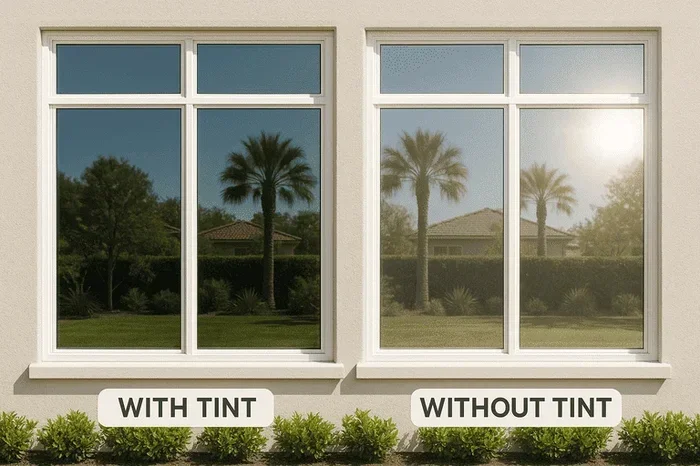
Think of it like sunglasses for your windows. A 5% VLT film is like wearing very dark sunglasses. Almost no light gets through. A 70% VLT film is more like a light pair of shades. You still get plenty of natural light, but the harshness is reduced.
Here is a quick breakdown of common window tint percentage levels:
- 5% VLT (Very Dark): Almost no light passes through. Maximum privacy and heat rejection.
- 20% VLT (Dark): A significant reduction in light. Great for privacy without going fully dark.
- 35% VLT (Medium): A balanced option that reduces glare while keeping rooms bright.
- 50% VLT (Light): Blocks about half the light. Good for glare control with natural brightness.
- 70% VLT (Very Light): Nearly clear film. Subtle protection with minimal visibility change.
When you understand these numbers, choosing a window tint percentage becomes much simpler. You can match the shade to the specific needs of each room.
How Tint Percentage Affects Heat and UV Rays
Here is something many people do not realize. The window tint percentage does not just control light. It also plays a huge role in blocking heat and harmful UV rays. Even a very light window film can reject a significant amount of solar energy.
High-quality films use special coatings that target infrared and ultraviolet wavelengths. These are the rays that cause two big problems. They heat up your home and they fade your belongings. A good tint shade can block up to 99% of UV radiation. That is huge for protecting your family and your furniture.
The relationship between darkness and heat rejection is not always direct. Some lighter films actually perform better than darker ones at blocking heat. This is because advanced solar control technology focuses on infrared rejection rather than just visible darkness. So do not assume that a darker window tint percentage automatically means better cooling.
Why Choosing the Right Tint Percentage Matters
Energy Efficiency and Cooling Costs
Your windows are one of the biggest sources of heat gain in any home. During summer, sunlight pours through glass and turns your rooms into greenhouses. Your air conditioner works harder. Your energy bills climb. Your comfort drops.
Choosing the correct window tint percentage can make a real difference. Studies show that quality window tinting can reduce solar heat gain by up to 80%. That means your AC does not have to work as hard. Your cooling costs go down. Your home stays more comfortable.
For south-facing windows that get the most direct sun, a medium to dark tint shade works best. Think 20% to 35% window tint percentage. For east and west-facing windows, you get intense morning or afternoon sun. A slightly lighter film around 40% to 50% might be the sweet spot. North-facing windows get less direct sunlight, so a higher window tint percentage around 50% to 70% can still provide UV protection without darkening the room too much.
Protecting Your Furniture and Flooring
Sun damage is sneaky. It does not happen overnight. But over months and years, UV rays fade fabrics, crack leather, and warp wood. Your beautiful sofa near the window starts looking washed out. Your hardwood floors develop uneven coloring. These are expensive problems to fix.
A window tint percentage of at least 50% can block a large portion of UV rays. Going darker gives you even more protection. The key is consistency. Apply window film to all the windows that receive direct sunlight. This creates a uniform level of UV protection throughout your home.
Privacy Without Sacrificing Natural Light
Privacy is one of the top reasons people install window tinting. You want to feel comfortable in your home without constantly closing the blinds. But you also do not want to darken your rooms to the point where you need lights on during the day.
The beauty of modern window film technology is that you can find the perfect balance. A window tint percentage between 20% and 35% gives you excellent daytime privacy. People outside cannot see in easily. But you still enjoy plenty of natural light flowing through your windows. At night, the effect reverses slightly, so you may want to add blinds for full nighttime privacy.
Glare Reduction for Better Comfort
Glare is one of those things you do not notice until it is gone. If you have ever struggled to watch TV because of a bright reflection on the screen, you know exactly what we mean. Or trying to read a book with sunlight bouncing off the page.
Reducing glare is one of the most immediate benefits of window tinting. Even a light tint shade at 50% VLT can dramatically cut down on harsh reflections. A medium window tint percentage around 35% is often the sweet spot for living rooms and home offices. You get a comfortable viewing experience without making the room feel cave-like.
Choosing the Right Tint for Each Room
Living Room Tint Recommendations
The living room is usually the most-used space in any home. It is where you relax, entertain guests, and spend family time together. The window tint percentage you choose here affects both comfort and aesthetics.
For most living rooms, a window tint percentage between 30% and 50% works well. This range reduces glare on your TV or projector screen. It still lets in plenty of natural light for a warm, inviting atmosphere. It also provides good heat rejection during hot afternoons.
If your living room has large windows that face west, consider going a bit darker. A 20% to 30% tint shade will handle the intense late-afternoon sun better. Pair it with a high-quality UV protection film to keep your furnishings looking great for years.
Bedroom Tint Recommendations
Your bedroom should be a sanctuary. A place where you can relax, sleep well, and feel completely at ease. The window tint percentage you select here plays a big role in creating that peaceful environment.
Many homeowners prefer a darker tint shade for bedrooms. A 15% to 25% window tint percentage offers excellent daytime privacy and blocks out early morning light. This can be a game-changer if you work night shifts or just love sleeping in.
At the same time, you do not want the room to feel completely sealed off. A 20% window tint percentage keeps the space feeling open and airy while still providing significant glare reduction and UV protection. If you need total blackout conditions, consider pairing your window film with blackout curtains for the best of both worlds.
Home Office Tint Recommendations
Working from home comes with its own set of challenges. Screen glare, eye strain, and temperature fluctuations can all hurt your productivity. The right window tint percentage can make your home office a much more comfortable and efficient place to work.
For a home office, aim for a window tint percentage between 35% and 50%. This range reduces screen glare significantly without making the room feel too dark. You need natural light to stay alert and focused, so a lighter tint shade is usually the better choice here.
Position your desk so it does not face the window directly. Even with window tinting, having the sun shine directly into your eyes will cause strain. The window film works best as a supplement to good workspace layout, not a replacement for it.
Kitchen and Bathroom Tint Recommendations
Kitchens and bathrooms are often overlooked when it comes to window tinting. But these rooms can benefit just as much from the right window tint percentage.
In kitchens, a medium tint shade around 35% to 45% helps reduce the harsh glare that bounces off countertops and stainless steel appliances. It also adds a layer of privacy so neighbors or passersby cannot look straight into your cooking space. The heat rejection factor is useful too, especially in kitchens that get a lot of afternoon sun.
Bathrooms are all about privacy. A darker window tint percentage between 15% and 25% works well here. You get the privacy you need without installing heavy blinds or curtains. Plus, the UV protection helps prevent moisture-related damage to window frames and surrounding materials over time.
Legal Considerations for Window Tinting
Understanding Local Regulations
Before you commit to a specific window tint percentage, it is important to know the rules in your area. Different states, cities, and even homeowner associations have regulations about how dark your window film can be.
These laws usually focus on the front windshield and front side windows of vehicles. But for homes, the rules are generally more relaxed. Still, some neighborhoods or historic districts may have guidelines about tint shade and appearance. Check with your local building department or HOA before making a purchase.
Medical Exemptions
Some people need darker window tinting for medical reasons. Conditions like lupus, melanoma, or severe light sensitivity can make standard window tint percentage levels insufficient. Many jurisdictions offer medical exemptions that allow darker window film than what is normally permitted.
If you or a family member has a condition that requires extra sun protection, talk to your doctor and get documentation. This can help you qualify for an exemption and install the tint shade that best suits your health needs.
Common Mistakes When Choosing Tint Percentage
Picking the Darkest Option Without Thinking
This is the number one mistake people make. They see a 5% window tint percentage and think darker must be better. But that is not always true. A very dark film in a small room can make it feel cramped and claustrophobic. It also reduces visibility from the inside, which can be a safety concern.
Always consider the purpose of each window before choosing a tint shade. Do you need more privacy? Less glare? Better energy efficiency? Your answers to these questions will guide you toward the right window tint percentage for each specific window.
Ignoring the Type of Window Film
Not all window film is created equal. There are dyed films, metalized films, carbon films, and ceramic films. Each type performs differently at the same window tint percentage. Ceramic films, for example, offer superior heat rejection and UV protection without the metallic look or signal interference issues.
When shopping for window tinting, ask about the film type, not just the darkness level. A high-quality ceramic film at 35% VLT will outperform a cheap dyed film at 20% VLT in almost every category. The tint shade is only one part of the equation.
Forgetting About Professional Installation
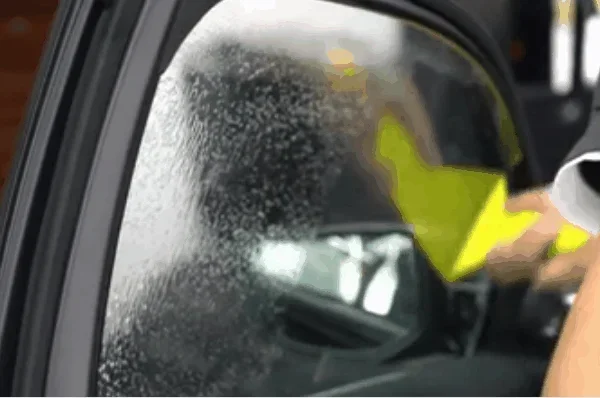
DIY window tinting kits are tempting. They are affordable and you can do it on your own schedule. But the results are often disappointing. Bubbles, wrinkles, peeling edges, and uneven application can all ruin the look and performance of your window film.
Professional installers have the tools, experience, and environment to apply window tinting correctly the first time. They can also recommend the best window tint percentage for your specific windows and needs. The small extra cost is worth the long-lasting, bubble-free finish you get.
Quick Tips for Choosing Your Window Tint Percentage
- Start with the room purpose: Privacy, glare reduction, or heat control? Your goal determines the ideal window tint percentage.
- Consider your window direction: South and west-facing windows need darker tint shades for better heat rejection.
- Test a sample first: Many installers offer sample films you can place on your window for a few days before committing.
- Think about nighttime visibility: A very dark window tint percentage can make it harder to see outside at night.
- Check the warranty: Quality window film comes with warranties of 5 to 15 years. Make sure your choice is covered.
- Balance aesthetics and function: The best tint shade is one that looks good and performs well at the same time.
Window Tint Percentage Comparison Table
Here is a simple comparison of common window tint percentage levels and what each one is best suited for:
| Tint Percentage (VLT) | Lightness | Best For | Privacy Level | Heat Rejection |
|---|---|---|---|---|
| 5% | Very Dark | Total privacy, maximum heat block | Excellent | Very High |
| 20% | Dark | Bedrooms, bathrooms, full privacy | Very Good | High |
| 35% | Medium | Living rooms, home offices | Good | Moderate to High |
| 50% | Light | Glare control, natural brightness | Moderate | Moderate |
| 70% | Very Light | Subtle UV protection, near-clear look | Low | Low to Moderate |
Conclusion
Choosing the right window tint percentage does not have to be confusing or overwhelming. Once you understand what VLT means and how different tint shades affect your home, the decision becomes much clearer. Whether you want better UV protection, lower cooling costs, more privacy, or less glare, there is a window tint percentage that fits your needs perfectly.
Remember to consider each room individually. A living room has different needs than a bedroom or a home office. Think about which windows get the most sun exposure and how much natural light you want to keep. Check local regulations and consult with a professional if you are unsure.
The right window tint percentage is an investment in your comfort, your energy bills, and the longevity of your home furnishings. Take your time, do your research, and enjoy the benefits of a beautifully tinted home for years to come.
Frequently Asked Questions
What does window tint percentage actually measure?
The window tint percentage measures Visible Light Transmission, or VLT. It tells you how much natural light passes through the window film. A lower number means a darker film that lets in less light, while a higher number means a lighter film that allows more natural light into your space.
Is a lower window tint percentage better for heat rejection?
Not always. While darker tint shades often block more heat, the relationship is not always direct. Advanced solar control films use special coatings that reject infrared heat regardless of darkness. A high-quality ceramic film at 35% VLT can outperform a cheap dark film at 10% VLT in terms of heat rejection.
Can I use different tint percentages on different windows?
Absolutely. In fact, this is the smartest approach. Different windows face different directions and receive different amounts of sunlight. Using the right window tint percentage for each window ensures you get optimal UV protection, comfort, and energy efficiency throughout your entire home.
How long does window tint last?
Quality window tinting can last anywhere from 5 to 15 years depending on the film type and installation quality. Ceramic and carbon films tend to last longer than dyed films. Professional installation also significantly extends the lifespan of your window film by preventing bubbles, peeling, and moisture damage.
Does window tinting affect home resale value?
Yes, in a positive way. Many homebuyers appreciate window tinting because it reduces energy costs, protects furnishings, and adds privacy. A professionally installed window film with the right window tint percentage can be a selling point that sets your home apart in the market.
Do I need permission to tint my home windows?
For most homes, you do not need special permission. However, if you live in a planned community or historic district, there may be guidelines about tint shade and appearance. It is always a good idea to check with your HOA or local building authority before installing window tinting to avoid any potential issues.