How to Turn Off the TPMS Light and What You Should Know
The TPMS light can often be turned off by resetting the system after fixing the real issue, such as low tire pressure or a dead sensor battery. You can use your vehicle’s built-in reset button, a TPMS reset tool, or an OBD-II scanner to clear the warning. However, simply turning off the light without addressing the underlying problem can compromise your driving safety and tire health.
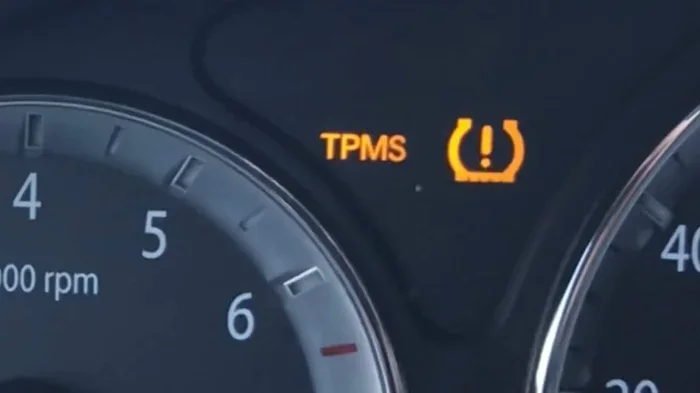
That little yellow symbol on your dashboard shaped like a horseshoe with an exclamation point can send anyone into a panic. You are driving along, minding your own business, and suddenly there it is. The TPMS light is glowing, and your first thought is probably, “Can I just turn this thing off?”
The short answer is yes, you can turn off the TPMS light in most cases. But the real question is whether you should. The tire pressure monitoring system exists for one reason: to keep you safe on the road. Ignoring it or simply masking the warning without fixing the problem can lead to bigger issues down the road.
In this guide, we will walk you through everything you need to know about the TPMS light. You will learn what triggers it, how to reset it properly, when turning it off makes sense, and when you should leave the job to a professional. Whether you are dealing with a stubborn warning after a tire rotation or a mysterious light that came out of nowhere, this article has you covered.
Key Takeaways
- Reset is possible: You can turn off the TPMS light once the root cause is fixed, using manual reset, a reset tool, or a scanner.
- Fix first, reset second: Always address low tire pressure, sensor issues, or battery failure before clearing the light.
- Temperature matters: Cold weather can trigger the TPMS light temporarily, and driving a few miles often resolves it on its own.
- Sensor battery life is limited: Most TPMS sensors last 5 to 10 years before the battery needs replacement.
- Professional help helps: If DIY reset methods fail, a mechanic can diagnose deeper TPMS malfunctions.
- Prevention is simple: Regular tire maintenance and pressure checks keep the TPMS light from coming back.
📑 Table of Contents
- What Is the TPMS Light and Why Does It Come On?
- Can You Turn Off the TPMS Light?
- Common Reasons the TPMS Light Activates
- Step-by-Step Guide to Resetting Your TPMS Light
- When to See a Professional Mechanic
- How to Prevent the TPMS Light from Coming Back
- TPMS Light and Check Engine Light: What Is the Difference?
- Expert Insights on TPMS Light Reset
- Key Takeaways
- Conclusion
What Is the TPMS Light and Why Does It Come On?
The TPMS light is part of your vehicle’s tire pressure monitoring system. This system uses either direct sensors inside each tire or indirect sensors that work through your anti-lock braking system to monitor tire pressure levels. When the system detects a problem, it illuminates the warning light on your dashboard.
There are two types of TPMS systems found in modern vehicles. Direct TPMS uses small sensors mounted inside each tire, usually attached to the valve stem. These sensors send real-time tire pressure readings to your car’s computer. Indirect TPMS, on the other hand, relies on wheel speed sensors to detect differences in tire size caused by low pressure. Both systems serve the same purpose: alerting you when your tires are not at the correct pressure.
The light typically looks like a cross-section of a tire with an exclamation mark in the center. It may also appear as the letters TPMS in parentheses. When it stays on steadily, it usually means one or more tires are significantly underinflated. If the light flashes and then stays on, it often signals a malfunction in the TPMS sensor or the system itself.
Can You Turn Off the TPMS Light?
Yes, you can turn off the TPMS light in most vehicles. However, the method you use and the timing matter a lot. The key principle to remember is this: fix the problem first, then reset the system. Turning off the light without addressing the root cause is like putting tape over a check engine light. It might hide the symptom, but the underlying issue is still there.
How to Reset the TPMS Light Manually
Many vehicles come with a built-in reset option. The location of the reset button varies by make and model. Common places to look include the driver’s side dashboard near the steering column, the center console, or beneath the steering wheel. Some vehicles have the reset button inside the glove box.
Here is the general process for a manual reset:
- Start by checking all four tires and the spare with a tire pressure gauge. Inflate any tire that is below the recommended pressure listed on the driver’s side door jamb.
- Turn the ignition to the “on” position without starting the engine.
- Press and hold the TPMS reset button until the warning light on the dashboard blinks three times.
- Release the button and start the engine.
- Drive the vehicle for about 10 to 20 minutes. The system should recalibrate and the light should turn off.
Always refer to your owner’s manual for the exact steps specific to your vehicle. Every car manufacturer has slightly different procedures, and following the wrong sequence can sometimes trigger other warning lights.
Using an OBD-II Scanner to Clear the TPMS Light
If your vehicle does not have a manual reset button or if the light persists after a reset, an OBD-II scanner can help. This tool plugs into the diagnostic port under your dashboard and communicates with your car’s computer system. Many modern scanners can read and clear TPMS codes directly.
To use an OBD-II scanner for TPMS reset:
- Locate the OBD-II port, usually found under the dashboard on the driver’s side.
- Plug the scanner into the port.
- Turn the ignition to the “on” position.
- Follow the scanner’s prompts to read any stored diagnostic trouble codes.
- Look for codes related to the tire pressure monitoring system.
- Select the option to clear or erase the codes.
- Drive the vehicle and check if the light returns.
You can find affordable OBD-II scanners at most auto parts stores for under $50. Some advanced models even provide live tire pressure sensor data, which is incredibly useful for diagnosing intermittent issues.
When Turning Off the TPMS Light Is a Bad Idea
There are situations where you should absolutely not turn off the TPMS light without first investigating. If the light comes on and you notice any of the following, stop driving and check your tires immediately:
- One or more tires are visibly deflated or flat.
- You hear a hissing sound coming from a tire.
- The vehicle feels different to drive, such as pulling to one side or vibrating.
- The light came on after hitting a pothole or curb.
- The temperature has dropped significantly and the light appeared overnight.
Driving on underinflated tires is dangerous. It reduces your vehicle’s grip on the road, increases stopping distance, and can cause a blowout at high speeds. The TPMS light is there to protect you. Turning it off without addressing a real pressure problem puts your driving safety and the safety of everyone else on the road at risk.
Common Reasons the TPMS Light Activates
Understanding why the TPMS light comes on in the first place helps you respond appropriately. Not every trigger is a serious problem, but some do require immediate attention. Here are the most common reasons the system activates.
Low Tire Pressure
The most frequent cause of the TPMS light is simply low tire pressure. Tires naturally lose air over time, typically about one to two pounds per square inch per month. A small leak from a nail, a loose valve stem, or a poor seal between the tire and rim can also cause pressure to drop gradually.
Most vehicles recommend tire pressures between 30 and 35 PSI, but always check the sticker on the driver’s side door jamb for your specific vehicle’s recommendation. Even a few PSI below the target can trigger the warning. This is why keeping a tire pressure gauge in your glove box is such a smart habit.
Temperature Changes
Cold weather is a sneaky trigger for the TPMS light. When the air temperature drops, the air inside your tires contracts, reducing pressure. A drop of just 10 degrees Fahrenheit can reduce tire pressure by about one PSI. This is why many people notice the light appearing on cold winter mornings.
In most cases, driving for a few miles warms up the tires and the pressure rises back to normal. The light should turn off on its own. If it does not, you may need to add a small amount of air to bring the pressure back up to the recommended level.
TPMS Sensor Battery Failure
Every direct TPMS sensor has a small battery that powers the transmitter. These batteries typically last between five and ten years. When the battery starts to die, the sensor cannot send accurate tire pressure readings to your car’s computer, and the TPMS light will come on.
Unfortunately, you cannot replace just the battery in most TPMS sensors. The entire sensor unit usually needs to be replaced. The good news is that this is a straightforward repair, and many tire shops can handle it quickly. The cost typically ranges from $50 to $100 per sensor, including labor.
TPMS Sensor or System Malfunction
Sometimes the problem is not with the tires at all but with the TPMS system itself. A damaged sensor, a wiring issue, or a problem with the car’s onboard computer can all cause the light to illuminate. After a tire rotation or battery replacement, the system may need to be reprogrammed to recognize the new sensor positions.
If you recently had work done on your tires and the light appeared afterward, let the tire shop know. They may need to re-sync the sensors or replace a unit that was accidentally damaged during service.
After a Tire Change or Repair
Replacing a tire, installing a new sensor, or even removing a tire from the rim can sometimes disrupt the TPMS system. The sensors need to be properly seated and the system needs to be recalibrated. This is why many tire shops include a TPMS reset as part of their service after a tire change.
Step-by-Step Guide to Resetting Your TPMS Light
Now that you understand the common causes, here is a detailed walkthrough for resetting the TPMS light properly. Follow these steps in order for the best results.
- Check all tire pressures. Use a reliable tire pressure gauge to measure each tire, including the spare. Compare your readings to the recommended PSI on the door jamb sticker. Inflate any tires that are low.
- Look for visible damage. Inspect each tire for punctures, bulges, or uneven wear. Check the valve stems for leaks by applying a small amount of soapy water and looking for bubbles.
- Drive the vehicle for a few minutes. Sometimes the system simply needs the tires to be at the correct pressure for a short drive before it will reset.
- Locate the TPMS reset button. Refer to your owner’s manual to find it. Press and hold it until the dashboard light blinks.
- Start the engine and drive. After resetting, start the car and drive at a steady speed for 10 to 20 minutes. The system should relearn the correct pressure levels.
- Verify the light is off. Once you arrive at your destination, check the dashboard. If the light is off, you are good to go. If it returns, there may be a deeper issue to address.
If you have tried all of these steps and the TPMS light keeps coming back, it is time to dig deeper. The issue could be a faulty sensor, a wiring problem, or a computer glitch that requires professional diagnosis.
When to See a Professional Mechanic
Not every TPMS issue can be solved with a simple reset. There are clear signs that it is time to take your vehicle to a qualified mechanic or tire specialist.
If the TPMS light comes on and you cannot find any obvious cause, a professional diagnostic is your best next step. A mechanic can hook up a professional-grade scanner to read the exact trouble codes stored in your vehicle’s computer. These codes will tell you whether the problem is with a specific sensor, a wiring harness, or the control module itself.
You should also visit a professional if:
- The light flashes and then stays on, which often indicates a sensor malfunction rather than low pressure.
- You have replaced all tires and sensors but the light still appears.
- Your vehicle has been sitting unused for an extended period and the system will not recalibrate.
- You have tried resetting the system multiple times without success.
- The TPMS light comes on alongside other warning lights, which could indicate a broader electrical issue.
Dealing with a TPMS malfunction early can save you from more expensive repairs later. A malfunctioning sensor that is ignored can drain your vehicle’s battery or cause inaccurate readings that affect your vehicle’s overall performance.
How to Prevent the TPMS Light from Coming Back
The best way to deal with the TPMS light is to prevent it from coming on in the first place. Regular tire maintenance is the single most effective way to keep your tire pressure monitoring system happy and your vehicle safety intact.
Here are some practical tips to keep the light off and your tires in great shape:
- Check your tire pressure monthly. Make it a routine. Grab a tire pressure gauge from your local auto parts store and check all four tires, including the spare, once a month.
- Inspect your valve stems. Damaged or corroded valve stems are a common source of slow air leaks. Replace them if they look worn or cracked.
- Monitor temperature changes. During seasonal shifts, especially in fall and winter, check your tire pressure more frequently. Cold air means lower pressure.
- Replace TPMS sensors on schedule. Most sensors last about five to ten years. If your vehicle is getting older, proactively replace the sensors before the batteries die unexpectedly.
- Keep your tires properly inflated after rotation. Always have your tire pressure checked after a rotation or any tire service.
- Invest in a quality tire pressure gauge. The cheap pencil-style gauges at gas stations are often inaccurate. A digital gauge gives you reliable tire pressure readings every time.
Taking these simple preventive steps not only keeps the TPMS light off but also extends the life of your tires, improves your fuel economy, and enhances your overall driving safety. Proper tire care is one of the easiest and most cost-effective things you can do for your vehicle.
TPMS Light and Check Engine Light: What Is the Difference?
It is easy to confuse the TPMS light with the check engine light, but they serve different purposes. The TPMS light specifically monitors tire pressure, while the check engine light covers a much broader range of engine and emissions-related issues.
However, the two systems are connected in some vehicles. A severe TPMS malfunction or a problem with the tire pressure sensor can sometimes trigger the check engine light as well. If both lights come on at the same time, it is important to address the TPMS issue first, since driving on improperly inflated tires can cause additional strain on your engine and transmission.
Using an OBD-II scanner can help you determine whether the check engine light is related to the TPMS system or if it is an entirely separate issue. Many scanners display both sets of codes, making it easier to troubleshoot multiple problems at once.
Expert Insights on TPMS Light Reset
Experienced mechanics and tire professionals agree on one thing: the TPMS light is a tool designed to help you, not to annoy you. According to tire safety experts, most drivers ignore the TPMS warning for far too long, which leads to uneven tire wear, reduced fuel efficiency, and increased risk of accidents.
“The TPMS light is your vehicle’s way of telling you something needs attention,” says automotive specialist Mark Dawson. “The smartest thing a driver can do is stop, check the tire pressure, and address the issue immediately. Resetting the light without fixing the problem only delays the inevitable and can be dangerous.”
Another common expert tip is to always keep a portable tire pressure gauge in your vehicle. You never know when you will need to check your pressure at a gas station, a parking lot, or on the side of the road. A small investment in a quality gauge can save you from unexpected tire problems and unexpected trips to the mechanic.
Key Takeaways
- The TPMS light can be turned off: Use a manual reset, TPMS reset tool, or OBD-II scanner after fixing the underlying issue.
- Always fix the root cause first: Low pressure, dead sensor batteries, or system malfunctions must be addressed before clearing the light.
- Cold weather triggers the light often: Temperature drops reduce tire pressure and can cause a temporary TPMS warning.
- Sensor batteries have a limited lifespan: Most TPMS sensors need replacement every 5 to 10 years when the battery dies.
- Professional diagnosis is valuable: If DIY reset methods fail, a mechanic can read TPMS codes and identify hidden problems.
- Prevention saves time and money: Regular tire pressure checks and maintenance keep the TPMS light from coming back.
Conclusion
The TPMS light is not something you should ignore, but it is also not something you should fear. Understanding how the system works and knowing how to properly reset it gives you confidence every time you get behind the wheel. The key takeaway is simple: always address the real problem before clearing the warning.
Whether you need to add a few PSI to a tire, replace a dying sensor battery, or use an OBD-II scanner to clear a stored code, the steps are straightforward and manageable for most drivers. Regular tire maintenance and tire pressure checks go a long way toward keeping the light off and your vehicle safety intact.
Next time that yellow warning symbol lights up on your dashboard, do not panic. Check your tires, fix what needs fixing, and reset the system. Your tires and your peace of mind will thank you. Remember, the TPMS light is there to protect you. Treat it as a helpful reminder rather than an inconvenience, and you will enjoy safer, smoother, and more efficient driving for miles to come.
Frequently Asked Questions
Can I drive with the TPMS light on?
You can drive short distances with the TPMS light on if your tire pressure is only slightly low. However, driving on significantly underinflated tires is dangerous and can lead to a blowout. Always check your tire pressure as soon as the light comes on and inflate to the recommended level before driving long distances.
How much does it cost to replace a TPMS sensor?
Replacing a single TPMS sensor typically costs between $50 and $100, including parts and labor. The price varies depending on your vehicle make and model and whether you replace all sensors at once. Some sensors are more expensive for luxury or European vehicles.
Why does my TPMS light come on in cold weather?
Cold temperatures cause the air inside your tires to contract, which lowers the tire pressure. A drop of about 10 degrees Fahrenheit can reduce pressure by roughly one PSI. This triggers the TPMS light. Driving for a few minutes usually warms the tires and raises the pressure enough to turn the light off.
How long do TPMS sensor batteries last?
Most TPMS sensor batteries last between five and ten years. Since the battery is sealed inside the sensor, you cannot replace just the battery. When the battery dies, the entire sensor unit needs to be replaced. Keeping track of your vehicle’s age helps you anticipate when a replacement might be needed.
Will the TPMS light reset itself after I inflate my tires?
In many vehicles, the TPMS light will turn off automatically after you inflate your tires to the correct pressure and drive for 10 to 20 minutes. However, some vehicles require a manual reset using the TPMS reset button or an OBD-II scanner. Check your owner’s manual for the specific procedure.
Can a bad TPMS sensor affect my gas mileage?
Yes, indirectly. Underinflated tires create more rolling resistance, which forces your engine to work harder and use more fuel. A malfunctioning TPMS sensor that fails to alert you to low pressure can therefore lead to reduced fuel efficiency. Keeping your TPMS system working properly supports both safety and fuel economy.