Does a Hybrid Recharge While Driving or Need a Charger
Does a hybrid recharge while driving? The short answer is yes, but only partially. Self-charging hybrids use regenerative braking and the gas engine to replenish battery power on the go. Plug-in hybrids need an external charger for a full battery boost. Understanding the difference helps you choose the right hybrid vehicle for your lifestyle.
So, does a hybrid recharge while driving? This is one of the most common questions people ask when they start looking at hybrid vehicles. The answer is not as simple as yes or no. It depends on the type of hybrid you drive, how you drive, and what kind of charging system your car uses.
If you have ever wondered whether you need to plug in a hybrid or if it charges itself, you are in the right place. This guide breaks down everything you need to know about hybrid battery charging, regenerative braking, and whether your hybrid car needs a charger. Let us dive in.
Hybrid cars have been around for decades now. They promised better fuel efficiency and lower emissions. But many drivers still feel confused about how the charging part actually works. Some people think the car magically refuels its own battery while you cruise down the highway. Others believe you must always keep it plugged in like an electric vehicle. The truth lies somewhere in between, and it is more interesting than most people think.
Key Takeaways
- Self-charging hybrids recharge while driving: They use regenerative braking and the gas engine to top up the battery.
- Plug-in hybrids need a charger: They have larger batteries that require external charging for full capacity.
- Regenerative braking is the key technology: It captures energy during deceleration and sends it back to the hybrid battery.
- You cannot fully rely on driving alone: Even self-charging hybrids need occasional plug-in charging for optimal performance.
- Driving habits matter: Gentle acceleration and braking improve fuel efficiency and battery recovery.
- Mild hybrids are different: They assist the gas engine but cannot drive on electric power alone.
- Maintenance keeps things running: Regular check-ups ensure your hybrid powertrain stays in top shape.
📑 Table of Contents
- How Hybrid Cars Actually Work
- Does a Hybrid Recharge While Driving?
- Plug-In Hybrid vs. Self-Charging Hybrid
- Can You Plug a Hybrid Into a Charging Station?
- Common Myths About Hybrid Charging
- Tips to Maximize Hybrid Battery Life
- The Future of Hybrid Charging Technology
- Common Mistakes People Make With Hybrid Charging
- Expert Insights on Hybrid Battery Charging
- Key Takeaways
- Conclusion
How Hybrid Cars Actually Work
Before we answer whether a hybrid recharges while driving, it helps to understand the basics. A hybrid vehicle uses two or more power sources. Most commonly, that means a gas engine and an electric motor. These two work together to move the car and, in some cases, recharge the battery.
The Two Powertrains Explained
A hybrid powertrain is the system that delivers power to the wheels. It includes the gas engine, the electric motor, and the hybrid battery. Depending on driving conditions, the car switches between these power sources or uses both at the same time.
At low speeds, the electric motor often handles the work. This is why hybrids are so quiet in parking lots. When you need more power, the gas engine kicks in. The car’s computer decides which source to use based on how hard you are pressing the accelerator.
What Happens When You Hit the Gas
When you accelerate, the electric motor provides instant torque. This makes hybrids feel responsive and fun to drive. The gas engine then joins in for highway speeds and heavy loads. Together, they give you the best of both worlds: electric smoothness and gas range.
The hybrid battery plays a big role here. It stores electrical energy and sends it to the motor when needed. But this battery does not stay full forever. It needs to be recharged somehow. And that is where the magic of energy recovery comes in.
Does a Hybrid Recharge While Driving?
The answer is yes, but with some important limits. Does a hybrid recharge while driving? It partially does, thanks to clever technology built into the car. But it cannot fully recharge the battery on its own during a normal drive. Let us look at how this works in detail.
Regenerative Braking Explained
The most important way a hybrid recharges while driving is through regenerative braking. When you take your foot off the accelerator or press the brake pedal, the electric motor reverses its role. Instead of using electricity to move the car, it now acts as a generator.
This generator captures the kinetic energy from the moving car and turns it back into electrical energy. That energy then flows into the hybrid battery, replenishing some of its charge. This is why hybrids often have a dashboard display showing energy flowing back into the battery when you coast or brake.
Regenerative braking is a brilliant concept. It takes wasted energy and puts it to good use. Every time you slow down or come to a stop, you are adding a little bit of charge back to the battery. Over time, this adds up. But it does not fully recharge a depleted battery.
How the Gas Engine Helps Charge
In many hybrids, the gas engine also plays a role in charging the battery. When the battery level drops below a certain point, the engine can power a generator. This generator produces electricity that charges the hybrid battery while you drive.
This process is called engine-assisted charging. It happens automatically and you do not need to do anything. The car’s computer manages the whole process. It decides when to send engine power to the wheels and when to use it for charging.
However, this method is not very efficient. The energy lost in converting mechanical energy to electrical energy means you get less charge than you put in. So the gas engine uses extra fuel to generate electricity. This can slightly reduce your overall fuel efficiency.
The Role of the Hybrid Battery
The hybrid battery is the heart of the system. It stores the electrical energy that powers the electric motor. Most hybrids use a small battery compared to fully electric vehicles. This keeps the car light and maintains good fuel efficiency.
A typical hybrid battery holds between 1 and 2 kilowatt-hours of energy. Compare that to a plug-in hybrid, which might have 8 to 18 kilowatt-hours. The smaller size means the battery can charge relatively quickly through regenerative braking. But it also means the electric-only range is limited.
Most self-charging hybrids can only travel one to two miles on electric power alone. The battery is designed to maintain a certain charge level, not to be fully depleted and recharged. This is an important distinction that many drivers do not realize.
Plug-In Hybrid vs. Self-Charging Hybrid
Not all hybrids are the same. There are two main types, and they handle charging very differently. Understanding the difference is essential if you want to know whether your car needs a charger.
Plug-In Hybrid Needs a Charger
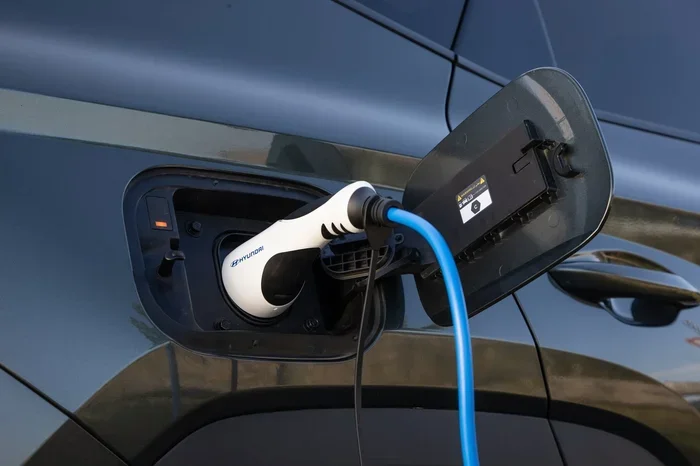
A plug-in hybrid (PHEV) has a larger battery and a charging port. You plug it into an external power source to recharge. This can be a home charging station, a public charging station, or even a standard wall outlet.
Plug-in hybrids can travel 20 to 60 miles on electric power alone, depending on the model. Once the battery is depleted, the gas engine takes over just like a regular hybrid. But the key advantage is that you can drive short trips using only electricity if you charge regularly.
If you want maximum fuel efficiency and electric-only driving, a plug-in hybrid is the way to go. But yes, it does need a charger. Without regular plug-in charging, you are essentially driving a regular hybrid with extra weight from a larger battery.
Self-Charging Hybrid Explained
A self-charging hybrid does not have a charging port. You cannot plug it in. Instead, it relies entirely on regenerative braking and the gas engine to maintain the battery charge. These cars are sometimes called “full hybrids” or “conventional hybrids.”
The Toyota Prius is one of the most famous examples of a self-charging hybrid. It has been on the road for years and has proven that you do not need to plug in a hybrid to get great fuel efficiency. The car takes care of charging itself as you drive.
Self-charging hybrids are convenient because you never have to worry about finding a charger. You just drive and fill up with gas, just like a regular car. The battery stays topped off through normal driving and braking.
Which One Is Right for You?
Choosing between a plug-in hybrid and a self-charging hybrid depends on your lifestyle. Here are some quick factors to consider:
- Daily commute distance: If your commute is under 30 miles, a plug-in hybrid could cover it entirely on electric power.
- Charging access: Do you have a garage or driveway where you can install a home charger? If not, a self-charging hybrid makes more sense.
- Driving habits: If you do a lot of stop-and-go city driving, regenerative braking will keep your battery healthier.
- Budget: Plug-in hybrids cost more upfront but can save more on fuel over time if you charge regularly.
- Environmental goals: If you want to minimize gas use, a plug-in hybrid charged daily will use far less fuel.
Can You Plug a Hybrid Into a Charging Station?
If you own a plug-in hybrid, the answer is yes. You can and should plug it in. But what about regular self-charging hybrids? Can you plug them in too? The answer is no. Self-charging hybrids do not have a port for external charging.
Level 1 and Level 2 Charging
Plug-in hybrids support two main types of home charging. Level 1 charging uses a standard 120-volt household outlet. It is slow, adding about 3 to 5 miles of range per hour. Level 2 charging uses a 240-volt outlet, similar to what a clothes dryer uses. This is much faster and can fully charge a plug-in hybrid battery in 2 to 4 hours.
Most plug-in hybrid owners install a Level 2 charger in their garage. This makes overnight charging easy and convenient. You wake up every morning with a full battery and maximum electric range.
Public Charging for Plug-In Hybrids
Public charging stations are another option. Many shopping centers, workplaces, and parking garages now offer Level 2 chargers. Some even have fast DC chargers, though plug-in hybrids usually cannot use them at full speed.
Using public charging is a great way to top up during the day. Even a 30-minute charge at a public station can add enough range for your evening commute. It is worth checking what charging options are available in your area.
Common Myths About Hybrid Charging
There are many misconceptions about how hybrids charge. Let us clear up some of the most common ones so you have accurate information.
Myth: Hybrids Charge Themselves Fully While Driving
This is probably the biggest myth. People believe that if you just keep driving, the battery will stay at 100%. In reality, self-charging hybrids only maintain a partial charge. The battery level might fluctuate between 40% and 60% during normal driving. It never fully charges on its own through driving alone.
The battery stays within a specific range to preserve its lifespan. Fully charging and depleting the battery repeatedly can shorten its life. So the car’s computer keeps things balanced. This is good for longevity but means you cannot rely on driving alone for a full charge.
Myth: You Never Need to Plug In a Hybrid
This is only true for self-charging hybrids. If you buy a plug-in hybrid, you really should plug it in. Driving a plug-in hybrid without ever charging it is like carrying extra weight everywhere. You get worse fuel efficiency than a regular hybrid because the heavy battery is always there but never used.
Some people buy plug-in hybrids and never plug them in. They treat them like regular hybrids. While the car still works, you are not getting the full benefit of the electric motor. You are essentially paying more for a car and not using its best feature.
Myth: Regenerative Braking Replaces Traditional Brakes
Regenerative braking does a lot of the work, but it does not replace your actual brake pads and rotors. You still need regular brake maintenance. The regenerative system handles most of the slowing down, but emergency stops and low-speed parking maneuvers still use the physical brakes.
Tips to Maximize Hybrid Battery Life
Want to get the most out of your hybrid battery? Your driving habits and maintenance routine make a big difference. Here are some practical tips to help your hybrid powertrain stay healthy and efficient.
Driving Habits That Help
- Coast instead of braking hard: Gentle deceleration captures more energy through regenerative braking.
- Avoid aggressive acceleration: Heavy throttle uses more battery power and reduces recovery opportunities.
- Use EV mode when possible: Many hybrids let you drive on electric power alone in low-speed situations.
- Plan your routes: Stop-and-go traffic actually helps self-charging hybrids recover more energy.
- Keep a steady speed: Cruising at a consistent speed reduces the workload on both the engine and battery.
Maintenance Tips
- Follow the service schedule: Regular check-ups ensure the hybrid battery and cooling system work properly.
- Check the battery coolant: Hybrid batteries need proper thermal management. Low coolant can reduce performance.
- Keep tires properly inflated: Under-inflated tires increase rolling resistance and reduce fuel efficiency.
- Avoid fully depleting the battery: Try not to let the charge drop below the recommended minimum level.
- Store properly in extreme temperatures: Very hot or very cold conditions can affect battery health over time.
Quick Tips for Better Fuel Economy
Want to squeeze every mile out of your hybrid? Try these simple tips. They work for both self-charging and plug-in hybrids. First, keep your speed under 65 mph on highways. Aerodynamic drag increases significantly above that speed. Second, reduce excess weight in your trunk. Every extra pound makes the motor work harder. Third, use cruise control on long highway stretches. It helps maintain a steady speed and improves efficiency.
Fourth, pre-condition your car in extreme weather. If it is very hot or cold, use climate control while the car is still plugged in (for plug-in hybrids). This saves battery power for driving. Fifth, check your tire pressure monthly. Properly inflated tires reduce friction and improve fuel efficiency. These small habits add up to big savings over time.
The Future of Hybrid Charging Technology
Hybrid technology is evolving fast. Car manufacturers are always looking for better ways to charge batteries while driving. Some newer models use advanced regenerative braking systems that recover even more energy. Others are experimenting with solar panels on the roof to provide a small trickle charge.
Wireless charging is also on the horizon. Imagine parking your hybrid over a charging pad in your garage and having it charge automatically. No cables, no plugs, no hassle. Several automakers are already testing this technology in prototype vehicles.
Solid-state batteries are another exciting development. They promise higher energy density, faster charging, and longer lifespan. When these batteries become mainstream, hybrid and electric vehicles will see a huge leap in performance and range.
The hybrid vehicle market is growing rapidly. More drivers are choosing hybrids every year because of rising fuel costs and environmental concerns. As charging technology improves, hybrids will become even more practical and appealing to a wider audience.
Common Mistakes People Make With Hybrid Charging
Even experienced hybrid drivers sometimes make mistakes that reduce battery life or fuel efficiency. Here are some common errors to avoid.
- Ignoring the charging port: Plug-in hybrid owners sometimes forget to plug in. This wastes the electric-only capability.
- Overcharging the battery: Leaving a plug-in hybrid connected for days on end can stress the battery. Unplug it once fully charged.
- Using fast charging too often: Frequent DC fast charging can degrade the battery faster over time. Use it for emergencies, not daily charging.
- Neglecting battery health checks: Regular diagnostics can catch issues early before they become expensive repairs.
- Driving aggressively: Hard acceleration and hard braking waste energy and reduce the effectiveness of regenerative braking.
Expert Insights on Hybrid Battery Charging
Automotive experts agree that understanding your hybrid’s charging system is key to getting the most out of it. According to hybrid engineers, the hybrid battery is designed to last the lifetime of the vehicle in most cases. Modern hybrid batteries are built with advanced materials and sophisticated management systems.
Many experts recommend treating your hybrid battery like any other component of the car. It needs care, attention, and occasional maintenance. The battery management system handles most of the work automatically, but you still play a role through your driving habits.
One common tip from industry professionals is to drive your hybrid regularly. Batteries that sit unused for long periods can lose capacity. If you own a hybrid and only drive it occasionally, try to take it on a longer drive at least once a week. This keeps the battery cells balanced and healthy.
Another expert recommendation is to familiarize yourself with your specific model’s charging behavior. Every hybrid is slightly different. The owner’s manual provides valuable information about optimal charging practices and battery maintenance for your particular vehicle.
Key Takeaways
- Self-charging hybrids recharge while driving: They use regenerative braking and the gas engine to top up the battery.
- Plug-in hybrids need a charger: They have larger batteries that require external charging for full capacity.
- Regenerative braking is the key technology: It captures energy during deceleration and sends it back to the hybrid battery.
- You cannot fully rely on driving alone: Even self-charging hybrids need occasional plug-in charging for optimal performance.
- Driving habits matter: Gentle acceleration and braking improve fuel efficiency and battery recovery.
- Mild hybrids are different: They assist the gas engine but cannot drive on electric power alone.
- Maintenance keeps things running: Regular check-ups ensure your hybrid powertrain stays in top shape.
Conclusion
So, does a hybrid recharge while driving? Yes, it does, but only partially. Self-charging hybrids use regenerative braking and the gas engine to maintain battery charge during normal driving. They do not need a charger and can run on gas and electric power seamlessly. Plug-in hybrids, on the other hand, need an external charger to unlock their full potential.
Understanding the difference between these two types of hybrids is essential. It helps you make the right buying decision and get the best results from your vehicle. Whether you choose a self-charging hybrid or a plug-in model, proper care and smart driving habits will keep your hybrid battery healthy for years to come.
The world of hybrid vehicles is evolving quickly. New technologies make charging more efficient and driving more economical. If you are considering a hybrid, now is a great time to explore your options. Just remember, does a hybrid recharge while driving? Yes, it does, but knowing how and when to plug in makes all the difference.
Take the time to learn about your specific model. Read the owner’s manual, talk to your dealer, and experiment with different driving modes. The more you understand your hybrid, the more you will enjoy driving it. And that is really what it is all about.
Frequently Asked Questions
Can a hybrid drive on battery alone?
Yes, most hybrids can drive short distances on battery power alone, usually one to two miles for self-charging hybrids. Plug-in hybrids can go much farther, sometimes up to 60 miles, depending on the model and battery size.
How long does a hybrid battery last?
Most hybrid batteries last between 100,000 and 200,000 miles. With proper maintenance and good driving habits, some batteries last even longer. The battery management system helps protect the cells from premature wear.
Do I need to plug in a self-charging hybrid?
No, self-charging hybrids do not have a charging port. They recharge themselves through regenerative braking and the gas engine. You simply fill up with gas and drive, just like a conventional car.
How long does it take to charge a plug-in hybrid?
Charging time depends on the battery size and charger type. A Level 1 charger using a standard outlet can take 4 to 8 hours for a partial charge. A Level 2 home charger typically fully charges a plug-in hybrid in 2 to 4 hours.
Is regenerative braking safe?
Yes, regenerative braking is completely safe. It is a well-tested technology used in millions of hybrids worldwide. The system seamlessly blends with traditional brakes to provide smooth and reliable stopping power.
Can cold weather affect hybrid battery performance?
Yes, extreme cold can reduce battery efficiency temporarily. The battery may hold less charge and the electric-only range may shrink in winter. However, the battery returns to normal performance once it warms up through regular driving.