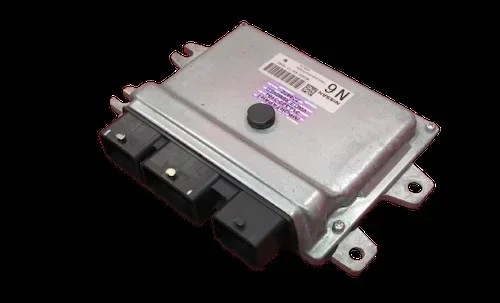
Can I Reprogram My ECM Myself Without Professional Help
Yes, you can reprogram your ECM yourself with the right tools and a little patience. This guide covers the entire process, from choosing an OBD-II scanner to safely flashing your car’s computer. I’ll also highlight the risks, costs, and moments when a pro is the smarter choice.
If you’ve ever wondered, “Can I reprogram my ECM myself?” you’re in good company. Car owners are increasingly curious about taking control of their vehicle’s brain. The engine control module, or ECM, runs everything from fuel injection to spark timing. Reprogramming it can unlock better performance, fix stubborn issues, or simply reset a check engine light.
The idea of doing it yourself might feel intimidating. You might picture expensive dealer tools and years of training. But the truth is, many drivers successfully reprogram their ECM at home with basic gear and a steady hand. This guide walks you through exactly what’s involved, what you need, and when it’s wise to call a professional.
Whether you want to improve fuel economy, clear a fault code, or install a performance tune, you’ll find practical steps here. I’ll share real examples, quick tips, and common pitfalls so you can decide if DIY reprogramming is right for your car and your comfort level.
Key Takeaways
- DIY reprogramming is possible: With an OBD-II tool and the correct software, you can reflash your engine control module at home.
- You’ll need the right tools: A compatible OBD-II scanner, a laptop, and the manufacturer’s software or a trusted aftermarket tune are essential.
- Risks exist: A failed flash can brick your ECM, void your warranty, or cause illegal emissions violations.
- Professional help is safer for complex changes: Custom tunes, hybrid vehicles, and drivability issues often require a specialist.
- Cost savings are real: DIY reprogramming can save you hundreds of dollars compared to dealer or shop rates.
- Always back up your factory settings: Save the original ECU file before making any changes so you can restore it if needed.
📑 Table of Contents
- What Does an ECM Do, and Why Would You Reprogram It?
- Can You Reprogram Your ECM Yourself?
- DIY vs Professional ECM Reprogramming: Which Is Right for You?
- Common Mistakes When Reprogramming Your ECM Yourself
- Expert Insights: When to Call a Professional
- Final Verdict: Should You Try to Reprogram Your ECM Yourself?
What Does an ECM Do, and Why Would You Reprogram It?
Your ECM is the main computer that manages your engine. It reads data from sensors and adjusts the air-fuel mix, idle speed, and ignition timing. Think of it as the brain that keeps your car running smoothly. Over time, you might need to update its software or change its settings.
There are several reasons to reprogram your ECM. A software update from the manufacturer can fix a known bug. A custom tune can improve throttle response or fuel mileage. Sometimes a reflash clears persistent diagnostic trouble codes that a simple scan can’t fix. Understanding these goals helps you choose the right approach.
Common Reasons to Reprogram Your ECM
- Factory software updates: Manufacturers release patches that improve engine performance or fix emissions issues.
- Check engine light reset: After repairing a problem, a reflash can clear the light and restore normal operation.
- Performance tuning: Aftermarket tunes adjust ignition timing and fuel curves for more power.
- Emissions compliance: Reprogramming can adapt the engine to different fuel grades or altitudes.
- Module replacement: A new ECM must be programmed to match your specific vehicle configuration.
Before you dive in, it’s important to know that reprogramming your ECM changes how your engine runs. Always research your specific make and model first.
Can You Reprogram Your ECM Yourself?
The short answer is yes. With the right hardware and software, you can connect to your car’s OBD-II port and flash the ECM yourself. But “yes” comes with big caveats. You need compatible tools, a clear procedure, and a backup plan if something goes wrong.
Many modern vehicles use an engine control unit (ECU) that’s accessible through the OBD-II diagnostic port. You’ll need a scan tool that supports programming, not just reading codes. Some brands like Honda, Toyota, and Ford offer free or paid software that lets you update the ECU firmware directly.
Tools You’ll Need to Reprogram Your ECM
- OBD-II scan tool with programming capability: Look for models that support ECU reflash, such as the Autel MaxiSys or Launch X431.
- A laptop with the correct software: Some manufacturers require a Windows laptop and a specific interface cable.
- Vehicle-specific wiring diagrams: You’ll need to know which pins carry data for your ECM.
- A stable power source: Use a battery maintainer to prevent voltage drops during the flash.
- The original ECU file: Always save a backup copy before you change anything.
Step-by-Step Process to Reprogram Your ECM
- Locate the OBD-II port: It’s usually under the dashboard on the driver’s side. Plug in your scan tool.
- Turn the ignition to the ON position: Do not start the engine. The tool must communicate with the ECM.
- Read and save the current ECU data: Use your tool to back up the existing software. This is your safety net.
- Download the correct update file: Visit the manufacturer’s website or a trusted tuning platform. Verify the file matches your vehicle’s year, model, and engine code.
- Begin the flashing process: Follow the tool’s on-screen instructions. The tool will erase the old software and write the new one.
- Wait for the process to complete: Do not turn off the ignition or disconnect the tool. A full cycle can take 15 to 30 minutes.
- Clear any codes and test drive: After the flash, clear the diagnostic trouble codes and take a short drive to let the ECM relearn.
This process works for many vehicles, but some manufacturers lock the programming port. In those cases, you may need a dealer-level tool or a visit to a shop that specializes in ECU programming.
DIY vs Professional ECM Reprogramming: Which Is Right for You?
Deciding between doing it yourself and hiring a pro depends on your goals, budget, and mechanical skill. Both paths have clear advantages. A comparison table can help you weigh them.
| Factor | DIY Reprogramming | Professional Reprogramming |
|---|---|---|
| Cost | Tool rental or purchase ($100–$500) | Shop labor and software ($150–$500+) |
| Time | 1–3 hours for research and execution | 30 minutes to 1 hour at the shop |
| Skill Required | Basic computer and car knowledge | None; the shop handles everything |
| Risk of Error | Higher if you follow steps incorrectly | Low; trained technicians use calibrated tools |
| Custom Tuning | Available with aftermarket tools | Access to advanced dyno tuning and validation |
| Warranty Impact | May void manufacturer warranty | Shop can often keep warranty intact if done correctly |
If you’re comfortable with a laptop and a scan tool, DIY can save you money and teach you valuable skills. But if your car is under warranty or you want a custom performance tune, a professional shop offers peace of mind. Many drivers start with simple updates like a factory software flash and then move to more advanced tuning as they gain confidence.
Common Mistakes When Reprogramming Your ECM Yourself
Even with the best tools, mistakes happen. Knowing the most common errors can save you time, money, and a lot of frustration.
Rushing the Process
Never start a reprogramming session when you’re in a hurry. A power loss during a flash can permanently damage the ECM. I always recommend setting aside a quiet afternoon with no distractions. Make sure your battery is fully charged and connected to a maintainer.
Using the Wrong Software
Software is not universal. A tune meant for a 2018 V6 engine will not work on a 2020 four-cylinder. Always double-check the part number, VIN, and software version. Using the wrong file can cause the engine to run poorly or not start at all.
Skipping the Backup
One of the biggest mistakes is forgetting to save the original ECU file. If the new tune causes drivability issues, you’ll need that backup to restore factory settings. I keep a copy on a USB drive and in my email, just in case.
Ignoring Warning Signs
If your check engine light is flashing or your car is running rough, do not attempt a reprogramming until you diagnose the root cause. A reflash won’t fix a mechanical problem like a vacuum leak or a failing sensor.
Expert Insights: When to Call a Professional
There are times when I strongly recommend leaving ECM reprogramming to the pros. These situations involve risk, specialized equipment, or legal considerations.
Warranty and Legal Concerns
If your car is still under the manufacturer’s powertrain warranty, a DIY flash can void coverage on the ECM and related components. Dealers use secure servers to apply updates that keep the warranty intact. Additionally, some states have strict emissions laws. An unapproved tune can cause your vehicle to fail an inspection.
Complex Vehicle Systems
Hybrid and electric vehicles have multiple control modules that communicate with each other. Reprogramming one without the others can cause system conflicts. Luxury brands and European cars often require proprietary software that isn’t available to the public. In these cases, a specialist with the right tools is your best bet.
When You Need a Custom Tune
If you’re installing aftermarket parts like a cold air intake, exhaust, or turbo, a custom tune is essential. A professional tuner can run your car on a dyno, measure real-time data, and adjust the fuel and ignition maps safely. This level of precision is hard to achieve with a generic DIY tune.
As an expert tip, always ask the shop if they offer a dyno tune with a warranty. Many reputable tuners guarantee their work and will reflash for free if you experience any issues.
Final Verdict: Should You Try to Reprogram Your ECM Yourself?
After reading this guide, you should have a clear picture of what’s involved. Reprogramming your ECM yourself is entirely possible for simple updates and basic tunes. It can save you money and give you a deeper understanding of your vehicle. But it’s not without risk. A single mistake can leave you stranded or facing an expensive repair.
If you’re a curious DIYer with a solid scan tool and a willingness to follow instructions carefully, start with a straightforward factory software update. Practice on a vehicle that’s out of warranty. Build your skills and confidence before attempting anything more complex. For major performance changes or if your car is still covered, a professional is the safer route.
Ultimately, the decision is yours. Weigh the cost savings against the potential risks. With the right preparation, you can successfully reprogram your ECM and enjoy the satisfaction of a job well done.
Frequently Asked Questions
Can I reprogram my ECM with a basic OBD-II scanner?
A basic OBD-II scanner can read and clear codes, but it usually cannot flash the ECM. You need a tool specifically rated for programming, such as a bi-directional scan tool or a manufacturer-approved interface. Check your scanner’s specs before you start.
Will reprogramming my ECM void my car’s warranty?
It can. If your vehicle is still under the manufacturer’s powertrain warranty, any unauthorized ECU reflash may void coverage on the ECM and related parts. Some dealers will apply updates for free and keep the warranty intact. Always check your warranty terms first.
What happens if the reprogramming process is interrupted?
A power loss during a flash can corrupt the ECM software, leaving the module inoperable. This is called “bricking” the ECM. You may need to tow the vehicle to a shop for a recovery or a full ECM replacement. Always use a battery maintainer to prevent this.
Is it legal to reprogram my ECM for performance gains?
In many places, yes, but it can affect emissions compliance. Modified ECM tunes may cause your vehicle to fail an inspection or violate local laws. Always check your state or country’s regulations before installing a custom performance tune.
How much does it cost to reprogram an ECM professionally?
Professional ECM reprogramming typically costs between $150 and $500, depending on the shop and the complexity of the update. A simple software update may cost less, while a custom dyno tune can run higher. DIY costs are mainly the tool rental or purchase.
Can I revert to factory settings after reprogramming?
Yes, if you saved the original ECU file before the flash. You can use your programming tool to reload the backup and restore factory settings. This is why backing up the original software is a critical first step.