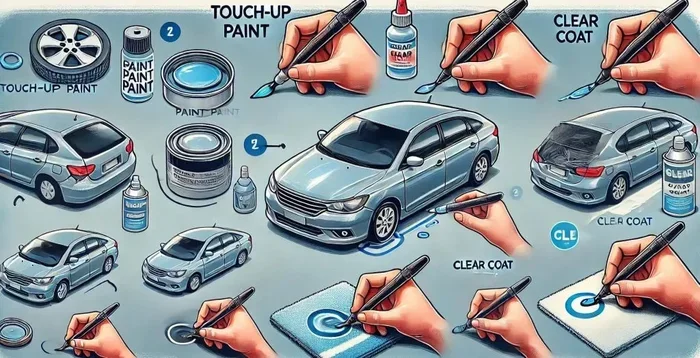
Do You Need Clear Coat Over Touch-Up Paint – Full Guide
Do you need clear coat over touch-up paint? The short answer is yes, in most cases. Clear coat protects your touch-up paint from UV rays, road debris, and moisture. Without it, your repair can fade, peel, or rust within months. This guide covers every scenario so you know exactly what to do.
You just spotted a fresh chip on your car door. Maybe a pebble kicked up from a truck ahead of you, or maybe your kid’s bike swung a little too close in the garage. Either way, you grabbed your touch-up paint pen, filled the spot, and felt that small win of fixing it yourself.
But then a question hits you. Do you need clear coat over touch-up paint? It seems like one of those details that everyone assumes you already know. Some people say yes. Some say no. The truth is, it depends on a few things that this guide will walk you through step by step.
In this article, we will cover everything you need to know about clear coat over touch-up paint. You will learn when clear coat is essential, when you can skip it, and exactly how to apply it for a result that looks professional. We will also cover common mistakes, real-world examples, and practical tips that save you time and money.
Key Takeaways
- Clear coat shields touch-up paint: It locks in color and prevents fading, peeling, and rust.
- Not every repair needs it: Deep chips that reach bare metal always require clear coat for protection.
- Application matters: Wet-sanding and proper drying make the difference between a perfect blend and a visible blob.
- Spray cans work great: You do not need professional equipment to apply clear coat at home.
- Timing is critical: Let touch-up paint dry fully before adding clear coat, usually 24 to 48 hours.
- Common mistakes ruin repairs: Skipping primer, applying too thick, or not wet-sanding leads to poor results.
- Clear coat lasts years: A proper application can protect your touch-up for five or more years.
📑 Table of Contents
- What Is Clear Coat and Why Does It Matter?
- When You Need Clear Coat Over Touch-Up Paint
- When You Can Skip the Clear Coat
- How to Apply Clear Coat Over Touch-Up Paint
- Common Mistakes to Avoid
- How Long Does Clear Coat Last Over Touch-Up Paint?
- Clear Coat vs. No Clear Coat: A Side-by-Side Comparison
- Expert Insights on Clear Coat Over Touch-Up Paint
- Frequently Asked Questions About Clear Coat and Touch-Up Paint
- Final Thoughts on Clear Coat Over Touch-Up Paint
What Is Clear Coat and Why Does It Matter?
Before we answer the big question, let us talk about what clear coat actually is. Most modern cars come from the factory with multiple layers of paint. The bottom layer is primer. Above that sits the base coat, which gives your car its color. The very top layer is the clear coat. It is a transparent, protective shell that sits on top of everything else.
The clear coat does several important jobs:
- UV protection: It blocks harmful sun rays that fade your paint over time.
- Chemical resistance: It shields against bird droppings, tree sap, road salt, and bug splatter.
- Scratch defense: It absorbs minor impacts and prevents them from reaching the color layer.
- Gloss and depth: It gives your paint that rich, wet-looking shine that makes a car look showroom fresh.
Without clear coat, your base coat color sits bare and vulnerable. Think of it like sunscreen for your car’s paint. You would not skip sunscreen on a sunny day, right? The same logic applies here.
How Automotive Paint Layers Work Together
Understanding the layers helps you see why clear coat over touch-up paint matters so much. When a factory paint job is done, each layer is applied in a controlled environment with precise temperatures and humidity levels. The result is a durable, long-lasting finish that can last the life of the vehicle.
When you do a touch-up repair at home, you are usually only replacing the base coat and primer. The clear coat layer is missing unless you add it yourself. That missing layer leaves your repair exposed and at risk of damage much faster than the surrounding paint.
When You Need Clear Coat Over Touch-Up Paint
Not every scratch or chip requires clear coat. But there are specific situations where adding clear coat is not optional, it is necessary. Let us break them down.
Deep Chips That Reach Bare Metal
If the damage goes all the way through the paint and exposes bare metal, you absolutely need clear coat. Bare metal reacts with moisture in the air and starts to oxidize. Within days, you will see rust forming. Rust spreads fast and can cause serious structural damage to your car over time.
In this case, clear coat over touch-up paint acts as a sealed barrier. It locks out moisture and prevents the oxidation process from starting. Even if your touch-up paint matches the color perfectly, it will not protect metal on its own.
Repairs on Areas Exposed to the Elements
Some parts of your car take more abuse than others. The hood, front bumper, roof, and fenders are constantly bombarded by UV rays, rain, gravel, and temperature changes. If your touch-up repair is on any of these areas, clear coat is a must.
Think about the front bumper. Every time you drive, it takes hits from tiny rocks and sand. Without clear coat, your touch-up paint will chip away within weeks. The clear coat absorbs those micro-impacts and keeps your repair intact.
Color Match and Gloss Consistency
Another reason to use clear coat is appearance. Touch-up paint alone often looks flat and dull compared to the surrounding factory paint. The clear coat adds that glossy finish and helps the color match look more natural.
When you apply clear coat over touch-up paint, the color gains depth. It starts to look like it belongs there instead of standing out as a obvious patch. This is especially important on darker colors like black, deep blue, and red, where the difference between painted and unpainted areas is very noticeable.
Insurance and Resale Considerations
If you ever plan to sell your car or file a paint-related insurance claim, having a proper repair with clear coat matters. Insurance adjusters and buyers notice when touch-up paint looks unfinished. A repair with clear coat shows that the work was done thoroughly and will hold up over time.
When You Can Skip the Clear Coat
Now for the good news. There are situations where you can safely skip clear coat and still have a solid repair. Knowing when to do this saves you time and effort.
Surface-Level Scratches That Do Not Reach Base Paint
If the scratch only removes the clear coat layer and does not reach the color or primer, you do not need to apply touch-up paint or clear coat at all. In these cases, a scratch repair pen or polishing compound does the trick. You are not adding anything new, so there is nothing to seal with clear coat.
Interior Panels and Hidden Areas
Repairs on interior parts like door panels, dashboard edges, or undercarriage components often do not need clear coat. These areas are not exposed to UV rays, road debris, or harsh weather. The touch-up paint alone can hold up well in these protected spots.
Temporary Fixes for Showroom Visits
If you need a quick cosmetic fix before selling your car or showing it at an event, touch-up paint alone might be enough for a short-term solution. Just know that it will not last as long without clear coat protection. This is a band-aid, not a permanent repair.
How to Apply Clear Coat Over Touch-Up Paint
Applying clear coat over touch-up paint is not difficult, but doing it correctly makes all the difference. Follow these steps for a smooth, professional-looking result.
Step 1: Prep the Area
Start by cleaning the repaired area with a mild automotive soap and water. Remove any dirt, wax, or grease. Once clean, let it dry completely. Next, use a fine-grit sandpaper, around 2000 to 3000 grit, to gently scuff the edges of the touch-up paint. This helps the clear coat adhere properly.
Step 2: Apply the Primer (If Needed)
If your touch-up repair reached bare metal, apply a thin layer of primer first. Let it dry according to the product instructions, usually about 30 minutes. The primer creates a solid foundation for both the touch-up paint and the clear coat.
Step 3: Apply the Touch-Up Paint
Apply the touch-up paint in thin, even coats. Do not glob it on. Two to three thin layers work better than one thick one. Let each layer dry for 15 to 30 minutes before adding the next. The paint should be flush with or slightly below the surrounding surface.
Step 4: Let the Touch-Up Paint Cure
This is where many people rush and make a mistake. Let the touch-up paint cure for at least 24 hours before applying clear coat. Some products recommend 48 hours. Patience here pays off. Applying clear coat too soon traps moisture underneath and leads to peeling or cloudiness.
Step 5: Apply the Clear Coat
Use a spray can of automotive clear coat for the best results. Hold the can about 10 to 12 inches from the surface. Apply 3 to 4 thin, even coats, waiting 10 to 15 minutes between each coat. Do not spray too close or too thick, or you will get drips and an uneven finish.
Step 6: Let It Cure and Polish
Let the clear coat cure for at least 48 hours before driving the car. After full curing, use a polishing compound to blend the edges of the repair into the surrounding paint. A microfiber cloth and a small amount of polish work great for this final step.
Quick Tip: On a warm, dry day with low humidity, your clear coat will cure faster and more evenly. Avoid applying clear coat in direct sunlight or on very humid days.
Common Mistakes to Avoid
Even with the best intentions, it is easy to make mistakes when applying clear coat over touch-up paint. Here are the most common ones and how to avoid them.
Skipping Wet-Sanding
Wet-sanding between coats smooths out imperfections and creates a surface that bonds well with the next layer. Skipping this step often leads to a rough, uneven finish that stands out more than the original chip did.
Applying Too Thick
Thick clear coat looks cloudy and takes forever to dry properly. Thin, even coats always produce better results. It is better to add a third or fourth thin coat than to try to fix one thick, gloopy coat.
Not Letting Paint Fully Cure
Touch-up paint needs time to cure before clear coat goes on top. Applying clear coat too soon traps solvents underneath, which causes bubbling, peeling, and a cloudy appearance. Always wait the full recommended drying time.
Using the Wrong Clear Coat Product
Not all clear coat products are created equal. Using a generic spray clear coat instead of one designed for automotive use can lead to poor adhesion, yellowing, and a finish that does not last. Always choose a product made specifically for car paint repairs.
Ignoring Color Match
Clear coat does not change the color of your touch-up paint, but it does change how it looks. A poor color match will look even worse under a glossy clear coat because the shine highlights every imperfection. Make sure your touch-up paint color matches well before adding clear coat.
How Long Does Clear Coat Last Over Touch-Up Paint?
A properly applied clear coat over touch-up paint can last anywhere from three to seven years, depending on several factors. The quality of the products you use plays a big role. Premium automotive clear coats tend to outlast budget options by a wide margin.
Where you live also matters. Cars parked outdoors in sunny, salty, or harsh climates will see more wear on the clear coat than those kept in a garage. Regular washing and occasional waxing help extend the life of the clear coat significantly.
The size of the repair matters too. A small chip with a properly applied clear coat can easily last five years or more. A large repair covering a whole panel may show wear sooner, simply because there is more surface area exposed to the elements.
One thing to keep in mind is that clear coat over touch-up paint will not look exactly like factory paint forever. Over many years, the clear coat on your entire car naturally dulls and may develop fine swirl marks. Your touch-up repair will age similarly, which is completely normal.
Tips to Extend the Life of Your Clear Coat Repair
- Wash your car regularly: Use a gentle automotive soap and a soft microfiber mitt.
- Apply car wax every few months: Wax adds an extra layer of UV and chemical protection.
- Park in the shade when possible: Less direct sun exposure means slower clear coat degradation.
- Avoid automatic car washes with harsh brushes: Hand washing is always gentler on repairs.
- Touch up chips immediately: The longer a chip sits exposed, the more damage it can do before you seal it with clear coat.
Clear Coat vs. No Clear Coat: A Side-by-Side Comparison
| Factor | With Clear Coat | Without Clear Coat |
|---|---|---|
| UV Protection | Excellent | None |
| Rust Prevention | Strong barrier | Vulnerable |
| Gloss and Shine | Matches factory finish | Flat and dull |
| Durability | 3 to 7 years | Weeks to months |
| Scratch Resistance | Good | Poor |
| Color Depth | Rich and vibrant | Flat and faded |
| Overall Look | Professional | Obvious repair |
The comparison makes it clear that clear coat is almost always the better choice. The only real reason to skip it is for very minor, temporary, or interior repairs where appearance and durability do not matter much.
Expert Insights on Clear Coat Over Touch-Up Paint
Professional auto body painters agree on one thing: clear coat is the final step that turns a DIY repair from mediocre to excellent. According to experienced technicians, the biggest mistake car owners make is stopping after applying touch-up paint and calling it done.
One master body shop technician shared this insight: “Clear coat is what makes a repair invisible. Without it, you can almost always tell where the touch-up was. With it, the color blends, the gloss matches, and the protection lasts.”
Another common tip from professionals is to always use the same brand of clear coat as the touch-up paint when possible. This ensures the chemical composition matches and the layers bond properly. Mixing brands can sometimes cause adhesion problems or color shifts over time.
For those wondering about spray can versus professional spray gun application, the truth is that a quality spray can works perfectly fine for most small touch-up repairs. Professional guns offer more control for large areas, but for a typical chip or scratch, a spray can gives excellent results when applied correctly.
Frequently Asked Questions About Clear Coat and Touch-Up Paint
Let us address some of the most common questions people have about this topic.
Can I Apply Clear Coat Directly Over Touch-Up Paint Without Primer?
Yes, if the touch-up paint only filled a shallow chip that did not reach bare metal. In that case, the existing primer or the paint itself provides enough of a base. But if bare metal is exposed, primer is essential before applying clear coat. Skipping primer on exposed metal leads to rust and poor adhesion.
How Long Should I Wait Before Driving After Applying Clear Coat?
Wait at least 48 hours before driving your car after applying clear coat. The clear coat needs time to fully harden and cure. Driving too soon exposes it to dust, water, and minor impacts that can damage the wet finish. If you can park it in a garage for those two days, even better.
Does Clear Coat Yellow Over Time?
Yes, clear coat can yellow over time, especially on older cars or those exposed to heavy UV radiation. Modern clear coats are more resistant to yellowing than older formulations, but it is still a natural process. Applying a UV-protective wax or ceramic coating on top helps slow this down significantly.
Can I Use a Clear Coat Pen Instead of a Spray Can?
Clear coat pens work for very small, precise repairs. They are great for spot-treating a single chip. However, for larger areas or a more even finish, a spray can provides much better coverage and a smoother result. Pens are a good tool to have in your kit, but they are not a replacement for spray application on most repairs.
What Happens If I Do Not Apply Clear Coat and the Repair Gets Wet?
If moisture reaches bare metal or even the bare touch-up paint without clear coat, oxidation starts. This means rust. Rust spreads under the paint and can eventually bubble up the surrounding paint. What starts as a small chip can turn into a large rust problem that costs hundreds of dollars to fix. This is why clear coat is so important for any repair that reaches below the surface.
Is It Worth Paying a Professional for Clear Coat Application?
For small touch-up repairs, doing it yourself is absolutely worth it. The materials cost very little and the process is straightforward. However, if you are dealing with a large damaged area, multiple chips, or a repair on a high-visibility part of the car like the hood or front bumper, a professional might be worth the investment. They have spray equipment and controlled environments that produce flawless results.
Final Thoughts on Clear Coat Over Touch-Up Paint
So, do you need clear coat over touch-up paint? In the vast majority of cases, yes. Clear coat protects your repair from UV damage, moisture, rust, and everyday wear. It also makes the repair look better by adding gloss and blending the color with the surrounding paint.
The process is simple enough for anyone to do at home. Prep the area, apply thin coats, let everything cure properly, and finish with a polish. Avoid the common mistakes we covered, and your repair will look great for years.
Remember, a small chip today can become a big rust problem tomorrow if you do not seal it properly. Taking the extra step to apply clear coat over your touch-up paint is one of the best things you can do to protect your car and keep it looking its best. It takes a little time and costs very little, but the payoff in durability and appearance is enormous.
Now that you know the full story about clear coat over touch-up paint, you can make informed decisions about every repair your car needs. Grab your touch-up kit, grab a can of clear coat, and give your car the protection it deserves.