Why Car Stopped Running While Driving and Wont Start
When your car stopped running while driving and won’t start, it can be scary and frustrating. This guide covers the most common causes, from fuel system problems to ignition switch failures, and gives you practical steps to diagnose and fix the issue. Understanding these causes helps you stay safe and confident on the road.
Key Takeaways
- Fuel system failures are one of the top reasons a car stalls and won’t restart, often linked to a clogged fuel filter or failing fuel pump.
- Ignition switch problems can cut power to essential systems mid-drive, causing sudden shutdowns.
- Battery and alternator issues starve the engine of electrical power, leading to stalls and no-start conditions.
- Sensor malfunctions like crankshaft or camshaft position sensor failure can trick the engine computer into shutting down.
- Regular maintenance is the best defense against unexpected stalling and starting problems.
- Safety first always pull over safely and use hazard lights when your car stops while driving.
- Professional diagnosis is recommended when basic checks don’t reveal the problem, especially for modern vehicles with complex electronics.
📑 Table of Contents
- Why Car Stopped Running While Driving and Wont Start
- Common Causes When Your Car Stops Running and Won’t Start
- Electrical and Sensor Malfunctions That Cause Stalling
- Ignition System Failures and Spark Plug Problems
- Security and Immobilizer System Interference
- Overheating and Cooling System Failures
- What To Do When Your Car Stops While Driving
- Prevention and Maintenance Tips to Avoid Stalling
- Diagnosing the Problem: A Step-by-Step Approach
- When To See a Professional Mechanic
- Conclusion
Why Car Stopped Running While Driving and Wont Start
There is nothing quite as terrifying as your car dying right in the middle of traffic. One moment you are cruising along, and the next, the dashboard goes dark, the engine cuts out, and your car stops running completely. If you have experienced this nightmare, you are not alone. Thousands of drivers face the car stopped running while driving and won’t start problem every single year.
This situation is more than just an inconvenience. It puts you at risk of being hit by other vehicles, getting stranded in dangerous areas, or causing damage to your engine. The good news is that most causes are fixable. The bad news is that some can be expensive. This guide will walk you through every possible reason your car might stall and refuse to start again. We will also give you practical tips to stay safe and get back on the road.
Whether you are a new driver or a seasoned road warrior, understanding these causes can save you time, money, and stress. Let us break it all down in plain, simple language.
Common Causes When Your Car Stops Running and Won’t Start
When your car stopped running while driving and won’t start, the problem usually falls into one of a few major categories. Let us look at each one closely so you know what to check first.
Fuel System Problems
Your engine needs fuel to run. Period. If the fuel system fails, your car will stall and may not restart. This is one of the most common reasons drivers experience sudden shutdowns.
- Clogged fuel filter: Dirt and debris build up over time and block fuel from reaching the engine. A simple filter change can often fix this.
- Failing fuel pump: The fuel pump pushes gas from the tank to the engine. When it goes bad, you lose fuel pressure. The engine dies and won’t come back.
- Empty fuel tank: It sounds obvious, but many drivers run out of gas and then their car won’t start. Even a small amount of fuel can cause the pump to air-lock.
- Fuel injector issues: Dirty or damaged injectors cannot deliver the right amount of fuel. This leads to poor performance and eventual stalling.
Quick Tip: If you hear a whining sound from the fuel pump area when you turn the key to “on,” that is a sign the pump is struggling. A healthy fuel pump hums quietly.
Ignition Switch Failures
The ignition switch controls power to your car’s electrical systems and engine. When it fails, it can cut power without warning. This is a very dangerous situation, especially at highway speeds.
- Worn-out switch contacts: Over time, the internal contacts of the ignition switch wear down. They lose contact and cut power suddenly.
- Electrical shorts: Corroded wiring inside the switch can cause intermittent power loss.
- Key cylinder problems: A damaged key or worn cylinder can cause the switch to slip out of the “run” position while driving.
Many modern cars have had recalls related to ignition switch failures. If your car model is affected, check with the manufacturer for free repairs. This is a serious safety issue and should never be ignored.
Battery and Alternator Issues
Your car’s battery starts the engine, and the alternator keeps it charged while you drive. When either one fails, you are in trouble.
- Dead battery: A battery that is completely dead will not provide enough power to restart the engine. You might hear a clicking sound but no crank.
- Failing alternator: If your alternator stops working while driving, your battery drains fast. The car runs on battery power alone for a short time, then dies.
- Corroded battery terminals: Dirty or corroded connections prevent electricity from flowing properly. This can cause intermittent stalls.
- Loose serpentine belt: This belt drives the alternator. If it snaps or slips, the alternator stops charging, and your car loses power quickly.
Expert Insight: Many drivers do not realize their alternator is failing until it is too late. Watch your dashboard warning lights. A flickering battery light or a slow-dimming headlight often signals trouble before a full stall happens.
Electrical and Sensor Malfunctions That Cause Stalling
Modern cars are packed with sensors and electronic modules. These components talk to your car’s computer (called the ECU) to keep the engine running smoothly. When something goes wrong electronically, your car stopped running while driving and won’t start situation can happen very quickly.
Crankshaft and Camshaft Position Sensor Failure
These sensors tell the engine computer where the pistons and valves are. Without this information, the computer cannot fire the spark plugs at the right time. A failed sensor means the engine shuts down immediately.
- Crankshaft position sensor: Monitors the rotation speed and position of the crankshaft.
- Camshaft position sensor: Tracks the position of the camshaft for valve timing.
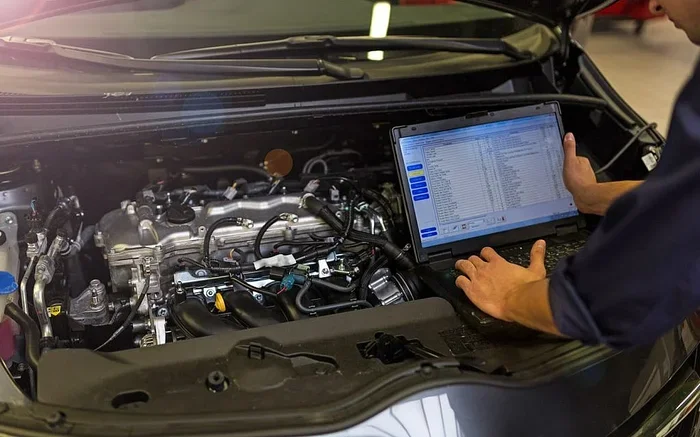
Both sensors are relatively inexpensive to replace. However, diagnosing which one is bad requires a diagnostic tool. A mechanic with an OBD-II scanner can read the error codes and pinpoint the issue fast.
Mass Airflow Sensor (MAF) Problems
The MAF sensor measures how much air enters the engine. It tells the computer how much fuel to inject. A dirty or faulty MAF sensor sends wrong data. The engine gets too much or too little fuel and stalls.
You can sometimes clean a MAF sensor with special cleaner spray. This works if the sensor is just dirty. But if it is electronically failed, you need a replacement.
Throttle Body Issues
The throttle body controls airflow into the engine. When it gets stuck open or closed, the engine receives the wrong air-fuel mixture. This causes rough idling, power loss, and sudden stalling.
- Stuck-open throttle: Causes the engine to race and then stall.
- Stuck-closed throttle: Cuts off air and kills the engine immediately.
- Carbon buildup: Gunk accumulates around the throttle plate and prevents smooth movement.
Cleaning the throttle body is a common fix. It is a straightforward job for most mechanics and sometimes even DIY-friendly for handy drivers.
Ignition System Failures and Spark Plug Problems
Spark plugs create the spark that ignites the fuel in each cylinder. Without proper spark, the engine cannot run. If multiple cylinders lose spark at once, the engine stalls instantly.
Worn or Fouled Spark Plugs
Spark plugs wear out over time. The gap between the electrodes grows larger, and the spark becomes weaker. Worn plugs cause misfires and poor performance. Eventually, the engine cannot sustain combustion and dies.
Most manufacturers recommend replacing spark plugs every 30,000 to 100,000 miles depending on the type. If you have not changed them in a long time, this should be one of your first checks.
Ignition Coil Failures
Each spark plug has an ignition coil that boosts the battery’s low voltage into the high voltage needed for a spark. When a coil fails, the corresponding cylinder misfires. If multiple coils fail, the engine shuts down.
Symptoms of bad ignition coils include:
- Rough engine idle
- Loss of power while accelerating
- Engine misfire codes on a diagnostic scan
- Sudden stalling at low speeds or stops
Quick Tip: You can test ignition coils with a multimeter, but a mechanic can often spot bad coils faster by looking for signs of cracking, burning, or corrosion on the coil casing.
Security and Immobilizer System Interference
Many modern vehicles have an immobilizer system. This is a security feature that prevents the engine from starting unless the correct key is recognized. Sometimes this system gets confused and thinks the wrong key is being used, even when it is your key.
How the Immobilizer Causes No-Start
When the immobilizer does not recognize your key, it blocks fuel injection and spark. The car cranks but will not start. This can happen randomly, especially if your key fob battery is low.
- Low key fob battery: A weak battery in your key fob means it cannot send the proper signal to the car’s computer. Replace the battery (usually a CR2032 coin battery) and try again.
- Signal interference: Metal objects, other electronic devices, or even other nearby cars with similar keys can interfere with the signal.
- Faulty transponder chip: The chip inside your key can become damaged. A replacement key from the dealer may be needed.
Expert Insight: If your dashboard shows a security light or a key symbol that stays on, the immobilizer system is likely involved. Try inserting the key into the ignition (even if you have push-button start) and turning it manually. Some cars have a backup mode that reads the key directly from the ignition cylinder.
Overheating and Cooling System Failures
Engines run hot. That is normal. But when the cooling system fails, the engine can overheat and shut down to protect itself. Some cars will not restart until they cool down.
Thermostat Failure
The thermostat controls coolant flow. A stuck-closed thermostat prevents coolant from reaching the radiator. The engine overheats quickly. You might see the temperature gauge rise rapidly before the engine stalls.
Water Pump and Coolant Leaks
Without enough coolant, the engine cannot cool properly. A leaking water pump, cracked hose, or damaged radiator can all cause low coolant levels. Always check your coolant reservoir under the hood.
Common signs of overheating include:
- Temperature gauge in the red zone
- Steam coming from under the hood
- Sweet-smelling liquid leaking from the vehicle
- Loss of power before the engine shuts off
Never open the radiator cap when the engine is hot. The pressurized coolant can cause severe burns. Wait at least 15 minutes for the engine to cool before checking anything.
What To Do When Your Car Stops While Driving
Knowing the causes is important, but knowing what to do in the moment is critical for your safety. Here is a step-by-step action plan when your car stopped running while driving and won’t start situation happens.
Step 1: Stay Calm and Pull Over Safely
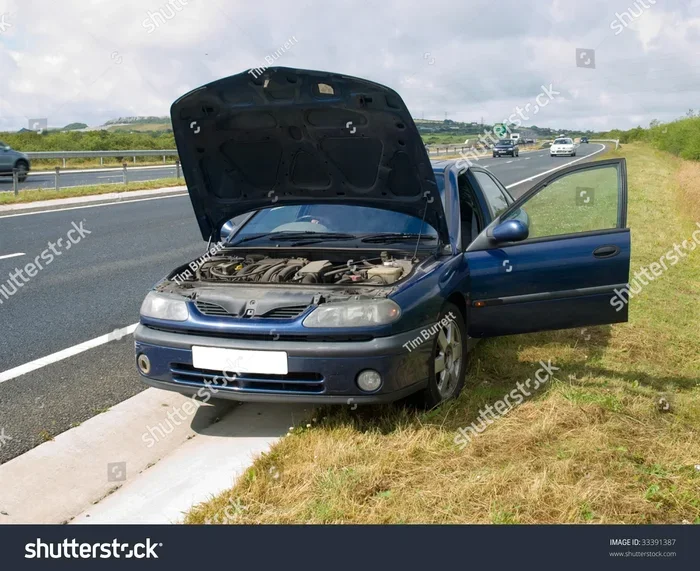
Do not panic. Hold the steering wheel firmly. Turn on your hazard lights immediately. Guide the car to the shoulder of the road or a safe parking area. Avoid stopping on curves or hills where other drivers might not see you.
Step 2: Try Restarting
Once safely stopped, try restarting the engine. Turn the key to “off,” wait a few seconds, then turn it back to “start.” If you have a push-button start, press the button firmly. Sometimes a simple restart clears a temporary electrical glitch.
Step 3: Check Dashboard Warning Lights
Look at your dashboard carefully. Warning lights tell a story:
- Battery light: Points to an alternator or charging system problem.
- Temperature gauge in the red: Signals overheating.
- Fuel pump light or empty fuel indicator: You are out of gas or have a fuel delivery issue.
- Security light: The immobilizer is blocking startup.
- Check engine light: A sensor or emission system issue may be involved.
Step 4: Call for Help if Needed
If you cannot restart the car, call roadside assistance or a trusted mechanic. Do not attempt to push-start a car with automatic transmission. It can damage the transmission. For manual transmission cars, a push-start might work but only if the problem is electrical and not mechanical.
Quick Tips:
- Keep a roadside emergency kit in your trunk at all times.
- Save your mechanic’s number in your phone for quick access.
- Have jumper cables or a portable jump starter with you.
- Know your car’s basic systems so you can explain the problem to a mechanic.
Prevention and Maintenance Tips to Avoid Stalling
The best way to deal with a car stopped running while driving and won’t start problem is to prevent it from happening in the first place. Regular maintenance goes a long way. Here is how to keep your car running strong.
Follow the Manufacturer’s Maintenance Schedule
Every car comes with a recommended maintenance schedule. This includes oil changes, filter replacements, fluid top-offs, and inspections. Sticking to this schedule catches small problems before they become big ones.
Keep Your Fuel System Clean
- Replace the fuel filter at every recommended interval (usually every 30,000 to 60,000 miles).
- Use high-quality fuel from reputable gas stations.
- Add a fuel system cleaner every few months to keep injectors and fuel passages clear.
- Never let your fuel tank drop below a quarter full. This stresses the fuel pump.
Watch Your Electrical System
Your battery, alternator, and starter form a triangle of power. Check your battery terminals for corrosion every few months. Look for a bulging or leaking battery case. Listen for unusual sounds from the alternator area. Catching problems early prevents sudden stalls.
Address Warning Signs Immediately
Your car talks to you through warning lights, sounds, and changes in performance. Do not ignore them. A rough idle today could become a stall tomorrow. A flickering headlight today could mean a dead alternator next week.
Keep Sensors and Spark Plugs in Good Shape
- Replace spark plugs on schedule.
- Clean or replace air filters regularly.
- Have your mechanic scan for error codes at least once a year, even if the check engine light is off.
- Pay attention to any new sounds, smells, or vibrations. They often point to sensor or ignition issues.
Expert Insight: I always tell my customers that prevention costs a fraction of repair. A $50 spark plug replacement is far better than a $1,500 tow and engine rebuild. Treat your car well, and it will treat you well in return.
Diagnosing the Problem: A Step-by-Step Approach
When your car will not start after stalling, a logical diagnosis saves time and money. Here is a systematic approach you or your mechanic can follow.
Step 1: Check the Battery
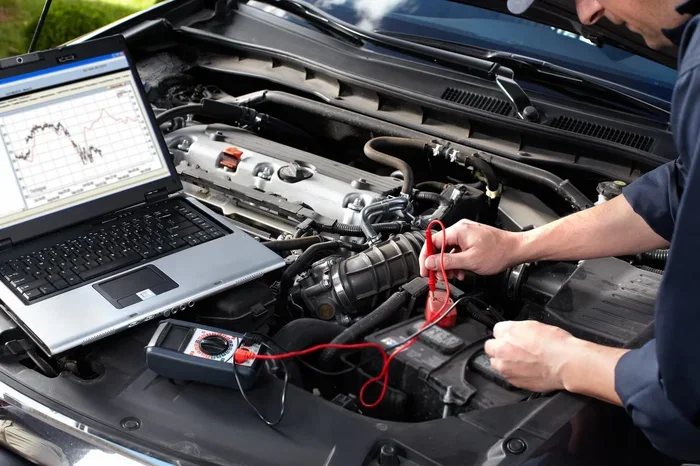
Use a multimeter to test battery voltage. A fully charged battery should read about 12.6 volts. If it reads below 12.0 volts, the battery is likely the problem. Check terminals for corrosion and tightness.
Step 2: Listen to the Starter
When you turn the key, do you hear a rapid clicking sound? That usually means the battery is weak but still has some charge. A single click with no crank often points to a bad starter or a dead battery. A grinding sound means the starter motor is failing.
Step 3: Scan for Error Codes
An OBD-II scanner plugs into a port under your dashboard (usually near the steering column). It reads error codes stored in the car’s computer. These codes narrow down the problem fast. Common codes related to stalling include P0300 (random misfire), P0335 (crankshaft sensor), and P0171 (lean fuel mixture).
Step 4: Check Fuel Delivery
Turn the key to “on” (do not start) and listen for the fuel pump hum. You should hear a brief buzzing sound from the rear of the car near the fuel tank. No sound means the fuel pump, fuse, or relay may be faulty. You can also place a screwdriver near the fuel injector port and crank the engine. A healthy engine will spray fuel onto the screwdriver tip.
Step 5: Inspect the Ignition System
Remove one spark plug at a time and inspect it. A fouled plug will have carbon buildup, oil residue, or a cracked insulator. If several plugs look bad, the issue is likely widespread. If only one is bad, the corresponding ignition coil may need replacement.
Common Mistakes To Avoid When Diagnosing:
- Do not replace parts one at a time without confirming they are bad. This wastes money and time.
- Do not ignore error codes. They are your best clue to the root cause.
- Do not assume the simplest answer is always correct. A dead battery can be caused by a failing alternator, not just an old battery.
- Do not skip the basics. Check the battery, fuel level, and spark plugs before diving into complex sensor diagnostics.
When To See a Professional Mechanic
Not every stalling problem is a DIY fix. Some situations call for professional help. Here is when you should take your car to a trusted mechanic.
- Multiple systems seem affected: If your electrical, fuel, and ignition systems all appear fine but the car still stalls, the problem may be deep in the engine management system. A professional diagnostic session is needed.
- Your car has complex electronics: Modern luxury and hybrid vehicles have highly integrated systems. DIY troubleshooting can be risky and may void warranties.
- You smell burning or see smoke: These signs indicate a serious issue. Do not keep driving. Tow the car to a mechanic immediately.
- The problem is intermittent: Sometimes the car stalls once and then runs fine for weeks. Intermittent issues are tricky to diagnose without professional tools and experience.
- You are not comfortable under the hood: There is no shame in this. Your safety matters more than saving a diagnostic fee.
Conclusion
Having your car stopped running while driving and won’t start is a stressful experience, but it does not have to be a disaster. Most causes are well understood and fixable. Fuel system problems, ignition switch failures, battery issues, sensor malfunctions, and overheating are the usual suspects. Knowing what to check and what to do in the moment keeps you safe and saves money.
Regular maintenance is your strongest defense. Follow your car’s service schedule, watch for warning signs, and never ignore unusual behavior. Keep a roadside kit handy and know when to call a professional.
The road can be unpredictable, but your preparation does not have to be. Stay informed, stay proactive, and you will always be ready if your car ever stalls on you. Your car relies on you to take care of it. Give it the attention it deserves, and it will keep you rolling safely mile after mile.
Frequently Asked Questions
Why did my car suddenly stop while driving and won’t start again?
The most common causes are fuel system failures, ignition switch problems, dead battery, or sensor malfunctions. The specific cause depends on warning lights, sounds, and how the car behaved before it stopped. A diagnostic scan is the fastest way to find the exact cause.
Can a bad alternator cause my car to stop while driving?
Yes, absolutely. When the alternator fails, your battery loses its charge while driving. The car will run for a short time on battery power alone, then shut off completely. You will usually see the battery warning light flicker before this happens.
What should I do if my car stalls on the highway?
Stay calm, turn on hazard lights, and steer to the shoulder or a safe area. Do not exit the vehicle if you are on a fast highway. Call roadside assistance and wait for help. Trying to push or fix the car on a highway is extremely dangerous.
Can low key fob battery cause the car to stop and not start?
Yes, a weak key fob battery can trigger the immobilizer system. The car may not recognize your key and will refuse to start even though it is your correct key. Replace the key fob battery (usually a small coin cell) and try again. Most cars also have a backup method using the physical key blade.
Is it safe to drive my car after it stalls once?
It depends on the cause. If it was a one-time glitch and the car restarts normally, a short drive to a mechanic is usually okay. However, if the car stalls again or shows warning lights, do not drive it. Tow it to a repair shop to avoid being stranded again or causing further damage.
How much does it cost to fix a car that stalls while driving?
The cost varies widely depending on the problem. A fuel filter replacement might cost under $100. A fuel pump replacement can range from $400 to $800. Ignition switch repairs might cost $200 to $500. Sensor replacements typically run $150 to $400. Getting a proper diagnosis first helps you budget accurately.