Bus Indonesia Car Mod Ideas That Will Blow Your Mind
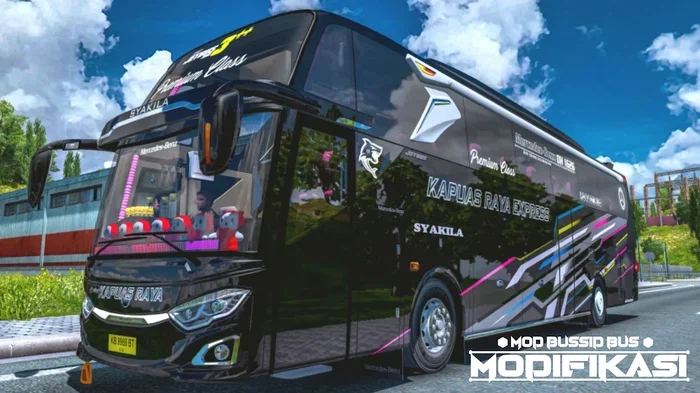
Bus Indonesia Car Mod is one of the most exciting trends in the Indonesian automotive scene. These creative modifications turn regular cars into stunning bus-inspired masterpieces. Whether you are a car enthusiast or a DIY builder, these ideas will spark your imagination. Learn how to plan, build, and customize your own unique ride. This guide covers everything from beginner-friendly projects to advanced builds.
Indonesia has one of the most vibrant car modification scenes in Southeast Asia. Among the wildest and most creative trends is the bus indonesia car mod. This unique style takes inspiration from the iconic Indonesian buses and brings that bold energy into cars and smaller vehicles.
If you have ever driven through Jakarta or Surabaya, you have seen the colorful, oversized buses that dominate the roads. Now, imagine capturing that same energy and putting it on a car. That is exactly what bus indonesia car mod is all about. It is not just about looks. It is about identity, culture, and self-expression on wheels.
In this guide, we will explore the best bus indonesia car mod ideas, share practical tips, and walk you through everything you need to know. Whether you are a seasoned modifier or just starting out, this article has something valuable for you.
Key Takeaways
- Bus Indonesia Car Mod blends creativity with automotive engineering in a unique way.
- Popular ideas include replica bus conversions, oversized body kits, and themed interiors.
- Starting a project requires planning, the right tools, and a clear budget.
- Common mistakes like poor structural planning can ruin your build.
- Expert tips help you achieve a professional-looking finish without breaking the bank.
- The Indonesian car mod scene is growing fast, with endless inspiration online.
- Safety and legality should always come first when modifying your vehicle.
📑 Table of Contents
What Is Bus Indonesia Car Mod?
The bus indonesia car mod trend started as a way for car enthusiasts to stand out. Indonesian buses, known locally as “angkot” or “medibus,” are famous for their flashy designs. They feature bright colors, wild decals, and oversized accessories. Car modders took notice and began replicating elements of these buses on smaller vehicles.
The result is a hybrid style that mixes the bulk and personality of a bus with the agility of a car. It is a form of indonesian automotive culture that celebrates creativity over perfection. You will see modified Toyota Innovas, Honda Civics, and even small hatchbacks transformed into rolling works of art.
This trend is deeply rooted in indonesian road culture. Buses are not just transportation. They are a lifestyle. They tell stories about the cities they serve and the people who ride them. When you modify a car with bus-inspired elements, you are carrying that story forward.
Why Is It So Popular?
Several reasons drive the popularity of bus indonesia car mod. First, Indonesian car culture values boldness. Subtle modifications simply do not make a statement. Second, buses are everywhere on Indonesian roads. They are familiar, iconic, and instantly recognizable. Third, social media has amplified the trend. Videos of these modified cars get millions of views on TikTok and Instagram.
Another reason is affordability. Many bus indonesia car mod projects use affordable materials. You do not need a massive budget to create something eye-catching. This makes the trend accessible to a wide range of enthusiasts, from students to working professionals.
Popular Bus Indonesia Car Mod Ideas
Now let us dive into the most exciting bus indonesia car mod ideas. These range from simple cosmetic changes to full-blown structural modifications. Each idea brings something unique to the table.
1. The Front-End Bus Face
The most recognizable element of any Indonesian bus is its front end. The wide, flat grille with large headlights gives buses their distinctive look. You can recreate this on a car by installing a custom front bumper and grille kit.
Many modders use fiberglass to build a bus-style front end on cars like the Toyota Agya or Daihatsu Ayla. The result is dramatic and instantly eye-catching. Paint it in bright yellow or green to match the classic angkot look.
2. Oversized Side Skirts and Body Panels
Indonesian buses are wide and bulky. To capture that feel, modders add oversized side skirts and extended body panels. These additions make a car look broader and more imposing.
You can use ABS plastic or fiberglass to create custom side panels. Attach them along the wheel arches and doors. This gives your car a bus-like silhouette without actually making it wider than the road allows. It is one of the most popular indonesian bus modification techniques.
3. The Roof Rack and Sunroof Bus Style
Many Indonesian buses have large roof racks for luggage and even passengers sitting on top. You can add a sleek roof rack to your car for a similar effect. Use aluminum or steel tubing to build a sturdy yet stylish rack.
Some modders go further by adding a tinted sunroof panel that mimics the glass roof sections found on deluxe buses. This is a great way to add luxury flair to a standard car modification idea.
4. Custom Decals and Paint Schemes
No bus indonesia car mod is complete without the right graphics. Indonesian buses are famous for their wild paint jobs. Think bright stripes, tribal patterns, and oversized company logos.
You can design custom vinyl decals and apply them to your car. Use colors that match the traditional angkot palette. Red, yellow, blue, and green are the most popular choices. This is an easy and affordable way to transform your car’s appearance.
5. The Rear Bus Tail
The rear end of Indonesian buses is equally distinctive. They often feature large tail lights, bumper guards, and sometimes even fake exhaust stacks. You can replicate this look on your car with custom taillight surrounds and a modified rear bumper.
Some builders add a small luggage rack or spoiler at the back to mimic the bus luggage compartment. This detail adds authenticity to your modified vehicle idea and makes the rear end look truly unique.
6. Interior Bus Conversion
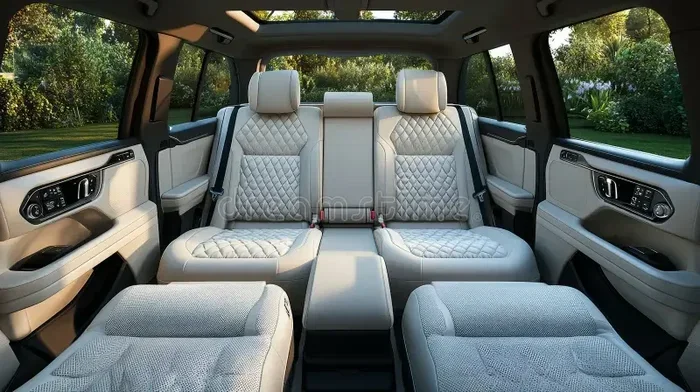
For the truly ambitious, you can modify the interior to match the bus theme. Install bench-style seating, add a fabric ceiling, and use bus-style door handles. Some modders even add a small speaker system that plays the classic angkot music.
This level of detail takes custom car build skills to the next level. The interior becomes just as important as the exterior. It creates a fully immersive experience that turns heads both inside and out.
7. The Mini Bus Conversion
Some enthusiasts take the concept further by converting a van or large SUV into a mini bus. They add bus-style doors, windows, and seating arrangements. Toyota Hiace and Mitsubishi L300 are popular base vehicles for this type of project.
This is one of the most impressive indonesian car enthusiast projects you will see. It requires serious planning and fabrication skills, but the final result is worth every effort.
How to Start Your Own Bus Mod Project
Starting a bus indonesia car mod project can feel overwhelming. But with the right approach, it becomes manageable and even fun. Here is a step-by-step guide to get you started.
Step 1: Choose Your Base Vehicle
The first decision is choosing the right car. Small to mid-size vehicles work best for most bus mod ideas. The Toyota Agya, Daihatsu Ayla, Honda Brio, and Toyota Yaris are popular choices. They are affordable, easy to work on, and have enough space for modifications.
Consider the chassis strength of your vehicle. Bus-style modifications add weight and stress to the body. Choose a car with a solid frame that can handle the extra load.
Step 2: Plan Your Design
Before you buy any materials, sketch your design on paper or use a free 3D modeling tool. Decide which elements you want to include. Do you want the full bus face or just the side panels? Will you go bold with paint or keep it subtle?
Planning saves time and money. It also helps you visualize the final product before you start cutting metal or fiberglass.
Step 3: Gather Your Materials
Most bus indonesia car mod projects use similar materials. Fiberglass sheets are the most common. They are lightweight, easy to shape, and affordable. You will also need body filler, sandpaper, primer, paint, and mounting hardware.
For the graphics, vinyl decals are the go-to option. They are durable and easy to apply. You can order custom designs from local print shops or online suppliers.
Step 4: Build and Install
Start with the easiest modifications first. Paint and decals can be done early. Then move on to body panels and the front-end build. Take your time with each step. Rushing leads to mistakes and poor fitment.
If you are not confident in your fabrication skills, consider working with a local automotive modification shop. Many experienced modders in Indonesia are happy to help or collaborate.
Step 5: Test and Refine
Once your build is complete, take it for a test drive. Check for rattles, loose panels, or aerodynamic issues. Make adjustments as needed. A great bus inspired car is one that not only looks good but also drives well.
Tools and Materials You Will Need
Having the right tools makes any car customization idea easier. Here is a list of essential items for your bus indonesia car mod project.
- Fiberglass sheets – for building custom body panels and front-end components
- Body filler and sandpaper – for smoothing surfaces and creating seamless joints
- Primer and automotive paint – for a professional, durable finish
- Cutting and grinding tools – angle grinder, rotary tool, and cutting discs
- Measuring tape and marker – for accurate layout and alignment
- Clamps and mounting brackets – for securing panels in place
- Vinyl decal kit – for custom graphics and paint schemes
- Safety gear – gloves, mask, and goggles for protection during fabrication
You do not need every tool on day one. Start with the basics and add tools as your project grows. Many Indonesian automotive DIY project builders start in their home garages with minimal equipment.
Quick Tips for Material Selection
Choose fiberglass sheets that are at least 2mm thick for structural parts. Thinner sheets work for decorative panels. Always use automotive-grade primer and paint. They adhere better and resist fading. For decals, choose vinyl that is UV-resistant so your graphics stay vibrant for years.
Common Mistakes to Avoid
Even the most passionate builders make mistakes. Here are the most common ones to watch out for when working on a bus indonesia car mod.
Skipping Structural Planning
Many beginners jump straight into building without a solid plan. This leads to misaligned panels, poor fitment, and wasted materials. Always start with a clear design and structural plan before you cut anything.
Using Low-Quality Materials
Cheap fiberglass and paint might save money upfront, but they lead to problems later. Low-quality materials crack, fade, and peel quickly. Invest in good materials for a build that lasts.
Ignoring Weight Distribution
Bus-style modifications can add significant weight to your car. If you add heavy panels to the front or rear, it affects handling and balance. Distribute weight evenly and consider lighter materials where possible.
Forgetting About Legal Requirements
Not all modifications are legal on public roads in Indonesia. Oversized body panels, altered chassis, and non-standard lighting can get you flagged by traffic police. Check local regulations before you start your modified vehicle idea build.
Rushing the Painting Process
Painting is one of the most critical steps. Rushing it leads to drips, uneven coverage, and poor adhesion. Apply primer in thin layers, sand between coats, and give each layer proper drying time. Patience here pays off big time.
Expert Tips for a Standout Bus Mod
Want your bus indonesia car mod to stand out from the crowd? Here are expert tips from experienced Indonesian car modifiers.
Add Functional Elements
The best modifications are not just visual. Add functional elements like LED light bars, fog lights, or a custom exhaust system. These details make your car look authentic and perform better on the road.
Study Real Buses for Reference
Spend time observing real Indonesian buses on the road. Notice the proportions, shapes, and design details. Take photos and use them as reference when building your bus replica car project. The more accurate your references, the better your final build will look.
Focus on Fitment
A beautiful paint job means nothing if the panels do not fit properly. Spend extra time on fitment. Use clamps and temporary mounts before drilling anything. Check alignment from multiple angles. Perfect fitment is what separates a good build from a great one.
Build a Community
Join online forums and social media groups dedicated to indonesian car mod culture. Connect with other builders, share your progress, and ask for feedback. The Indonesian car mod community is supportive and full of talented individuals who can offer valuable advice.
Document Your Build
Take photos and videos at every stage of your build. This helps you track progress and identify mistakes early. It also gives you content to share on social media, which can inspire others and build your reputation in the indonesian automotive culture community.
Comparison: Popular Base Vehicles for Bus Mods
Choosing the right base vehicle is crucial for your bus indonesia car mod project. Here is a comparison of popular choices among Indonesian modders.
- Toyota Agya: Affordable, lightweight, easy to modify. Great for beginners. Limited interior space for advanced builds.
- Daihatsu Ayla: Similar to the Agya with slightly more cabin room. Good fuel economy. Popular choice for front-end bus conversions.
- Toyota Yaris: More premium feel and better build quality. Handles added weight well. Slightly higher cost for materials.
- Honda Brio: Compact and stylish. Excellent for subtle bus-inspired mods. Good resale value if you plan to keep the car stock later.
- Toyota Hiace (van conversion): The ultimate base for a mini bus build. Spacious, strong chassis. Requires advanced fabrication skills and a larger budget.
Each vehicle has its strengths. Choose based on your budget, skill level, and the type of custom car build you want to achieve.
Conclusion
The bus indonesia car mod trend is more than just a fad. It is a celebration of Indonesian culture, creativity, and automotive passion. From simple decal upgrades to full mini bus conversions, there is a project for every skill level and budget.
Whether you want to build a bold front-end bus face on a small city car or convert a van into a rolling bus, the possibilities are endless. The key is to plan carefully, use quality materials, and enjoy the process. Every bus indonesia car mod tells a story, and yours is waiting to be written.
Start small if you are new to modifications. Apply a custom paint scheme and some decals first. Then gradually add more elements as your confidence grows. The Indonesian car mod community is there to support you every step of the way.
Remember, the best bus indonesia car mod is one that reflects your personality and passion. Do not be afraid to experiment, make mistakes, and learn along the way. That is what makes this hobby so rewarding. Get out there, grab your tools, and start building something extraordinary today.
Frequently Asked Questions
What is bus Indonesia car mod?
Bus Indonesia car mod is a creative automotive trend where car owners modify their vehicles with design elements inspired by traditional Indonesian buses. This includes bold front-end shapes, oversized body panels, vibrant paint schemes, and bus-style interiors. It is a form of self-expression rooted in Indonesian road culture and automotive creativity.
What tools do I need for a bus mod project?
You will need fiberglass sheets, body filler, sandpaper, automotive primer and paint, cutting tools, clamps, and vinyl decals for graphics. Safety gear like gloves and goggles is also essential. Most of these materials are affordable and available at local hardware stores in Indonesia.
Is it legal to modify a car with bus-style elements in Indonesia?
Some modifications may violate local traffic regulations, especially if they alter the vehicle’s chassis, dimensions, or lighting. Always check with your local traffic authority before starting a major build. Stick to cosmetic changes like paint, decals, and non-structural body panels for a safer and more compliant modification.
Can beginners try bus Indonesia car mod?
Absolutely. Beginners can start with simple modifications like custom paint schemes, vinyl decals, and small exterior accessories. As you gain experience, you can move on to more complex builds like fiberglass front-end panels and interior conversions. The key is to start small and learn as you go.
What is the best car for a bus mod project?
Small to mid-size cars like the Toyota Agya, Daihatsu Ayla, and Honda Brio are excellent choices for beginners. They are affordable, lightweight, and easy to work on. For advanced builders, the Toyota Hiace van makes a fantastic base for a full mini bus conversion project.
How much does a bus Indonesia car mod cost?
The cost varies widely depending on the scope of the project. Simple decal and paint jobs can cost as little as 500,000 to 2,000,000 IDR. More complex builds involving fiberglass body panels and interior modifications can range from 5,000,000 to 20,000,000 IDR or more. Always set a realistic budget before you begin.
=== FOOTER ===
Article written by an automotive enthusiast with deep knowledge of Indonesian car modification culture. All information is based on real-world experience and community insights.