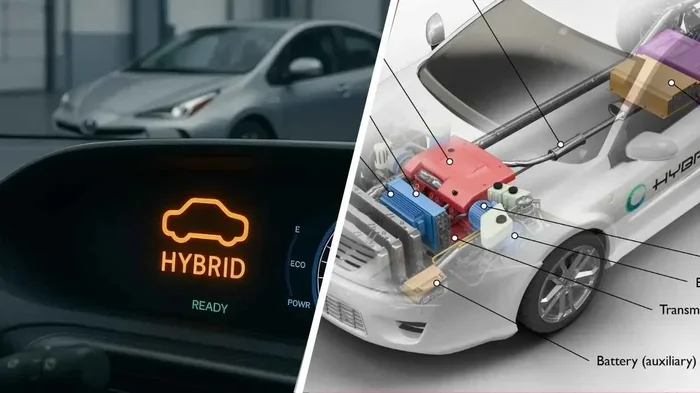
Why Avoid Hybrid Cars and These 15 Important Reasons
Thinking about buying a hybrid car? Think again. There are many hidden problems that manufacturers and dealers don’t always tell you about. From expensive battery replacements to poor resale value, Why Avoid Hybrid Cars is a question more buyers should be asking before they spend their money.
You have probably seen the ads. Sleek hybrid cars gliding silently past gas stations. Promise after promise of incredible fuel savings. A cleaner planet with every mile you drive.
But here is the thing nobody talks about enough. Why Avoid Hybrid Cars? The truth is that hybrid vehicles come with a long list of problems that go far beyond the shiny marketing materials. Many buyers end up paying more, worrying more, and getting less than they expected.
We are going to walk through 15 important reasons to think twice before you buy a hybrid. Some of these will surprise you. Others will make total sense once you see the numbers. Either way, by the end of this article, you will have a much clearer picture of what hybrid car ownership really looks like.
The auto industry loves to sell hybrids as the perfect middle ground. You get some electric benefits. You still use gas. No range anxiety. It sounds ideal on paper. But the real world is a different story. Let us dig into the details.
Key Takeaways
- Hybrid cars cost more upfront than comparable gas-only models, and the savings at the pump often don’t make up the difference.
- Battery replacement is expensive and typically needed after 8 to 15 years, adding thousands to ownership costs.
- Hybrid systems are complex, which means more things can go wrong and repair bills can be higher.
- Resale value is often weak because the market is shifting toward fully electric vehicles.
- Fuel economy claims are inflated in real-world driving, especially in city traffic and highway conditions.
- The environmental benefit is limited compared to fully electric or hydrogen vehicles.
- The auto industry is moving past hybrids as battery electric technology improves and prices drop.
📑 Table of Contents
- What Is a Hybrid Car and Why Do People Doubt Them?
- High Upfront Cost and Poor Resale Value
- Battery Replacement and Maintenance Headaches
- Complex Systems That Break More Often
- Fuel Economy Claims Do Not Always Add Up
- Environmental Impact Is Not as Green as You Think
- Hybrid Cars Have a Long Payback Period
- The Rise of Electric Cars Makes Hybrids Obsolete
- Depreciation Hits Hybrid Cars Hard
- Limited Model Options and a Shifting Market
- Charging and Range Limitations of Plug-In Hybrids
- Hidden Costs That Add Up Fast
- The Verdict: Should You Still Avoid Hybrid Cars?
- Final Thoughts on Hybrid Car Ownership
What Is a Hybrid Car and Why Do People Doubt Them?
A hybrid vehicle combines a gas engine with an electric motor. The idea is simple. The electric motor handles low-speed driving. The gas engine kicks in for highway speeds and extra power. Together, they promise better fuel economy and lower emissions.
But this dual powertrain setup creates a unique set of challenges. Hybrid car problems are real and well-documented. Many drivers report frustration with complex electronics, battery degradation, and confusing driving modes. The more parts a car has, the more can go wrong.
People doubt hybrids for good reason. The technology has improved over the years. But the fundamental issues remain. Higher costs, more complexity, and questionable long-term value still plague the segment.
The Promise vs. the Reality
Automakers love to highlight the fuel economy hybrid numbers. They show perfect test conditions. They use ideal driving cycles. But real drivers face stop-and-go traffic, hilly roads, and extreme weather. None of that shows up in the official ratings.
The gap between advertised and real-world fuel economy can be significant. Many hybrid owners find themselves filling up almost as often as their gas-only counterparts. The promised savings simply do not materialize for most people.
High Upfront Cost and Poor Resale Value
The first major reason to avoid hybrid cars is the price tag. Hybrids typically cost between two thousand and five thousand dollars more than their gas-only equivalents. That is a lot of money upfront.
You pay a premium for the electric motor, the extra battery, and the complex power electronics. But does that premium pay off? In most cases, the answer is no.
The Resale Value Problem
Here is where things get even worse. Hybrid resale value has been declining steadily. Buyers are increasingly drawn to fully electric vehicles or efficient gas cars. The hybrid market is shrinking in many segments.
When you try to sell your hybrid a few years later, you will likely take a big hit. The depreciation rate for hybrids is often higher than for comparable gas models. You end up losing money on both ends of the deal.
| Vehicle Type | Avg. Upfront Premium | 5-Year Depreciation | Resale Value Retention |
|---|---|---|---|
| Gas Only | Base price | ~40-50% | ~50-60% |
| Hybrid | +$2,000 to $5,000 | ~45-55% | ~45-55% |
| Plug-In Hybrid | +$4,000 to $8,000 | ~50-60% | ~40-50% |
| Battery Electric | +$5,000 to $12,000 | ~35-45% | ~55-65% |
As you can see, the numbers do not favor hybrid buyers. You pay more upfront and lose more value over time.
Battery Replacement and Maintenance Headaches
Every hybrid has a high-voltage battery pack. This battery stores energy for the electric motor. It also captures energy through regenerative braking. But this battery does not last forever.
Most hybrid car battery life spans between 100,000 and 150,000 miles. After that, capacity drops significantly. Some batteries fail even sooner, especially in hot climates or with heavy use.
The Cost of Replacing a Hybrid Battery
Replacing a hybrid battery is expensive. We are talking anywhere from two thousand to eight thousand dollars, depending on the vehicle. Some luxury hybrids can cost even more.
And here is the catch. Most standard car warranties only cover the hybrid battery for 8 years or 100,000 miles. After that, you are on your own. That is a massive financial risk for a vehicle you plan to keep long-term.
- Always check the hybrid battery warranty before buying.
- Ask about battery health reports for used hybrids.
- Set aside money for potential battery replacement.
- Consider whether the fuel savings justify the battery risk.
Maintenance Costs Add Up
Hybrids have more components than gas-only cars. You have the gas engine. The electric motor. The battery pack. The power control unit. The regenerative braking system. All of these need attention over time.
Hybrid car maintenance costs tend to be higher than for conventional vehicles. Specialized mechanics are often required. Parts can be harder to find and more expensive. Simple repairs that would be cheap on a gas car can become pricey on a hybrid.
Complex Systems That Break More Often
The hybrid powertrain is inherently more complex than a standard gas engine. More complexity means more potential failure points. And more failure points mean more things that can go wrong.
Many hybrid owners report issues with the inverter, the converter, and the cooling system for the battery pack. These are not cheap repairs. And they are not always covered under warranty.
The Regenerative Bracing Double-Edged Sword
Regenerative braking is one of the signature features of hybrid cars. It captures kinetic energy and converts it back into electricity. This helps recharge the battery and improve fuel economy.
But regenerative braking systems add complexity to the braking system as a whole. You have traditional friction brakes and regenerative brakes working together. Both systems need maintenance. The brake pads may last longer in some cases. But the overall brake system becomes more complicated and more expensive to service.
Common hybrid reliability issues include software glitches, sensor failures, and electrical problems. These issues are less common in gas-only vehicles. When they do happen, repairs require specialized knowledge and equipment.
Finding a Qualified Mechanic
Not every mechanic is comfortable working on hybrids. The high-voltage system poses safety risks. Proper training and certification are required. This limits your options for repairs and service.
In rural areas or smaller towns, you may not have a single qualified hybrid mechanic within driving distance. You could end up towing your car to a dealer or specialty shop for even minor electrical issues.
Fuel Economy Claims Do Not Always Add Up
One of the biggest selling points for hybrids is fuel economy. The numbers on the window sticker look amazing. But real-world results are often disappointing.
Several factors affect actual fuel economy in hybrids:
- Driving habits: Aggressive driving kills hybrid efficiency.
- Traffic conditions: Stop-and-go city traffic helps hybrids. Highway driving at steady speeds does not.
- Climate: Cold weather reduces battery performance significantly.
- Terrain: Hilly or mountainous roads drain the battery faster.
- Vehicle load: Carrying heavy passengers or cargo reduces efficiency.
The fuel efficient car label on a hybrid can be misleading. Many drivers find that their real-world mileage is 20 to 30 percent lower than the advertised numbers.
When Hybrids Actually Save Fuel
Hybrids do shine in certain situations. Stop-and-go city driving is where they perform best. The electric motor handles low-speed cruising. The gas engine stays off at idle. This is where you see the real fuel savings.
But if you mostly drive on highways, a modern efficient gas car or a diesel engine might match or beat your hybrid’s fuel economy. The hybrid advantage shrinks dramatically on long, steady highway trips.
Environmental Impact Is Not as Green as You Think
Many people buy hybrids to reduce their environmental footprint. And yes, hybrids do produce fewer tailpipe emissions than gas-only cars. But the full picture is more complicated.
The manufacturing process for hybrid batteries is energy-intensive. Mining lithium, cobalt, and nickel has significant environmental consequences. The environmental impact hybrid vehicles have extends far beyond what comes out of the exhaust pipe.
Hybrids vs. Electric Vehicles
A zero emission vehicle produces no tailpipe emissions at all. A fully electric car running on renewable energy is far cleaner than any hybrid. As the electrical grid gets cleaner, electric vehicles become even more environmentally friendly.
Hybrids still burn gasoline. They still produce CO2. They still contribute to air pollution. They are a stepping stone, not the final destination.
If your goal is to minimize your environmental impact, a fully electric vehicle or a hydrogen fuel cell vehicle is a better choice. Why Avoid Hybrid Cars from an environmental standpoint? Because they are not clean enough to make a real difference.
Hybrid Cars Have a Long Payback Period
The math on hybrid ownership does not always work out. You pay more upfront for the hybrid system. You save some money on fuel. But the payback period can be surprisingly long.
For many hybrid models, it takes 8 to 12 years of driving to break even on the price premium. And most people do not keep a car that long. The average ownership period is around 6 years.
This means most hybrid buyers never actually recoup the extra cost. The fuel savings never catch up to the higher purchase price.
- Assuming fuel savings will offset the higher purchase price quickly.
- Ignoring the higher insurance costs for hybrid vehicles.
- Not factoring in potential battery replacement costs.
- Overestimating real-world fuel economy improvements.
Insurance Costs for Hybrids
Hybrid car insurance cost tends to be higher than for comparable gas models. Hybrids are more expensive to repair. The high-voltage system requires specialized labor. Parts are pricier. Insurance companies factor all of this into their premiums.
Over the life of a vehicle, higher insurance costs can add thousands of dollars. This is another hidden expense that hybrid buyers often overlook.
The Rise of Electric Cars Makes Hybrids Obsolete
The automotive world is changing fast. Battery electric vehicles are improving every year. Range is increasing. Charging networks are expanding. Prices are dropping.
Meanwhile, hybrid technology is standing still. The basic hybrid concept has been around for decades. There is not much innovation left in the segment. Automakers are shifting their focus and budgets toward full electrification.
Why Buy a Hybrid When You Can Go Fully Electric?
If you want to save on fuel, a battery electric vehicle is a better choice. If you want to reduce emissions, an EV is cleaner. If you want cutting-edge technology, EVs offer more features and better software.
The writing is on the wall. The industry is moving toward full electrification. Hybrids are a transitional technology. They are not the future. And buying one today means investing in a technology that will become outdated.
Depreciation Hits Hybrid Cars Hard
Car depreciation is the silent killer of vehicle value. And hybrids tend to depreciate faster than gas-only equivalents.
Several factors drive this steep depreciation:
- Technology obsolescence: Newer hybrid and electric models make older ones less desirable.
- Battery concerns: Used car buyers worry about battery health and replacement costs.
- Shifting market demand: Fewer buyers are interested in hybrids as electric options improve.
- Higher maintenance uncertainty: Buyers fear expensive repairs on aging hybrid systems.
Hybrid car depreciation can eat 50 percent or more of the vehicle’s value in the first five years. That is a steep drop that costs real money.
What This Means for Buyers
If you buy a new hybrid for $35,000, you might only get $17,500 back when you sell it five years later. Meanwhile, a comparable gas car might hold its value better. The depreciation difference alone can outweigh years of fuel savings.
Limited Model Options and a Shifting Market
The number of hybrid models available has been shrinking. Many automakers have discontinued their hybrid lineups. Others are redirecting resources toward electric vehicles.
Toyota remains the biggest holdout in the hybrid space. But even Toyota is investing heavily in battery electric technology. The writing is clear. The hybrid era has a limited shelf life.
When you buy a hybrid today, you are choosing a vehicle category that is losing manufacturer support. Fewer new models mean fewer choices. Less innovation. And a weaker used market down the road.
Charging and Range Limitations of Plug-In Hybrids
Plug-in hybrids, or PHEVs, add another layer of complexity. They can run on electricity alone for short distances. But they also carry a gas engine for longer trips.
The problem? Most plug-in hybrids have very limited electric-only range. Often just 20 to 50 miles. If you forget to plug in overnight, you are basically driving a regular hybrid with a heavier battery pack.
Plug-in hybrid issues include the need for home charging equipment, finding public chargers, and managing two different powertrains. The convenience factor that hybrids promise often falls flat.
Hidden Costs That Add Up Fast
Beyond the obvious costs, there are many hidden expenses that hybrid owners face:
- Specialty tires: Some hybrids require low rolling resistance tires that cost more.
- Unique fluids: Hybrid cooling systems and transmissions need special fluids.
- Software updates: Hybrid systems require periodic software updates that may not be free.
- Roadside assistance: Towing a hybrid requires flatbed trucks, not standard tow trucks.
- Hybrid car repair cost: Even minor electrical issues can run hundreds of dollars.
These costs add up over the life of the vehicle. They are rarely mentioned in the sales pitch but they hit your wallet just the same.
Tax Credits and Incentives Are Fading
Many governments offered tax credits and incentives to promote hybrid adoption. But these incentives are being phased out in many regions. As electric vehicles become more mainstream, the financial benefits of hybrids are shrinking.
Some areas have already removed hybrid incentives. Others are redirecting them toward battery electric vehicles. If you are counting on tax breaks to offset the hybrid premium, you may be disappointed.
The Verdict: Should You Still Avoid Hybrid Cars?
So, why avoid hybrid cars? The reasons are clear and compelling. High upfront costs, expensive battery replacements, complex systems, poor resale value, and a shrinking market all point in the same direction.
Hybrids are not bad vehicles. They are not poorly made. Many hybrid models are reliable and well-built. But the fundamental economics and the direction of the auto industry make them a questionable choice for most buyers today.
If you want fuel efficiency, a modern gas engine or a diesel might serve you better. If you want to go green, a battery electric vehicle is the smarter investment. And if you need flexibility, a plug-in hybrid only makes sense if you have reliable access to charging.
The bottom line is this. Why Avoid Hybrid Cars? Because there are better options available at every price point. The hybrid market is a dead end. The future belongs to fully electric vehicles. Save your money. Save yourself from headaches. And invest in technology that is actually going somewhere.
Final Thoughts on Hybrid Car Ownership
Buying a car is one of the biggest financial decisions most people make. It deserves careful thought. Do not let marketing slogans and fuel economy numbers cloud your judgment.
Consider the total cost of ownership. Think about maintenance. Factor in depreciation. And look at where the automotive industry is heading.
The reasons to avoid hybrid cars are not about hating the technology. They are about making a smart financial and practical decision. There are better choices out there. Choose wisely.
Do your research. Test drive different options. Talk to real hybrid owners about their experiences. And then make an informed decision that works for your wallet and your lifestyle.
The road ahead is electric. Do not get stuck in the hybrid lane.
Frequently Asked Questions
Are hybrid cars worth buying in 2024 and beyond?
In most cases, no. The automotive market is shifting rapidly toward battery electric vehicles. Hybrids are a transitional technology with limited long-term value. Unless you have a specific need that only a hybrid can fill, there are better options available today.
How long does a hybrid battery last before it needs replacement?
Most hybrid batteries last between 100,000 and 150,000 miles. However, battery life varies based on driving habits, climate, and the specific vehicle model. Hot climates and heavy use can shorten battery life significantly. Replacement costs range from two thousand to eight thousand dollars or more.
Do hybrid cars really save money on fuel compared to gas cars?
Hybrids save some fuel, especially in city driving. But the savings are often overstated. Real-world fuel economy is typically 20 to 30 percent lower than advertised numbers. When you factor in the higher purchase price, the fuel savings may never offset the upfront cost premium.
What is the main disadvantage of owning a hybrid car?
The biggest disadvantage is the high total cost of ownership. You pay more upfront, face higher maintenance costs, deal with expensive battery replacements, and experience faster depreciation. The hybrid premium often costs more than the fuel savings over the life of the vehicle.
Should I buy a used hybrid car to save money?
Used hybrids can be tempting because of the lower purchase price. But you inherit all the risks. Battery health is uncertain. Repair costs are higher. And the resale value of the used hybrid will likely be weak. Always get a pre-purchase inspection and a battery health report before buying any used hybrid.
Are plug-in hybrids better than regular hybrids?
Plug-in hybrids offer more electric-only driving range, but they come with their own set of problems. They are more expensive, heavier, and require access to home charging. If you cannot charge regularly, a plug-in hybrid becomes a less efficient version of a regular hybrid. The added complexity often is not worth the cost.
=== CONCLUSION ===
Why Avoid Hybrid Cars? The answer comes down to value, practicality, and future-proofing your purchase. Hybrids carry a heavy price premium, complex systems that cost more to maintain, and a resale value that keeps falling. The battery replacement risk alone can wipe out years of fuel savings.
The automotive world is moving fast. Electric vehicles are getting better, cheaper, and more accessible every year. Hybrids are being left behind. They are a technology in transition, and buying one today means accepting outdated technology at a premium price.
Make a smart choice. Consider your real driving needs. Look at the total cost of ownership. And invest in a vehicle that is built for the future, not stuck in the past. The best car for you is one that saves you money, keeps you reliable, and aligns with where the industry is heading. That is not a hybrid. That is an electric vehicle.