Should You Jump Clear of a Forklift If It Starts to Tip
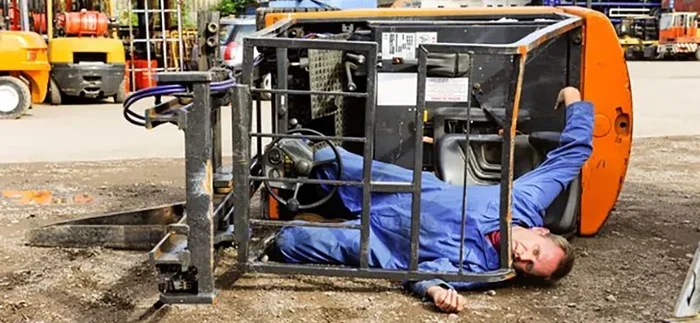
Never jump clear of a forklift if it starts to tip. The safest move is to stay seated, grip the steering wheel firmly, and lean away from the direction of the fall. Forklift tip over accidents are among the most dangerous incidents in industrial workplaces, and jumping dramatically increases your risk of severe injury or death.
Every day, thousands of workers operate forklifts in warehouses, construction sites, and factories across the country. These powerful machines make heavy lifting possible, but they also carry serious risks. One of the most terrifying moments any forklift operator can face is watching the machine start to tip over.
The instinct to jump clear of a forklift if it starts to tip is strong. Your body wants to get away from danger fast. But here is the hard truth that many people do not know. Jumping from a tipping forklift is one of the worst decisions you can make. It leads to more fatalities than the tip over itself in many cases.
In this article, we will break down exactly why jumping is so dangerous. We will cover what you should do instead, what causes forklifts to tip over, and how proper forklift safety training can prevent these scary situations. Whether you are a certified operator or a worker who shares a warehouse with forklifts, this guide will give you life-saving knowledge.
Key Takeaways
- Stay in your seat: Jumping from a tipping forklift is the most dangerous thing you can do and greatly increases the risk of fatal injury.
- The roll cage protects you: Modern forklifts are designed with a protective structure that works best when you remain inside it during a tip over.
- Lean away from the fall direction: If a forklift starts tipping, lean in the opposite direction to stay inside the operator compartment.
- Proper training prevents accidents: Forklift certification and regular safety training reduce the chances of a tipping hazard on the job.
- OSHA has clear rules: Workplace safety regulations require operators to follow specific protocols during a forklift tip over.
- Speed and load matter: Excessive speed, unbalanced loads, and sharp turns are the leading causes of forklift accidents.
- Daily checks save lives: Performing pre-operation inspections helps identify issues that could lead to a tip over before they become emergencies.
📑 Table of Contents
- What Happens When a Forklift Starts to Tip?
- The Right Response: Stay Put and Hold On
- Common Causes of Forklift Tip Overs
- Forklift Safety Training and Prevention
- What OSHA Says About Forklift Safety
- Real-Life Lessons from Forklift Accidents
- Key Safety Tips Every Forklift Operator Should Follow
- Conclusion
What Happens When a Forklift Starts to Tip?
Understanding the mechanics of a forklift tip over is the first step toward staying safe. Forklifts are top-heavy industrial equipment. They carry heavy loads at height, which raises the center of gravity significantly. When conditions are not ideal, the whole machine can become unstable very quickly.
The Physics Behind a Tipping Hazard
Every forklift has a stability triangle. This is the imaginary triangle formed by the three main support points of the machine. The front wheels and the two rear axle points create this triangle. As long as the combined center of gravity stays inside this triangle, the forklift remains stable.
When you add a raised load, the center of gravity shifts upward and forward. The counterweight at the back of the forklift helps balance this, but only to a point. If the load is too heavy, too high, or the machine is on an incline, the center of gravity can move outside the stability triangle. At that moment, the forklift begins to tip.
The entire process can happen in seconds. A forklift can go from stable to fully tipped in less than two seconds. This is why understanding forklift operation and stability is so important for every operator.
Why Jumping Makes Everything Worse
When a forklift starts to tip, your body goes into survival mode. Adrenaline kicks in. Your first thought is to get away from the machine. But jumping creates a perfect storm of danger.
First, when you jump, you leave the protective structure of the forklift. The roll cage is designed to absorb impact and protect the operator during a tip over. Without it, you are fully exposed. Second, you cannot predict exactly where the forklift will land. You might jump toward the falling mast or into the path of falling debris. Third, your feet and legs are the first things to hit the ground. A fall from even a few feet can cause broken bones, spinal injuries, or worse.
According to OSHA regulations, the leading cause of death in forklift accidents is being crushed by a tipping machine. But the data shows that many of these deaths happen when operators try to jump clear. The crushing force of the machine is often survivable if you stay inside the protective cage. The fall from jumping is not.
The Right Response: Stay Put and Hold On
So what should you do if your forklift starts to tip? The answer is simpler than most people think. Stay in your seat. Hold on tight. And lean in the opposite direction of the fall.
Why the Roll Cage Protects You
Modern forklifts are built with a protective overhead guard, commonly called a roll cage. This steel structure is engineered to take the brunt of impact during a tip over. It creates a safe space around the operator. The roll cage is one of the most important pieces of workplace safety equipment on any forklift.
When you stay seated, you remain inside this protective zone. The roll cage distributes the force of the falling machine around you. It is designed to handle the weight and impact of a full tip over. Your job is simply to stay inside that protective shell.
This is why forklift certification programs emphasize staying in the seat above all else. The certification process teaches operators that the machine is safer than jumping. It sounds counterintuitive, but it is backed by decades of accident data and engineering research.
How to Brace Yourself Properly
Staying in the seat is not enough on its own. You need to position your body correctly to maximize protection. Here is what to do step by step if your forklift starts to tip.
- Grip the steering wheel firmly. Hold on tight to keep yourself stable in the seat.
- Lean your entire body away from the direction of the fall. If the forklift is tipping to the right, lean left. If it tips forward, lean back.
- Keep your feet flat on the floorboard. Do not try to jump or push off the ground.
- Brace your arms against the steering wheel. This helps absorb some of the force and keeps your upper body stable.
- Do not try to jump out sideways. Even a small jump can put you in the path of the falling mast or counterweight.
Following these steps gives you the best chance of walking away from a tip over incident. The whole process takes only a few seconds, but those seconds can be the difference between a scare and a tragedy.
The Importance of Wearing Your Seat Belt
One of the simplest and most overlooked safety protocols is wearing your seat belt. Many operators skip it because they feel it slows them down or feels uncomfortable. But a seat belt can save your life during a forklift tip over.
When you are strapped in, the seat belt keeps you in the seat during the entire tip over sequence. It prevents you from being thrown sideways or ejected from the operator compartment. It also keeps you in the correct position to benefit from the roll cage protection.
OSHA regulations require seat belt use in forklifts. If your forklift has a seat belt, you must wear it. This is non-negotiable in any workplace safety program.
Common Causes of Forklift Tip Overs
Knowing what to do during a tip over is vital. But preventing the situation from happening in the first place is even better. Understanding the common causes of forklift accidents helps operators stay alert and make better decisions on the job.
Improper Load Handling
The number one cause of forklift tip overs is improper load handling. When a load is too heavy, unbalanced, or raised too high, the forklift becomes dangerously unstable. Operators must always check the load capacity plate on the machine before lifting.
Load stability is critical. A load that shifts during transport can change the center of gravity in an instant. Always make sure loads are secure, balanced, and within the rated capacity of the forklift. If a load looks too heavy or too large, do not try to lift it. Ask for help or use a different machine.
Speed and Turning Mistakes
Driving too fast is another major cause of tip overs. Forklifts have a high center of gravity, and sharp turns at speed can cause the machine to lean dangerously. Many forklift accidents happen when operators take turns too quickly or brake suddenly while carrying a raised load.
Safe forklift operation means slowing down before turns, keeping loads low during transport, and maintaining a controlled speed at all times. The faster you go, the less time you have to react to changes in terrain or unexpected obstacles.
Surface and Terrain Issues
The ground you drive on matters more than most operators realize. Uneven surfaces, ramps, wet floors, loose gravel, and slopes all increase the risk of a tip over. Even a small incline can shift the center of gravity outside the stability triangle.
Always inspect the driving surface before operating the forklift. Avoid ramps with a raised load whenever possible. On inclines, drive with the load pointing uphill. These simple safety protocols can prevent many tip over incidents before they happen.
Forklift Safety Training and Prevention
The best way to deal with a forklift tip over is to prevent it from happening. This starts with proper forklift safety training and a strong commitment to workplace safety.
The Role of Operator Training
Every forklift operator should complete formal forklift certification before ever touching the controls. Operator training covers machine mechanics, load handling, safety protocols, and emergency procedures. Without this training, operators simply do not have the knowledge to stay safe.
Training should be hands-on and regularly refreshed. Even experienced operators benefit from periodic refresher courses. Machines change, loads change, and work environments change. Ongoing forklift certification keeps skills sharp and knowledge current.
Daily Pre-Operation Checks
A good safety program includes daily inspections of every forklift. Before each shift, operators should check the brakes, steering, tires, hydraulic system, horn, and overhead guard. Any issues found should be reported immediately and the machine taken out of service until repairs are made.
These pre-operation checks are a simple but powerful part of workplace safety. They catch potential problems before they become emergencies. A worn brake or a damaged hydraulic line can contribute to a tip over situation if not caught early.
What OSHA Says About Forklift Safety
The Occupational Safety and Health Administration, known as OSHA, sets the standards for forklift operation in the United States. Their rules exist to protect workers and prevent forklift accidents.
Key Regulations Every Operator Should Know
OSHA requires all forklift operators to be trained and certified. The training must cover both classroom instruction and hands-on driving experience. Operators must be re-evaluated every three years at minimum.
OSHA also requires daily inspections of forklifts. Any machine that fails inspection must be taken out of service until it passes. The regulations cover everything from seat belt use to load capacity limits. Following OSHA rules is not optional. It is a legal requirement that keeps workers safe.
Employers are responsible for providing a safe work environment. This means proper training, well-maintained equipment, and clear safety protocols. When every level of the organization takes forklift safety seriously, tip over incidents drop significantly.
Real-Life Lessons from Forklift Accidents
Theoretical knowledge is important, but real-world examples drive the point home. Let us look at what actually happens when forklift accidents occur and what we can learn from them.
Case Studies and What We Can Learn
In one well-documented incident, a warehouse operator was carrying a heavy load on an elevated mast. The forklift hit a small bump in the floor, and the load shifted. The machine started to tip forward. The operator panicked and jumped off the side.
The operator landed directly in the path of the falling mast. The forklift landed on the operator’s legs and torso. The injuries were catastrophic. An investigation later revealed that if the operator had stayed in the seat and braced properly, the roll cage would have provided significant protection. The tip over itself would likely not have caused fatal injuries.
In another case, a construction site operator was driving a forklift on a sloped surface with a raised load. The machine tipped sideways. The operator, who was wearing a seat belt, stayed in the seat and leaned away from the fall direction. The roll cage absorbed the impact. The operator suffered only minor bruising and walked away from the accident.
These two cases show the same type of event with completely different outcomes. The difference was simple. One operator jumped. The other stayed put. The lesson is clear. Staying in the seat and following proper emergency response procedures saves lives.
Key Safety Tips Every Forklift Operator Should Follow
Prevention is always better than reaction. Here are some practical safety tips that every forklift operator should make part of their daily routine.
- Always wear your seat belt. It is the single most important piece of personal protective equipment in the operator compartment.
- Keep loads low during transport. Raise the load only when you are at the stacking location.
- Slow down on turns and inclines. Speed is a major factor in tip over accidents.
- Inspect your work area before driving. Look for spills, uneven surfaces, loose debris, and pedestrians.
- Never exceed the rated load capacity. Check the nameplate on your forklift and respect the limits.
- Sound the horn at intersections. Alert pedestrians and other operators to your presence.
- Get certified and stay current. Regular training keeps your skills sharp and your knowledge updated.
These tips are simple, but they are effective. They form the foundation of a strong forklift safety program. When every operator follows these guidelines, the entire workplace becomes safer.
Conclusion
The answer to the question should you jump clear of a forklift if it starts to tip is a firm and absolute no. Jumping from a tipping forklift puts you in far more danger than staying inside the machine. The roll cage, the seat belt, and proper bracing techniques are your best protection during a tip over.
Forklift safety is not just a set of rules. It is a mindset. Every operator should understand the physics of a tip over, know the correct emergency response, and commit to following safety protocols every single shift. Proper forklift certification and ongoing safety training make all the difference.
Take the time to review these safety tips with your team. Make sure every operator in your workplace understands what to do if a forklift starts to tip. Share this knowledge freely. A well-trained team is the best defense against forklift accidents. Stay safe, stay seated, and always prioritize workplace safety above all else.
Frequently Asked Questions
Why is jumping from a forklift during a tip over so dangerous?
Jumping exposes you to falling debris, the moving mast, and the impact of the machine itself landing on or near you. The fall from jumping can cause broken bones or spinal injuries on its own. Staying inside the roll cage gives you the best protection because it is designed to absorb the force of a tip over.
What should I do immediately if my forklift starts tipping?
Stay in your seat, grip the steering wheel firmly, lean away from the direction of the fall, and keep your feet flat on the floorboard. Do not try to jump or step off the machine. These simple actions give you the highest chance of walking away safely.
How does a seat belt help during a forklift tip over?
A seat belt keeps you securely in the operator seat during the entire tip over sequence. It prevents you from being thrown sideways or ejected from the protective roll cage. OSHA regulations require seat belt use in forklifts for this exact reason.
What are the most common causes of forklift tip overs?
The most common causes include improper load handling, excessive speed, sharp turns with a raised load, driving on slopes or uneven surfaces, and operating a forklift that exceeds its rated capacity. Regular forklift safety training helps operators recognize and avoid these hazards.
How can forklift certification help prevent tip over accidents?
Forklift certification teaches operators about machine stability, load handling, speed control, and emergency response. Certified operators understand the tipping hazard and know how to prevent it. They also learn the correct response if a tip over does occur, which is to stay in the seat and brace properly.
What role do OSHA regulations play in forklift safety?
OSHA sets the legal standards for forklift operation, including operator certification requirements, daily inspection rules, seat belt mandates, and load capacity limits. Following OSHA regulations creates a safer workplace and helps employers avoid costly violations and, more importantly, serious injuries.