Car Gear Shifting Speed How to Shift Gears Like a Pro
Car gear shifting speed is the key to smoother, faster, and safer driving. Whether you drive a manual or automatic, mastering how to shift gears quickly can transform your experience on the road. This guide covers proven techniques, expert tips, and practical steps to help you shift like a professional driver. You will learn about upshifting, downshifting, rev matching, and common mistakes that slow you down.
Have you ever watched a skilled driver shift gears and thought, “How do they do that so fast?” The truth is, car gear shifting speed is a learnable skill. Anyone can improve their shifting technique with the right knowledge and a bit of practice. Whether you drive a manual transmission or an automatic, understanding how gears work and how to shift them efficiently makes a huge difference.
Shifting gears quickly is not just about looking cool. It affects your safety, your fuel economy, and how long your transmission lasts. A driver who shifts smoothly and at the right time reduces wear on critical components. They also enjoy a more responsive and enjoyable driving experience. In this guide, we will walk you through everything you need to know about car gear shifting speed and how to shift like a pro.
We will cover the basics of how transmissions work, the difference between manual and automatic systems, and advanced techniques used by professional drivers. You will also learn about common mistakes that slow you down and damage your vehicle. By the end of this article, you will have a clear roadmap to faster, smoother shifting.
Key Takeaways
- Faster gear shifting improves: acceleration, fuel efficiency, and overall driving smoothness.
- Rev matching is essential: it prevents transmission wear and makes downshifts seamless.
- Double clutching is a pro technique that extends the life of your synchronizers.
- Heel-toe shifting lets you brake and shift simultaneously for advanced driving situations.
- Common mistakes like riding the clutch and shifting too early cause serious damage over time.
- Practice in safe environments like empty parking lots before trying these techniques on public roads.
- Regular transmission maintenance keeps your shifting smooth and responsive at all speeds.
📑 Table of Contents
Understanding How Gear Shifting Works
Before you can improve your car gear shifting speed, you need to understand what happens inside the transmission when you shift. Gears control the relationship between engine speed and wheel speed. Lower gears give you more power for starting and climbing hills. Higher gears let you cruise at speed with less engine effort.
The Role of the Transmission
Your transmission is the bridge between the engine and the wheels. It takes the power generated by the engine and delivers it to the wheels at the right speed. Without a transmission, your engine would either spin too fast or not have enough torque to move the car.
In a manual transmission, you physically select gears using the gear lever and clutch pedal. In an automatic transmission, the car uses hydraulic pressure and electronic sensors to shift gears on its own. Both systems aim to do the same thing: match engine output to driving conditions.
What Happens When You Shift Gears
When you shift gears, several components work together in a fraction of a second. The shift fork moves the gear selector collar. The synchro ring matches the speed of the gears before they engage. If this process is smooth, you get a clean shift. If it is rushed or forced, you get grinding gears and potential damage.
This is why car gear shifting speed matters so much. Shifting too fast without proper technique causes wear. Shifting too slowly wastes time and fuel. The goal is to find the sweet spot where speed and smoothness meet.
Gear Ratios and Shift Points
Every gear has a specific ratio that determines how much power reaches the wheels. First gear has the highest ratio, meaning lots of power but low speed. Fifth or sixth gear has a low ratio, meaning less power but higher speed. Knowing when to shift based on these ratios is the foundation of fast shifting.
Shift points refer to the engine RPM at which you change gears. Most drivers shift between 2,000 and 3,000 RPM for daily driving. Performance drivers often shift closer to the redline, around 5,000 to 7,000 RPM, depending on the vehicle. Finding your ideal shift points is one of the best ways to improve car gear shifting speed.
Manual vs Automatic Transmission Shifting
Not all gear shifting is the same. The type of transmission you drive determines the techniques and tools available to you. Let us break down the differences between manual and automatic shifting.
Manual Transmission Shifting
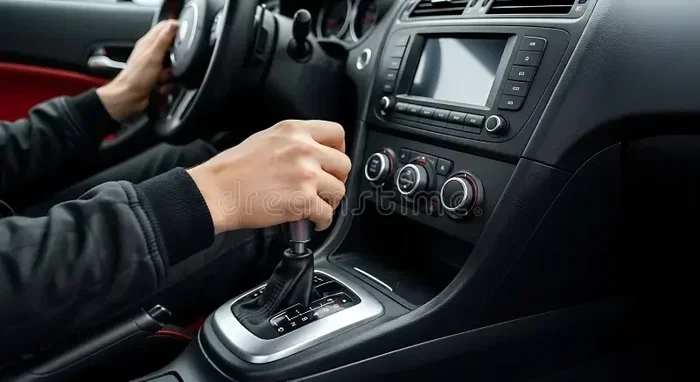
Manual transmissions give the driver full control over when and how to shift. You use the clutch pedal to disengage the engine from the transmission, move the gear lever, and then release the clutch to engage the new gear. This process takes practice to master, but it offers the most control.
With a manual transmission, car gear shifting speed depends on how quickly and smoothly you operate the clutch and gear lever. Experienced drivers can shift in under a second. Beginners often take two to three seconds per shift. The gap between these speeds comes down to technique and muscle memory.
Some key advantages of manual shifting include:
- Greater control over gear selection
- Better fuel economy when shifted correctly
- More engaging and connected driving feel
- Lower repair costs compared to some automatic systems
Automatic Transmission Shifting
Automatic transmissions handle the shifting process for you. Modern automatics use complex hydraulic systems and electronic control units to determine the best shift points. Many automatics now offer manual shift modes or paddle shifters that let the driver override the automatic system.
Even with an automatic, understanding car gear shifting speed is valuable. You can learn to use manual mode to hold lower gears for engine braking on hills. You can also recognize when your transmission is shifting too slowly or roughly, which may indicate a problem.
Automatic transmissions have come a long way. Dual-clutch systems can shift gears in milliseconds. Traditional torque converter automatics are smoother but slightly slower. Continuously variable transmissions (CVTs) eliminate fixed gears entirely for seamless acceleration.
Comparison Table
| Feature | Manual Transmission | Automatic Transmission |
|---|---|---|
| Driver Control | Full control over every shift | Limited control (paddle/mode shift) |
| Shift Speed | Depends on driver skill | Very fast in dual-clutch systems |
| Fuel Efficiency | Higher when driven well | Comparable or better in modern units |
| Learning Curve | Steeper | Easier for beginners |
| Maintenance Cost | Lower | Higher for complex systems |
| Driving Engagement | Very high | Lower (unless manual mode) |
Techniques to Improve Gear Shifting Speed
Now that you understand the basics, let us dive into the techniques that will help you shift faster and smoother. These methods range from simple adjustments to advanced pro techniques.
Rev Matching
Rev matching is one of the most important skills for improving car gear shifting speed. It involves blip the throttle slightly when downshifting to match the engine speed to the wheel speed in the lower gear. Without rev matching, the engine slows down too quickly when you drop a gear, causing a jerk and unnecessary wear on the transmission.
Here is how to do it:
- Press the clutch pedal and move the gear lever to neutral.
- While the clutch is still pressed, give the throttle a quick blip.
- Move the gear lever into the lower gear.
- Release the clutch pedal smoothly.
The goal is to make the downshift feel seamless, as if the car shifted on its own. With practice, rev matching becomes second nature and dramatically improves your shifting speed.
Heel-Toe Shifting
Heel-toe shifting is an advanced technique used by performance drivers. It allows you to brake with the ball of your right foot while blipping the throttle with your toe. This lets you downshift and slow the car at the same time, which is essential for trail braking and spirited driving.
Many professional race car drivers use heel-toe shifting every time they approach a corner. It keeps the car stable and prevents the transmission from being shocked by a sudden gear change. If you want to improve your car gear shifting speed in performance situations, this is a must-learn technique.
Start by practicing heel-toe on a quiet road or empty parking lot. It feels awkward at first, but with a few hours of practice, your foot will learn to do two things at once.
Double Clutching
Double clutching is a technique used mainly in older manual transmissions without synchros. It involves using the clutch twice during a single gear change to match the speeds of the transmission shafts. Modern cars with synchros do not require double clutching, but the technique still has benefits.
Here is the basic process:
- Press the clutch and move to neutral.
- Release the clutch briefly.
- Blip the throttle to raise engine RPM to match the target gear.
- Press the clutch again and move into the target gear.
- Release the clutch smoothly.
Double clutching reduces wear on your synchro rings and makes each shift feel buttery smooth. It is a hallmark of a skilled driver and a great way to improve your overall car gear shifting speed.
Skip Shifting
Skip shifting means jumping over one or more gears when accelerating. For example, you might go from second gear directly to fourth gear. This technique reduces the number of shifts needed and keeps the car in its power band longer.
Skip shifting works best when you have a wide gap between gears and the engine has enough torque to handle the jump. It is commonly used in fuel-efficient driving to keep RPMs low. Just be careful not to skip into a gear that puts too much load on the engine.
Throttle Control During Upshifts
One of the simplest ways to shift faster is to lift off the throttle earlier before each upshift. When you ease off the gas, engine load drops, and the clutch engages more smoothly. This small habit can shave fractions of a second off each shift and make your overall driving feel more fluid.
Conversely, when you are downshifting, a slight throttle blip helps match speeds. Controlling the throttle is the foundation of smooth and fast shifting. Master this, and your car gear shifting speed will improve noticeably.
Common Mistakes That Slow You Down
Even experienced drivers develop bad habits over time. Here are the most common mistakes that hurt your gear shifting speed and your transmission health.
Riding the Clutch
Riding the clutch means keeping partial pressure on the clutch pedal while driving. This causes the clutch disc to slip, generating heat and wearing it out prematurely. It also makes your shifts slower because the clutch never fully engages or disengages.
Always release the clutch pedal fully after engaging a gear. Keep your foot off the clutch pedal when you are not actively shifting. This one habit alone can significantly improve your shifting speed and extend the life of your clutch.
Shifting Too Early or Too Late
Shifting too early means you are in a gear that does not have enough power for your speed. The engine labors, and acceleration suffers. Shifting too late means you hit the rev limiter, which wastes fuel and can damage the engine over time.
The right shift point depends on your vehicle, your driving conditions, and your goals. For normal driving, shifting between 2,000 and 3,000 RPM is usually ideal. For performance driving, you may want to shift closer to 4,000 or 5,000 RPM. Pay attention to how your car sounds and feels to find your sweet spot.
Forcing the Gear Lever
If a gear does not go in easily, do not force it. Forcing the lever can damage the shift forks and synchros. Instead, release the lever, try again with a little more clutch pressure, or double clutch if needed.
Smoothness beats force every time. A patient driver who shifts gently will always be faster in the long run than one who forces gears and causes damage.
Ignoring Transmission Maintenance
Your transmission fluid plays a huge role in shifting speed and smoothness. Old or dirty fluid causes rough shifts, delayed engagement, and increased wear. Check your transmission fluid regularly and change it according to your owner’s manual.
Using the wrong type of fluid can also cause problems. Always use the fluid specified by your vehicle manufacturer. This simple maintenance step keeps your car gear shifting speed at its best for years to come.
Quick Tips for Faster Shifting
Here are some quick, actionable tips you can start using today to improve your gear shifting speed.
- Practice in a safe, empty space: Use a parking lot to experiment with rev matching and heel-toe without pressure.
- Focus on the clutch engagement point: Knowing exactly where the clutch bites makes all the difference.
- Keep your hands relaxed on the gear lever: A tight grip slows you down and causes unnecessary force.
- Listen to your engine: The sound of the engine tells you when to shift better than any gauge.
- Shift with intention: Each shift should be a deliberate, smooth motion, not a rushed guess.
- Keep your transmission fluid fresh: Clean fluid ensures smooth internal operation and fast shifts.
- Learn from professional drivers: Watch racing videos and study how pro drivers use their feet and hands.
Expert Insights on Car Gear Shifting Speed
We spoke with driving instructors and transmission specialists to get their top advice on improving shifting speed. Here is what they had to say.
Consistency is more important than speed. A driving instructor with over 20 years of experience shared that students who focus on smooth, consistent shifts naturally get faster over time. Rushing to shift quickly before mastering the basics leads to bad habits and potential damage.
A transmission specialist added that many drivers underestimate the importance of transmission fluid condition. “Dirty fluid is the number one cause of slow, rough shifting,” he explained. “A fluid change can make a worn transmission feel like new again.”
The consensus among experts is clear: patience, practice, and proper maintenance are the three pillars of fast, smooth shifting. There are no shortcuts, but the rewards are well worth the effort.
Key Takeaways
- Understanding transmission basics gives you the foundation to shift faster and smarter.
- Manual and automatic transmissions each have unique advantages for shifting speed and control.
- Rev matching, heel-toe, and double clutching are pro techniques that dramatically improve your shifting.
- Common mistakes like riding the clutch and forcing gears slow you down and cause damage.
- Regular maintenance keeps your transmission responsive and your shifting speed at its peak.
- Practice makes perfect: spend time in safe environments to build muscle memory and confidence.
Conclusion
Improving your car gear shifting speed is one of the most rewarding skills you can develop as a driver. It makes you safer, more efficient, and more connected to your vehicle. From understanding how your transmission works to mastering advanced techniques like rev matching and heel-toe shifting, every step you take brings you closer to shifting like a professional.
Remember that speed comes with practice. Do not rush the process. Focus on smoothness first, and speed will follow naturally. Avoid common mistakes like riding the clutch and forcing gears, and keep up with regular transmission maintenance. Your car will thank you with smoother shifts, better performance, and a longer lifespan.
Start applying these techniques today. Find a safe space to practice, and give yourself permission to make mistakes. Every driver was once a beginner. With dedication and the right knowledge, you will be shifting gears like a pro before you know it.
Frequently Asked Questions
What is the ideal RPM to shift gears for better car gear shifting speed?
For most daily drivers, shifting between 2,000 and 3,000 RPM provides the best balance of speed and smoothness. Performance drivers often shift closer to 4,000 or 5,000 RPM. The ideal shift point depends on your vehicle, engine type, and driving goals. Listen to your engine and feel for the power drop to find your personal sweet spot.
Does double clutching really make a difference in shifting speed?
Yes, double clutching makes a significant difference. It reduces wear on synchro rings and makes each shift smoother and faster. While modern cars with synchros do not require double clutching, the technique is still valuable for older vehicles and for drivers who want maximum control over their gear changes.
Can I improve my car gear shifting speed with an automatic transmission?
Absolutely. Even with an automatic, you can improve shifting speed by using manual mode or paddle shifters when available. You can also learn to recognize when your transmission shifts and anticipate those moments. Regular maintenance and using the correct fluid also keep automatic shifts fast and responsive.
Is heel-toe shifting difficult to learn?
Heel-toe shifting feels challenging at first, but it becomes natural with practice. Start by sitting in a parked car and practicing the foot motion without driving. Once you are comfortable, try it on quiet roads. Most drivers master the basics within a few hours of practice.
Why does my car hesitate or jerk when I shift gears?
Hesitation or jerking during shifts often points to worn clutch components, low transmission fluid, or damaged synchros. It can also happen if you are releasing the clutch too quickly or not rev matching during downshifts. Have a mechanic inspect your transmission if the problem persists.
How often should I change my transmission fluid to maintain shifting speed?
Most manufacturers recommend changing transmission fluid every 30,000 to 60,000 miles. Check your owner’s manual for the specific interval. Fresh fluid keeps the internal components lubricated and ensures smooth, fast shifts. Skipping fluid changes is one of the fastest ways to degrade your shifting performance.