Is It Better to Get a Hybrid or Plug-In Hybrid Car
Choosing between a hybrid or plug-in hybrid car depends on your daily driving, budget, and charging access. A standard hybrid uses its electric motor to boost fuel efficiency without ever needing a plug, while a plug-in hybrid gives you the option to drive on electric power alone for shorter trips. Both offer improved fuel economy and lower emissions, but they serve very different driving needs and lifestyles.
Key Takeaways
- Standard hybrids are effortless: They charge themselves and need no plugging in, making them ideal for casual drivers.
- Plug-in hybrids offer electric-only driving: You can commute on battery power and still enjoy a gasoline engine for longer trips.
- Fuel savings differ by driving style: Plug-in hybrids save more money if you charge regularly; standard hybrids save more if you never plug in.
- Tax credits and incentives favor plug-in hybrids: Many governments offer rebates that can offset the higher upfront cost.
- Your daily commute distance matters most: Short commutes favor plug-in hybrids; long, varied commutes may favor standard hybrids.
- Maintenance costs are similar: Both types share many of the same components and service needs.
- Resale value is strong for both: Fuel-efficient vehicles continue to hold their value well in today’s market.
📑 Table of Contents
- Hybrid or Plug-In Hybrid: Which One Actually Makes Sense for You?
- What Exactly Is a Hybrid Car?
- What Exactly Is a Plug-In Hybrid?
- Hybrid vs Plug-In Hybrid: Head-to-Head Comparison
- Which One Saves You More Money?
- How to Choose the Right One for Your Lifestyle
- Common Mistakes People Make When Choosing
- Conclusion
- FAQs
Hybrid or Plug-In Hybrid: Which One Actually Makes Sense for You?
So you are thinking about buying a hybrid or plug-in hybrid car. That is a great starting point. These vehicles sit right at the sweet spot between traditional gasoline cars and fully electric vehicles. They give you better fuel efficiency without the range anxiety that comes with a pure electric car.
But here is the thing. Not all hybrids are created equal. A standard hybrid and a plug-in hybrid look similar on the outside. Under the hood, they work very differently. One charges itself while you drive. The other needs you to plug it in overnight. That single difference changes everything about how you use the car, how much you save, and what kind of driving experience you get.
In this guide, we will break down every major difference. We will look at how each type works, what they cost, who they suit best, and how to make the right choice for your life. By the end, you will know exactly which one to buy.
What Exactly Is a Hybrid Car?
A standard hybrid car combines a small electric motor with a gasoline engine. The two power sources work together to move the car. You never need to plug it in. The car handles everything on its own.
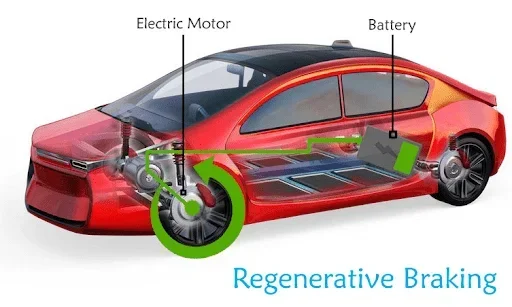
Here is how it works in simple terms. When you slow down, the car uses regenerative braking to capture energy. That energy gets stored in a small battery pack. Later, when you accelerate or cruise, the electric motor uses that stored energy to help the gasoline engine. The result is better fuel economy and smoother power delivery.
How a Full Hybrid Works
A full hybrid can run on electric power alone for short distances. Usually this happens at low speeds, like in traffic or parking lots. The gasoline engine kicks in when you need more power. The car switches between the two seamlessly. You barely notice it happening.
Some popular full hybrids include the Toyota Prius and the Honda Accord Hybrid. These cars have been on the road for years. They are proven, reliable, and very efficient. You can expect fuel economy in the range of 40 to 55 MPG depending on the model.
What About Mild Hybrids?
A mild hybrid is a lighter version of the same idea. The electric motor cannot drive the car on its own. Instead, it assists the gasoline engine during acceleration. It also powers accessories like the air conditioning and radio when the engine is off.
Mild hybrids are the most affordable hybrid option. They offer a small boost in fuel efficiency compared to regular gasoline cars. If you want a taste of hybrid technology without a big price jump, a mild hybrid is worth considering.
What Exactly Is a Plug-In Hybrid?
A plug-in hybrid, often called a PHEV, is like a hybrid car with a bigger battery. You plug it into a charging station or a regular wall outlet to refill that battery. Once the battery is charged, you can drive on electric power alone for a set distance.
Most plug-in hybrids offer between 20 and 50 miles of electric driving range. That is plenty for a daily round-trip commute. Once the battery runs low, the gasoline engine takes over just like a standard hybrid. You never have to worry about running out of charge on a road trip.
The Charging Process
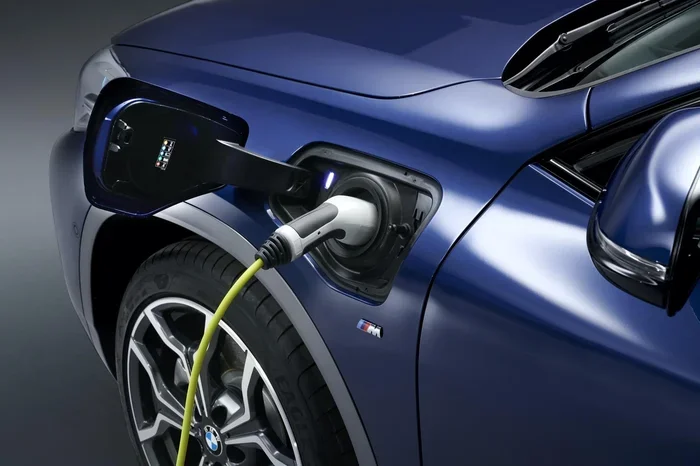
Plugging in a plug-in hybrid is simple. You use a charging cable that fits a standard home outlet or a dedicated charging station in your garage. A full charge usually takes between 2 and 6 hours on a home outlet. With a faster charging station, you can cut that time in half.
Some plug-in hybrids also support regenerative braking just like standard hybrids. So even if you forget to plug in, the car still recovers energy while you drive. It is a nice backup, but it will not fully recharge the battery on the go.
Popular Plug-In Hybrid Models
The market for plug-in hybrid cars has grown fast. Some well-known models include the Toyota RAV4 Prime, the Ford Escape PHEV, and the Mitsubishi Outlander PHEV. These vehicles combine the flexibility of a gasoline engine with the efficiency of electric driving. They appeal to people who want the best of both worlds.
Hybrid vs Plug-In Hybrid: Head-to-Head Comparison
Now let us get down to the real question. How do these two types compare? Below is a side-by-side look at the key factors that matter most to buyers.
| Feature | Standard Hybrid | Plug-In Hybrid |
|---|---|---|
| Needs Plugging In | No | Yes |
| Electric-Only Range | 1-3 miles | 20-50 miles |
| Fuel Economy (MPG) | 40-55 MPG | 25-50 MPG (electric + gas) |
| Upfront Cost | Lower | Higher |
| Tax Credits | Rarely eligible | Often eligible |
| Maintenance | Low | Low to Moderate |
| Best For | No charging access | Daily short commutes |
| Carbon Footprint | Reduced | Significantly Reduced |
Fuel Economy and Range
A standard hybrid shines when it comes to overall fuel economy. Because the battery is smaller, the car weighs less. It sips gasoline and rarely needs anything other than a trip to the fuel pump. A plug-in hybrid uses more fuel when the battery is empty. But when you charge it regularly, it can match or even beat a standard hybrid in real-world savings.
If your daily commute is under 30 miles, a plug-in hybrid can run almost entirely on electricity. You would barely touch the gas tank. That is a huge win for cost savings and environmental impact.
Upfront Cost and Incentives
Plug-in hybrids cost more to buy than standard hybrids. The bigger battery pack adds to the price. But many governments offer a tax credit or rebate that can bring the cost down significantly. In the United States, federal tax credits for plug-in hybrids can range from a few hundred to several thousand dollars.
Standard hybrids are cheaper upfront. They also tend to have lower insurance costs in some cases. If you are watching your budget closely, a standard hybrid might make more sense right out of the gate.
Environmental Impact
Both types of hybrid vehicles reduce your carbon footprint compared to a pure gasoline car. A plug-in hybrid goes a step further. When you drive on electric power, you produce zero tailpipe emissions. Over time, that adds up to a meaningful difference in air quality and greenhouse gas output.
If you care deeply about the environmental impact of your vehicle, a plug-in hybrid is the clear winner. Just make sure you actually plug it in. A plug-in hybrid that never gets charged is essentially just a regular hybrid with extra weight.
Which One Saves You More Money?
This is where things get interesting. The answer depends entirely on your situation. Let us look at the two main scenarios.
Scenario 1: You Can Charge at Home
If you have a garage or a driveway with access to an electrical outlet, a plug-in hybrid can save you real money. You charge overnight, drive on battery power during the day, and barely use any gasoline. Over a year, those cost savings add up fast.
Plus, many utility companies offer lower electricity rates at night. Charging your car during off-peak hours keeps your energy bill low. When you factor in the tax credit, the total cost of ownership can be very competitive.
Scenario 2: You Cannot Charge at Home
If you live in an apartment or a home without a garage, plugging in is not practical. In that case, a standard hybrid car is the smarter choice. You get excellent fuel economy without any hassle. You just drive, fill up, and go.
A plug-in hybrid that never gets plugged in wastes its biggest advantage. You pay more upfront for a battery you barely use. A standard hybrid gives you strong fuel efficiency at a lower price with no extra effort.
The Long-Term Picture
Over five to ten years, the cost savings from either type can be substantial. Fuel is one of the biggest ongoing expenses of car ownership. Both hybrids and plug-in hybrids reduce that expense. The key is matching the vehicle to your actual driving and charging habits.
How to Choose the Right One for Your Lifestyle
Choosing between a hybrid or plug-in hybrid comes down to a few simple questions. Answer these honestly, and the right choice will become clear.
Ask Yourself These Questions
- How long is your daily commute? If it is under 40 miles round trip, a plug-in hybrid can cover most of it on electric power alone.
- Do you have access to a charger at home or work? If yes, a plug-in hybrid makes a lot of sense. If no, stick with a standard hybrid.
- Do you take long road trips often? Both types handle long trips well. The gasoline engine ensures you are never stranded.
- What is your budget? Plug-in hybrids cost more upfront. Standard hybrids are more affordable and still deliver strong fuel economy.
- How important is reducing your carbon footprint? If this is a top priority, the plug-in hybrid gives you the biggest environmental benefit.
Quick Tips for Making Your Decision
- Test drive both types before you decide. The driving feel is different.
- Calculate your daily mileage honestly. Do not overestimate or underestimate.
- Check local and federal incentives for plug-in hybrids. They can make a big difference.
- Consider resale value. Both types hold value well, but plug-in hybrids are newer to the market.
- Think about your next car, not just this one. Will your driving needs change in the next few years?
Expert Insights on Choosing Between Hybrid Types
Automotive experts agree that the best choice depends on your daily routine. According to consumer reports and automotive analysts, the driving habits of the owner matter more than the car itself. A plug-in hybrid owner who charges every night will always save more fuel than a standard hybrid owner. But a standard hybrid owner who never has the option to plug in will save more than a plug-in hybrid owner who never charges.
The bottom line is this. Match the technology to your life. Do not buy a plug-in hybrid thinking it will magically save you money if you never plug it in. And do not buy a standard hybrid thinking it will give you electric-only driving. Know what you need, and the right choice becomes obvious.
Common Mistakes People Make When Choosing
Buying a hybrid or plug-in hybrid car is a smart move. But buyers often make mistakes that cost them money and disappointment. Here are the most common ones to avoid.
Mistake 1: Assuming a Plug-In Hybrid Will Always Save More
This is the biggest misconception. A plug-in hybrid only saves more money if you actually plug it in and charge it regularly. If you treat it like a standard hybrid, you are paying extra for a battery that does not work for you.
Mistake 2: Ignoring the Total Cost of Ownership
Upfront price is not the whole story. Factor in fuel costs, maintenance, insurance, and any tax credits you qualify for. Sometimes the cheaper car upfront ends up being more expensive over five years.
Mistake 3: Overestimating Electric-Only Range
Manufacturers list ideal electric range numbers. Real-world range is often lower. Cold weather, highway driving, and heavy loads all reduce battery range. Plan for the realistic number, not the advertised one.
Mistake 4: Forgetting About Maintenance
Both types of hybrids have lower maintenance costs than gasoline cars. But plug-in hybrids have an extra complex system. The larger battery, the charging port, and the power electronics all need attention over time. Stay on top of your maintenance schedule.
Mistake 5: Not Considering Your Charging Options
Before you buy a plug-in hybrid, make sure you have a way to charge it. Installing a home charging station costs a few hundred dollars. If that is not possible, a standard hybrid is the better fit.
Conclusion
The debate between a hybrid or plug-in hybrid car does not have a one-size-fits-all answer. It depends on your driving habits, your budget, and your access to charging. A standard hybrid is simple, affordable, and delivers excellent fuel economy without any extra effort. A plug-in hybrid offers the thrill of electric driving for daily commutes and the freedom of a gasoline engine for longer trips.
If you can charge at home and your commute is short, a plug-in hybrid is likely the better choice. You will enjoy lower fuel costs, cost savings on energy, and a reduced carbon footprint. If you cannot charge regularly or prefer a set-it-and-forget-it approach, a standard hybrid still delivers outstanding value.
Either way, you are making a smart move. Both options offer better fuel efficiency than traditional gasoline cars. Both reduce your environmental impact. And both give you a driving experience that is smooth, responsive, and modern. Take your time, consider your needs, and choose the one that fits your life best.
FAQs
Is a plug-in hybrid worth it if I cannot charge at home?
Not really. A plug-in hybrid is designed to be plugged in regularly. If you cannot charge at home or work, you will rarely use the electric-only mode. In that case, a standard hybrid gives you better value for your money. You get the same fuel-saving benefits without paying extra for a battery you will not fully use.
How long does the hybrid battery last?
Most hybrid batteries are designed to last 8 to 10 years or around 100,000 to 150,000 miles. Many owners find that their batteries last even longer with proper care. Regular maintenance and avoiding extreme temperature extremes help extend battery life significantly.
Can I plug a plug-in hybrid into a regular household outlet?
Yes, you can. Most plug-in hybrids come with a charging cable that fits a standard 120-volt home outlet. However, charging this way is slow. It can take 6 to 8 hours for a full charge. For faster charging, consider installing a 240-volt charging station in your garage or driveway.
Do hybrid cars need special maintenance?
Not really. Hybrids follow the same basic maintenance schedule as gasoline cars. You still need oil changes, tire rotations, and brake inspections. The regenerative braking system actually reduces wear on your brake pads, which can save you money over time. The hybrid battery system is mostly maintenance-free.
Which hybrid type has better resale value?
Both types hold their value well because fuel-efficient cars remain in high demand. Plug-in hybrids are newer to the market, so long-term resale data is still limited. Standard hybrids like the Toyota Prius have a proven track record of strong resale value. Overall, both are solid choices for keeping your value over time.
Will a hybrid save me money compared to a regular gas car?
Yes, in most cases. Hybrids use significantly less fuel, which means fewer trips to the gas station. Over several years, the cost savings on fuel can offset the higher purchase price. The exact savings depend on your driving habits, fuel prices in your area, and how much you drive each year.