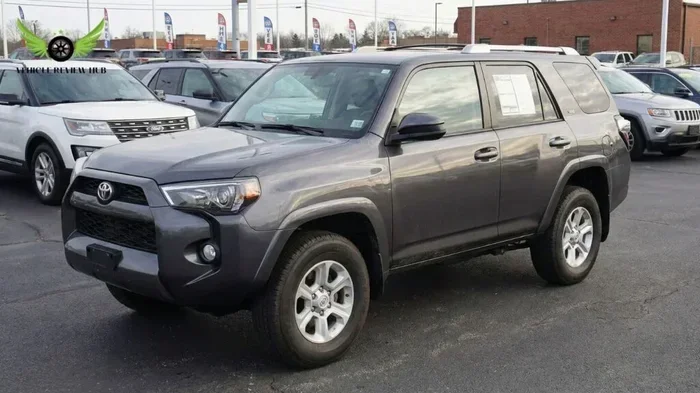
Does the RAV4 Have Transmission Problems You Should Know
The Toyota RAV4 is generally a reliable SUV, but some model years have reported transmission problems. Owners have noticed issues like jerky shifting, whining noises, and transmission slipping, especially in certain years. This guide breaks down the common RAV4 transmission issues, what causes them, how much repairs cost, and what you can do to prevent them.
The Toyota RAV4 is one of the best-selling SUVs on the market. It has a loyal fan base, solid fuel economy, and a reputation for reliability. But when it comes to the transmission, some owners have raised concerns. If you own a RAV4 or are thinking about buying one, you want to know the truth. Does the RAV4 have transmission problems? The short answer is yes, but it is not the whole story.
In this article, we will walk through everything you need to know about RAV4 transmission issues. We will cover which model years are most affected, what symptoms to watch for, how much repairs cost, and what you can do to protect your investment. We will also share practical tips that can help you avoid costly fixes down the road. If you have ever wondered about RAV4 transmission reliability, this guide has your answers.
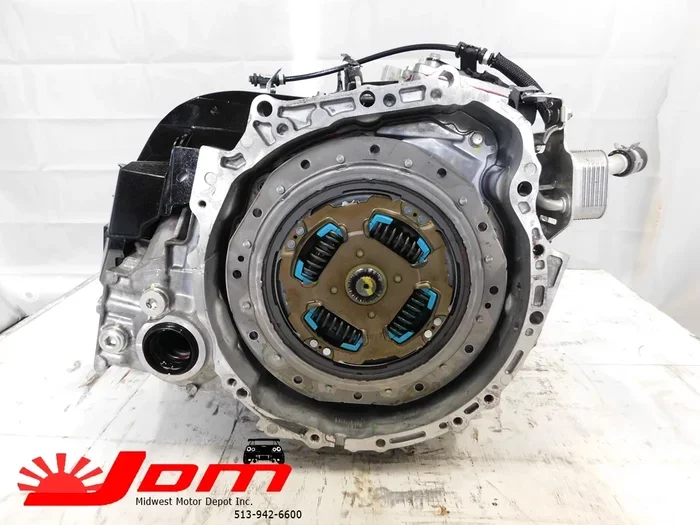
Let us start by understanding what kind of transmission the RAV4 uses and why that matters. The RAV4 has used both traditional automatic transmissions and CVT (continuously variable) transmissions over the years. CVT transmissions are different from standard automatics. They use a belt and pulley system instead of fixed gears. This design can be more fuel efficient, but it also has its own set of weaknesses. Understanding this difference is key to understanding the problems some owners have faced.
Key Takeaways
- Some RAV4 model years have known transmission issues: especially 2013-2018 models with CVT transmissions.
- Common symptoms include jerking, slipping, and whining noises: these are early warning signs you should not ignore.
- Regular transmission fluid changes help prevent problems: staying on top of maintenance is the best defense.
- Repair costs vary widely: from simple fluid changes to full transmission replacement costing over $3,000.
- Toyota offers powertrain warranties: check if your vehicle is still covered before paying for repairs.
- Practice good driving habits: avoiding aggressive starts and stops extends transmission life.
📑 Table of Contents
Common RAV4 Transmission Problems
Not every RAV4 will have transmission trouble. But certain problems show up more often than others. Here are the most common issues reported by owners and mechanics.
Jerking or Shuddering During Acceleration
This is one of the most frequently reported problems. Owners describe a sudden jerk or shudder when they press the gas pedal. It often happens at low speeds or when pulling away from a stoplight. The feeling can be unsettling, especially if it happens every time you drive.
The cause is usually related to the CVT belt or internal clutch wear. In some cases, old or contaminated transmission fluid is the culprit. When the fluid breaks down, it cannot lubricate the internal parts properly. This leads to rough and jerky movement. If you notice this, do not ignore it. Early attention can save you from a much bigger repair later.
Transmission Slipping
Transmission slipping means the RAV4 feels like it is changing gears on its own or losing power. You might notice the engine revving higher without a corresponding increase in speed. This is a serious issue that should be addressed immediately.
Slipping can happen when the transmission bands or clutch packs wear out. It can also be caused by low fluid levels or a failing torque converter. If your RAV4 is slipping, get it inspected right away. Driving with a slipping transmission can cause further damage and increase repair costs significantly.
Whining or Grinding Noises
Unusual sounds from the transmission area are never a good sign. A whining noise, especially when the RAV4 is in gear or turning, can point to internal wear. Some owners report a grinding sound when shifting between drive and reverse.
These noises often come from worn bearings or damaged gears inside the transmission. Sometimes, low fluid levels cause the whining. Other times, the damage is already done inside. If you hear any new or strange sounds, have a mechanic take a look as soon as possible.
Delayed or Hesitant Shifting
When you press the gas and the RAV4 takes a long time to respond, that is delayed shifting. It can feel like there is a lag between your foot and the movement of the vehicle. This problem is more common in older model years.
Delayed shifting can be caused by worn valve bodies, dirty fluid, or failing solenoids. The solenoids control fluid flow inside the transmission. When they get clogged or fail, the shifting becomes slow and unresponsive. A fluid change or solenoid replacement can often fix this issue if caught early.
Which RAV4 Model Years Are Affected?
Not all RAV4s have transmission problems. But certain years have drawn more complaints than others. Here is a closer look at what owners have reported.
2013-2018 RAV4 Models
The 2013 through 2018 RAV4 models used a CVT transmission that received the most complaints. Owners of these years reported jerking, shuddering, and premature wear. Toyota acknowledged some of these concerns and extended warranties on certain components in specific markets.
If you own or are considering a RAV4 from this range, ask for a full transmission inspection. Check the service records to see if the fluid has been changed regularly. A well-maintained CVT from this era can still last a long time, but it requires attention.
2019 and Newer RAV4 Models
Toyota made significant improvements to the RAV4 starting in 2019. The newer models use an updated 8-speed automatic transmission instead of the CVT. This change addressed many of the earlier complaints. Owners of 2019 and newer RAV4s generally report fewer transmission issues.
That said, no vehicle is perfect. Some newer owners have still reported occasional shifting concerns. But overall, the feedback for recent model years is much more positive. If you want a RAV4 with fewer transmission worries, the 2019+ models are a solid choice.
What Causes RAV4 Transmission Problems?
Understanding the root causes helps you take preventive action. Here are the main reasons RAV4 transmissions develop issues over time.
Neglected Transmission Fluid
This is the number one cause of transmission problems across all vehicles. Transmission fluid lubricates, cools, and cleans the internal components. Over time, it breaks down and loses its effectiveness. Old fluid leads to increased friction, overheating, and premature wear.
Many RAV4 owners do not realize how important regular fluid changes are. If you have ever wondered about your vehicle’s maintenance schedule, check your owner manual. Most Toyota experts recommend changing the transmission fluid every 30,000 to 60,000 miles. Staying on top of this simple task can add years to your transmission life.
Driving Habits
How you drive matters more than you might think. Aggressive acceleration, hard braking, and towing heavy loads all put extra stress on the transmission. If you frequently drive in stop-and-go traffic, your transmission works even harder.
Try to adopt smoother driving habits. Accelerate gently and allow the vehicle to warm up before pushing it hard. If you carry heavy loads, be extra mindful of your transmission temperature. These small changes can make a big difference over time.
Manufacturing Defects
In some cases, the problems are not caused by the owner at all. Manufacturing defects in the CVT belt, pulleys, or internal components have been reported. Toyota has issued recalls and extended warranties to address some of these issues.
If your RAV4 is affected by a recall or warranty extension, you may be able to get the repair done for free. Check with your local Toyota dealership to see if your vehicle qualifies. You can also visit the NHTSA website to look up recalls by VIN.
Overheating
Transmissions generate a lot of heat, especially under heavy use. When the transmission overheats, the fluid degrades faster and internal parts can warp or seize. Overheating is a leading cause of premature transmission failure.
Make sure your cooling system is working properly. If you tow or carry heavy loads, consider adding an external transmission cooler. Keeping an eye on your temperature gauge during long drives is also a smart habit.
How Much Does RAV4 Transmission Repair Cost?
The cost of fixing a RAV4 transmission problem depends on the severity of the issue. Here is a breakdown of what you might expect to pay.
| Repair Type | Estimated Cost Range |
|---|---|
| Transmission Fluid Change | $150 – $300 |
| Solenoid Replacement | $300 – $600 |
| Torque Converter Repair | $600 – $1,200 |
| Transmission Rebuild | $2,500 – $4,000 |
| Full Transmission Replacement | $3,500 – $7,000 |
As you can see, the cost can vary a lot. A simple fluid change is affordable and should be done regularly. But a full transmission replacement is a major expense. This is why catching problems early is so important. The sooner you address a small issue, the less it will cost you.
If you are worried about repair costs, consider an extended warranty or a maintenance plan. Some third-party warranty providers cover transmission repairs. Just make sure you read the fine print and understand what is covered before you commit.
How to Prevent Transmission Problems in Your RAV4
The best way to deal with transmission problems is to prevent them from happening in the first place. Here are practical steps you can take to protect your RAV4.
Follow the Maintenance Schedule
Toyota provides a detailed maintenance schedule in the owner manual. Follow it closely. Regular oil changes, fluid checks, and inspections keep everything running smoothly. Do not skip scheduled services, even if your RAV4 seems fine. Prevention is always cheaper than repair.
Check Fluid Levels Regularly
Make it a habit to check your transmission fluid level at least once a month. Low fluid can cause all kinds of problems, from rough shifting to overheating. If the fluid looks dark or smells burnt, it is time for a change. Fresh fluid keeps the transmission cool and lubricated.
Listen to Your Vehicle
Your RAV4 will tell you when something is wrong if you pay attention. Unusual noises, vibrations, or changes in how the vehicle shifts are all warning signs. Do not wait for the check engine light to come on. By then, the problem may already be serious. Trust your instincts and get anything unusual checked out.
Avoid Overloading Your Vehicle
The RAV4 has a towing capacity and payload limit for a reason. Exceeding these limits puts extra strain on the transmission and other components. If you need to haul heavy items, make sure you stay within the manufacturer’s recommended limits. Your transmission will thank you.
When to See a Mechanic
Some transmission issues are easy to overlook in the early stages. But knowing when to seek professional help can save you thousands of dollars. Here are clear signs that it is time to visit a mechanic.
- Check engine light is on: do not ignore this. It could be a transmission sensor or a more serious problem.
- Burning smell: a burnt odor usually means overheating transmission fluid. This needs immediate attention.
- Fluid leaks: if you see red or brown fluid under your RAV4, have it checked right away.
- Warning lights on the dashboard: any transmission-related warning should be taken seriously.
- Unusual behavior: if the RAV4 hesitates, jerks, or refuses to shift, do not keep driving it.
Finding a trusted mechanic who knows Toyotas makes all the difference. A specialist will have the right diagnostic tools and experience to identify the problem quickly. If you are near a local dealership, they can also run diagnostics, though independent shops often charge less for labor.
Also, if you have ever dealt with starting issues related to your key or remote, you know how frustrating car problems can be. If your RAV4 has been giving you trouble beyond just the transmission, it might be worth checking if your issues are related to your remote key system or other electrical components. Sometimes what feels like a transmission problem is actually a sensor or electrical issue that mimics the same symptoms.
Expert Tips for Long-Lasting RAV4 Transmission Health
We asked experienced Toyota technicians what they recommend for keeping a RAV4 transmission in top shape. Here is what they had to say.
- Change the fluid on schedule. Do not wait until the fluid looks bad. Preventive changes are the best investment you can make.
- Use the right fluid. Always use the transmission fluid specified in your RAV4 owner manual. Using the wrong fluid can cause damage.
- Warm up the vehicle gently. Avoid hard acceleration in the first few minutes of driving. Let the fluid circulate and warm up gradually.
- Address small issues immediately. A small leak or minor noise today can become a major repair next month. Early action saves money.
- Keep records of all maintenance. A documented service history increases resale value and helps mechanics diagnose problems faster.
These tips come from professionals who work on RAV4s every day. Following them consistently will help your transmission last well beyond 200,000 miles. The RAV4 is built to be durable, but it needs care and attention to reach its full potential.
Final Thoughts
So, does the RAV4 have transmission problems? The honest answer is that some do, but not all. The RAV4 remains one of the most reliable SUVs in its class. Most owners will drive their RAV4s for years without major transmission issues. The key is staying informed and being proactive with maintenance.
If you own a RAV4 from the 2013-2018 range with a CVT, pay extra attention to your transmission health. Watch for the warning signs we discussed. Keep up with fluid changes and get professional help at the first sign of trouble. For owners of newer models, the risk is much lower, but regular maintenance is still essential.
A well-maintained RAV4 transmission can last the lifetime of the vehicle. Do not let fear of potential problems keep you from enjoying one of the best SUVs on the road. Stay informed, stay proactive, and your RAV4 will keep running strong for miles to come.
Remember, if you ever notice anything unusual with your vehicle, do not wait. The faster you address a problem, the easier and cheaper the fix will be. Your RAV4 is a valuable investment, and taking care of the transmission is one of the best ways to protect that investment for the long haul.
Frequently Asked Questions
What are the first signs of transmission trouble in a RAV4?
The earliest signs include jerking during acceleration, whining noises, and delayed shifting. You might also notice the check engine light coming on or a burning smell from the engine bay. If you experience any of these symptoms, have your RAV4 inspected by a qualified mechanic as soon as possible.
How often should I change the transmission fluid in my RAV4?
Toyota recommends changing the transmission fluid every 30,000 to 60,000 miles for most RAV4 models. However, if you drive in heavy traffic or tow frequently, you may need to change it more often. Always refer to your owner manual for the specific maintenance schedule for your model year.
Is the RAV4 CVT transmission reliable?
The RAV4 CVT transmission has mixed reviews. While it is fuel efficient, some model years (especially 2013-2018) have reported reliability concerns. Newer models with the 8-speed automatic transmission have received much better feedback. Regular maintenance plays a big role in how long any CVT lasts.
Can I drive my RAV4 if the transmission is slipping?
It is not recommended to drive a RAV4 with a slipping transmission. Driving under these conditions can cause further damage and lead to much more expensive repairs. If you notice slipping, pull over safely and have the vehicle towed to a mechanic for diagnosis and repair.
Does Toyota cover transmission repairs under warranty?
Toyota offers a powertrain warranty that covers transmission defects. The basic warranty covers 3 years or 36,000 miles, while the powertrain warranty extends to 5 years or 60,000 miles. Some transmission issues may also be covered by recalls or extended warranty programs. Check with your dealer to confirm your specific coverage.
What is the average cost to replace a RAV4 transmission?
A full RAV4 transmission replacement typically costs between $3,500 and $7,000, depending on the model year and labor rates in your area. Rebuilding the transmission is usually less expensive, ranging from $2,500 to $4,000. Getting multiple quotes from reputable shops can help you find the best price.