Does Tesla Service Center Tint Windows For You Today
Does Tesla Service Center Tint Windows? The short answer is no — Tesla service centers do not typically offer window tinting as a standard service. However, you can still get your Tesla tinted through authorized third-party shops or by doing it yourself. Tesla factory tint is minimal and often leaves owners wanting more privacy and heat rejection. This guide walks you through every option, cost, and consideration so you can make the best choice for your vehicle.
If you own a Tesla, you already know how much you love the sleek design and modern technology. But one thing that bothers many Tesla owners is the factory window tint. It is thin, light, and does very little to block heat or glare. So, does Tesla service center tint windows? The honest answer is no. Tesla service centers focus on repairs, maintenance, and software updates. They do not offer window tinting as part of their service menu. But that does not mean you are stuck with bad tint forever. There are plenty of ways to get your Tesla windows tinted the right way.
In this guide, we will walk you through everything you need to know about tinting your Tesla. From factory tint details to aftermarket options, costs, and legal limits, we have you covered. Whether you drive a Model 3, Model Y, Model S, or Model X, this article will help you make the best decision for your vehicle and your budget.
Key Takeaways
- Tesla service centers do not offer window tinting: You will need to visit a third-party shop or tint the windows yourself.
- Factory tint is very light: Tesla vehicles come with a minimal shade that offers limited UV and heat protection.
- Aftermarket tint options are plentiful: Ceramic, carbon, and dyed films each offer different benefits for Tesla owners.
- Cost ranges from $200 to $600: The price depends on the type of film, the model, and the shop you choose.
- Legal tint limits vary by state: Always check your local laws before tinting your Tesla windows.
- Professional installation is recommended: A bad DIY tint job can lead to bubbling, peeling, and poor visibility.
- Tinting improves comfort and protection: Better UV blocking, heat rejection, and interior preservation are key benefits.
📑 Table of Contents
- What Is the Factory Tint on Tesla Windows?
- Does Tesla Service Center Tint Windows?
- Your Options for Tinting Tesla Windows
- Types of Window Tint Film for Tesla
- How Much Does It Cost to Tint Tesla Windows?
- Legal Tint Limits You Need to Know
- Benefits of Tinting Your Tesla Windows
- Common Mistakes to Avoid When Tinting Tesla Windows
- Quick Tips for Maintaining Your Tesla Window Tint
- Conclusion
What Is the Factory Tint on Tesla Windows?
Before we talk about tinting options, let us understand what you already have. Every Tesla comes from the factory with a basic window tint. But it is not the kind of tint you see on most luxury cars. Tesla uses a very light, almost clear shade on all windows. This tint is designed to meet federal regulations for window transmittance. It allows a high amount of light to pass through the glass.
The factory tint on Tesla vehicles serves a few basic purposes. It provides a small level of UV protection. It also adds a slight layer of privacy. But honestly, the difference is barely noticeable. On a sunny day, the interior of a Tesla can still get very hot. Glare from the sun can still be a real problem. And if you value privacy, the factory tint simply does not cut it.
Why Tesla Factory Tint Falls Short
There are several reasons why Tesla owners look into aftermarket tinting. The factory tint is extremely thin. It does not block much solar energy. It does not reject heat effectively. And it offers almost no privacy, especially at night when interior lights are on. Here are the main shortcomings of Tesla factory tint:
- Minimal UV protection: The factory tint blocks only a small percentage of harmful UV rays.
- Poor heat rejection: Your Tesla interior will still absorb a lot of solar heat on warm days.
- Low privacy level: People can easily see inside your car, which may be a concern for some owners.
- No glare reduction: Driving during sunrise or sunset can still be uncomfortable without proper tint.
- Thin and fragile: The factory tint can degrade over time and does not offer the durability of aftermarket films.
If you have ever sat in a Tesla after it has been parked in the sun, you know the feeling. The steering wheel is hot, the seats are warm, and the interior smells like heated plastic. This is where good window tinting makes a real difference. Many owners choose to upgrade to a 20 percent window tint or similar shade for better comfort and protection. You can learn more about this popular tint level in our 20 percent window tint complete guide.
Does Tesla Service Center Tint Windows?
This is the question most Tesla owners ask, and the answer is straightforward. Tesla service centers do not tint windows. They are authorized facilities for repairs, maintenance, battery checks, and software updates. Their technicians are trained to work on Tesla-specific systems. But window tinting is not part of their service catalog.
Some Tesla owners have asked if the service center can refer them to a tinting partner. The answer is sometimes. Certain Tesla service centers may have a list of recommended or preferred third-party shops. But they do not perform the tinting themselves. And they do not offer any warranty on tint work done outside their network.
What Tesla Service Centers Do Offer
While Tesla service centers will not tint your windows, they do provide other services that are worth knowing about. Understanding what they offer can help you plan your visit and avoid unnecessary trips.
- Windshield and glass repairs: They can fix chips or cracks in your glass, but they will not add tint.
- Paint and body repairs: For any exterior damage, Tesla service centers handle these professionally.
- Software and hardware diagnostics: They can troubleshoot any electronic or mechanical issues with your vehicle.
- Battery and charging service: This is one of the most common reasons Tesla owners visit service centers.
- Interior and exterior detailing referrals: Some centers may suggest third-party detailing services, but tinting is not standard.
If window tinting is on your mind, you will need to look outside the Tesla service center network. The good news is there are many excellent options available, which we will cover in the next section.
Your Options for Tinting Tesla Windows
Since Tesla service centers do not tint windows, you have three main paths to choose from. Each option has its pros and cons. Your choice will depend on your budget, your skill level, and how much time you are willing to invest.
Option 1: Professional Third-Party Tint Shops
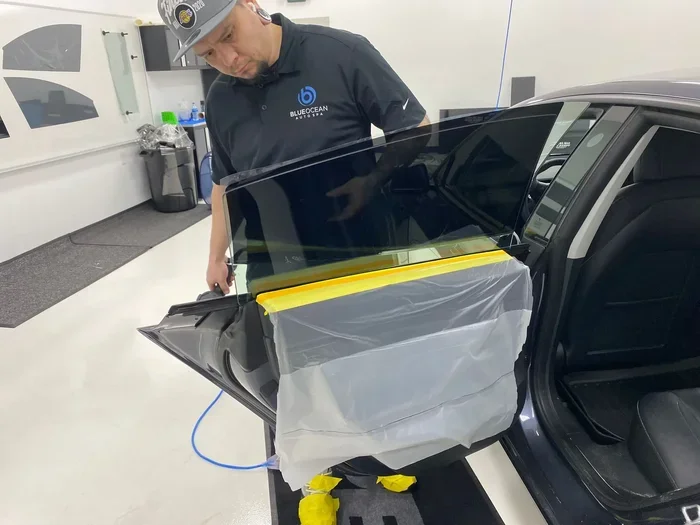
This is the most popular choice for Tesla owners. Professional tint shops have experienced technicians who know how to work with automotive glass. They use high-quality films and proper installation tools. The result is a clean, bubble-free finish that looks great and lasts for years.
When choosing a third-party shop, look for these qualities:
- Experience with Tesla models: Tesla windows have unique curves and glass sizes. A shop familiar with Tesla vehicles will do a better job.
- Quality film brands: Ask about the brands they use. Top brands include Llumar, 3M, SunTek, and SunGuard.
- Warranty coverage: A reputable shop will offer a lifetime or multi-year warranty on their work and materials.
- Clean and professional facility: A good shop will have a clean installation bay and proper ventilation.
- Customer reviews: Check online reviews and ask for references before committing.
Professional installation typically costs between $200 and $600 depending on the film type and your Tesla model. The process usually takes one to three hours. You walk in, and you walk out with beautifully tinted windows.
Option 2: DIY Tinting Kits
Some Tesla owners prefer to tint their windows themselves. DIY tint kits are widely available online and at auto parts stores. They are much cheaper than professional installation, often costing between $50 and $150 for a full set.
But DIY tinting comes with challenges. Applying window tint requires patience, skill, and the right tools. If you make a mistake, the film can bubble, peel, or crease. You may need to redo the entire job, which wastes both time and money. Here are some tips if you decide to go the DIY route:
- Watch tutorial videos first: There are many high-quality tutorials on YouTube that walk you through the process step by step.
- Use a heat gun or hair dryer: Heat helps the film conform to curved Tesla windows.
- Work in a dust-free environment: Dust and debris are the biggest enemies of a clean tint job.
- Take your time: Rushing the process almost always leads to mistakes and bubbles.
- Practice on a spare piece of glass first: If you have any scrap glass, use it to get comfortable with the application.
Keep in mind that DIY tinting may void any existing window warranty on your Tesla. Check with Tesla or your insurance provider before starting a DIY project.
Option 3: Mobile Tinting Services
Mobile tinting services come to your location. This is a convenient option if you do not have time to visit a shop. A mobile technician will bring all the equipment and materials to your home or office. The tinting is done on-site, and you do not need to drive your Tesla anywhere.
Mobile services usually cost a bit more than a standard shop. Prices range from $250 to $700 depending on the film and your location. But the convenience factor is hard to beat. You get the same quality as a professional shop without the hassle of driving to one.
Types of Window Tint Film for Tesla
Not all window tint films are the same. There are several types available on the market, and each one offers different benefits. Understanding the differences will help you choose the right film for your Tesla.
| Film Type | Heat Rejection | UV Protection | Privacy Level | Durability | Price Range |
|---|---|---|---|---|---|
| Dyed Film | Moderate | Good | High | Low to Medium | $50 – $150 |
| Metalized Film | High | Good | Very High | High | $100 – $250 |
| Carbon Film | High | Excellent | Medium | Very High | $150 – $300 |
| Ceramic Film | Very High | Excellent | Medium to High | Very High | $200 – $600 |
Dyed Film
Dyed film is the most affordable option. It uses a layer of dye to absorb solar heat and reduce glare. The privacy level is good, and it blocks a decent amount of UV rays. However, dyed film tends to fade over time. It may also bubble or peel after a few years. For Tesla owners on a tight budget, dyed film is a decent starting point.
Metalized Film
Metalized film contains tiny metallic particles that reflect heat away from the car. It offers excellent heat rejection and very high privacy. The metallic layer also adds strength to the glass, making it more shatter-resistant. The downside is that metalized film can interfere with electronic signals. This may affect your Tesla’s GPS, Bluetooth, and cellular connectivity.
Carbon Film
Carbon film is a step up from dyed film. It does not fade over time, and it does not interfere with electronics. Carbon film offers high heat rejection and excellent UV protection. The privacy level is moderate. Many Tesla owners choose carbon film because it balances performance, durability, and price. It is a solid choice for those who want long-lasting results without breaking the bank.
Ceramic Film
Ceramic film is the premium option. It uses nano-ceramic particles to block heat and UV rays without adding any metallic content. This means it will not interfere with any of your Tesla’s electronic systems. Ceramic film offers the highest level of heat rejection and UV protection available. The privacy level is medium to high, depending on the shade you choose. While it is the most expensive option, ceramic film is also the most durable and performs the best overall.
If you want to explore more about tint percentages and how they affect your driving experience, check out our 20 percent window tint complete guide for detailed insights on shade levels and their benefits.
How Much Does It Cost to Tint Tesla Windows?
Cost is one of the biggest factors when deciding to tint your Tesla windows. The price varies based on the type of film, the shop you choose, and your Tesla model. Here is a general breakdown of what you can expect to pay.
- Dyed film: $100 – $200 for a full set of windows
- Metalized film: $150 – $300 for a full set of windows
- Carbon film: $200 – $400 for a full set of windows
- Ceramic film: $300 – $600 for a full set of windows
These prices are for professional installation at a third-party shop. DIY kits are much cheaper but come with the risk of imperfect results. Mobile tinting services may cost slightly more than a standard shop.
Keep in mind that some shops charge separately for the windshield. In many states, tinting the windshield is restricted or not allowed at all. You may only be able to tint the side and rear windows, which can lower the overall cost.
Is Tinting Worth the Cost?
For most Tesla owners, the answer is yes. Window tinting protects your interior from UV damage. It keeps your car cooler in the summer. It reduces glare for safer driving. And it adds a layer of privacy that the factory tint simply cannot provide. When you consider the cost of replacing a faded interior or dealing with heat damage over the years, tinting is a smart investment.
Legal Tint Limits You Need to Know
Before you tint your Tesla windows, it is very important to understand the legal limits in your area. Every state and country has its own laws regarding how dark your tint can be and which windows can be tinted. Ignoring these laws can lead to fines, failed inspections, and even tickets.
Understanding Tint Percentage
Tint percentage refers to how much light the film allows to pass through the glass. A lower percentage means a darker tint. A higher percentage means a lighter tint. For example, a 5 percent tint is very dark and allows only 5 percent of light through. A 70 percent tint is very light and allows 70 percent of light through.
Most states have different rules for the front side windows, rear side windows, and the rear windshield. The front side windows usually need to allow more light than the rear windows. Here are some common legal limits:
- Front side windows: Usually must allow at least 70 percent of light through.
- Rear side windows: Can often be tinted to 20 percent or darker.
- Rear windshield: Often allowed to be tinted darker, but may require a rearview mirror on both sides.
Always check your local laws before getting your Tesla tinted. A reputable tint shop will know the legal limits in your area and can help you choose a compliant film shade.
Benefits of Tinting Your Tesla Windows
Now that you know the options, costs, and legal considerations, let us talk about why you should tint your Tesla windows. The benefits go far beyond just making your car look better.
- Better heat rejection: A good tint film can block up to 70 percent of solar heat. This keeps your Tesla interior cooler and more comfortable.
- UV protection: Tint film blocks harmful UV rays that can cause skin damage and fade your interior over time.
- Glare reduction: Tinting reduces sun glare, making driving safer and more comfortable, especially during sunrise and sunset.
- Increased privacy: A darker tint makes it harder for people to see inside your car. This adds a layer of security for your belongings.
- Interior protection: UV rays and heat can damage your seats, dashboard, and center console. Tinting helps preserve the interior condition of your Tesla.
- Sleek appearance: A properly tinted Tesla looks even more stylish and premium than it already does.
- Energy efficiency: A cooler interior means less reliance on air conditioning, which can slightly improve your Tesla’s range.
These benefits apply to every Tesla model, from the Model 3 to the Model X. Whether you park your car outside every day or simply want a more comfortable driving experience, window tinting is a worthwhile upgrade.
Common Mistakes to Avoid When Tinting Tesla Windows
Tinting your Tesla windows is not complicated, but there are some common mistakes that can ruin the experience. Avoiding these pitfalls will save you time, money, and frustration.
- Choosing the cheapest film: Low-quality film fades quickly, bubbles, and peels. It is better to invest in a decent film that will last for years.
- Ignoring legal limits: Tinting your windows too dark can result in fines and the requirement to remove the tint entirely.
- Skipping the warranty: Always ask for a written warranty from your tint shop. It protects you against peeling, bubbling, and discoloration.
- Tinting in direct sunlight: Professional shops should install tint in a controlled, clean environment. Avoid shops that work outside in the sun.
- Not curing the film properly: Tint needs time to cure. Avoid rolling down your windows for at least three to five days after installation.
- Using harsh cleaners: After tinting, use only mild, ammonia-free cleaners on your windows to avoid damaging the film.
Expert Insight: According to automotive tint professionals, the best time to tint your Tesla is during the cooler months. The curing process is more stable in moderate temperatures, which leads to a better final result. If you are planning a tint job, consider scheduling it in the fall or spring for optimal conditions.
Quick Tips for Maintaining Your Tesla Window Tint
Once your Tesla windows are tinted, proper maintenance will help the film last longer and look better. Here are some quick tips to keep your tint in top condition:
- Wait at least five days before rolling down your windows. This allows the film to fully cure and adhere to the glass.
- Use a soft microfiber cloth to clean your windows. Avoid abrasive materials that can scratch the film.
- Choose ammonia-free glass cleaners. Ammonia can break down the tint film over time and cause discoloration.
- Avoid parking in direct sunlight for the first few weeks. The heat can affect the curing process and may cause minor bubbling.
- Inspect your tint regularly. Look for any signs of peeling, bubbling, or fading. Addressing issues early can prevent the need for a full redo.
- Keep a small bubble kit on hand. Small bubbles that appear early on can often be smoothed out with a simple squeegee tool.
With proper care, a high-quality window tint can last anywhere from five to ten years or even longer. Taking a few simple precautions will help you get the most out of your investment.
Conclusion
So, does Tesla service center tint windows? No, they do not. Tesla service centers focus on repairs, maintenance, and software updates. They do not offer window tinting as a service. But that should not stop you from getting your Tesla windows tinted. There are many excellent third-party shops, mobile services, and DIY options available to help you achieve the perfect tint for your vehicle.
When you decide to tint your Tesla, consider the type of film that best fits your needs and budget. Ceramic and carbon films offer the best performance and durability. Dyed and metalized films are good options for those on a tighter budget. Always check your local legal tint limits before getting started. And choose a reputable shop with good reviews and a solid warranty.
Tinting your Tesla windows is one of the best upgrades you can make. It improves comfort, protects your interior, and enhances the look of your vehicle. With the right film and professional installation, you will enjoy a cooler, more private, and more comfortable driving experience every time you get behind the wheel.
Take the time to research your options, compare prices, and find a trusted tint shop near you. Your Tesla deserves the best, and a great window tint job will make a real difference in how you experience your vehicle every day.
Frequently Asked Questions
Can I tint my Tesla windows at the Tesla service center?
No, Tesla service centers do not offer window tinting services. They handle repairs, maintenance, and software updates. You will need to visit a third-party tint shop, use a mobile tinting service, or apply a DIY tint kit yourself.
What is the best tint percentage for Tesla windows?
A 20 percent tint is one of the most popular choices for Tesla owners. It offers a good balance of privacy, heat rejection, and legal compliance. However, the best percentage depends on your personal preference and your state’s legal tint laws.
How long does Tesla window tint last?
With proper care, a high-quality window tint can last between five and ten years. Ceramic and carbon films tend to last the longest. Dyed films may fade or peel sooner, typically within three to five years.
Will window tinting affect my Tesla’s electronics?
It depends on the type of film you choose. Metalized film can interfere with electronic signals, including GPS, Bluetooth, and cellular connectivity. Ceramic and carbon films do not cause any interference, making them the best choice for Tesla owners.
Is it legal to tint the windshield of a Tesla?
In most states, tinting the windshield is either illegal or heavily restricted. Some states allow a small strip of tint at the top of the windshield. Always check your local laws before tinting any window, especially the windshield.
How much does it cost to tint all Tesla windows?
The cost typically ranges from $200 to $600 for professional installation. The price depends on the type of film, your Tesla model, and the shop you choose. DIY kits are cheaper but may not provide the same quality of results.