Does a 2005 Toyota Corolla Have a Timing Chain or Belt
The 2005 Toyota Corolla uses a timing chain, not a timing belt. The 1ZZ-FE engine in this model was designed with a durable metal chain that handles the valve timing job. While timing chains are built to last a long time, they still need proper care and occasional attention. Knowing what you have under the hood helps you plan maintenance and avoid costly repairs down the road.
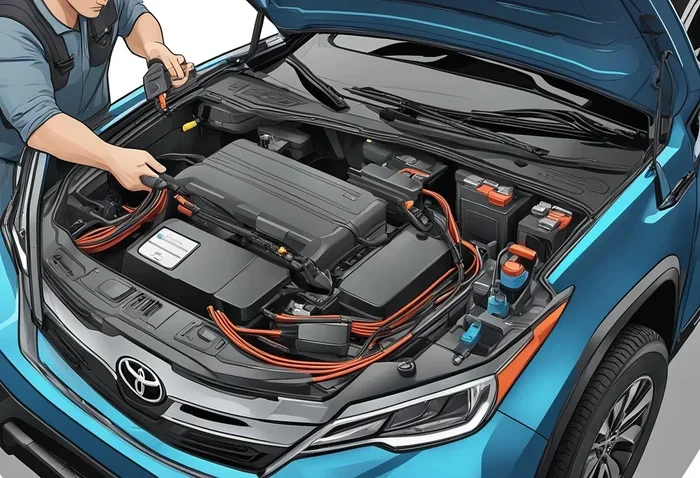
Under the hood of your 2005 Toyota Corolla sits a critical component that keeps everything running in sync. The timing chain (or in some engines, a timing belt) controls the precise movement of the camshaft and crankshaft. It makes sure your engine’s valves open and close at exactly the right time. But does the 2005 Corolla use a chain or a belt? That is the question many owners ask, and the answer has real implications for your maintenance schedule and wallet.
The short answer is that the 2005 Toyota Corolla uses a timing chain. The 1ZZ-FE 1.8-liter four-cylinder engine found in most 2005 Corollas was engineered with a durable metal chain system. Toyota made this choice because timing chains tend to last longer and require less frequent replacement than rubber belts. That said, no component lasts forever, and understanding how your timing chain works can save you from unexpected breakdowns.
Key Takeaways
- The 2005 Toyota Corolla uses a timing chain: The 1ZZ-FE engine comes equipped with a metal timing chain, not a rubber belt.
- Timing chains are built to last: A well-maintained chain can go well beyond 100,000 miles without needing replacement.
- Watch for warning signs: Rattling noises, rough idle, and check engine lights can signal chain stretch or tensioner failure.
- Regular oil changes matter: Clean oil keeps the chain and tensioner components lubricated and functioning properly.
- Replacement is expensive but not frequent: Most owners will never need a full chain replacement if they stay on top of oil changes.
- Know the difference between chain and belt systems: Understanding your engine type helps you make smarter maintenance decisions.
📑 Table of Contents
- What Is a Timing Chain and Why Does It Matter?
- Timing Chain vs. Timing Belt: What Is the Difference?
- Signs Your 2005 Toyota Corolla Timing Chain Is Worn
- How to Maintain Your Timing Chain for Longevity
- Timing Chain Replacement: What to Expect
- Why the 2005 Toyota Corolla Is a Reliable Choice
- Common Mistakes Owners Make with Timing Chains
- Expert Insights: What Mechanics Say About the 2005 Corolla Chain
- Key Takeaways
- Conclusion
What Is a Timing Chain and Why Does It Matter?
A timing chain is a metal roller chain that connects the crankshaft to the camshaft. It works like a bicycle chain but is much more precise and built to handle the high speeds and temperatures inside your engine. The chain wraps around gears at both ends and keeps the crankshaft and camshaft rotating in perfect synchronization.
Here is why this matters so much. The camshaft controls when the intake and exhaust valves open. The crankshaft controls the movement of the pistons. If these two components fall out of sync, even by a few degrees, your engine will not run properly. In the worst case, a broken or slipped chain can cause the pistons to hit the valves. That kind of damage can mean a complete engine rebuild or replacement.
How the Timing Chain Works in the 1ZZ-FE Engine
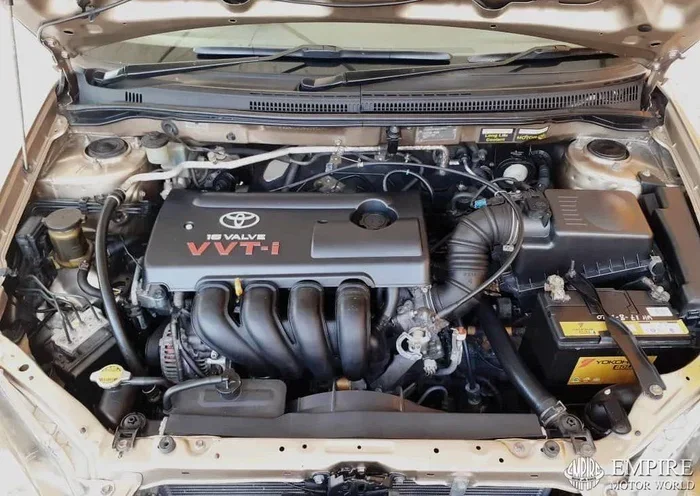
The 1ZZ-FE engine in the 2005 Corolla uses a single-row timing chain. It runs from the crankshaft gear at the bottom of the engine up to the camshaft gear at the top. A chain tensioner keeps the chain tight and prevents it from skipping teeth on the gears. The tensioner uses oil pressure to maintain proper chain slack.
Over time, the chain can stretch slightly. The tensioner compensates for this stretch to a degree. But after many miles, the chain may become too loose. When that happens, you might notice symptoms like a rattling sound when the engine starts or a rough idle. This is your signal to get the timing chain inspected by a qualified mechanic.
Timing Chain vs. Timing Belt: What Is the Difference?
Many car owners confuse timing chains with timing belts. Both serve the same purpose, but they are made of different materials and have different maintenance needs. Understanding the difference helps you make better decisions about your car.
A timing belt is made of reinforced rubber with teeth on the inside. It is quieter and lighter than a chain. But it wears out over time and needs to be replaced every 60,000 to 100,000 miles. A timing chain is made of metal and is much more durable. It typically lasts the life of the engine if properly maintained.
The 2005 Corolla uses a chain, which is one reason this engine has a reputation for reliability. If you are comparing it to older Toyota models or other brands that use belts, the chain design gives you a clear advantage in long-term durability.
| Feature | Timing Chain | Timing Belt |
|---|---|---|
| Material | Metal (steel or alloy) | Reinforced rubber |
| Lifespan | 150,000+ miles (often lifetime) | 60,000 to 100,000 miles |
| Replacement Cost | Higher (more complex) | Lower (simpler access) |
| Noise Level | Slightly louder | Quieter |
| Maintenance | Oil changes keep it healthy | Must be replaced on schedule |
| Used in 2005 Corolla? | Yes | No |
If you have ever wondered whether your engine uses a belt or a chain, the 2005 Corolla is a clear example of a chain-equipped vehicle. And if you want to learn more about how long a chain can actually last, check out this detailed guide on how long a timing chain can last. It covers real-world mileage expectations and factors that affect chain longevity.
Signs Your 2005 Toyota Corolla Timing Chain Is Worn
A timing chain does not usually fail without warning. There are several telltale signs that your chain may be stretching or that the tensioner is wearing out. Catching these symptoms early can prevent major engine damage.
1. Rattling Noise on Startup
The most common early sign of a worn chain is a rattling or clattering noise when you first turn the key. This happens because the loose chain slaps against the guide rails or tensioner before oil pressure builds up and takes up the slack. If you hear this sound every morning, do not ignore it.
2. Rough Idle or Misfiring
A stretched chain can cause the camshaft to rotate slightly out of sync. This leads to rough idling, misfires, or a feeling that the engine is running unevenly. You might also notice a drop in fuel efficiency. These are signs that the valve timing is off, and the chain could be the culprit.
3. Check Engine Light
A failing chain can trigger error codes related to camshaft or crankshaft position sensors. Modern cars like the 2005 Corolla have sensors that detect timing irregularities. If your check engine light comes on with codes like P0016 or P0017, have a mechanic check the timing chain and tensioner as soon as possible.
4. Metal Shavings in the Oil
During a routine oil change, ask your mechanic to check the oil filter for metal particles. Small metal shavings can indicate that the chain or its guide rails are wearing down. This is a serious warning sign that should be addressed immediately.
5. Engine Won’t Start
In severe cases, a completely failed chain will prevent the engine from turning over. If you turn the key and hear nothing, or if the engine cranks but does not fire, a broken chain could be the cause. This is a worst-case scenario that usually results from ignoring earlier warning signs.
If you are experiencing any of these symptoms, it is worth getting a free diagnostic at your local auto parts store to check for error codes. Many stores offer this service at no cost, and it can give you a good starting point before visiting a mechanic.
How to Maintain Your Timing Chain for Longevity
The good news is that maintaining a timing chain is relatively straightforward. The chain itself does not need regular replacement like a belt does. Instead, the key to longevity lies in the simple habit of regular oil changes.
1. Stick to a Regular Oil Change Schedule
Clean engine oil lubricates the chain, tensioner, and guide rails. Over time, oil breaks down and loses its ability to protect metal components. Sludge and contaminants can accelerate chain wear and cause the tensioner to stick. Changing your oil every 5,000 to 7,500 miles with quality synthetic oil goes a long way toward keeping your chain in great shape.
Using a high-quality synthetic oil like Mobil 1 can provide excellent protection for your engine’s internal components. Synthetic oils maintain their viscosity better under high temperatures, which helps the chain and tensioner operate smoothly for many miles.
2. Replace the Oil Filter Regularly
A clogged oil filter restricts oil flow to the timing chain tensioner and other components. Always replace the oil filter during every oil change. This is a small cost that pays big dividends in engine protection.
3. Avoid Short Trips When Possible
Short trips where the engine does not fully warm up can cause oil sludge to build up. This sludge can contaminate the timing chain area and accelerate wear. If you can, combine short errands into longer trips to give your engine time to reach full operating temperature.
4. Address Oil Leaks Promptly
Oil leaks that go unrepaired can lead to low oil levels, which means less lubrication for the chain and tensioner. If you notice any oil spots under your car or a burning oil smell, get it checked right away.
5. Listen to Your Engine
One of the best maintenance tools you have is your own ears. If something sounds different, pay attention. A new rattling noise, a change in engine tone, or unusual vibration can all point to timing chain issues. Early detection saves money.
Timing Chain Replacement: What to Expect
Even with the best maintenance, there may come a time when your timing chain needs to be replaced. Understanding what the process involves and what it costs can help you plan ahead.
How Much Does It Cost?
Replacing a timing chain on a 2005 Toyota Corolla typically costs between $1,000 and $2,000, depending on your location and the shop’s labor rates. The parts themselves are not overly expensive, but the labor is significant because the chain is located deep inside the engine. The job often requires removing the engine front cover, the valve cover, and sometimes other components to access the chain.
What Parts Are Replaced?
A full timing chain replacement usually includes:
- The timing chain itself
- The chain tensioner
- The chain guide rails
- The sprockets (crank and camshaft gears) if worn
- A new set of gaskets and seals
Some mechanics recommend replacing all of these parts at once, even if only the chain shows wear. This prevents the need for a second labor-intensive job if another component fails soon after. It is a good investment if your car has high mileage.
Can You DIY This Repair?
Timing chain replacement is not a beginner-level repair. It requires specialized tools, a good understanding of engine internals, and the patience to set the timing correctly. Unless you have significant mechanical experience, it is best to leave this job to a professional. A poorly installed chain can cause catastrophic engine damage.
Why the 2005 Toyota Corolla Is a Reliable Choice
The 2005 Corolla has earned a strong reputation for reliability, and the timing chain design is a big part of that story. Toyota built the 1ZZ-FE engine to be durable and low-maintenance. The chain system eliminates the need for periodic belt replacements, which saves time and money over the life of the car.
Compared to many competitors from the same era, the 2005 Corolla’s engine design was straightforward and well-engineered. The chain system is less prone to the sudden failures that can happen with rubber belts. While no engine is immune to problems, the 1ZZ-FE is widely regarded as one of Toyota’s solid powerplants.
If you own a 2005 Corolla or are considering buying one, the timing chain should not be a source of worry. With regular oil changes and basic attention to engine health, the chain can easily last well beyond the life of the car. And if you are curious about how other maintenance tasks compare, you might want to read about whether a new serpentine belt can improve your car’s overall performance.
Common Mistakes Owners Make with Timing Chains
Even though the 2005 Corolla’s timing chain is reliable, some common owner mistakes can shorten its lifespan. Avoiding these errors will help keep your engine running strong.
- Skipping oil changes: This is the number one killer of timing chains. Dirty oil does not lubricate properly, and sludge builds up in the chain area.
- Ignoring rattling noises: Many owners dismiss a rattle as normal. A timing chain rattle is not normal and should be investigated.
- Using the wrong oil: Not all oils are created equal. Using the wrong viscosity or low-quality oil can accelerate chain wear.
- Delaying repairs: If a mechanic flags chain stretch or tensioner issues, address them promptly. Waiting can turn a $1,200 repair into a $4,000 engine replacement.
- Overlooking the tensioner: The tensioner is just as important as the chain itself. A failed tensioner can destroy a chain in a matter of minutes.
Expert Insights: What Mechanics Say About the 2005 Corolla Chain
Experienced Toyota mechanics generally agree that the 2005 Corolla’s timing chain is one of the more dependable systems in the 1ZZ-FE engine family. Most technicians report seeing chain failures only in vehicles with very high mileage or those that have been poorly maintained. The consensus is that regular oil changes are the single most important factor in chain longevity.
Some mechanics also note that the 2005 model year sits in a sweet spot for the 1ZZ-FE engine. Earlier versions of this engine had some known issues with the VVT-i system, but by 2005, Toyota had refined the design. The chain system in the 2005 Corolla benefits from these improvements.
If you are ever unsure about the condition of your chain, do not hesitate to ask for a second opinion. A trustworthy mechanic will be happy to inspect the chain and give you an honest assessment of its condition. And remember, prevention is always cheaper than repair.
Key Takeaways
- The 2005 Toyota Corolla uses a timing chain: The 1ZZ-FE engine comes equipped with a metal timing chain, not a rubber belt.
- Timing chains are built to last: A well-maintained chain can go well beyond 100,000 miles without needing replacement.
- Watch for warning signs: Rattling noises, rough idle, and check engine lights can signal chain stretch or tensioner failure.
- Regular oil changes matter: Clean oil keeps the chain and tensioner components lubricated and functioning properly.
- Replacement is expensive but not frequent: Most owners will never need a full chain replacement if they stay on top of oil changes.
- Know the difference between chain and belt systems: Understanding your engine type helps you make smarter maintenance decisions.
Conclusion
So, does a 2005 Toyota Corolla have a timing chain or belt? The answer is clear: it has a timing chain. The 1ZZ-FE engine in your Corolla was designed with a durable metal chain system that can last the life of the vehicle with proper care. Unlike a rubber belt that needs regular replacement, the chain simply requires you to keep up with oil changes and pay attention to your engine’s behavior.
The 2005 Toyota Corolla remains one of the most reliable compact cars on the road, and the timing chain design is a big reason why. By understanding how your chain works and what signs to watch for, you can catch potential problems early and avoid expensive repairs. Keep your oil clean, listen to your engine, and trust the engineering that Toyota put into this car. A little attention goes a long way toward keeping your Corolla running strong for many more miles to come.
Whether you are a first-time Corolla owner or have been driving one for years, knowing the basics of your timing chain puts you in a better position to take care of your vehicle. Stay proactive, stay informed, and your 2005 Corolla will reward you with years of dependable service.
Frequently Asked Questions
How long does a timing chain last on a 2005 Toyota Corolla?
A timing chain in a 2005 Toyota Corolla can last well over 150,000 miles and often the entire life of the vehicle. The key factor is regular oil changes with quality oil. Neglecting oil changes is the fastest way to shorten chain life and cause premature wear.
What engine does the 2005 Toyota Corolla use?
The 2005 Toyota Corolla is equipped with the 1ZZ-FE 1.8-liter four-cylinder engine. This engine uses a timing chain system rather than a timing belt, which contributes to its reputation for durability and low maintenance needs.
Can a broken timing chain destroy a 2005 Corolla engine?
Yes, a completely broken timing chain can cause severe engine damage. If the chain snaps, the pistons can collide with the open valves, resulting in bent valves, damaged pistons, or a cracked engine head. This is why addressing early warning signs like rattling is so important.
How do I know if my 2005 Corolla has a chain or a belt?
The 2005 Toyota Corolla uses a timing chain. You can confirm this by checking the engine type, which is the 1ZZ-FE. If you are ever unsure, consult your owner’s manual or ask a trusted mechanic. You can also look up the engine specifications online to verify.
Is timing chain replacement covered under warranty on a 2005 Corolla?
The 2005 Corolla is well past any factory warranty period. However, some extended warranties or powertrain warranties may cover timing chain replacement if the failure is not caused by lack of maintenance. Always check the specific terms of your warranty policy.
What is the difference between a timing chain and a serpentine belt?
A timing chain controls the synchronization between the crankshaft and camshaft inside the engine. A serpentine belt drives external accessories like the alternator, power steering pump, and air conditioning compressor. They are completely different components that serve different purposes in your vehicle.