Top Car Rear Entertainment Systems to Transform Your Rides
A car rear entertainment system turns long drives into fun adventures for the whole family. These systems include headrest monitors, built-in DVD players, and wireless streaming options that keep kids and adults happy on the road. In this guide, you will learn about the top systems, key features to look for, and expert tips for choosing the right setup. Whether you drive a sedan or an SUV, there is a rear entertainment solution that fits your vehicle and your budget.
Road trips with kids can feel like a marathon of “Are we there yet?” complaints. A car rear entertainment system changes everything. It turns backseat time into movie time, game time, and quality family time. These systems have come a long way from the old overhead CRT screens. Today, you can get wireless streaming, touch screens, and even gaming capabilities built right into your vehicle.
Whether you are planning a cross-country adventure or just need peace and quiet on the daily school run, a good rear entertainment setup makes a huge difference. But with so many options out there, how do you pick the right one? This guide breaks down the best car rear entertainment systems available, helps you understand what features matter most, and gives you practical advice for making the right choice. Let us dive in.
Key Takeaways
- Headrest monitors are the most popular type and offer easy installation with adjustable screens for every seat.
- Wireless streaming systems let passengers use their own devices, reducing clutter and cable mess in the car.
- Built-in factory systems come with luxury vehicles and offer the most seamless integration with your car’s existing tech.
- Budget options start around $100, while premium systems can cost $1,500 or more depending on features.
- Dual-screen setups work best for families with multiple children who want different content.
- Wireless rear entertainment systems reduce installation time and give you more flexibility in your vehicle layout.
- Reading reviews and comparing features helps you avoid common buying mistakes and find the best value.
📑 Table of Contents
- What Is a Car Rear Entertainment System?
- Types of Car Rear Entertainment Systems
- Key Features to Look For
- Top Car Rear Entertainment Systems Reviewed
- How to Choose the Right System for Your Vehicle
- Common Mistakes to Avoid When Buying a Rear Entertainment System
- Expert Tips for Getting the Most Out of Your Rear Entertainment System
- Conclusion
What Is a Car Rear Entertainment System?
A car rear entertainment system is any setup that provides video, audio, or gaming content to passengers sitting in the back seat of a vehicle. These systems range from simple portable DVD players clipped to headrests to fully integrated factory systems that come built into luxury cars. The goal is simple: keep backseat passengers entertained during drives of any length.
Modern rear seat entertainment goes far beyond just playing movies. Many systems now support wireless streaming, Bluetooth connectivity, and even smartphone mirroring. Some units let each passenger choose their own content on their own screen. Others share a single screen with multiple input options so everyone can take turns.
The market for automotive entertainment systems has grown significantly in recent years. More families are investing in these setups, and manufacturers are responding with innovative designs and competitive pricing. Whether you drive a minivan, SUV, sedan, or even a truck, there is a car rear entertainment system that can work for you.
Types of Car Rear Entertainment Systems
Not all backseat entertainment systems are created equal. Understanding the different types helps you narrow down your options and find the best fit for your vehicle and family.
Headrest Monitor Systems
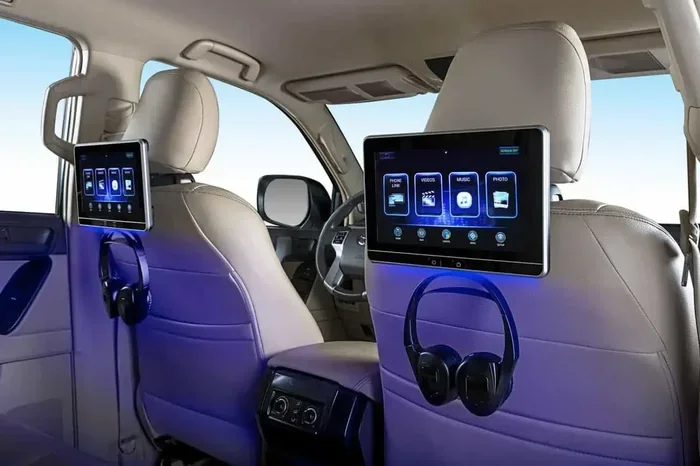
Headrest monitors are the most common type of car rear entertainment system on the market. These units attach directly to your existing headrests or mount onto the seatback. They typically feature screens ranging from 7 to 15 inches and can play DVDs, USB media, or streamed content.
Most headrest systems come in two flavors: single-screen and dual-screen. A single-screen setup shares one display between rear passengers, while dual-screen systems give each child their own screen. This is a game-changer for families with kids who want to watch different movies or shows.
Installation is usually straightforward. You use screws or straps to secure the monitors to your headrest posts. Many systems come with all the hardware you need. Some premium options even offer wireless headphones so passengers can watch without disturbing the driver.
Overhead Console Systems
Overhead systems mount a screen to the ceiling of your vehicle, usually in the center console area. These were very popular in SUVs and minivans during the 2000s. While they are less common today, they still have a loyal following.
The main advantage of an overhead car screen is that it is visible to all rear passengers at once. You do not need to worry about someone blocking the view. These systems often include built-in DVD players and sometimes even gaming console inputs.
The downside is that overhead systems can feel bulky and outdated compared to modern headrest options. They also take up headroom, which can be a concern in smaller vehicles. If you have a taller vehicle with plenty of ceiling space, however, an overhead system can still be a great choice.
Factory-Installed Rear Entertainment
Many luxury and mid-range vehicles now come with factory-built rear entertainment systems. Brands like Mercedes-Benz, BMW, Audi, and Tesla offer integrated screens as part of their premium packages. These systems blend seamlessly with the car’s existing technology.
Factory systems often include features you will not find in aftermarket options. Think voice control, integration with the car’s audio system, rear-seat climate controls, and even built-in games. The screens are usually high-resolution and mounted in the front headrests or the back of the front seats.
The biggest drawback is cost. If you are buying a new car, adding a factory entertainment package can increase the price significantly. And if you already own a car without this feature, retrofitting a factory system is usually not practical.
Portable and Wireless Streaming Systems
Portable car entertainment systems have exploded in popularity. These devices connect to your car’s Wi-Fi or hotspot and stream content directly to tablets, smartphones, or dedicated portable screens. You do not need any physical media like DVDs or CDs.
Some companies now offer dedicated wireless rear entertainment kits. These include a main control unit, wireless transmitters, and sometimes multiple screens. They connect to your car’s power outlet and create a private entertainment network for rear passengers.
The beauty of wireless systems is flexibility. You can move the screens between vehicles, adjust the content for each passenger, and update your library anytime through apps. For tech-savvy families, this is often the best option.
Key Features to Look For
When shopping for a car rear entertainment system, not all features are equally important. Here are the key factors to consider before you buy.
Screen Size and Quality
Screen size matters a lot for visibility, especially on long drives. Most rear seat monitors range from 7 to 15 inches. A 10 to 13-inch screen hits the sweet spot for most vehicles. It is large enough to see clearly but not so big that it obstructs the driver’s view or looks oversized in a compact car.
Resolution is equally important. Look for at least 1080p Full HD for crisp, clear images. Lower resolution screens can look pixelated, especially on larger displays. LED or IPS panels offer better color accuracy and wider viewing angles compared to basic LCD screens.
Connectivity Options
A good automotive entertainment system should offer multiple ways to connect content. Here is what to look for:
- HDMI input for connecting gaming consoles or laptops
- USB ports for playing media from flash drives
- Bluetooth for wireless audio streaming
- Wi-Fi built-in for streaming apps and online content
- Screen mirroring so passengers can cast from their phones
- SD card slots for additional media storage
The more connectivity options you have, the more versatile your system becomes. A unit that only plays DVDs will feel limiting after a few months. Look for systems that support both physical media and digital streaming.
Audio Quality
Good video means nothing if the audio is poor. Many car rear entertainment systems come with built-in speakers, but their quality varies widely. Premium units offer clear, balanced sound that does not distort at higher volumes.
For a better audio experience, consider systems that support wireless headphones. This lets each passenger control their own volume and enjoy private listening without bothering other family members or the driver. Some systems also allow you to route audio through your car’s main speakers using FM transmitters or Bluetooth connections.
Ease of Installation
Not everyone is a DIY expert, and that is perfectly fine. When choosing a car rear entertainment system, think about how easy it is to set up. Some headrest monitors clip on in minutes with no tools needed. Others require more involved installation with wiring and mounting brackets.
Wireless systems generally have the easiest installation. You plug in a power source, connect to your Wi-Fi, and you are ready to go. If you are not comfortable with tools or car electronics, look for plug-and-play options that minimize the need for professional installation.
Durability and Build Quality
Cars are tough environments. Screens get bumped, kids touch them constantly, and temperatures can swing from freezing to scorching. Your car entertainment center needs to handle all of this.
Look for systems with scratch-resistant screens and sturdy mounting hardware. Touch screens should be responsive even with gloves on in winter. If you have young children, consider units with protective covers or tempered glass screens that can survive accidental drops and spills.
Top Car Rear Entertainment Systems Reviewed
Now that you know what to look for, let us explore some of the best car rear entertainment systems available today. These picks cover different budgets, vehicle types, and family needs.
1. YITELK 10.1-Inch Dual Screen Headrest System
The YITELK system is a popular choice for families who want a reliable and affordable rear seat entertainment setup. It features two 10.1-inch screens with 1080p resolution, built-in Wi-Fi, and support for both USB and SD media. The screens mount directly to the headrests and include wireless headphones for private listening.
This system supports screen mirroring from smartphones and tablets, so passengers can share their own content easily. The built-in speakers are decent, and the touch screens respond well. At around $200, it offers excellent value for a dual-screen setup.
2. Aaronia Wireless Rear Entertainment Kit
Aaronia offers a premium wireless experience that is perfect for tech-forward families. This system uses a central hub that connects to your car’s Wi-Fi and streams content to multiple tablets or devices simultaneously. There are no physical screens attached to the seats, which gives you maximum flexibility.
The main advantage is that you can use any tablet or device your family already owns. No need to buy extra screens. The system supports multiple users simultaneously and lets each person choose their own content. Installation is simple, and the wireless range covers the entire rear of most vehicles.
3. Pioneer DMH-W4660NEX In-Dash System
Pioneer is a trusted name in car audio and entertainment. The DMH-W4660NEX is an in-dash system that doubles as a car entertainment center for both the driver and rear passengers. It features a 6.2-inch touchscreen, built-in Wi-Fi, Apple CarPlay, and Android Auto.
While it does not have dedicated rear screens, it supports rear-seat viewing through connected tablets or smartphones. The audio quality is outstanding, and the system integrates beautifully with your car’s existing controls. It is a great option if you want a clean, integrated look without bulky headrest monitors.
4. Insignia NS-P68127SL 15.6-Inch Portable DVD Player
For families on a tighter budget, Insignia offers a solid portable option. This 15.6-inch DVD player comes with a suction mount for windshield or headrest placement. It plays DVDs, CDs, and MP3 files from USB drives. The screen is large enough for clear viewing even in bright sunlight.
At under $150, this is one of the most affordable backseat entertainment options available. It does not have wireless streaming, but for families who primarily watch DVDs on road trips, it gets the job done reliably. The build quality is good, and the setup takes just a few minutes.
How to Choose the Right System for Your Vehicle
Choosing the right car rear entertainment system depends on several factors specific to your situation. Here is a quick guide to help you decide.
Consider Your Vehicle Type
The size and layout of your vehicle plays a big role in what will work best. Minivans and full-size SUVs have plenty of room for larger screens or even overhead systems. Sedans and compact cars work better with smaller headrest monitors that do not obstruct the driver’s view.
Pickup trucks with bench seats in the back can accommodate wide-screen headrest systems. Convertibles and sports cars usually benefit from portable DVD players that can be mounted and removed as needed.
Think About Your Family’s Needs
How many children regularly ride in the back seat? If you have two or more kids, a dual-screen system is almost a must. Single-screen systems work fine for one child or for families who are comfortable sharing content.
Consider the ages of your passengers too. Younger kids often enjoy DVDs and simple games. Older children and teenagers prefer streaming services, music apps, and gaming content. A system that supports wireless streaming and multiple input options will serve a wider age range.
Set a Realistic Budget
Car rear entertainment systems come in a wide price range. Basic portable DVD players start around $50 to $100. Mid-range headrest monitors with dual screens typically cost between $150 and $400. Premium wireless systems and factory-installed setups can run $500 to $2,000 or more.
Set a budget before you start shopping and stick to it. Remember that the most expensive option is not always the best option for your specific needs. Focus on features that matter most to your family rather than getting caught up in flashy extras.
Common Mistakes to Avoid When Buying a Rear Entertainment System
Even with the best intentions, many buyers make avoidable mistakes when purchasing a car rear entertainment system. Here are the most common pitfalls to watch out for.
Ignoring Compatibility
Not every system fits every vehicle. Before you buy, check the dimensions of the screens and the mounting requirements. Some headrest monitors require specific headrest post sizes. Overhead systems need sufficient ceiling clearance. Taking five minutes to measure your vehicle can save you from returns and frustration.
Overlooking Audio Options
It is easy to focus on video quality and forget about audio. A system with great visuals but poor or tinny sound will frustrate passengers quickly. Look for systems with clear built-in speakers or plan to use wireless headphones as your primary audio solution.
Skipping the Warranty
Car electronics face a lot of wear and tear. Screens get scratched, connectors get pulled, and spills happen. Always check the warranty before you buy. A good warranty protects your investment and gives you peace of mind. Avoid systems that offer no warranty or only a 30-day return policy.
Buying Based on Price Alone
The cheapest option is not always the worst, and the most expensive is not always the best. Focus on features, build quality, and user reviews rather than price alone. A mid-range system with solid features and good durability will outperform a budget system that breaks after six months.
Expert Tips for Getting the Most Out of Your Rear Entertainment System
Once you have your car rear entertainment system installed, a few simple tips can help you get the most out of it.
First, download content before your trip. Do not rely on streaming during drives through areas with poor cell coverage. Pre-load movies, shows, and music onto USB drives or your device’s local storage. This ensures uninterrupted entertainment no matter where your road trip takes you.
Second, establish some ground rules. Decide on screen time limits, volume levels, and content guidelines before you start the engine. This prevents arguments and keeps the peace during long drives. A little planning goes a long way toward a smooth trip.
Third, keep your system clean. Bring microfiber cloths and screen-safe cleaners on your trips. A quick wipe-down after each drive keeps screens clear and responsive. Dust and fingerprints build up fast, especially with kids using the system daily.
Finally, update your system regularly. Firmware updates often add new features, fix bugs, and improve performance. Check the manufacturer’s website or app for updates every few months. Keeping your system current ensures the best experience over time.
Conclusion
A car rear entertainment system is one of the best investments you can make for your family’s driving experience. Whether you choose a headrest monitor setup, a wireless streaming kit, or a factory-installed system, the right choice transforms every trip into a more enjoyable experience. Kids stay entertained, parents stay relaxed, and everyone arrives at the destination in a better mood.
Take the time to compare options, read reviews, and choose a system that fits your vehicle, your budget, and your family’s entertainment habits. The best car rear entertainment system is the one that works seamlessly for your life. Start exploring your options today, and turn every ride into an adventure your whole family will enjoy.
Frequently Asked Questions
What is the best car rear entertainment system for families?
The best system depends on your family’s needs and budget. Dual-screen headrest monitors like the YITELK 10.1-inch system offer great value for most families. If you prefer wireless flexibility, the Aaronia wireless kit lets each passenger stream from their own device. For a premium integrated look, factory-installed systems from luxury brands deliver the most seamless experience.
How much does a car rear entertainment system cost?
Prices vary widely based on features and quality. Basic portable DVD players start around $50 to $100. Mid-range dual-screen headrest systems typically cost between $150 and $400. Premium wireless kits and factory-installed setups can range from $500 to $2,000 or more. Set a budget based on the features you truly need rather than the ones you might rarely use.
Can I install a car rear entertainment system myself?
Yes, many systems are designed for easy DIY installation. Headrest monitor clips usually require no tools and can be set up in under 30 minutes. Wireless streaming kits are even simpler since they require no physical screen mounting. More complex systems like in-dash units or factory retrofits may benefit from professional installation, but most aftermarket options are very user-friendly.
Do rear entertainment systems work with streaming services?
Many modern systems support Wi-Fi and can stream content from services like Netflix, YouTube, and Disney Plus directly to the screens. Wireless systems that connect to your phone’s hotspot work especially well for streaming. Just make sure you have a strong data plan or use your car’s built-in Wi-Fi hotspot to avoid extra charges and buffering during your drive.
Are wireless rear entertainment systems better than wired ones?
Wireless systems offer more flexibility and a cleaner installation with fewer cables to manage. They are ideal for families who switch between vehicles or want to move screens around easily. Wired systems can sometimes provide a more stable connection and do not rely on Wi-Fi signal strength. Both options work well, so your choice should depend on your specific needs and how you plan to use the system.
What age is appropriate for children to use car rear entertainment systems?
There is no strict age limit, but most experts recommend limiting screen time for children under two years old. For kids aged three and up, educational content and age-appropriate shows are great choices. Always use the entertainment system as a supplement to other activities like reading, coloring, or simply looking out the window. Setting healthy habits early helps children develop a balanced relationship with screen time during car rides.
=== CONCLUSION ===
A car rear entertainment system is a game-changer for any family that spends time on the road. From headrest monitors to wireless streaming kits, there is a solution for every vehicle and every budget. The key is to focus on features that match your family’s real needs rather than getting distracted by flashy extras.
Take what you have learned from this guide and use it to make a confident buying decision. Compare your top choices, read user reviews, and pick the system that will bring the most joy to your backseat passengers. Happy travels and happy watching.