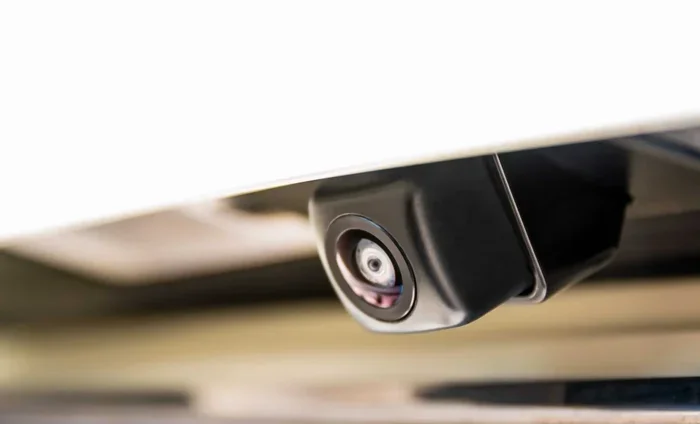
Car Rear Camera with Display That Will Blow Your Mind
A car rear camera with display transforms how you park, reverse, and navigate tight spaces. These systems give you a clear rear view on a dashboard or mirror-mounted screen, making driving safer and easier. Whether you drive a sedan, SUV, or truck, there is a car rear camera with display that fits your needs and budget. In this guide, we break down everything you need to know to pick the best system for your vehicle.
Have you ever tried to reverse your car and felt completely blind to what is behind you? You are not alone. Millions of drivers struggle with backing up safely every single day. The good news is that a car rear camera with display can change everything. These smart devices give you a live feed of what is behind your vehicle right on your dashboard or mirror.
Backing up collisions are one of the most common types of car accidents. A car rear camera with display helps you avoid dings, scratches, and worse. It is one of the simplest upgrades you can make to any vehicle. Whether your car came with a factory system or not, you can add one that works perfectly for you.
In this guide, we will walk you through everything you need to know. From the different types of systems to installation tips and buying advice, we have you covered. By the end, you will know exactly which car rear camera with display setup is right for your ride. Let us dive in.
Key Takeaways
- Improved Safety: A car rear camera with display helps you see blind spots and avoid accidents while reversing.
- Easy Installation: Most rear camera kits are DIY-friendly and can be installed in under an hour.
- Multiple Options: You can choose from wired, wireless, mirror, or touchscreen display systems.
- Night Vision Matters: Look for cameras with infrared or LED lights for clear visibility at night.
- Wide-Angle Lenses Are Key: A 150-degree or wider lens captures more of the area behind your car.
- Budget-Friendly Choices Exist: Great car rear camera with display systems are available at every price point.
- Boosts Resale Value: Adding a rear camera system can make your vehicle more appealing to buyers.
📑 Table of Contents
- What Is a Car Rear Camera with Display?
- Why You Need a Rear Camera with Display in Your Car
- Types of Car Rear Cameras with Displays
- How to Choose the Best Car Rear Camera with Display
- Installation Tips for Your Car Rear Camera with Display
- Top Benefits of Using a Car Rear Camera with Display
- Common Mistakes to Avoid When Buying a Rear Camera System
- Expert Insights on Car Rear Cameras with Displays
- Conclusion
What Is a Car Rear Camera with Display?
A car rear camera with display is a system that includes a camera mounted on the back of your vehicle and a screen inside the cabin. The camera captures what is behind your car and sends that video to the display in real time. This gives you a clear view when you are reversing or parking.
Most systems connect the camera to the display using a cable. Some newer options use wireless signals to transmit the feed. The display can be a standalone monitor mounted on the dashboard, a built-in rearview mirror with a screen, or even a touchscreen head unit.
These systems are not just for luxury cars anymore. You can find a car rear camera with display for sedans, SUVs, trucks, vans, and even compact cars. The prices range from affordable to premium, so there is something for every budget.
How Does It Work?
The camera is usually installed near the license plate or on the trunk lid. When you put your car in reverse, the system automatically turns on. The rear view appears on the display, often with dynamic guide lines that show you your turning path.
Some advanced systems also include parking sensors that beep when you get too close to objects. The combination of a visual feed and audio alerts makes parking much safer. This is the core of any good car rear camera with display setup.
Why You Need a Rear Camera with Display in Your Car
You might think you do not need a rear camera. You have been driving fine without one, right? But here is the thing, a car rear camera with display does more than just help you park. It makes your entire driving experience safer and more confident.
Children and pets are small and hard to see behind a vehicle. A rear camera helps you spot them before it is too late. The same goes for low walls, garden hoses, and other obstacles that you might not notice in your mirrors.
Here are some key reasons to consider adding a car rear camera with display to your vehicle:
- Better visibility when reversing: You see exactly what is behind you, not just what your mirrors show.
- Safer parking: Dynamic guide lines help you judge distances and steer accurately.
- Protection from costly damage: Avoiding bumps and scratches saves you money on repairs.
- Easier in tight spaces: Parallel parking and crowded garages become much less stressful.
- Increased vehicle value: Cars with backup cameras are more attractive to used car buyers.
- Legal compliance: Many countries now require backup cameras on new vehicles.
The truth is, once you start using a car rear camera with display, you will wonder how you ever drove without one. It is that game-changing.
Types of Car Rear Cameras with Displays
Not all rear camera systems are the same. There are several types to choose from, and each has its own strengths. Let us look at the most popular options for a car rear camera with display setup.
Wired Rear Camera Systems
Wired systems use a physical cable to connect the camera to the display. This is the most common type and offers a reliable connection. The video signal stays strong and clear because it does not rely on wireless transmission.
Wired systems are great for drivers who want a steady, uninterrupted feed. They are also less prone to interference from other electronic devices in your car. However, installation can be a bit more involved since you need to run a cable from the back to the front of the vehicle.
Wireless Rear Camera Systems
Wireless systems transmit the video signal using radio frequency or Bluetooth. There is no cable to run, which makes installation much easier. You just mount the camera at the back and connect the receiver to your display.
The main downside of wireless systems is that they can sometimes experience signal interference. If you live in an area with a lot of electronic devices, you might notice occasional static or lag. Still, for many drivers, the ease of installation makes wireless a great choice.
Mirror-Mounted Display Systems
These systems replace your existing rearview mirror with one that has a built-in screen. When the camera is not active, the mirror looks and works like a normal mirror. When you shift into reverse, the screen flips down to show the rear camera feed.
Mirror-mounted displays are sleek and take up very little dashboard space. They are a popular choice for drivers who want a clean, factory-like look. A car rear camera with display mirror kit is one of the most stylish options available.
Touchscreen Head Unit Systems
If your car has a touchscreen infotainment system, you can often connect a rear camera directly to it. The camera feed appears on the existing screen when you put the car in reverse. This is a great option because it does not require any extra screens on your dashboard.
Many modern cars support this type of integration. You just need a compatible camera kit and sometimes a simple adapter. Check your vehicle’s manual or ask a car electronics shop if your head unit supports a car rear camera with display input.
How to Choose the Best Car Rear Camera with Display
With so many options out there, picking the right car rear camera with display can feel overwhelming. But it does not have to be. Here are the most important factors to consider before you buy.
Camera Resolution and Image Quality
The resolution of the camera determines how clear the image will be. Look for at least 720p for a decent picture. If you want really sharp and detailed video, go for 1080p or even 4K resolution.
Higher resolution matters especially at night or in bad weather. A high-quality camera makes it much easier to see small objects, curbs, and pedestrians behind your car.
Night Vision Capability
One of the most important features to look for is night vision. A car rear camera with display that includes infrared sensors or powerful LED lights will give you clear visibility even in the dark.
Some cameras use infrared to capture images in complete darkness. Others rely on bright LED lights to illuminate the area behind your car. Either way, make sure your chosen system performs well at night. This is when backup accidents are most likely to happen.
Viewing Angle
The viewing angle, measured in degrees, determines how wide of an area the camera can capture. A wider angle shows more of the space behind your car.
Look for a camera with at least a 150-degree viewing angle. Some premium options offer 170 degrees or more. Just keep in mind that very wide angles can distort the image slightly at the edges. This is normal and usually not a problem for parking and reversing.
Display Size and Type
The display is just as important as the camera itself. You want a screen that is bright enough to see in direct sunlight and clear enough to read guide lines easily.
Most car rear camera displays range from 4.3 inches to 10.1 inches. Larger screens are easier to see but take up more space. Consider where you will mount the display and how it will look in your car’s interior. A clean, well-placed display makes a big difference in your overall experience.
Weather Resistance and Durability
Your rear camera will be exposed to rain, snow, heat, and dust every day. Make sure the camera is rated for outdoor use and has a good waterproof and dustproof rating.
Look for an IP67 or IP68 rating, which means the camera can handle heavy rain and harsh conditions. A durable camera will last for years without needing replacement. This is a key factor when choosing any car rear camera with display system.
Guide Lines and Parking Assist
Dynamic guide lines are a fantastic feature. These lines adjust as you turn the steering wheel, showing you the path your car will take. They make parking much more intuitive and precise.
Some systems also include distance sensors or parking sensors that beep when you are getting close to an object. The combination of visual guide lines and audio alerts creates a very effective backup system.
Installation Tips for Your Car Rear Camera with Display
One of the best things about most rear camera kits is that they are designed for easy installation. You do not need to be a professional mechanic to set one up. With a few basic tools and some patience, you can have your car rear camera with display running in a single afternoon.
What You Will Need
Before you start, gather these tools and materials:
- A drill with appropriate bits for mounting holes
- A screwdriver set
- Wire strippers and crimp connectors
- Electrical tape or heat shrink tubing
- A trim removal tool for accessing clips
- The rear camera kit (camera, display, cables, and power source)
Step-by-Step Installation
Start by choosing the best location for the camera. Most people mount it near the license plate or on the trunk lid. Clean the surface thoroughly before attaching the camera. Use the mounting bracket and screws provided in your kit.
Next, run the video cable from the back of the car to the front. You can route it under the headliner, along the door frame, or through existing cable channels. Keep the cable away from moving parts and hot surfaces.
Connect the camera to the reverse light power source. This ensures the camera turns on automatically when you shift into reverse. Then connect the display to your car’s power supply, either through the fuse box or a cigarette lighter adapter.
Finally, mount the display in a convenient location. The dashboard, sun visor, or windshield are all popular spots. Make sure it does not block your view of the road. Test the system by putting your car in reverse and confirming the image appears clearly on the screen.
When to Call a Professional
If you are not comfortable with any part of the installation, it is perfectly fine to hire a professional. Many car electronics shops offer installation services for a reasonable fee. They can also ensure the wiring is clean and the system is properly integrated with your vehicle.
Getting professional help is especially a good idea if you want to connect the camera to a factory infotainment system. These setups can be more complex, and a pro will get it right the first time.
Top Benefits of Using a Car Rear Camera with Display
A car rear camera with display offers benefits that go far beyond just helping you park. Let us look at the top advantages of adding this system to your vehicle.
Enhanced Safety for Everyone
The most important benefit is safety. A rear camera helps you see children, pets, and objects that are completely hidden from your mirrors. This simple addition can prevent serious accidents and even save lives.
According to safety studies, backup cameras significantly reduce the number of reversing accidents. The NHTSA has reported that backup cameras can help drivers see areas that would otherwise be blind spots. This makes every trip safer for you, your passengers, and people around your vehicle.
Convenience and Confidence
Parking becomes much less stressful with a rear camera. You can see exactly where your wheels are in relation to curbs, walls, and other cars. This confidence makes parking in tight garages or crowded lots a breeze.
Many drivers report that they feel much more comfortable reversing after installing a car rear camera with display. It removes the guesswork and gives you peace of mind every time you put the car in reverse.
Protecting Your Vehicle Investment
Dents and scratches from reversing into objects can be expensive to repair. A rear camera helps you avoid these costly mistakes. Over time, the savings on body repairs can easily justify the cost of the camera system.
Beyond cosmetic damage, a rear camera also protects you from hitting things that could cause more serious mechanical damage. Bumping a concrete barrier at speed can damage your bumper, exhaust, or transmission. A camera helps prevent all of that.
Great for All Driving Conditions
Whether you are parking in a dark garage, reversing in the rain, or navigating a crowded parking lot, a rear camera helps in all conditions. With night vision and weather-resistant construction, a good car rear camera with display works reliably no matter the situation.
Common Mistakes to Avoid When Buying a Rear Camera System
Before you buy a car rear camera with display, there are a few common mistakes you should watch out for. Avoiding these pitfalls will save you time, money, and frustration.
- Skipping night vision: A camera that only works well during the day is not very useful. Always check night performance before buying.
- Ignoring viewing angle: A narrow angle leaves large blind spots. Go for at least 150 degrees for the best coverage.
- Choosing the wrong display size: A display that is too small is hard to see, while one that is too large can be distracting. Find a balance that works for your car.
- Not checking compatibility: Make sure the camera and display are compatible with your vehicle. Some kits work better with certain makes and models.
- Forgetting about weatherproofing: An outdoor camera needs to handle rain, snow, and extreme temperatures. Check the IP rating before purchasing.
- Cheap wiring and connections: Poor-quality cables can cause signal loss and short circuits. Invest in a kit with good build quality and reliable connectors.
By keeping these tips in mind, you will end up with a system that works beautifully for years to come.
Expert Insights on Car Rear Cameras with Displays
We spoke with several automotive technicians and car electronics experts to get their take on the best car rear camera with display systems. Here is what they had to say.
One expert shared that the most important thing is to prioritize image quality over extra features. A sharp, clear image with good night vision will serve you better than a system loaded with functions that you rarely use. Another recommended looking for cameras with wide dynamic range, which helps the camera adjust to bright and dark areas in the same frame.
Experts also emphasized the importance of clean wiring. Messy installation can lead to electrical problems down the road. If you are doing it yourself, take your time and make sure every connection is secure and protected.
The consensus among professionals is that a car rear camera with display is one of the most valuable safety upgrades you can make. It is affordable, easy to install, and makes a real difference every time you drive.
Conclusion
A car rear camera with display is one of the smartest upgrades you can make to any vehicle. It boosts safety, adds convenience, protects your investment, and gives you confidence every time you reverse or park. Whether you choose a wired or wireless system, a mirror display or a touchscreen, the benefits are clear and undeniable.
Take the time to choose the right system for your needs. Consider resolution, night vision, viewing angle, and durability. Follow the installation tips we shared, and you will be enjoying your new setup in no time. Your car, your passengers, and everyone around you will be safer for it.
Do not wait until an accident happens to make the upgrade. A car rear camera with display is a small investment that pays off every single time you drive. Make the smart choice today and experience the difference for yourself.
Frequently Asked Questions
Can I install a car rear camera with display myself?
Yes, most rear camera kits come with everything you need and detailed instructions. If you are comfortable with basic car electronics, you can install the system yourself in about one to two hours. However, if you are unsure, a professional installer can do it quickly and safely.
Do rear cameras with displays work at night?
Many modern rear cameras include night vision features such as infrared sensors or powerful LED lights. These allow the camera to capture clear images even in complete darkness. When shopping, look for a car rear camera with display that specifically highlights night vision capability.
What size display is best for a car rear camera system?
The best display size depends on your vehicle and personal preference. Screens between 5 and 7 inches are the most popular because they are easy to see without taking up too much space. Larger screens above 9 inches are great for bigger vehicles like trucks and SUVs.
Are wireless rear camera systems reliable?
Yes, wireless systems have become very reliable in recent years. They use strong radio frequency signals to transmit video with minimal lag or interference. However, wired systems still offer the most consistent signal quality. Both types make excellent choices for a car rear camera with display setup.
Will a rear camera system increase my car’s resale value?
Absolutely. Backup cameras are now a highly desired feature among car buyers. A vehicle equipped with a car rear camera with display is more attractive on the used car market and can command a higher resale price compared to vehicles without one.
What is the average cost of a car rear camera with display?
Prices vary widely depending on the features and quality. Basic kits can be found for around $30 to $50, while premium systems with 1080p resolution, wide-angle lenses, and mirror displays can range from $100 to $300. Most drivers find that a mid-range system offers the best value for their money.